Province of Bergamo blends a refined city break with mountain and lake escapes, all within the same corner of Lombardy. Think medieval lanes, panoramic viewpoints, and a food culture that leans hearty and comforting. Go now if you want an Italy itinerary that feels varied without constant long transfers, because the distances between city, valleys, and lakes are manageable with smart planning.
The Province of Bergamo sits in Lombardy in northern Italy, with Bergamo city as the main hub and a natural spread from the plains up into alpine foothills. Most travelers use Bergamo as the gateway, then branch out toward lakeside towns and mountain valleys depending on the season and interests. For arrival and onward connections, plan around the closest major transport hubs and rail links in the region, then build day trips that minimize backtracking.
Seasonality in the Province of Bergamo is best approached by matching your plans to the landscape you want most. Warmer months favor walking routes, viewpoints, and lake days, but they can also bring higher visitor numbers in the most photogenic areas. Cooler months are well suited to museum time, long meals, and atmospheric old town strolls, with a calmer feel in many places. If flexibility matters, target shoulder periods for a balance of comfortable temperatures and less crowd pressure.
Italy uses the euro, and budgeting in the Province of Bergamo is easiest when you split spending into lodging, transport, and food. Cards are commonly accepted in many traveler facing businesses, but it is still practical to carry some cash for small purchases and simpler venues. Build a buffer for scenic add ons like extra transit rides, viewpoint stops, or spontaneous tastings, because the best moments often happen between the headline sights.
Explore Bergamo Alta (Upper Town)
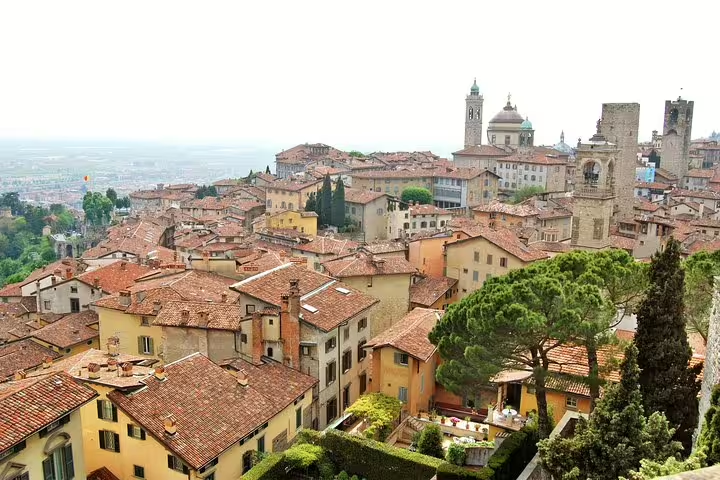
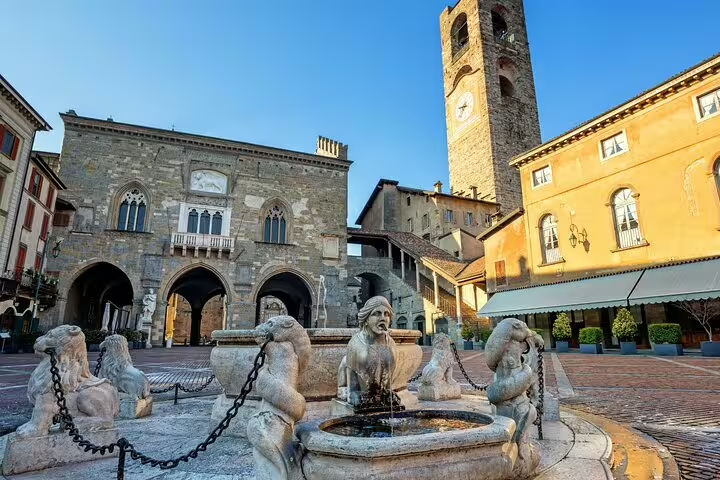
This is the historic heart that shapes many first impressions of the Province of Bergamo, with stone streets, layered architecture, and a slower pace that rewards unhurried wandering. It matters because the views and the sense of continuity, from civic spaces to religious landmarks, give strong context for the whole area. Practical tip, go early in the day for calmer lanes and clearer photos, then return near sunset for a different mood.
Walk the Venetian style walls and viewpoints
The elevated perimeter routes define the skyline experience and help you understand why this city developed the way it did. It matters because you can connect multiple viewpoints in a single loop, turning sightseeing into a scenic walk rather than a checklist. Practical tip, wear comfortable shoes and carry water, because even short distances feel longer on cobbled gradients.
Ride the funiculars for easy elevation gains
The funiculars are part transport and part experience, and they make the upper areas accessible without exhausting climbs. It matters because they let you save energy for exploring once you are at the top, especially if you are planning museums or a longer walking day. Practical tip, time your rides to avoid peak commuter moments, and keep tickets handy for quick validation.
Visit cultural museums and galleries in Bergamo
Museum time adds depth to a trip that might otherwise focus only on views and streetscapes. It matters because collections and curated exhibits help connect local identity, regional art, and wider Lombardy history. Practical tip, prioritize one or two museums rather than rushing, and pair them with a nearby cafe stop to keep the day balanced.
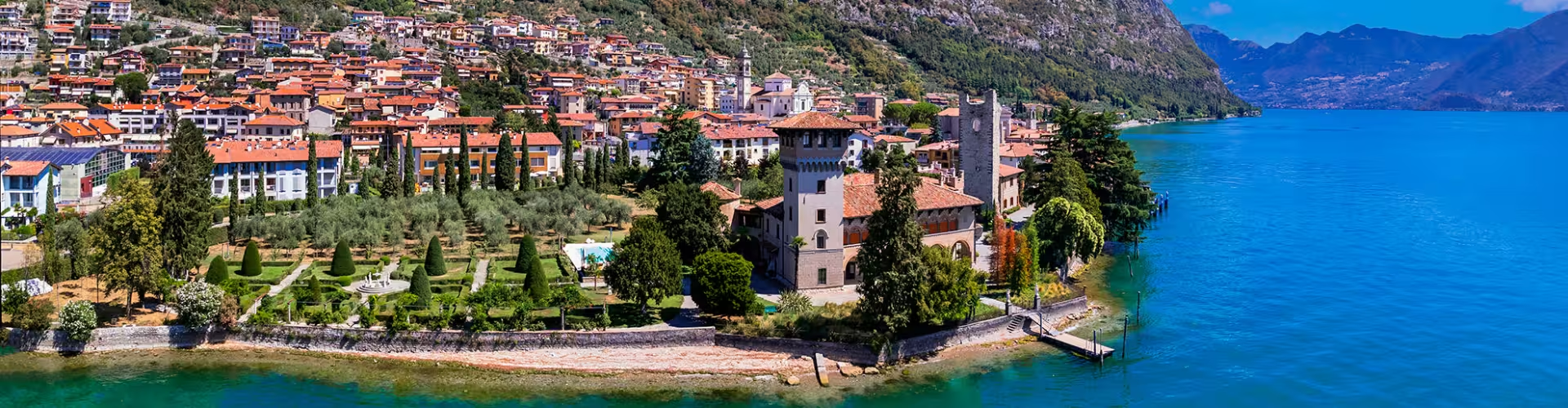
Plan a lakeside escape toward Lake Iseo
A lake day changes the rhythm of the Province of Bergamo, shifting from city lanes to open water, breezes, and relaxed promenades. It matters because lakeside towns often feel like a reset, especially after a dense sightseeing day in the historic center. Practical tip, start early to maximize daylight and consider a simple picnic plan to keep costs predictable.
Go into the Bergamo valleys for alpine scenery
The northern landscapes add a mountain dimension that many travelers do not expect from a city based itinerary. It matters because valleys offer a sense of space and nature, with routes that suit both gentle walkers and more ambitious hikers depending on your comfort level. Practical tip, check local transport options in advance, and pack layers since temperatures can change quickly with altitude.
Take a food focused stroll for local specialties
Food is one of the easiest ways to feel the region, and the Province of Bergamo is known for satisfying, rustic flavors. It matters because tasting local dishes helps you understand the agricultural and mountain influences that shaped the cuisine. Practical tip, eat your main meal a little earlier or later than the busiest hours to get more attentive service.
Photograph the skyline and tiled rooftops from panoramic terraces
The best photos here are about layers, rooftops, bell towers, and distant peaks. It matters because a single viewpoint can summarize the region’s contrast between urban texture and natural backdrop. Practical tip, bring a light jacket for breezy terraces, and aim for soft light in the morning or late afternoon.
Start in the lower town for coffee and an efficient orientation, then use a funicular to reach the upper town while your energy is highest. Spend late morning walking the historic lanes, stopping for viewpoints and a focused museum visit to add context. Break for a local lunch, then continue along the walls and scenic overlooks for photos. End with an early evening aperitivo and a relaxed dinner, keeping the final hours flexible for a second viewpoint stop if the light is good.
Day one follows the one day highlights at a slower pace, with extra time for small churches, quiet streets, and a longer sit down meal. Day two shifts outward, choose either a lakeside day toward Lake Iseo or a valley focused day for mountain scenery, depending on season and weather. If you have a third day, mix a half day of cultural visits with a half day of shopping for edible souvenirs, then revisit your favorite viewpoint for a final panorama. This pacing keeps the Province of Bergamo feeling immersive rather than rushed.
Casoncelli
A signature stuffed pasta with a comforting, savory character that suits the region’s hearty style. Ordering tip, ask for the traditional preparation and consider sharing a second course if portions are generous.
Polenta
A classic staple with a warm, rustic profile that pairs well with rich sauces and mountain style dishes. Ordering tip, look for polenta paired with seasonal accompaniments for the most local feel.
Cheeses from alpine areas
Local cheeses tend to be deeply flavored and satisfying, reflecting mountain pastures and regional production traditions. Ordering tip, choose a mixed board to taste different ages and textures without committing to one style.
Cured meats and salumi
Salumi plates are an easy way to sample local flavors, especially as part of an aperitivo spread. Ordering tip, ask what is local to the area that day, then pair it with bread and a simple glass of wine.
Risotto and seasonal primi
Risotto appears in many northern Italian menus, often shaped by seasonal ingredients and regional preferences. Ordering tip, choose the seasonal option for better freshness and a more distinctive local profile.
Espresso and aperitivo culture
Coffee breaks structure the day, while aperitivo sets a relaxed tone before dinner. Ordering tip, stand at the bar for a quick espresso, then sit down later for aperitivo if you want a slower experience.
Within Bergamo, walking is often the most rewarding option for short distances, especially in historic areas where streets are narrow and views appear unexpectedly. Funiculars and local transit help manage elevation changes, making it easier to connect the lower and upper areas without overplanning. For day trips across the Province of Bergamo, combine rail and bus routes where available, and keep your return times realistic so you are not rushing at dusk. If you have mobility considerations, prioritize routes that reduce steep climbs, and plan more frequent rests because cobblestones and slopes can be tiring even over short distances.
Lake Iseo
A lakeside change of pace with breezy promenades and relaxed town energy. Travel time varies by starting point and route, so plan your connections in advance. Primary reason to visit, scenery and a restorative day by the water.
Valley towns in the Bergamo Alps
Mountain landscapes offer fresh air, panoramic trails, and a quieter rhythm than the city. Travel time depends on which valley you choose and the available public transport. Primary reason to visit, alpine views and nature focused walking.
Rural food and farm style areas
Between city and mountains, the countryside supports a food culture built on simple ingredients and tradition. Travel time is typically shorter than deep mountain routes, but it still depends on local connections. Primary reason to visit, tasting focused stops and a slower rural atmosphere.
One day covers the main historic sights and viewpoints at a brisk pace. Two to three days lets you add a lake or valley day trip and enjoy meals more slowly.
Yes, the contrast is one of the strongest reasons to go, because you can combine a historic city day with lakes and mountain scenery. Build your plan around one base, then add outward day trips.
Use the funiculars and short transit hops to reduce steep climbs, then walk once you are in the area you want to explore. Comfortable shoes still matter, because many streets are cobbled.
Not necessarily, especially if you focus on Bergamo city and choose day trips that are well connected by rail and bus. A car can add flexibility for rural areas, but it also adds parking and navigation considerations.
Shoulder periods tend to feel calmer than peak summer weeks in the most popular areas. If you can, start sightseeing early in the day and save meals for slightly off peak hours.