Lombardy

logoBlack

Build your dream
experience

dreamimg

More to know about Lombardy

Lombardy Travel Guide 🌍

🧭 Snapshot

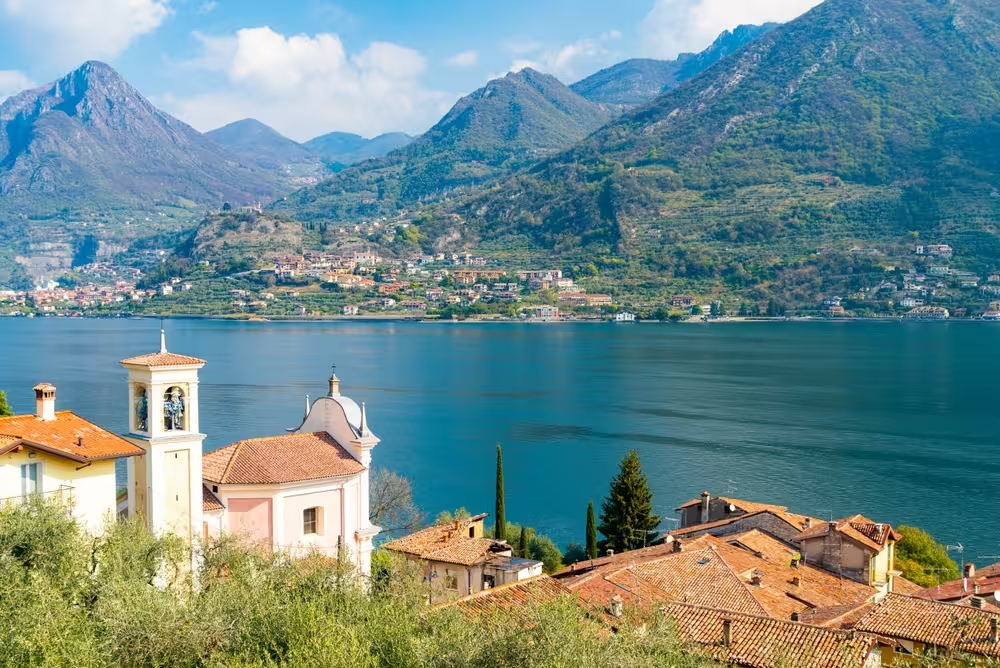
Lombardy, a captivating region in northern Italy, is known for its vibrant cities, stunning lakes, and rich history. Whether you're drawn to the bustling streets of Milan or the serene beauty of Lake Como, you'll find plenty of reasons to explore. Discover the Best things to do in Lombardy, where culture, nature, and modernity coexist in harmony.


🗺️ Where It Sits

📍 Geography and Nearby Hubs

Nestled in northern Italy, Lombardy is bordered by Switzerland to the north and several Italian regions. Milan is its largest city, serving as a major gateway with its international airports and train connections.

🕒 Best Time To Visit

Lombardy is delightful year-round, though spring and autumn offer mild weather and fewer crowds. Summers are lively with festivals, while winter attracts ski enthusiasts.

💰 Typical Costs and Money Tips

Lombardy offers a range of experiences from luxury to budget-friendly. Credit cards are widely accepted, but carrying some cash is recommended, especially in smaller towns.


⭐ Essential Things To Do

Explore Milan's Duomo: Visit the iconic cathedral for breathtaking views from the rooftop. Allocate at least two hours.

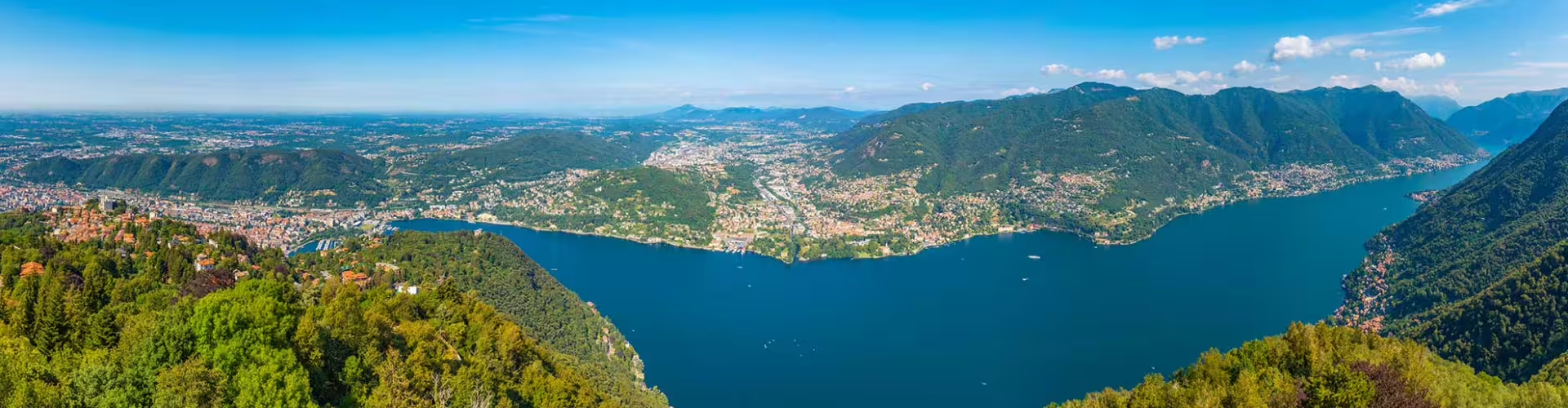
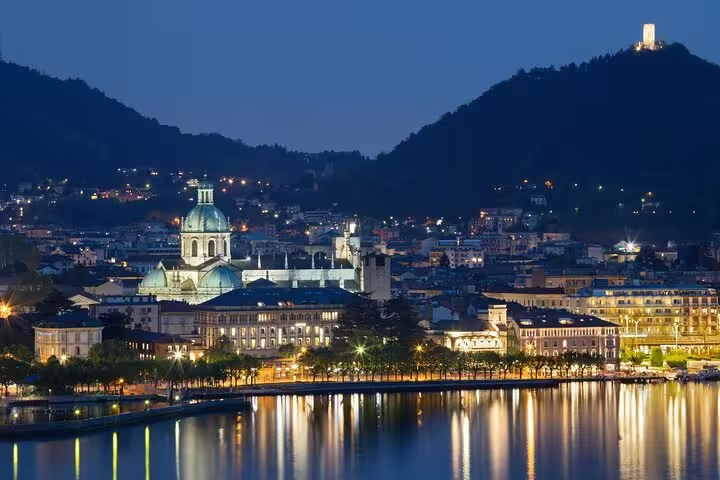
Stroll Around Lake Como: Known for its picturesque landscapes, a boat tour is a must. Ideal for a day trip.

Visit The Last Supper: Leonardo da Vinci's masterpiece is a must-see. Book tickets in advance to avoid disappointment.

Discover Bergamo's Old Town: Wander through this charming medieval city. Perfect for a leisurely afternoon.

Shop in Milan's Quadrilatero d'Oro: Experience luxury shopping in Italy's fashion capital. Great for fashion enthusiasts.

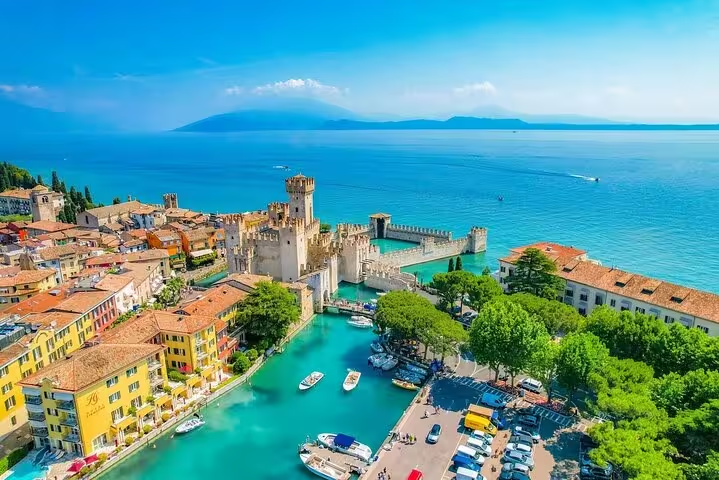
Relax in Sirmione, Lake Garda: Known for its thermal spas and Roman ruins, this is a perfect place to unwind.


🚶 Suggested Short Itineraries

⏰ One Perfect Day

Start your day at the Milan Duomo, enjoy lunch at a local trattoria, visit The Last Supper, and end with a stroll through Brera.

⏰ Two Days

Day one as above. On day two, explore Bergamo and its old town, then relax at Lake Como in the afternoon.

⏰ Three Days

Follow the two-day itinerary, then take a day trip to Lake Garda for a mix of history and relaxation.


🍽️ What To Eat And Drink

Try Risotto alla Milanese, a creamy saffron-infused dish. Sample local cheeses at a mercato. Enjoy a glass of Franciacorta, the region's sparkling wine.

Don't miss Ossobuco, a traditional veal dish. Taste Panettone, especially during the holiday season.


🚌 Getting Around

Lombardy offers efficient public transport with trains and buses connecting major cities. In Milan, the metro is convenient. Bike rentals are popular in smaller towns.


🌄 Best Day Trips

Lake Como: Just an hour from Milan, it's perfect for scenic views and exploring charming villages.

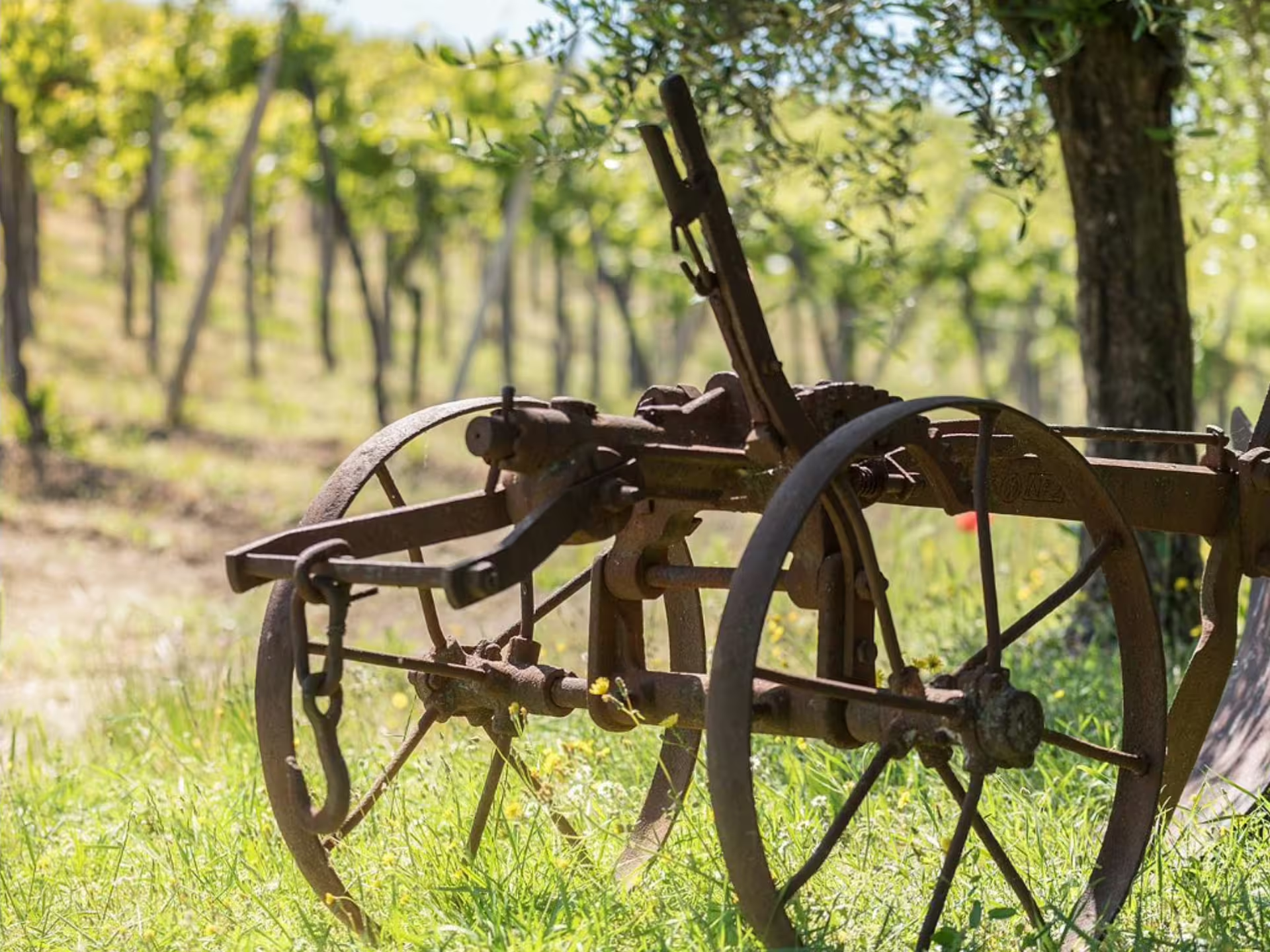
Franciacorta Wine Region: Known for its vineyards, it's a delightful escape for wine lovers.

Verona: Famous for its Roman amphitheater and Shakespearean ties, it's a cultural gem.


✅ Practical Tips For Visitors

  • Book attractions like The Last Supper in advance to secure your spot.
  • Consider morning or late afternoon visits to popular sites to avoid crowds.
  • Carry a reusable water bottle and dress in layers for changing weather.
  • Wear comfortable shoes for exploring cobblestone streets.

❓ Frequently Asked Questions, FAQ

Q: How many days should I spend in Lombardy?
A: Three to five days is ideal to explore Lombardy, including Milan, Lake Como, and nearby attractions.

Q: Are there combo tickets for attractions in Milan?
A: Yes, consider the Milan Pass or combo tickets for the Duomo and Leonardo's Last Supper for savings.

Q: What neighborhoods are best to stay in Milan?
A: Brera is charming and central, while Navigli offers vibrant nightlife. Both are excellent choices.

Q: What is the weather like in Lombardy?
A: Lombardy experiences warm summers, while spring and autumn are mild. Winters are colder, especially in the mountains.

Q: Is Lombardy accessible for travelers with mobility issues?
A: Major attractions are accessible, though some historic sites may have uneven terrain. Plan ahead for assistance.