
Build your dream
experience

More to know about Civita
Civita Travel Guide
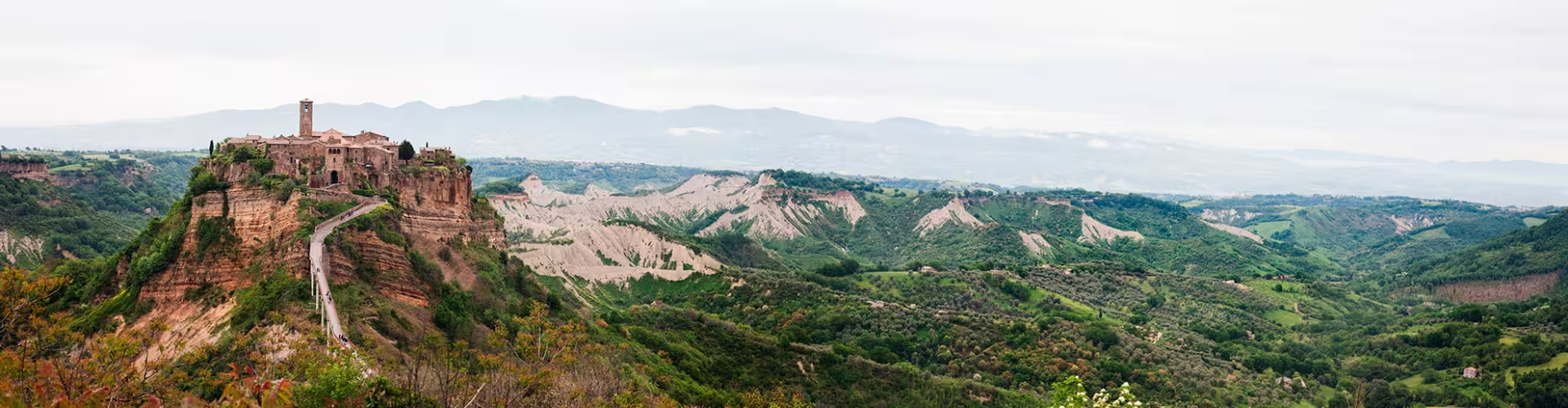
Civita is the kind of place that rewards slow looking, thoughtful pacing, and a camera battery that is fully charged. Perched above a dramatic landscape in the Province of Viterbo, it feels both intimate and cinematic, with stone lanes, viewpoints, and a sense of time moving differently. Use this guide to plan a smooth visit, build a realistic itinerary, and make the most of your time in Civita without rushing the experience.
Snapshot
Civita delivers a rare mix of postcard scenery and quiet atmosphere, where the journey in and the views out are part of the main event. The signature vibe is contemplative, photogenic, and best enjoyed at a gentle pace that leaves room for pauses and panoramas. Go now if you want a destination that feels distinct from big city Italy, with an easy day trip profile and strong rewards for early starts and golden hour.
🗺️ Geography and Logistics
📍 Orientation: Where is it within Province of Viterbo and ?
Civita sits in Italy’s Lazio region, within the Province of Viterbo, an area known for small historic towns, rural scenery, and a slower travel rhythm. The most practical approach is to use a larger hub as your base, then connect onward by road into the province for the final stretch. If you are building a wider Lazio itinerary, pairing Civita with other nearby hill towns can help you minimize transit time and maximize time on foot.
🕒 When to Go: Seasonal breakdown
Seasonality matters here because the experience is tightly linked to light, visibility, and crowd levels. Warmer periods typically support longer days and more time outdoors, while cooler periods can be better for walking comfort and calmer lanes. If you want the most peaceful feel, aim for earlier starts, and plan your key viewpoints around softer light, which often creates the most atmospheric photos.
💰 Budget & Currency: Practical money tips
Italy uses the euro, and travelers usually find it helpful to carry a small amount of cash for smaller purchases while relying on cards where accepted. In smaller destinations, it is wise to have a backup payment option, plus a little change for quick stops. Budget planning is easiest when you prioritize what matters most to you, for example transport convenience versus longer meals, then keep the rest of the day flexible.
⭐ Essential Things to Do
Note: These experiences are designed to help you plan with confidence while keeping the visit realistic and enjoyable. Mix a few “musts” with unstructured wandering, because Civita is often at its best between the highlights.
1) Walk the approach and slow down at the first viewpoint
Why it matters: The arrival sets the tone, and the changing angles create a strong sense of place. You will notice how the landscape frames the town, and why the setting is as memorable as the streets themselves. Practical tip: Start earlier in the day for a calmer approach, then return to viewpoints later for different light.
2) Photo loop through the historic lanes
Why it matters: The charm is in small details, stone textures, doorways, plants, and quiet corners that feel lived in rather than staged. A simple loop keeps you oriented while still leaving room for detours. Practical tip: Keep your route loose, and mark one or two landmarks on your map so you can wander without feeling lost.
3) Seek out panoramic terraces for golden hour
Why it matters: The landscape around Civita is part of the destination identity, and changing light can transform what you see. Golden hour tends to soften contrasts and enhance depth in photos. Practical tip: If you are visiting as a day trip, plan your return transport so you are not forced to leave right when the light becomes most dramatic.
4) Enjoy a long, unhurried meal
Why it matters: In smaller Italian towns, meals are often the most immersive way to absorb local pace and hospitality. A slower lunch can also reset your energy for more walking. Practical tip: If you prefer quieter dining, choose slightly off-peak times and keep your schedule flexible.
5) Build a mini history walk with context cues
Why it matters: Even without a formal museum plan, you can add meaning by paying attention to materials, building styles, and how the town relates to the terrain. This turns a simple stroll into a story-driven experience. Practical tip: Read a short overview before you arrive, then use the visit to connect the dots on site.
6) Do a “quiet hour” reset
Why it matters: The atmosphere changes throughout the day, and a short pause can make the destination feel more intimate. Sitting at a viewpoint or a calm lane helps you notice sound, light, and small movements. Practical tip: Bring water and a light layer so you can comfortably linger without needing to constantly stop for supplies.
7) Pair Civita with a second stop in the Province of Viterbo
Why it matters: Combining nearby towns can make your travel time feel more efficient and gives you a broader sense of the region. It also reduces the pressure to “do everything” in one place. Practical tip: Keep the second stop simple, and avoid overloading the day with too many transit legs.
8) Capture a before and after set of photos
Why it matters: Returning to the same spot at different times can reveal how perspective and light reshape the scene. It is a satisfying way to document the day without chasing every angle. Practical tip: Save one viewpoint for late in the day, even if you saw it earlier, and compare the results.
🚶 Curated Itineraries
⏰ The Highlights (1 Day)
Start with an early arrival to enjoy the approach and your first panorama while the atmosphere is calmer. Spend the late morning on a gentle loop through the lanes, then pause for an unhurried lunch to match the pace of the place. In the afternoon, revisit viewpoints for different light and finish with a golden hour panorama if your return plan allows it.
⏰ Deep Dive (2-3 Days)
Use day one for the classic experience, arrival walk, lane loop, and a long meal, then return to your favorite viewpoints at a different time of day. On day two, explore more of the Province of Viterbo at a relaxed tempo, choosing one additional town or scenic area so you are not constantly in transit. If you have a third day, keep it intentionally light, repeat what you loved most in Civita, and let the rest of the time be guided by weather, light, and energy.
🍽️ Flavors of Civita
Food experiences in and around Civita tend to feel most rewarding when you lean into regional simplicity and seasonal cues. Use these as a practical checklist, and ask what is local or typical when you order.
- Local pasta specialties: Often focused on comforting textures and straightforward sauces. Ordering tip: Ask what is most typical of the area, and choose that over the most familiar option.
- Seasonal vegetables: Expect dishes that highlight what is freshest, prepared simply. Ordering tip: Look for seasonal sides to build a balanced meal that supports a full afternoon of walking.
- Cheeses and cured meats: A classic way to taste local character without a heavy meal. Ordering tip: If you want variety, ask for a mixed board and share it.
- Rustic breads and olive oil: Great for slow meals and small bites. Ordering tip: If offered, try local olive oil, and keep it simple so you can taste the difference.
- Regional wine: A natural pairing for long lunches and relaxed evenings. Ordering tip: Ask for a local glass rather than a well known label for a more place-specific experience.
- Espresso or a café stop: A small ritual that fits the pace of the day. Ordering tip: Keep it short and simple, and use the stop to plan your next viewpoint.
🚌 Navigation & Transport
Civita is best experienced on foot once you are in the historic area, so comfortable walking shoes are a smart baseline. For getting in and out, plan your route in advance and keep a buffer for parking, transfers, or slower road segments typical of rural areas. If you are traveling with limited mobility, prioritize viewpoints and routes that minimize steep sections, and consider pacing the day with more rest stops so you can still enjoy the scenery without strain.
🌄 Beyond the Center: Day Trips
The Province of Viterbo is well suited to day trips that combine scenery, historic centers, and a slower rhythm. Keep your day trip plan simple, and aim for one main destination plus a short secondary stop if time allows.
- Other hill towns in the Province of Viterbo: Great for a second historic center and a different set of viewpoints. Travel time: Varies by route and base. Primary reason: Contrast in atmosphere and architecture.
- Viterbo area: A natural regional anchor for culture and local life. Travel time: Varies by base. Primary reason: Broader context for the province beyond a single highlight.
- Lazio countryside drives: Ideal for travelers who enjoy landscapes and flexible stops. Travel time: Flexible. Primary reason: Scenic variety and a calmer pace.
✅ Insider Tips for Travelers
- Start earlier than you think you need, because the best photos and calmest lanes often happen before peak arrival times.
- Plan your return timing around light, especially if panoramic views are your priority.
- Carry a small amount of cash as a backup, and keep a card option ready for larger purchases.
- Wear shoes suited for stone surfaces, and build in short rest breaks to keep the day enjoyable.
- Keep your itinerary light, one or two anchors plus wandering, because the atmosphere is a key part of the value.
- If you are combining destinations, choose one additional stop in the Province of Viterbo rather than trying to cover too much.
❓ Frequently Asked Questions, FAQ
Is Civita better as a day trip or overnight stay?
It works well as a day trip if you plan your arrival and departure around the times you want for photos and meals. An overnight stay can feel more relaxed, especially if you want quieter lanes and multiple light conditions.
How much walking should I expect?
Expect a walking focused visit, with time on stone lanes and viewpoint stops. Comfortable shoes and a slower pace make the experience more enjoyable.
When is the least crowded time to visit?
Earlier starts tend to be calmer, and the atmosphere can feel more intimate before peak arrival times. If your schedule allows, plan key viewpoints for off-peak moments.
Do I need cash, or can I rely on cards?
In smaller destinations, having both is the safest approach. Carry a small amount of cash for quick purchases and keep a card for flexibility.
What is the best way to plan photos in Civita?
Build your day around two photo windows, one earlier and one later, so you capture different light. Save at least one panoramic viewpoint for golden hour if your transport plan allows.
This guide explains how to plan a visit to Civita in Italy’s Lazio region, within the Province of Viterbo. It focuses on practical logistics, curated experiences, and itinerary planning to support confident trip decisions. Written by Toursxplorer.com to help travelers organize a smooth, rewarding stay.
Europe, Italy, Lazio, Province of Viterbo, Civita