
Build your dream
experience

More to know about Calcata
Calcata Travel Guide
Snapshot
Calcata is a compact hill town with a creative, lived in feel that suits travelers who prefer atmosphere over checklists. The appeal is simple, slow streets, stone corners, and viewpoints that reward unhurried wandering rather than rushing between landmarks. Go now if you want a quieter alternative to big Lazio hubs, with an easy day trip rhythm from Rome and enough character to justify an overnight.
🗺️ Geography and Logistics
📍 Orientation: Where is it within Province of Viterbo and Italy?
Calcata sits in central Italy in the Lazio region, within the Province of Viterbo. It works well as a countryside escape if you are basing in Rome, or if you are exploring northern Lazio and the Tuscia area. For international arrivals, Rome’s airports are the most practical gateways, then you can continue by regional transport and local connections.
🕒 When to Go: Seasonal breakdown
Expect the classic central Italy pattern, warmer and busier in summer, cooler and quieter in winter, with spring and autumn often offering the most comfortable walking conditions. Shoulder seasons are usually the best fit for a small town visit because the pace stays relaxed and you can linger at viewpoints without feeling crowded. If you are sensitive to heat, prioritize earlier starts in warmer months and plan a slower midday break.
💰 Budget & Currency
Italy uses the euro, and small town travel is typically easier when you carry some cash for quick purchases. Cards are common in Italy, but it is smart not to rely on them for every stop, especially in smaller places and for low value transactions. Budget for a simple, local approach, focusing on a few quality meals, a coffee stop, and time spent walking rather than paid attractions.
⭐ Essential Things to Do
1) Wander the historic lanes of Calcata
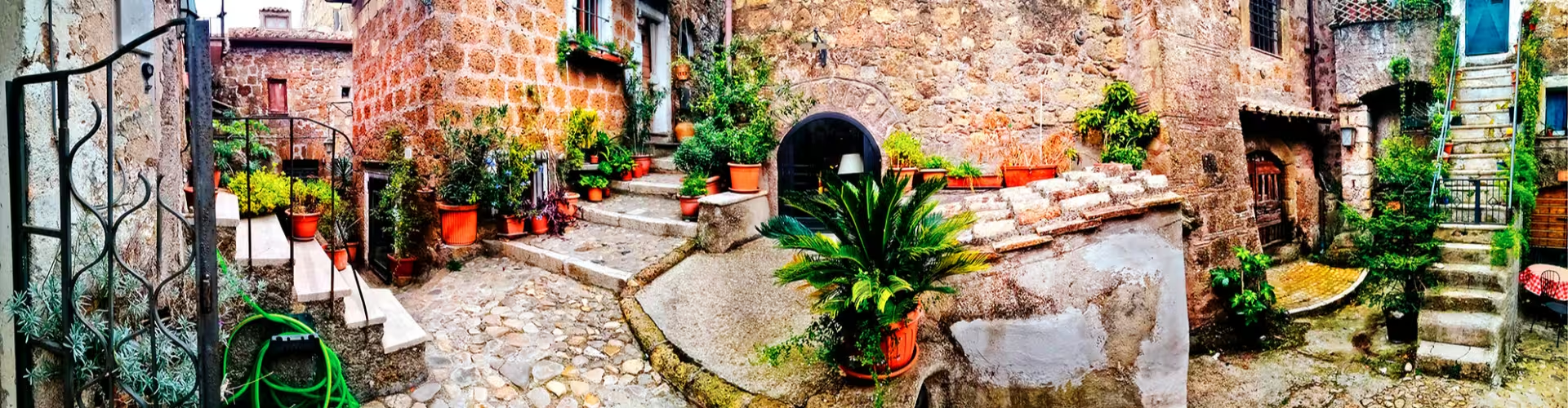
The town’s biggest draw is the experience of moving through its compact streets, where texture and mood do the storytelling. The slow reveal of small corners and viewpoints is the point, not a single headline monument. Practical tip, wear comfortable shoes and plan to explore without a strict route, since the most memorable moments often come from detours.
2) Seek out scenic viewpoints for photos
In a hill town, the horizon becomes part of the visit, and viewpoints help you understand why settlements here were shaped by terrain and visibility. Photos feel more rewarding when you pause and wait for changing light rather than snapping quickly. Practical tip, aim for softer light in the morning or late afternoon for more depth and less glare.
3) Enjoy a slow coffee or aperitivo stop
A good small town break is not about ticking boxes, it is about settling into the local rhythm and watching daily life pass by. This is also an easy way to reset your pace if you arrived from a busy city. Practical tip, choose a seat with a view or along a quiet lane, then give yourself enough time to actually slow down.
4) Make it a creative stroll
Places like Calcata often feel most alive when you treat the walk as a gallery of details, textures, doors, stonework, and small displays. Even without planning, you can build your own theme, like photographing arches or collecting color palettes. Practical tip, keep your phone or camera accessible and use a simple note to pin your favorite corners for a second pass.
5) Pair the visit with the Tuscia countryside vibe
The broader Province of Viterbo is associated with rural landscapes and small historic centers, which makes the town feel like part of a bigger, calmer itinerary. This context helps you appreciate the contrast with Rome and the appeal of northern Lazio. Practical tip, if you are road tripping, keep the schedule light so you can linger and avoid turning the day into a long drive.
6) Go for a mindful, low noise day
If your goal is restoration rather than constant stimulation, a small destination is ideal because the “activity” is simply walking, pausing, and noticing. That makes the day feel longer and more satisfying, even with minimal logistics. Practical tip, download offline maps before you arrive and keep notifications off so you can stay present.
7) Plan a golden hour loop
Hill towns can change character quickly as the light shifts, and a late day loop often delivers the most evocative atmosphere. You will notice how stone and warm tones intensify, and viewpoints become more dramatic. Practical tip, do a first orientation lap earlier, then repeat your favorite segment later for the best light.
8) Use Calcata as a base for nearby explorations
Even if the town itself is compact, it can anchor a short break that includes nearby destinations in Lazio and the Tuscia area. This approach reduces packing and unpacking while keeping your days varied. Practical tip, cluster day trips by direction so you spend less time in transit and more time on the ground.
🚶 Curated Itineraries
⏰ The Highlights (1 Day)
Arrive in the morning and start with a slow orientation walk through the historic lanes, using viewpoints to get your bearings. Build in a relaxed coffee stop, then continue wandering with a focus on details and photo spots rather than rushing. In the late afternoon, repeat a short loop to catch softer light, then finish with an aperitivo style pause before returning to your base.
⏰ Deep Dive (2-3 Days)
On day one, keep it simple, explore Calcata on foot, take notes of your favorite corners, and let the town set the pace. On day two, plan a countryside focused day in the wider Province of Viterbo, then return for a calmer evening stroll and a second round of viewpoints. If you add a third day, use it for a nearby day trip, keeping the schedule flexible so the trip still feels like an escape.
🍽️ Flavors of Calcata
Food in this part of Italy tends to reward simple choices and seasonal ingredients, and the best strategy is to order like a local and keep it unfussy.
- Pasta dishes, often the most reliable choice when you want something comforting and filling. Ordering tip, ask what is typical that day and choose the house suggestion.
- Local bread and olive oil, a simple pairing that highlights regional agricultural traditions. Ordering tip, request it as a starter to set a slow pace.
- Cheese and cured meats, ideal for sharing and for tasting a range of flavors without committing to a heavy meal. Ordering tip, ask for a mixed board and let the kitchen choose.
- Vegetable based sides, a good match for a lighter lunch when you plan to keep walking. Ordering tip, look for what is in season and avoid over ordering.
- Espresso, a quick ritual that fits perfectly between strolls. Ordering tip, drink it at the counter for a faster, more local rhythm.
- Wine by the glass, a natural fit for an aperitivo pause when you want to slow down. Ordering tip, ask for a regional pour to keep it connected to Lazio.
🚌 Navigation & Transport
Calcata is best experienced on foot once you arrive, because the charm is in short lanes, small corners, and viewpoint pauses. For getting in and out, plan around regional transport links from larger hubs, or use a car if you are combining multiple countryside stops. If you are walking a lot, choose stable shoes and take your time on uneven surfaces, since small historic centers often have stone paving and steps.
🌄 Beyond the Center: Day Trips
- Viterbo, a natural pairing within the Province of Viterbo for a deeper look at historic urban fabric and a fuller services hub. Travel time depends on your route and transport choice, so plan around your base.
- Rome, ideal if you want to contrast quiet countryside pacing with major sights, museums, and neighborhoods. Travel time varies, but it is commonly treated as the main gateway for international travelers.
- Northern Lazio countryside drives, best for viewpoints, small towns, and a slower food focused day. Travel time depends on your stops, so keep the plan light and flexible.
- Other Tuscia hill towns, a good option if you want to compare different historic centers and atmospheres in one trip. Travel time varies, so group stops by proximity.
✅ Insider Tips for Travelers
- Start early if you want quieter lanes and easier photos, then return later for softer light.
- Carry some cash for small purchases, and keep a card as backup.
- Pack comfortable walking shoes, historic centers often mean uneven paving and steps.
- Keep your itinerary loose, the best moments in Calcata come from unplanned detours.
- Download offline maps before you arrive, signal can vary outside larger hubs.
- If you are day tripping, build in buffer time for lingering at viewpoints and for a slow meal.
❓ Frequently Asked Questions, FAQ
How much time do I need for a visit?
A half day is enough for a first look, especially if you focus on walking and viewpoints. A full day feels more relaxed if you add a long meal and a second loop in better light.
Is Calcata better as a day trip or an overnight?
Calcata works well as a day trip if you are based in Rome or another nearby hub. An overnight is worth it if you want a slower pace and time for both morning and late afternoon atmosphere.
Do I need a car to get around?
Once you arrive, walking is the main way to explore because the historic lanes are compact. A car can help if you are combining multiple countryside stops across northern Lazio.
What is the best season for fewer crowds?
Spring and autumn usually balance comfortable walking weather with a calmer feel. Summer can be hotter and busier, while winter tends to be quieter but cooler.
Can I combine Calcata with other places in the Province of Viterbo?
Yes, it pairs naturally with other towns and countryside stops in the Province of Viterbo. Keep travel time flexible so the day still feels unhurried.
This guide to Calcata is written by Toursxplorer.com to help travelers plan an efficient, enjoyable visit with clear logistics, curated experiences, and practical itineraries. It focuses on decision support for timing, pacing, and combining Calcata with nearby destinations in the Province of Viterbo and wider Lazio.
Europe, Italy, Lazio, Province of Viterbo, Calcata