The Province of Viterbo unfolds across northern Lazio with medieval walled towns, volcanic lakes, steaming thermal springs, and quiet countryside dotted with vineyards and olive groves. Travelers come for stone-paved historic centers like Viterbo and Civita di Bagnoregio, for the warm waters of Terme dei Papi, and for uncrowded landscapes that feel worlds away from Rome. This guide highlights the Best things to do in Province of Viterbo so you can quickly decide what to see, how long to stay, and how to connect its main highlights into a smooth itinerary.
The Province of Viterbo lies in northern Lazio, in central Italy, just northwest of Rome and bordering Tuscany and Umbria. Rome is the primary gateway, with trains and buses linking the capital to Viterbo city, from where you can branch out to towns such as Civita di Bagnoregio, Bolsena, and Tarquinia.
Spring and autumn are generally the most comfortable seasons, with mild temperatures that suit walking through historic centers and countryside. Summer can be hot inland, although lake areas like Bolsena offer some relief, while winter is usually quieter and suits those focusing on hot springs and indoor sights.
Prices in the Province of Viterbo are often lower than in larger Italian cities, especially for meals and accommodation outside the very center of Viterbo or major tourist hotspots. Cards are widely accepted in towns, though it is useful to carry some cash for small village bars, local buses, and parking machines, and to look out for combined tickets at certain attractions or archaeological sites.
Explore the medieval heart of Viterbo
Viterbo’s walled historic center, with its narrow stone lanes and Palazzo dei Papi, is one of the best preserved medieval quarters in central Italy. Plan at least half a day to wander San Pellegrino district, visit churches and small squares, and pause at cafés tucked under ancient arches, especially if you are following a Province of Viterbo travel guide focused on history.
Soak in the hot waters of Terme dei Papi
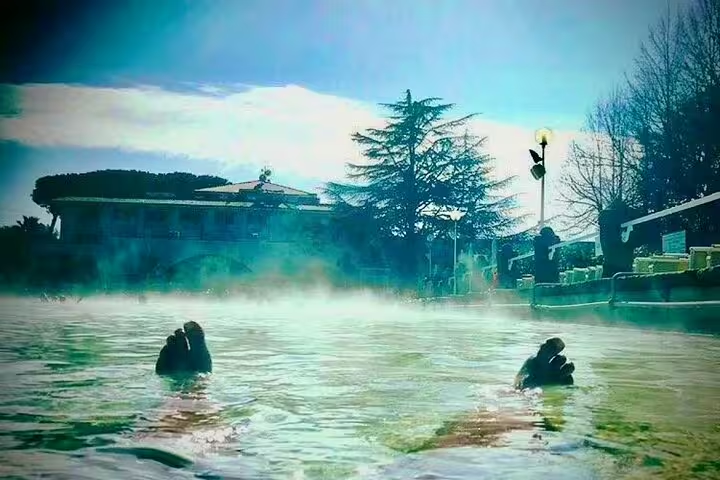
The famous thermal baths just outside Viterbo are known for large outdoor pools fed by natural hot springs that have been used since Etruscan and Roman times. They are a relaxing highlight among the Best things to do in Province of Viterbo, especially in cooler months when the steam rises visibly from the water.
Visit Civita di Bagnoregio, the “dying town”
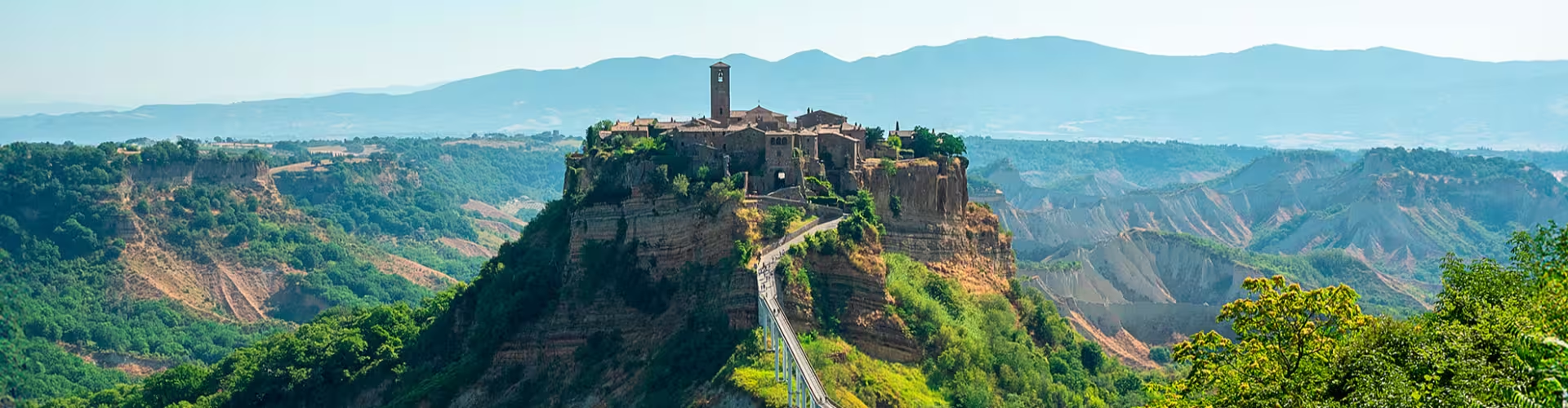
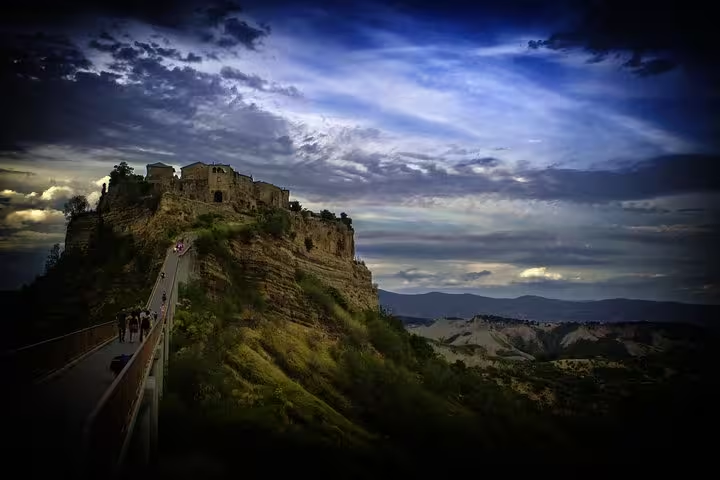
Civita di Bagnoregio sits on a fragile tuff hill reached by a pedestrian bridge, making it one of the most scenic spots in Lazio. A Civita di Bagnoregio day trip typically includes strolling its tiny alleys, taking in views over the Calanchi valley, and allowing time for photos along the approach walkway.
Enjoy Lake Bolsena and lakeside villages
Lake Bolsena, a volcanic lake with clear waters and gentle hills, offers swimming areas, boat trips, and lakeside promenades. For many visitors planning the Best things to do in Province of Viterbo, time in Bolsena town or Montefiascone adds a relaxed, outdoorsy contrast to stone hill towns and thermal baths.
Discover Etruscan heritage near Tarquinia and Tuscania
The southern part of the province preserves important Etruscan necropolises and ruins, especially around Tarquinia and Tuscania. If you are interested in archaeology and culture, including Etruscan sites in Viterbo in your itinerary brings depth beyond medieval churches and Renaissance palaces.
Stroll through gardens and villas in the countryside
The province is dotted with historic villas and gardens, such as Renaissance estates and landscaped parks that showcase fountains, sculptures, and carefully planned greenery. These stops suit travelers seeking quieter Lazio countryside tours that combine architecture, nature, and photography.
Wander the lanes of small medieval villages
Beyond the main city, towns such as Montefiascone, Vetralla, and Sutri offer stone houses, viewpoints, and local cafés with few crowds. For many, seeking out medieval villages in Viterbo is a way to experience everyday life, sample local food and wine, and enjoy slower rhythms than in large urban centers.
Sample local food and wine experiences
From rustic trattorias in Viterbo to agriturismi in the countryside, the province is known for dishes based on olive oil, seasonal vegetables, and meats, paired with local wines. Travelers interested in food and wine in Viterbo can look for tasting menus, winery visits, and farm stays that emphasize short supply chains and traditional recipes.
Plan a relaxed Viterbo weekend itinerary
Combining the city of Viterbo, one hot springs visit, and a short excursion to a nearby village or lake makes a realistic Viterbo weekend itinerary. This rhythm allows time for unhurried walks, café breaks, and evening strolls in illuminated streets without packing the schedule too tightly.
Begin your day inside Viterbo’s medieval walls, focusing on the San Pellegrino district, the cathedral area, and the Palazzo dei Papi, allowing time to step into smaller churches and viewpoints. After lunch in a traditional trattoria, spend the afternoon at Terme dei Papi or another nearby thermal area, then return to the historic center for a gentle evening passeggiata and dinner, a simple structure that already touches several of the Best things to do in Province of Viterbo.
On day one, follow the one day plan with extra time for museums or a slower visit to the thermal baths. On day two, dedicate the morning and early afternoon to a Civita di Bagnoregio day trip, then, time permitting, make a brief stop in nearby villages on your way back, choosing according to your interests in viewpoints, wine, or small town life.
With three days, you can combine city, lakes, and archaeology in a balanced way. Keep the first two days as above, then spend the third day at Lake Bolsena for walking, boat trips, or lakeside relaxation, or head toward Tarquinia and Tuscania to focus on Etruscan sites in Viterbo, depending on whether nature or history feels more compelling for your group.
Look for rustic pasta dishes such as pappardelle with wild boar or porcini mushrooms, often found in traditional restaurants in Viterbo and surrounding villages. Grilled meats and game feature on many menus, frequently accompanied by side dishes of local beans, greens, and potatoes cooked in olive oil.
Lake areas like Bolsena are good places to try freshwater fish prepared simply with herbs and citrus. In the countryside, agriturismi often serve seasonal vegetables from their own gardens, cured meats, and cheeses that reflect the agricultural traditions of northern Lazio.
Wines from Montefiascone and nearby zones pair well with local dishes, and tastings may be available at wineries or specialized bars. Olive oil is another regional strength, so consider buying a small bottle to take home after sampling it with bread at meals.
For something sweet, bakeries and cafés in the Province of Viterbo offer biscuits, tarts, and pastries based on nuts, honey, and seasonal fruit. Coffee culture is strong, so a quick espresso at the bar counter is an everyday ritual you can easily adopt between sightseeing stops.
The main transport hub is Viterbo city, which has train and bus connections with Rome and other towns in Lazio. Within the province, regional buses link many villages, though schedules can be limited, so travelers who want to combine multiple Viterbo attractions in a short time often find a rental car more flexible.
Historic centers are generally compact and walkable, with stone streets that may be uneven, so comfortable footwear is useful. Some hill towns and Civita di Bagnoregio involve inclines or stairways, which can affect accessibility, and parking is often located outside walls with a short walk into the center.
Driving between sights such as Lake Bolsena, Tarquinia, and the thermal baths is straightforward, though you should allow extra time for narrow rural roads and potential ZTL restricted zones in historic centers. At night, services are reduced, so if you rely on public transport, planning your return connections in advance helps keep the day relaxed and predictable.
Civita di Bagnoregio
From Viterbo, reaching Civita di Bagnoregio typically takes under an hour by car, or longer by bus with a change. It is one of the most iconic Viterbo attractions, with its bridge, viewpoints, and atmospheric alleys well worth a half day or more.
Lake Bolsena
Lake Bolsena is a straightforward excursion that can fill a full day with walks, swimming, or boat rides, especially in warmer months. Towns along the shore provide cafés and restaurants, making it easy to combine light activity with long lakeside meals.
Tarquinia and Tuscania
Heading south from Viterbo, Tarquinia and Tuscania offer a mix of Etruscan sites, medieval architecture, and countryside views. This pairing suits travelers who want to go beyond the Best things to do in Province of Viterbo focused solely on hot springs and lakes, and instead emphasize archaeology and historic churches.
Montefiascone and wine country
Montefiascone, perched above Lake Bolsena, combines scenic views with wine traditions that appeal to those planning food and wine in Viterbo. A day here can include cellar visits, tastings, and a leisurely lunch overlooking the lake and surrounding hills.
Two to three days allow enough time to cover several of the Best things to do in Province of Viterbo, including the city, a thermal bath, and one or two nearby towns. Shorter visits are possible, but you will need to focus on just a few key sights.
Reaching Civita di Bagnoregio from Viterbo is feasible as a day trip, especially by car. Public transport is more limited, so if you rely on buses, it is important to check schedules and plan around available departure and return times.
Some thermal baths and popular sites may require or recommend advance booking during busy periods, but policies can vary and should be checked close to your travel dates. For a smoother experience with the Best things to do in Province of Viterbo, reserving ahead for weekends and holidays is often sensible.
Weather in the Province of Viterbo generally follows central Italian patterns, with warm summers and cooler winters, but local conditions can differ between lakes, hills, and inland towns. Since exact forecasts change, it is best to consult up to date information shortly before your trip and adjust clothing and activities accordingly.
In larger towns and more visited areas, some staff in hotels, restaurants, and attractions may speak basic English, although this is not guaranteed everywhere. Learning a few Italian phrases and carrying written details of your plans can make it easier to navigate transport, menus, and small village services while following a Province of Viterbo travel guide.