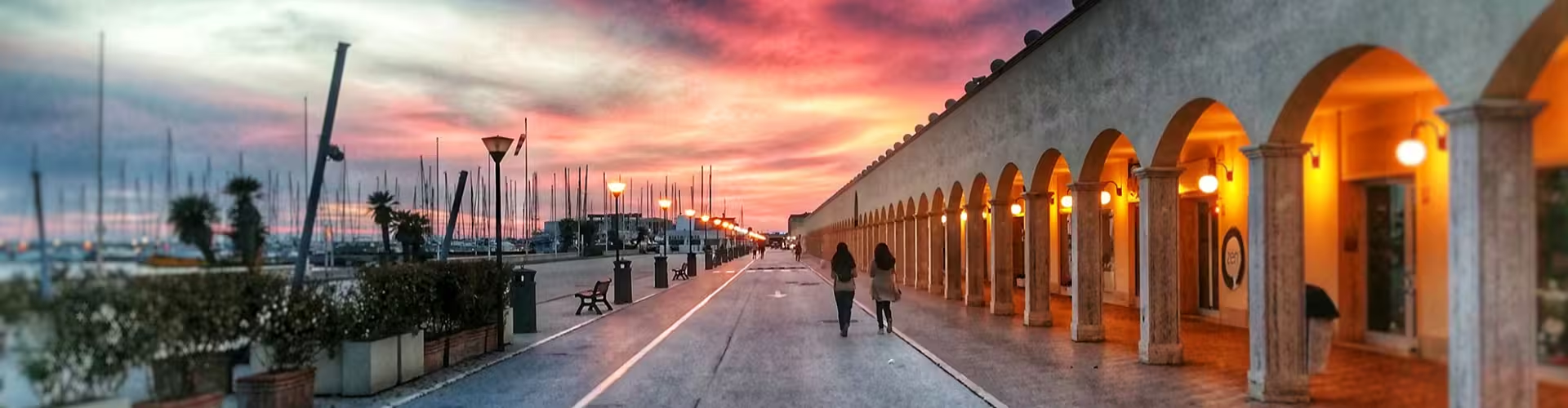
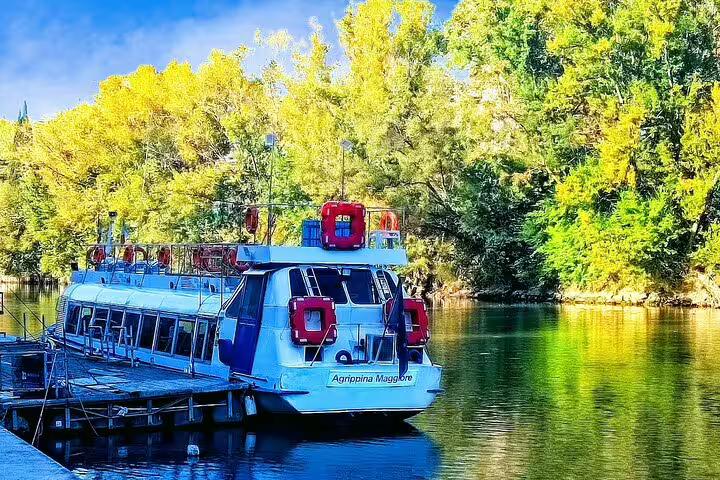
Ostia travel guide planning is all about pairing Rome’s legendary history with a breezy, salt air escape on the Tyrrhenian coast. Ostia’s signature vibe mixes beachy promenades, everyday Roman life, and one of Italy’s most important archaeological landscapes just minutes away. Go now if you want a destination that feels both close to the capital and refreshingly different, especially for travelers who like to balance culture, seafood, and shoreline downtime.
Ostia sits on the coast southwest of central Rome, within the wider Lazio region of Italy. It is closely linked to the city through commuter rail and road connections, which makes it an easy add on to a Rome itinerary. For most international visitors, the main gateways are Rome’s airports and rail hubs, then you connect onward toward the coast for a day trip or an overnight stay.
Ostia is most popular in warmer months when beach time and outdoor dining feel effortless, and the sea breeze makes afternoons comfortable. Cooler months shift the focus toward archaeology, long walks, and a quieter local rhythm, with fewer crowds along the waterfront. Shoulder season can be a sweet spot, you can combine comfortable sightseeing with a more relaxed pace, especially if you are also visiting Rome.
Italy uses the euro, and Ostia generally follows Rome level pricing patterns, with some meals and everyday services feeling more local than central tourist zones. Carry a small amount of cash for small purchases, but expect cards to be widely used for restaurants and standard transactions. If you are day tripping, budget for transport, a sit down seafood meal, and any museum or site admissions you plan to include.
1) Explore Ostia Antica
This is the headline experience for many travelers, an expansive ancient port city where mosaics, streets, and ruins help you picture daily life in the Roman world. It matters because it adds depth to a Rome trip, you see how trade, travel, and ordinary living worked beyond the monumental center. Practical tip, arrive early for cooler temperatures and calmer paths, and wear shoes with good grip for uneven stone.
2) Spend time at the beach in Lido di Ostia
The shoreline is where Ostia shifts from history to holiday mode, with long stretches that invite swimming, sunbathing, and people watching. It matters because it is one of the most accessible coastal breaks from Rome, ideal when you want sea air without a long transfer. Practical tip, go later in the day for softer light and a more relaxed atmosphere after peak midday sun.
3) Walk the seafront promenade
A promenade stroll is a simple way to understand the area’s tempo, families, joggers, and café stops create a lived in coastal feel. It matters because it is free, flexible, and easy to fit between meals or museum time. Practical tip, bring a light layer for breezy evenings even when daytime feels warm.
4) Plan a seafood focused meal
Coastal Lazio is at its best when you lean into fish and shellfish, with simple preparations that let ingredients shine. It matters because food is part of the destination identity, and seaside dining is a core Ostia pleasure. Practical tip, ask what is fresh today, and choose seasonal specials rather than forcing a specific dish.
5) Add Ostia to your Rome itinerary as a reset day
After intense museum days and city walking, Ostia offers a change of scenery that can make the rest of your trip feel easier. It matters because pacing is a hidden travel skill, a well placed coastal day can prevent burnout. Practical tip, keep your schedule light, pick one major activity plus a long lunch, then let the rest be flexible.
6) Photograph mosaics and ancient textures
Whether you are in archaeological areas or along older streets, Ostia rewards slow looking, stone patterns, weathered surfaces, and coastal light. It matters because these details tell the story better than quick snapshots, and they create a distinctive photo set compared to central Rome. Practical tip, shoot in the morning or late afternoon to avoid harsh contrast and to bring out texture.
7) Choose a sunset moment by the water
The coast changes character at golden hour, with warmer tones and a calmer feel that suits couples, solo travelers, and families alike. It matters because it is a memorable, low effort highlight that often becomes the trip’s emotional peak. Practical tip, time dinner after sunset so you can linger outside without rushing.
8) Build a flexible day trip plan from Rome
Ostia works well as a day trip, you can combine ancient ruins and the sea in one loop. It matters because it delivers variety without complicated logistics, especially for first time visitors to Lazio. Practical tip, decide in advance whether your priority is archaeology or beach time, then structure your day around that choice.
Start with the morning focused on Ostia Antica, when temperatures are typically more comfortable and the site feels quieter. After a few hours, transition to Lido di Ostia for lunch with seafood and a relaxed promenade walk. Finish with beach time or a sunset pause by the water, then head back toward Rome with enough energy left for an evening plan.
Day one, dedicate a full, unhurried block to archaeology and photography, then enjoy a coastal dinner. Day two, slow down with beach time, café stops, and a longer waterfront walk, treat it as a recovery day from Rome’s intensity. If you have a third day, keep it flexible for a nearby excursion, or revisit your favorite area at a different time of day to experience a new mood.
Spaghetti alle vongole, briny clams with garlic and olive oil, is a classic coastal pasta that tastes like the sea without feeling heavy. Ordering tip, ask if the clams are local and freshly prepared.
Fritto misto di mare, mixed fried seafood, is crisp, salty, and best eaten hot. Ordering tip, share it as an antipasto so it arrives at the table at peak crunch.
Grilled fish of the day, simply seasoned and cooked, is a reliable choice when you want clean flavors. Ordering tip, ask what is freshest and let that guide your selection.
Insalata di mare, a chilled seafood salad, is bright and lemony with a tender bite. Ordering tip, choose it at lunch for a lighter meal before beach time.
Suppli, Roman style rice croquettes, bring a familiar Rome snack into a coastal day. Ordering tip, grab one for the trip if you are moving between sites.
Gelato, creamy and refreshing, is an easy seaside ritual after a walk. Ordering tip, pick one classic flavor and one seasonal option for the best contrast.
Ostia is practical for travelers because you can combine walking with public transport connections from Rome, then move around locally on foot once you arrive. For a day built around the beach and promenade, walking is often enough, especially if you plan your stops in a compact area. If your day includes both ruins and the sea, map your route in advance so you minimize backtracking and keep transitions smooth. As in any busy destination near a major city, keep an eye on personal belongings in crowded transit areas and carry only what you need for the day.
Rome, short travel time, is the obvious pairing for Ostia, ideal for museums, iconic landmarks, and evening culture after a coastal day. Primary reason to visit, world class history and art with endless neighborhood variety.
Tivoli, a feasible day trip from Rome, is known for villa culture and landscaped grounds. Primary reason to visit, a change of scenery with garden focused sightseeing.
Castel Gandolfo and the Alban Hills, within reach from Rome, offers a cooler hill town feel compared to the coast. Primary reason to visit, lake views and a slower pace.
Frascati, a classic Lazio escape, is associated with local wine and easygoing meals. Primary reason to visit, a food and drink focused outing with a small town atmosphere.
Yes, it is one of the easiest coastal escapes from the capital, especially if you want to combine history and sea air in one day. Plan one main focus, ruins or beach, then add the other as time allows.
Ostia often refers to the modern coastal area, including Lido di Ostia and the waterfront. Ostia Antica refers to the archaeological area connected to the ancient port city.
Shoulder season and cooler months can feel calmer, especially along the promenade and at popular dining spots. Warmer months bring a livelier beach scene and more visitors.
Many travelers can cover the essentials in one day by combining Ostia travel guide highlights like Ostia Antica and the seafront. Two to three days is ideal if you want slower beach time and a more local pace.
It is strong for both, and that is the point, you can pair Roman era archaeology with an easy coastal break. A well planned Ostia travel guide day balances one focused cultural block with unstructured time by the water.