Frascati

logoBlack

Build your dream
experience

dreamimg

More to know about Frascati

Frascati Travel Guide


Snapshot

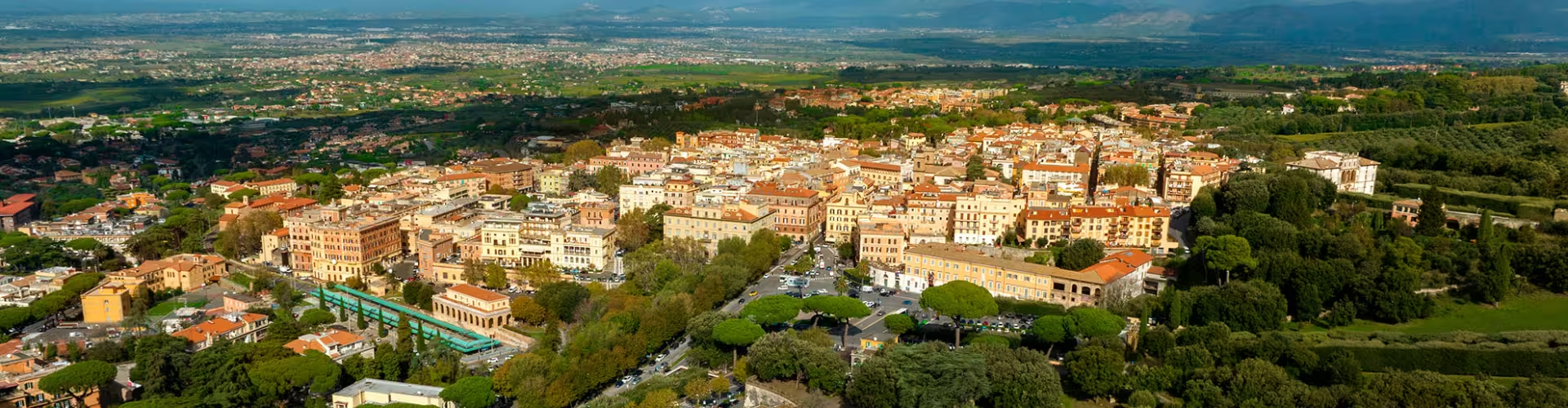
Frascati is a classic hill town on the edge of Rome that blends villa culture, vineyard landscapes, and an easygoing piazza rhythm that feels distinctly local. Come for the fresh air of the Castelli Romani, the golden-hour views over the Roman countryside, and the food-and-wine tradition that still shapes daily life. It is an ideal choice when you want Rome’s art and history nearby, plus a calmer base for slow meals and scenic walks.


🗺️ Geography and Logistics

📍 Orientation: Where is it within Province of Rome and Italy? Name key gateway airports or hubs.

Frascati sits in Lazio within the Province of Rome, in the Castelli Romani area of volcanic hills southeast of the capital. The most practical gateway is Rome, using the city’s major airports and central rail hubs as your launch point for a quick hop into the hills. Think of the town as a Rome-adjacent escape, close enough for day trips, yet far enough to feel like a different pace.

🕒 When to Go: Seasonal breakdown. Weather patterns vs. crowd levels.

Spring and early autumn generally deliver the most comfortable sightseeing conditions, with mild temperatures that suit walking between villas, viewpoints, and café terraces. Summer can feel busier and warmer, especially when travelers combine Rome with nearby hill towns, so plan earlier starts and longer midday breaks. Winter is typically quieter, which can be a plus if you prioritize a relaxed atmosphere and do not mind shorter daylight hours.

💰 Budget & Currency: Practical money tips, local price levels, and card vs. cash advice.

Italy uses the euro, and you can expect a mix of card-friendly businesses and places that still appreciate cash for small purchases. Carry a little cash for quick snacks, market-style buys, and short café stops, then use cards for larger meals and accommodation. For budgeting, treat Frascati as a value-friendly alternative to central Rome, where you may find a more local feel around food and drink without the same intensity of tourist pricing.


⭐ Essential Things to Do

Note: This list focuses on high-impact experiences that match the town’s identity, villas, views, and food and wine culture, while keeping plans flexible.

1) Piazza Time and People Watching
The heart of Frascati is best understood at street level, with locals meeting for coffee, families strolling, and friends gathering before dinner. This is where you absorb the town’s tempo and decide what kind of day you want, museum-focused, scenic, or food-led.
Practical tip: Go twice, once in the late morning for café energy, and again at evening passeggiata time for a more social vibe.

2) Villa Culture and Garden Atmosphere
The Castelli Romani is known for noble villas and landscaped grounds that reflect centuries of leisure, politics, and countryside retreat culture connected to Rome. Even without a rigid checklist, prioritizing a villa-focused walk helps you understand why this area became a prestige address outside the city.
Practical tip: Plan a slower pace and comfortable shoes, villa areas reward unhurried wandering and photo stops.

3) Panoramic Viewpoints over the Roman Countryside
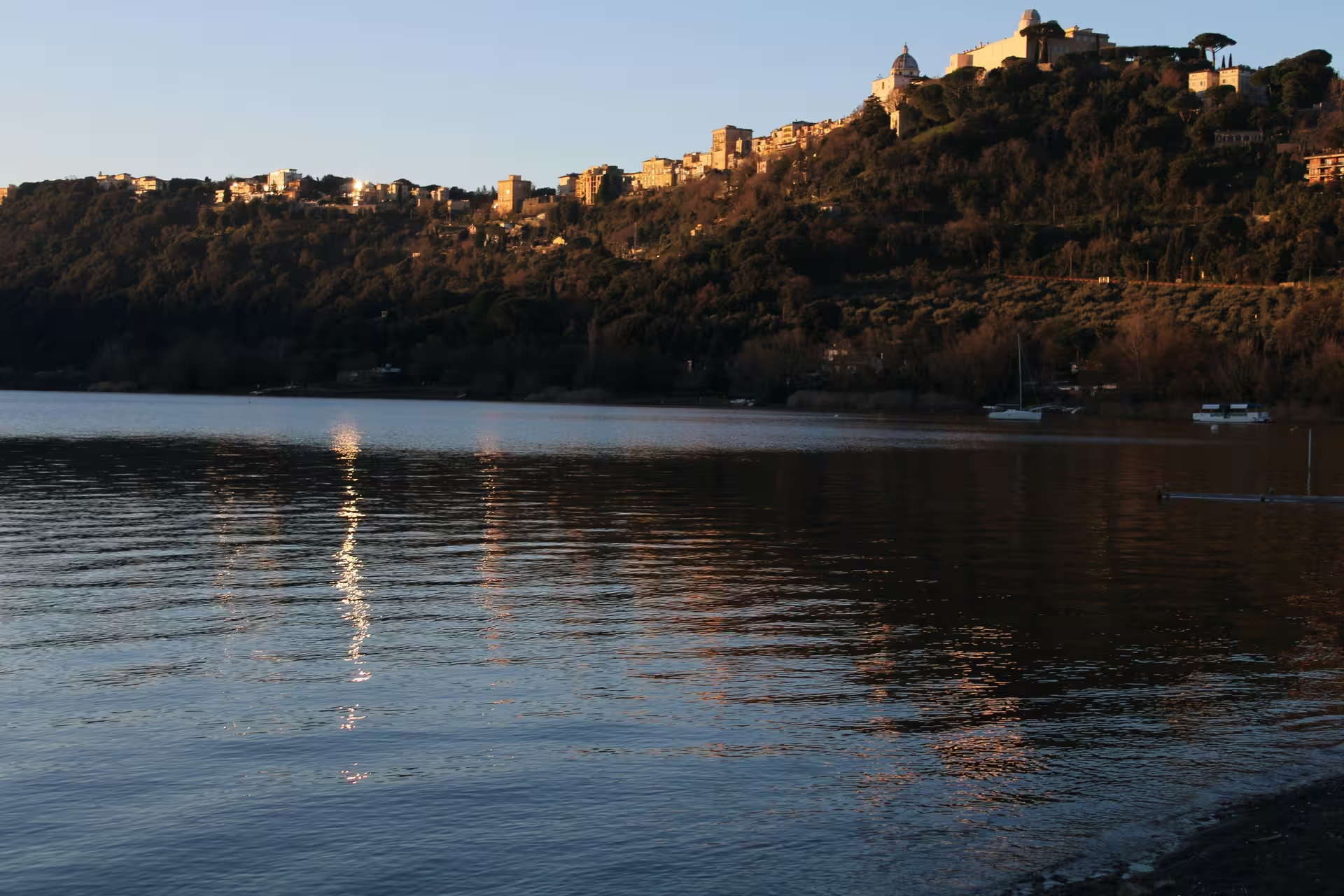
Hill towns earn their reputation in the moments when the landscape opens up, and Frascati delivers that classic Lazio perspective. Views connect the dots between volcanic hills, vineyard patterns, and the broader Roman plain.
Practical tip: Aim for late afternoon light for softer photos and a cooler walk.

4) A Food and Wine Focused Lunch
This is a town where a meal is not a pit stop, it is the main event, shaped by regional produce and long-standing wine traditions. A dedicated lunch anchors your day and helps you experience the difference between Rome’s fast sightseeing meals and a more local, leisurely table.
Practical tip: Choose a place with outdoor seating if weather allows, and keep your schedule open afterward.

5) Explore the Castelli Romani Feel
The surrounding area is part of the identity of Frascati, and even short walks can bring you into a greener, more spacious setting than central Rome. This wider context explains the town’s reputation as an easy escape for city residents.
Practical tip: Pack a light layer, hill towns can feel cooler than the city, especially in the evening.

6) An Aperitivo with Local Character
Early evening is when the town feels most cinematic, with people gathering before dinner and terraces filling up. Aperitivo is a simple ritual that helps you slow down and enjoy the social side of Lazio.
Practical tip: Arrive a bit earlier to choose a good table, then linger as the light changes.

7) A Rome-Plus Day Plan
Many travelers use Frascati as a strategic complement to Rome, pairing big-ticket sights in the city with calmer evenings in the hills. This balance can reduce fatigue and make your overall trip feel more livable.
Practical tip: Put your most demanding Rome sightseeing in the morning, then shift to a relaxed dinner back in town.

8) Slow Shopping for Edible Souvenirs
Rather than focusing on generic souvenirs, look for food items that reflect the area’s pantry and wine culture. This supports local businesses and gives you a practical memory to take home.
Practical tip: Buy toward the end of your stay so you do not carry items all day.


🚶 Curated Itineraries

⏰ The Highlights (1 Day): A fast-paced “Best Of” route.

Start with a morning coffee in the central piazza, then walk a villa-leaning route that lets you feel the town’s elegant, residential side. Midday, commit to a proper lunch centered on local flavors and a relaxed rhythm. In the afternoon, prioritize viewpoints and a scenic stroll for countryside perspectives, then finish with aperitivo and an unhurried dinner to experience Frascati at its most social.

⏰ Deep Dive (2-3 Days): Adding neighborhood exploration and local secrets.

On day one, follow the one-day highlights but keep extra time for wandering, you want to learn the town’s micro-geography and favorite streets. Day two, lean into the Castelli Romani context with longer walks, a slower lunch, and a second golden-hour viewpoint session to see how the light reshapes the landscape. If you have a third day, use it as a flexible buffer for a Rome day trip, a nearby hill town, or simply repeating your favorite café and terrace spots, repetition is part of what makes Frascati feel personal.


🍽️ Flavors of Frascati

Food here tends to be straightforward, seasonal, and built for sharing, with a strong connection to Lazio traditions and the broader Roman table.

  • Local white wine culture, typically crisp and refreshing, designed for long lunches and aperitivo.
    Ordering tip: Ask what is local and currently poured by the glass if you want a simple, budget-friendly tasting.
  • Roman-style pasta classics, rich, peppery, or cheese-forward depending on the sauce.
    Ordering tip: If you are choosing more than one pasta, split between the table so you can compare styles.
  • Porchetta-style flavors, savory, aromatic, and satisfying, often associated with the wider Castelli Romani area.
    Ordering tip: Go earlier in the day for the best selection if you see it offered in a casual setting.
  • Seasonal vegetables, often prepared simply to highlight olive oil, herbs, and freshness.
    Ordering tip: Ask for what is in season, it is usually the most reliable choice.
  • Cheese and cured meats, a natural match with local wine and a relaxed terrace.
    Ordering tip: Order a mixed board to sample variety without overthinking.
  • Simple desserts, often focused on comfort rather than elaborate presentation.
    Ordering tip: If you are full, consider sharing one dessert and pairing it with coffee.

🚌 Navigation & Transport

Frascati is well-suited to walking, especially if your plan centers on the piazza, viewpoints, and a slow sequence of meals and strolls. For longer distances or if you are linking the town with Rome, rely on regional transport connections through Rome’s rail and transit network, then finish on foot once you arrive. If you have mobility considerations, build in extra time for slopes and uneven surfaces typical of hill towns, and prioritize routes that minimize steep climbs.


🌄 Beyond the Center: Day Trips

  • Rome, short travel time, for world-class art, ancient history, and major landmarks, then return to the calmer evening atmosphere of Frascati.
  • Castelli Romani hill towns, quick hops, for a broader taste of volcanic landscapes, local food traditions, and small-town piazza life.
  • Lazio countryside viewpoints, short travel time, for scenic walks and photo-friendly panoramas over the Roman plain.
  • Province of Rome day escapes, variable travel time, for a change of pace from the city, with more green space and a slower dining rhythm.

✅ Insider Tips for Travelers

  • Build your day around light, late afternoon is ideal for viewpoints and photos.
  • Keep meal times flexible, the best experiences often come from lingering rather than rushing.
  • Carry a small amount of cash for quick café stops and small purchases.
  • Pack comfortable shoes, hill-town walking can include slopes and uneven paving.
  • If you are pairing Rome and Frascati, schedule intense sightseeing in the city earlier, then save evenings for relaxed dining in town.
  • For a calmer experience, prioritize spring or early autumn when walking conditions are more comfortable.

❓ Frequently Asked Questions, FAQ

Is Frascati a good base for visiting Rome?
Yes, it can work well if you want major Rome sights during the day and a quieter atmosphere in the evenings. Plan your transit early so you can return for dinner without feeling rushed.

How many days do you need in Frascati?
One day covers the highlights like piazza time, viewpoints, and a long lunch. Two to three days lets you slow down and add Castelli Romani exploration without packing your schedule.

What is the best season for walking and viewpoints?
Spring and early autumn are typically the most comfortable for longer walks and terrace dining. Summer can be warmer and busier, so earlier starts help.

Do I need cash, or can I pay by card?
Cards are widely useful, but carrying some cash is smart for small café purchases and quick snacks. This keeps payments easy when you are moving between stops.

What is the easiest way to get around Frascati?
Frascati is compact enough that walking covers most visitor needs, especially around the center and scenic areas. If you are arriving from Rome or connecting to nearby towns, use regional transport and then continue on foot.