Fiumicino is more than Rome’s gateway, it is a coastal town where seafood culture, riverfront strolls, and wide-open skies set a calmer pace than the capital. Come for the easy logistics around the airport, then stay for the marina vibe, beach time, and a food scene shaped by the sea and the Tiber’s meeting point. It is a smart add-on to a Rome itinerary when you want fresh air, local flavor, and a less crowded slice of Lazio.
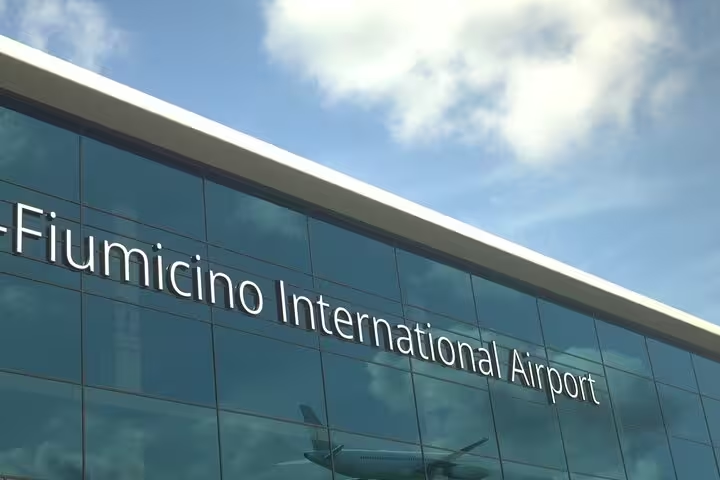
Fiumicino sits on the Tyrrhenian Sea in the Lazio region, within the Province of Rome, where the Tiber River approaches the coast. It is closely tied to Rome’s travel network because it hosts the main international hub, Leonardo da Vinci Airport, often referred to as Fiumicino Airport. This makes it an ideal base for a short stopover, a first or last night in Italy, or a coastal break paired with Rome’s historic center.
Expect a classic Mediterranean pattern, with warmer months drawing more beachgoers and a livelier waterfront atmosphere. Cooler seasons tend to feel quieter and more local, which can be appealing if your priority is dining, walking, and day trips rather than swimming. If you are timing your visit around flights, Fiumicino works well year-round because the main appeal is convenience plus coastal character.
Italy uses the euro, and you will generally find card payments widely accepted, especially in transport-linked areas and established restaurants. Carry a small amount of cash for quick purchases, small cafés, and incidentals, particularly if you are moving between the waterfront and smaller streets. For budgeting, plan for typical Lazio costs, with the best value often coming from simple, seafood-forward meals and choosing lodging based on your airport or beach priorities.
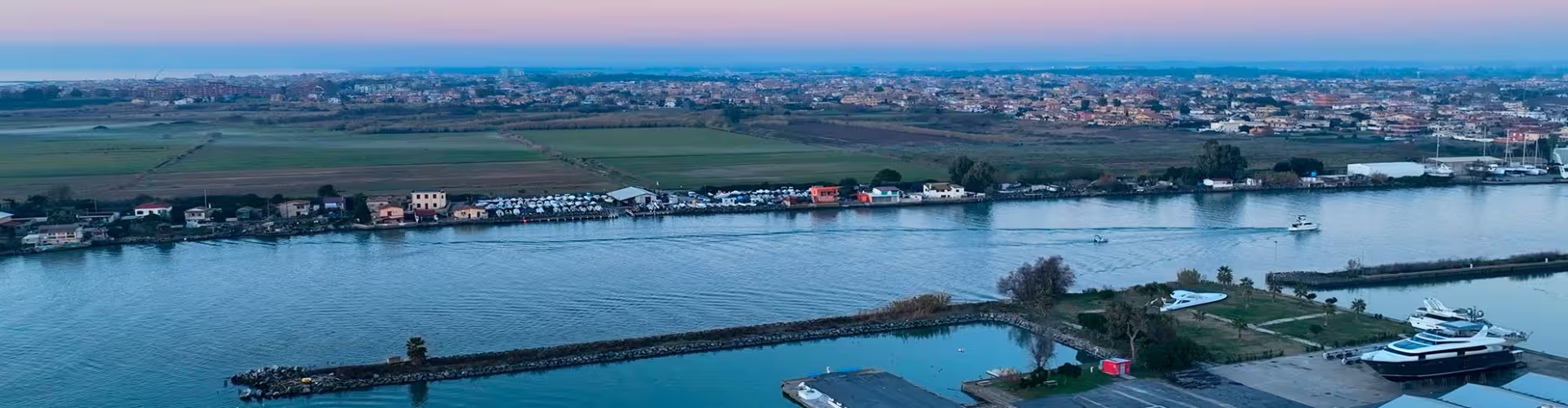
Riverfront and Marina Walk. The signature feel of Fiumicino is its waterfront energy, where boats, sea air, and promenade life create a relaxed rhythm. Walking here helps you understand the town’s identity as a working coastal community, not just an airport name. Practical tip, go in the late afternoon for softer light and an easy transition into dinner.
Seafood Dining Experience. This is one of the most compelling reasons to spend time in Fiumicino, because the town’s reputation is strongly connected to the sea. A meal here is not just food, it is a direct link to local livelihoods and traditions shaped by the coast. Practical tip, choose a place that highlights the catch of the day and ask what is freshest.
Beach Time on the Tyrrhenian Coast. The coastline gives you a simple, restorative break from Rome’s urban intensity. Even a short beach visit can reset your itinerary, especially if you are arriving from a long flight into Fiumicino Airport. Practical tip, pack a light layer, coastal breezes can make the temperature feel cooler than expected.
Sunset Photos by the Water. The open horizon and reflective surfaces around the river mouth and marina make golden hour especially photogenic. This is a low-effort highlight that suits almost any schedule, including a quick overnight in Fiumicino. Practical tip, arrive a bit early to scout angles and avoid rushing between dinner reservations.
Local Market Style Browsing. Even without naming specific market days or locations, browsing for local produce and regional staples is a good way to connect with everyday life in Lazio. It is also a practical strategy for travelers who want picnic supplies or simple snacks between flights and sightseeing. Practical tip, keep small cash handy for quick purchases.
Airport-Adjacent Overnight Reset. Many travelers treat Fiumicino as a functional stop, but you can turn it into a comfortable reset with a seaside meal and a walk. This is especially valuable if you have an early departure or a late arrival at Fiumicino Airport. Practical tip, choose lodging based on your priority, quick airport access or a more scenic waterfront stay.
Rome Link-Up Day. Fiumicino works as a strategic base for combining coastal calm with big-ticket sightseeing in Rome. You can keep your bags in one place, enjoy the sea in the evening, and focus on monuments and museums during the day. Practical tip, start early to maximize daylight and reduce the stress of return timing.
Slow Travel Coffee and People Watching. Coastal towns reward unstructured time, and Fiumicino is no exception. Sitting with a coffee helps you observe local routines, fishermen’s rhythms, and the pace of the promenade. Practical tip, pick a seat with a view of foot traffic, then let the town come to you.
Start with a relaxed waterfront walk to get oriented and identify where you want to eat later. Spend midday on the coast for beach time and a simple lunch, keeping the schedule flexible if you are arriving or departing via Fiumicino Airport. Finish with sunset by the marina and a seafood-focused dinner, which is the most satisfying way to understand the town’s identity in a single day.
On day one, focus on the marina and riverfront, then dedicate the evening to a longer meal that highlights local seafood. On day two, build in beach time and slower café breaks, using the quieter pace to recover from Rome or international travel. If you have a third day, use Fiumicino as a base for nearby exploration, keeping your return simple so you can still enjoy an unhurried dinner by the water.
Grilled Fish. Expect clean, sea-forward flavors with simple seasoning that lets freshness carry the dish. Ordering tip, ask what fish is best today and choose grilled if you want a straightforward taste of the coast.
Fried Seafood. Lightly crisp textures pair well with lemon and a casual, seaside atmosphere. Ordering tip, look for mixed options if you want variety without committing to one type.
Seafood Pasta. Pasta with shellfish or mixed seafood leans briny and aromatic, often finished with herbs and olive oil. Ordering tip, ask whether it is tomato-based or white, then choose based on whether you prefer brighter acidity or pure sea flavor.
Shellfish. Mussels, clams, and similar dishes are a natural fit for a coastal town. Ordering tip, share as a starter so you can still enjoy a main course without over-ordering.
Simple Coastal Antipasti. Small plates can include seafood-focused bites that set the tone for the meal. Ordering tip, order a couple to share, then decide on a main after you see portion sizes.
Italian Coffee Culture. A quick espresso break fits naturally into a walking day and helps structure your itinerary between the waterfront and transport connections. Ordering tip, keep it simple at the bar if you are in a hurry, and sit down if you want a slower pause.
Fiumicino is easy to navigate on foot in the waterfront areas, especially if your plan revolves around dining, strolling, and beach time. For longer distances, rely on the broader Rome transport ecosystem and airport-linked options, which are designed for travelers moving between the coast and the city. Ride-hailing and taxis can be useful for tight schedules, particularly with luggage or early departures, but always build in buffer time around flights and peak travel periods.
For safety and comfort, keep valuables secure in busy transit moments and stay aware of traffic when walking near main roads. If accessibility is a concern, prioritize accommodations and routes that minimize uneven surfaces, and plan shorter walking loops that still deliver the marina atmosphere.
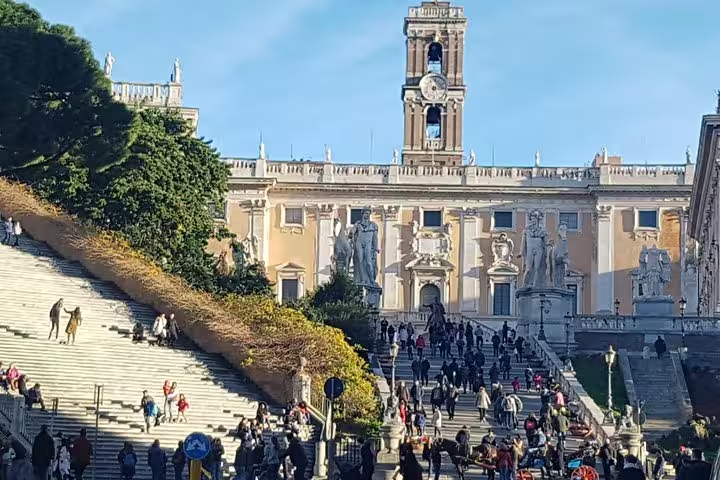
Rome. Travel time varies by route and traffic, but the reason is clear, world-class history, art, and iconic neighborhoods. It is the easiest high-impact pairing with Fiumicino, letting you balance intense sightseeing with calm evenings by the sea.
Ostia. A nearby coastal area that complements Fiumicino with more seaside options and a different local feel. It is a practical choice when you want more coastline without committing to a long journey.
Lazio Countryside. Short trips inland can shift the scenery from sea air to rural landscapes and slower-paced towns. This is ideal if you want variety after several days of coastal and city environments.
Rome’s Surrounding Areas. The Province of Rome offers multiple directions for exploration, depending on your interests in nature, small towns, or scenic drives. Use Fiumicino as a base if you prefer returning to the coast at night.
Fiumicino is in the Province of Rome and is closely connected to the city through the main airport and regional transport links. It works well as a base for day trips into Rome, especially if you want calmer evenings by the coast.
No, the town has its own appeal centered on the marina atmosphere, the coastline, and a seafood-driven dining culture. Even a short overnight can feel like a mini coastal break.
Late afternoon into evening is ideal because the light is softer and the promenade feels more atmospheric. It also sets you up perfectly for dinner without needing extra transport.
It depends on your flight schedule and how much buffer time you can safely keep for transfers and security. If you have enough time, a short coastal walk can deliver the seaside feel even without a full beach session.
Prioritize a waterfront walk and a seafood dinner to experience the local identity beyond transit. If timing allows, add sunset views to make the evening feel special without adding complexity.