Civitavecchia travel guide readers usually arrive with one big question, is this port city just a cruise stop, or is it a destination worth your time. The answer depends on what you want, a seaside Italian town with Roman roots, working harbor energy, and quick access to Lazio’s headline sights. Go now if you want an easy base for the Rome region with a calmer pace, plus waterfront walks and local seafood culture between transfers.
Civitavecchia sits on the Tyrrhenian Sea in the Lazio region, northwest of Rome, and it is best known as a major passenger port. It works as a gateway for both cruise travelers and independent visitors who want coastal air without being far from the capital. Common access points include Rome’s airports and the rail network that links the coast to central Rome, which makes planning day trips straightforward.
The city’s rhythm is closely tied to port activity and the broader Rome travel seasons. Warmer months generally bring more people through the harbor and more outdoor time on the waterfront, while cooler months can feel quieter and more local. If you prefer fewer crowds and easier movement around town, aim for shoulder periods, and build your days around morning and late afternoon walks when the light is softer and the promenade feels most atmospheric.
Italy uses the euro, and you will find a mix of card-friendly businesses and situations where cash is still useful, especially for small purchases. Carry a small amount of cash for quick snacks, transit needs, or small service purchases, and keep a card for accommodation and larger meals. A practical approach is to set a daily spending cap, then prioritize a few high-value experiences, like a seafood meal near the water and one paid attraction, rather than trying to do everything at once.
Use this section as the core of your Civitavecchia travel guide planning. These experiences emphasize the city’s maritime identity, its Roman and medieval layers, and the easy logistics that make it a smart base.
1) Stroll the waterfront and harbor viewpoints
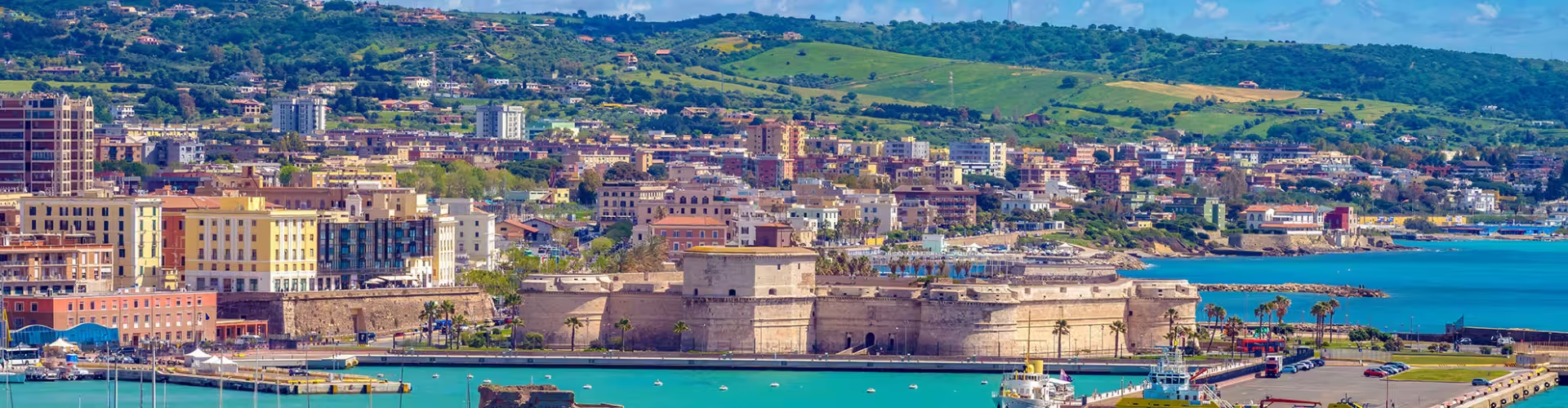
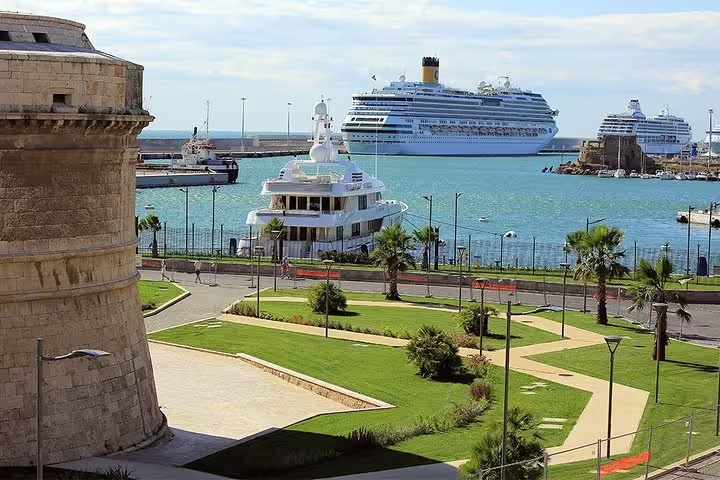
Civitavecchia’s signature vibe comes from the working port, you see ferries, cruise ships, and daily maritime routines up close. A waterfront walk helps you get oriented fast and it is the easiest way to feel the city’s coastal character. Practical tip, go early in the morning for calmer paths and clearer photos, then return near sunset for warmer light on the sea.
2) Explore the historic center on foot
The center is compact, which makes it ideal for a self-guided loop between cafés, small shops, and local streets that still feel lived-in. This is where you notice the contrast between cruise-day bustle and everyday life once passengers disperse. Practical tip, save a pin on your map for your train station and your accommodation, then wander freely knowing you can always navigate back in minutes.
3) Look for Roman-era traces and the city’s layered history
Civitavecchia’s story is tied to ancient Rome and the strategic importance of ports along the Tyrrhenian coast. Even without a long checklist of monuments, you can travel well here by focusing on context, the city’s role as a maritime gateway and a place shaped by trade and movement. Practical tip, read a short background summary before you arrive, then you will recognize why certain areas feel defensive, open, or oriented toward the sea.
4) Plan a Rome day trip with a port-friendly schedule
One reason travelers choose this stop is the simple link to Rome, which can turn a coastal stay into a two-center trip. Done well, it feels efficient rather than rushed, because you can return to the sea air after a busy city day. Practical tip, start early, keep your Rome plan focused on one area, and build in buffer time for the return.
5) Prioritize a seafood-focused meal
Coastal Lazio cuisine shines when it stays simple, fresh fish, pasta with seafood, and dishes that highlight olive oil, garlic, and herbs. A good meal here is not only about taste, it is a way to connect with the city’s working identity beyond the cruise timetable. Practical tip, ask what is fresh today and choose one local specialty rather than ordering a wide spread.
6) Take a slow café break, then people-watch
Civitavecchia can be a transit point, but it rewards slowing down, especially between arrivals and departures. A coffee stop helps you reset after travel and it is an easy way to observe local pace versus visitor pace. Practical tip, sit rather than grab and go, and use the time to confirm transport details for your next leg.
7) Use the city as a base for Lazio coastal exploring
If you like flexible travel days, Civitavecchia works as a practical hub for nearby coastal towns and regional highlights. The advantage is decision support, you can keep accommodation stable and do short outings rather than changing hotels. Practical tip, group your day trips by direction so you are not backtracking.
8) Build a “port day” plan that reduces stress
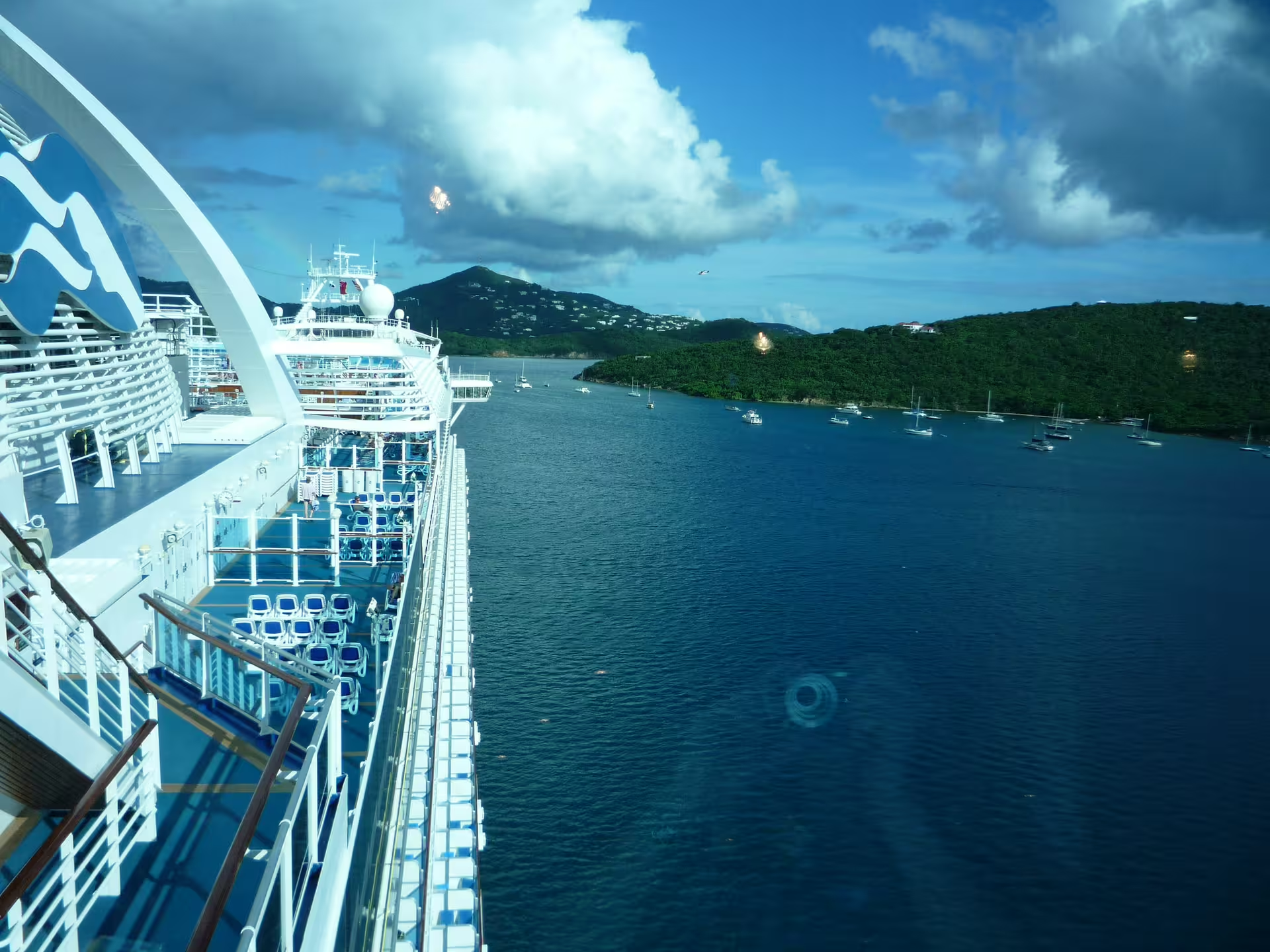
The port is efficient but busy, and the best experience comes from planning your timing rather than improvising under pressure. This matters most if you are arriving by cruise or ferry and connecting onward. Practical tip, keep essential documents and a small day bag accessible, and avoid scheduling tight, must-do activities immediately after arrival.
Start with a waterfront walk to get your bearings and enjoy the maritime atmosphere while the day is still cool. Move into the historic center for a relaxed loop, then pause for a café break and a simple lunch built around local flavors. In the afternoon, choose one anchor activity, either a Rome day trip if your timing allows, or a deeper stroll through town with a final golden-hour viewpoint on the sea.
Day one, keep it local and low-pressure, waterfront, historic center, and a seafood dinner to set the tone. Day two, plan a structured excursion, most travelers choose Rome, because it is the region’s headline draw and it pairs well with a coastal base. Day three, use Civitavecchia as a launch point for nearby Lazio outings, then return for an unhurried final evening walk that lets the city feel like more than a stopover.
Coastal Lazio cooking leans into freshness, clean flavors, and simple technique. Use these ideas as a practical ordering guide, especially when menus feel broad or tourist-oriented.
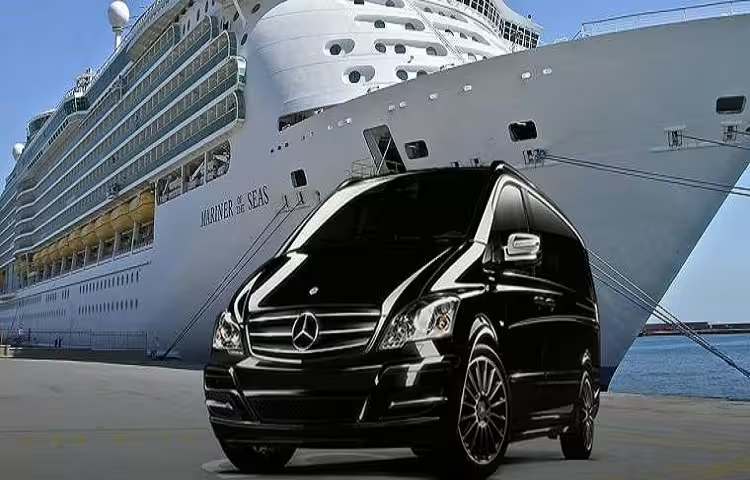
Civitavecchia is easy to navigate on foot in the central areas, which is ideal if you want a low-stress day between arrivals and departures. For longer distances and regional connections, the train network is the key tool for independent travelers, especially for reaching Rome and other towns in Lazio. Taxis and ride options can be useful when you have luggage or tight timing, but it is smart to plan extra buffer time on port days because traffic and passenger flows can change the pace quickly.
For safety and comfort, keep valuables secure in crowded transit areas and stay aware near busy pickup points. If accessibility is a priority, aim for a plan that minimizes transfers, because stairs and uneven surfaces can appear around older streets and transport hubs.
One of the best reasons to use this Civitavecchia travel guide is the city’s role as a launchpad for classic Lazio experiences. Travel times vary by route and connection type, so treat these as planning anchors rather than exact promises.
Civitavecchia is in Lazio on the Tyrrhenian coast, northwest of Rome, and it is commonly connected by train. Exact travel time depends on the service and your starting station in Rome.
It is a major cruise gateway, but it can also work as a coastal base with an easy-to-walk center and quick regional connections. This Civitavecchia travel guide is designed to help you decide how much time to allocate beyond the port.
One day covers the waterfront and historic center at a relaxed pace. Two to three days is better if you want to add a Rome day trip and still enjoy slower meals and evening walks.
Walking works well for central areas, especially between the waterfront and the historic center. For regional trips, trains are the most practical option, and taxis help when you have luggage or tight timing.
Focus on a waterfront stroll, a quick loop through the center, and one local snack or seafood dish. If you are using this Civitavecchia travel guide on a port day, prioritize low-stress timing over a long checklist.