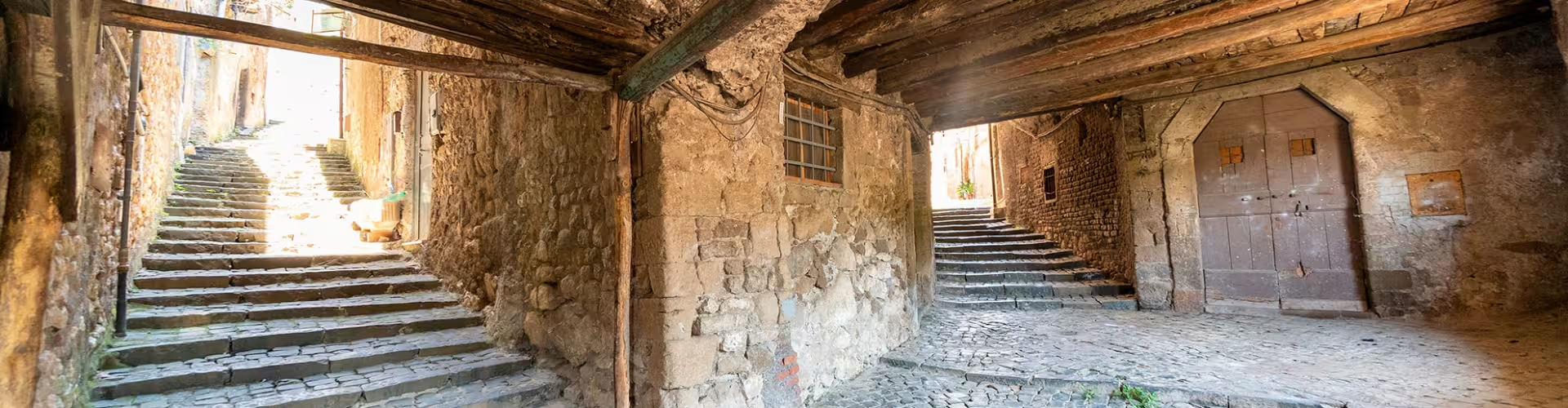


Perched on the Lepini Hills in southern Lazio, Cori offers stone lanes, Roman temples, and vineyard views in a compact historic setting. This is a place for slow exploration, where you can combine archaeology, medieval alleys, and hearty countryside cuisine in a single day. Use this guide to identify the Best things to do in Cori and decide how much time to spend in this ancient hill town.
Cori sits in the Province of Latina in the Lazio region of central Italy, on the slopes of the Lepini Mountains between the Pontine Plain and the hills. It lies south of Rome and north of Latina, so most visitors arrive via these larger hubs by car, regional bus, or a combination of nearby train stations and short transfers.
Spring from April to early June brings mild temperatures, green hillsides, and comfortable walking conditions, ideal for exploring archaeological sites and viewpoints. Autumn from September to October is similarly pleasant and often coincides with harvest season in the surrounding vineyards. High summer can be hot in the middle of the day, so early morning and late afternoon are best for sightseeing, while winter is quieter with shorter days but a more local feel.
Prices in Cori are generally lower than in major Italian cities, especially for meals, coffee, and local wine. Small family-run businesses may prefer cash, though cards are increasingly accepted, so carrying some euros for cafés, bakeries, and small attractions is useful.
Use this section to narrow down the Best things to do in Cori and plan how to allocate your time between ancient ruins, churches, and scenic walks.
Explore the Temple of Hercules
Visit the impressive remains of the ancient Temple of Hercules, one of Cori’s most striking Roman-era landmarks with commanding views over the valley. Allow at least an hour to walk the surrounding lanes, appreciate the stonework, and take photos in good light.
Visit the Temple of Castor and Pollux
The Temple of Castor and Pollux showcases Cori’s deep pre-Roman and Roman heritage, with towering columns that dominate the upper town. Combine this stop with a short loop through nearby alleys to experience one of the most atmospheric corners highlighted in many a Travel guide to Cori.
Wander the Historic Center
Stroll through narrow streets lined with stone houses, small piazzas, and viewpoints that open over the Pontine Plain. This simple walk is among the Best things to do in Cori because it reveals daily life, artisan workshops, and quiet churches at your own pace.
Discover Cori’s Churches and Convents
Step into historic churches scattered across the town, where frescoes, altars, and small cloisters reflect centuries of religious life. Plan to visit a few during cooler hours, as they offer both shade and insight into the spiritual side often mentioned in a detailed Travel guide to Cori.
Sample Local Wine and Olive Oil
The hills around Cori are known for vineyards and olive groves, making tastings a natural addition to your itinerary. Look for small producers or local shops that offer regional labels, turning your list of Best things to do in Cori into a sensory experience.
Walk Panoramic Paths Around the Town
Short walks around the edges of Cori reveal terraced fields, stone walls, and distant sea views on clear days. Wear comfortable shoes and bring water, especially in warmer months, to enjoy these routes that set apart any thoughtful Travel guide to Cori.
Join Local Festivals and Cultural Events
Depending on the time of year, you may find food fairs, religious processions, or cultural events that animate the squares. These occasions add depth to the Best things to do in Cori, offering direct contact with local traditions and seasonal specialties.
Explore Nearby Vineyards and Countryside
If you have a car, consider a short drive into the surrounding hills to see vineyards, olive groves, and small hamlets. This is a natural extension of any Travel guide to Cori, giving you a broader sense of the landscape that supports the town’s cuisine and wine.
Begin your day in the upper part of Cori, where you can visit the Temple of Hercules and the Temple of Castor and Pollux before the light gets harsh. Late morning, wander through the historic center, pausing in small churches and piazzas, then enjoy a relaxed lunch featuring local dishes and wine. In the afternoon, follow a short panoramic walk around the town’s edge, and finish with a coffee or aperitivo in the main square as the streets quieten.
On day one, follow the one-day route, but move at a slower pace and spend more time in individual churches and viewpoints. Dedicate day two to exploring less-visited lanes, local shops, and any open cultural sites, then head into the nearby countryside for a wine or olive oil tasting. This rhythm fits the tone of a thoughtful Travel guide to Cori, giving you space to appreciate small details and conversations with residents.
With three days, you can deepen your experience of Cori and its surroundings. Use the first two days as above, then reserve the third for a day trip into the Lepini Hills or down toward the Pontine Plain, balancing village exploration with scenic drives or short hikes. This slower approach highlights why many travelers consider an extended stay one of the Best things to do in Cori if they enjoy quiet, historic towns.
Food in Cori reflects Lazio’s countryside traditions, with simple recipes based on local produce and olive oil. Look for handmade pasta dishes, often with meat or vegetable ragù, and grilled meats that pair well with regional red wines. Seasonal vegetables, legumes, and wild greens appear in soups and side dishes, especially in cooler months.
Local extra virgin olive oil is a highlight, usually served with bread or drizzled over bruschetta and salads. Traditional desserts may include rustic cakes or pastries tied to holidays and religious festivals. When in doubt, ask for house specialties or daily recommendations, a small but rewarding step often emphasized in a good Travel guide to Cori.
Cori is compact, so most visitors explore on foot, especially within the historic center where streets are narrow and often steep. Comfortable shoes are essential, as many routes involve stone steps and inclines between the lower and upper parts of town. If you arrive by car, parking is usually outside the tightest lanes, followed by a short uphill walk into the core.
Regional buses connect Cori with nearby towns and larger transport hubs, though schedules may be limited, particularly on weekends or holidays. The town’s layout rewards slow walking, pauses at viewpoints, and careful navigation of older pavements, which may be challenging for some mobility needs. If accessibility is a priority, plan routes in advance and allow extra time between key stops described in this Travel guide to Cori.
From Cori, you can reach other hill towns in the Lepini area within a short drive, discovering additional medieval centers and rural landscapes. The Province of Latina offers access to the Pontine Plain and coastal areas, where seaside towns provide a contrast to Cori’s hilltop setting. Larger hubs in Lazio can also be visited as day trips if you are comfortable with regional roads and public transport connections.
Each of these excursions adds variety to the Best things to do in Cori, allowing you to balance quiet historic streets with broader regional exploration. When planning, consider travel time, daylight hours, and your interest in either countryside, coast, or additional villages.
Most visitors can see the main temples, historic center, and a few churches in one full day. However, spending two days allows you to follow more of the Best things to do in Cori at a relaxed pace and include short countryside walks.
Some historic or archaeological areas may require an entry fee, while churches are often free but may accept donations. Because ticket structures can change, it is best to confirm current details locally rather than relying on a fixed list in any Travel guide to Cori.
The upper town around the Temple of Hercules and the Temple of Castor and Pollux, along with the surrounding lanes, is a natural focus. The broader historic center, with its churches and small squares, completes the core areas usually covered in a Travel guide to Cori.
Weather in Cori follows central Italian patterns, with warm summers, mild springs and autumns, and cooler winters. Since conditions vary by year, check a short-term forecast before your trip and adjust your list of Best things to do in Cori to match heat, rain, or cooler evenings.
Cori’s historic layout includes steep streets, steps, and uneven surfaces that can be challenging for some visitors. If mobility is a concern, plan shorter routes, allow extra time, and focus on areas with easier access that still reflect the highlights described in this Travel guide to Cori.