Ferrara
Ferrara is a refined Renaissance city in Emilia-Romagna, ideal for slow travel, biking, and architecture. Use this guide for when to go, what to do, local flavors, transport tips, and easy day trips.
Ferrara is a refined Renaissance city in Emilia-Romagna, ideal for slow travel, biking, and architecture. Use this guide for when to go, what to do, local flavors, transport tips, and easy day trips.

Ferrara feels like a refined, slow-travel Italian city where Renaissance grandeur meets an easy, bike-friendly rhythm. Its signature vibe is elegant and lived-in, with broad streets, brick palaces, and a historic center that rewards unhurried wandering. Go now if you want a culture-rich base in Emilia-Romagna that stays calm compared with Italy’s biggest headline cities.
Ferrara sits in northern Italy in the Province of Ferrara, within the Emilia-Romagna region. It works well as a hub for travelers who want a city break with easy connections to other parts of the Po Valley. For arrival planning, look for the nearest major transport hubs and then continue by regional train or road into the city center.
Expect a classic northern Italian seasonal pattern, with warmer months bringing longer days for sightseeing and more outdoor dining, and cooler months favoring museums, churches, and cozy meals. Shoulder seasons are often the sweet spot for a balanced mix of comfortable walking weather and lighter crowds. If you are sensitive to heat or prefer a quieter feel, prioritize spring or early autumn and plan your most walk-heavy days then.
Italy uses the euro, and Ferrara is typically navigable on a range of budgets depending on how you approach meals and accommodation style. Cards are widely used in cities, but carrying some cash helps for small purchases and quick transactions. A practical strategy is to set a daily “must-do” budget for one paid highlight, then balance it with free experiences like self-guided walks and public squares.
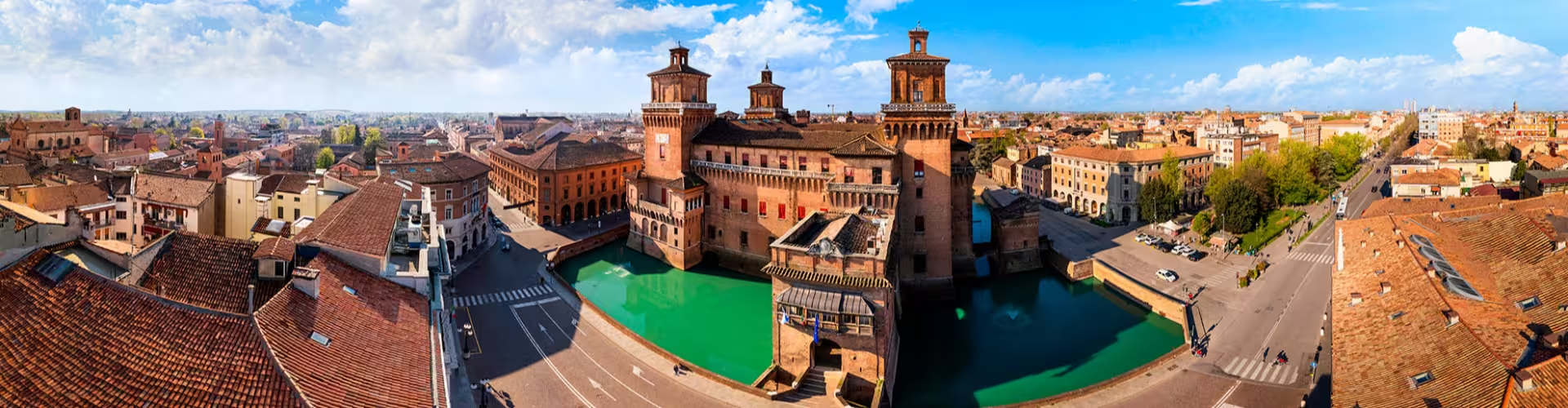
Estense Castle (Castello Estense). This is the city’s iconic landmark and a key symbol of the Este family’s power and taste. Even from the outside, it frames the atmosphere of Ferrara with its imposing brickwork and central placement. Practical tip, visit early in your day so you can orient yourself and build your route outward through the historic center.
Ferrara Cathedral (Duomo di Ferrara). The cathedral anchors the city’s spiritual and civic life, and it helps you read the layers of history in a single stop. Pause to notice how the surrounding streets feel like a natural gathering place for locals and visitors. Practical tip, time your visit when you can also linger in the nearby square for people-watching and photos.
Renaissance city walk in the historic center. Ferrara is made for walking, with a cityscape that encourages you to slow down and notice architectural details. This is where the destination’s personality comes through, quiet corners, elegant facades, and a sense of continuity. Practical tip, save offline maps and build a loop route so you can explore without backtracking.
Bike the city like a local. Cycling is part of the everyday rhythm, and it is one of the most enjoyable ways to cover more ground without rushing. It turns the city into a series of connected scenes rather than isolated attractions. Practical tip, choose a comfortable bike setup and keep your route flexible, stopping whenever a street or plaza catches your eye.
Palazzo dei Diamanti. Known for its distinctive exterior, this palace is one of the most recognizable examples of the city’s Renaissance identity. It is a strong choice if you want a “one stop” cultural anchor that also photographs beautifully. Practical tip, pair it with a nearby café stop so the visit feels like part of a relaxed cultural day.
City walls and green edges. The defensive walls and perimeter paths offer a different perspective, open air, wide views, and a calmer pace. This experience balances the density of the center and is ideal for a reset between major sights. Practical tip, plan this for late afternoon when the light softens and the stroll feels more comfortable.
Local markets and everyday streets. A market visit adds texture to your trip, seasonal produce, casual snacks, and the cadence of daily life. It is also one of the easiest ways to experience Ferrara beyond monuments. Practical tip, go with a small shopping bag and a plan to assemble a simple picnic if the weather is good.
Evening passeggiata. The evening walk is a classic Italian ritual, and Ferrara suits it perfectly with its gentle pace and atmospheric lighting. It is less about ticking sights and more about absorbing the city’s mood. Practical tip, start near the central landmarks and let the flow of people guide you toward dinner.
Start your morning around the central landmarks, beginning with the area near Estense Castle to get your bearings. Continue on foot through the historic center, weaving toward the cathedral area and pausing often for architecture and street scenes. After lunch, add a cultural stop such as Palazzo dei Diamanti, then finish with a late-day walk along the city walls before an evening passeggiata and dinner.
On day one, focus on the core sights at a relaxed pace, castle area, cathedral area, and a long walk that prioritizes atmosphere over speed. On day two, explore beyond the most photographed streets by biking between neighborhoods and the green perimeter, then add a market visit to anchor the day in local life. If you have a third day, keep it flexible for a slower cultural morning and an unhurried afternoon, using Ferrara as a base for a short day trip.
Cappellacci di zucca. These pumpkin-filled pasta parcels are a local classic, typically leaning sweet-savory and comforting. The filling can feel delicate, so the sauce often matters as much as the pasta itself. Ordering tip, ask how it is dressed so you can choose a lighter or richer option depending on your mood.
Salama da sugo. This is a traditional cured meat preparation with a bold, distinctive character. It is a good pick for travelers who want an unmistakably local dish rather than a generic menu choice. Ordering tip, consider sharing it if you are sampling multiple specialties in one meal.
Pasticcio ferrarese. A signature baked dish that reflects the city’s historic taste for elaborate, celebratory food. It is the kind of plate that tells a story about courtly kitchens and local pride. Ordering tip, it can be filling, so balance it with lighter sides.
Tenerina. A dense chocolate cake that is simple in concept but deeply satisfying in texture and flavor. It is ideal with coffee as an afternoon break between walks. Ordering tip, if you see it as a daily dessert option, it is a reliable choice for a sweet pause.
Local bread and bakery bites. Bakeries are an easy way to eat well without overplanning, especially on sightseeing-heavy days. You can build a casual meal from small items and keep moving at your own pace. Ordering tip, point to what looks freshest and ask what is typical for the area.
Emilia-Romagna wines. Regional wines pair naturally with the local food style, which often leans savory and structured. A simple glass can turn dinner into a more grounded, local experience. Ordering tip, ask for a regional recommendation and describe whether you prefer something lighter or fuller-bodied.
Ferrara is well suited to walking for central sights, and biking can extend your reach without needing complex planning. Public transport can help connect areas more efficiently if you are staying farther from the center or want to reduce walking time between stops. For comfort and safety, wear supportive shoes, stay aware of bikes in shared spaces, and keep your valuables secure in crowded areas, especially around major landmarks.
Bologna. A strong choice for food culture and historic streets, and a natural pairing with an Emilia-Romagna itinerary. Travel time varies by route and transport, so check schedules in advance. Primary reason to visit, a deeper dive into regional cuisine and a lively city atmosphere.
Venice. A classic add-on if you want a dramatic change of scenery and iconic canals. Travel time depends on connections, so plan an early start for a full day. Primary reason to visit, a one-of-a-kind urban landscape and world-famous sights.
Ravenna. Ideal for travelers interested in art history and a calmer cultural day outside the biggest tourist circuits. Travel time varies, but it can work as a focused day out. Primary reason to visit, renowned heritage and a different artistic mood from Ferrara.
Po Delta area. A nature-forward option for open landscapes and slower pacing, especially if you want a break from city streets. Travel time depends on your base and transport choice, so plan logistics carefully. Primary reason to visit, scenery and a sense of the wider geography that shapes the province.
Is Ferrara easy to explore on foot?
Yes, the historic center is compact and well suited to walking between major sights. For longer distances, biking can make the day feel easier without sacrificing the atmosphere.
How many days do I need in Ferrara?
One day covers the main highlights at a brisk pace, especially the central landmarks and a classic walk. Two to three days lets you slow down, add the walls, markets, and a more local rhythm.
When is the best time of year to visit?
Shoulder seasons are often ideal for comfortable sightseeing and fewer crowds. In warmer months, plan breaks and prioritize outdoor walks earlier or later in the day.
Do I need cash in Ferrara, or are cards enough?
Cards are widely accepted in cities, but carrying some cash is useful for small purchases. A mix of both helps you handle quick transactions smoothly.
Can I use Ferrara as a base for day trips?
Yes, Ferrara works well as a base for nearby cities and nature areas in the region. Check train or road routes ahead of time so you can maximize your day and return comfortably.