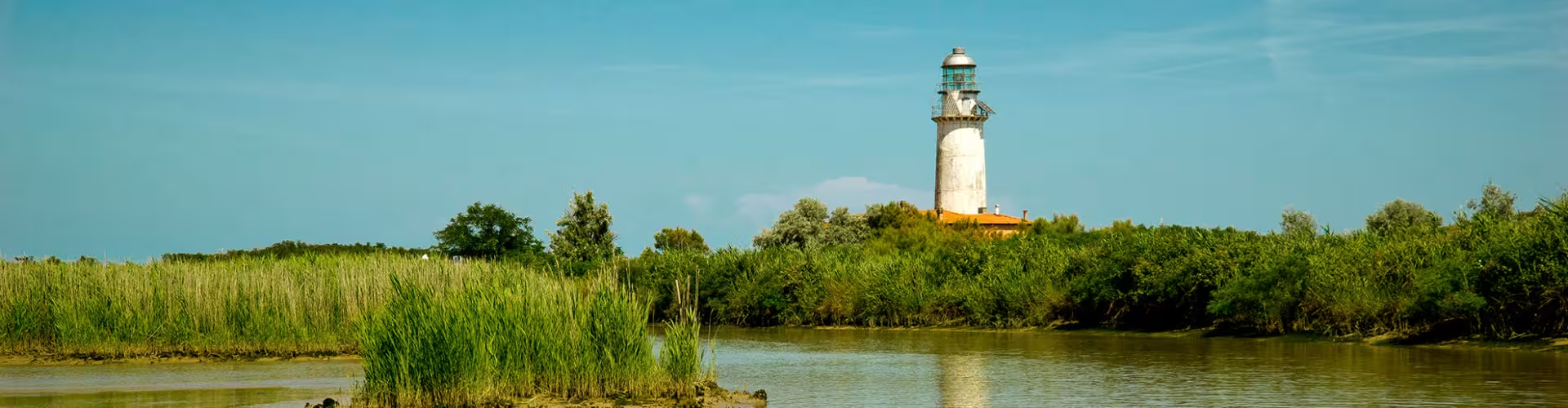

Goro sits on the edge of water and wilderness in the Province of Ferrara, where river channels, lagoon landscapes, and Adriatic air shape daily life. It is the kind of place that rewards slow travel, binoculars in your daypack, and an appetite for seafood culture rooted in the Po Delta. Use this guide to plan a practical, experience-led trip that balances nature, food, and easy logistics in and around Goro.
Goro feels like a working waterside town with a calm, salt-and-river rhythm, best experienced outdoors and at the table. The signature vibe is Delta life, wide skies, boats, and protected wetlands that invite you to pause and look closely. It is a strong choice when you want Italy beyond the big cities, with nature-first days and seafood-forward evenings.
Goro is in Italy’s Emilia Romagna region, within the Province of Ferrara, in the Po Delta area near the Adriatic coast. The town’s identity is closely tied to the river mouth landscapes and lagoon environments, where waterways influence routes and viewpoints. For gateways, plan around major regional transport hubs in northern Italy and then connect onward by road into the delta area, since small Delta towns are typically best reached with flexible ground transport.
In a Delta destination, seasons change what you do and how it feels. Warmer months generally suit boat time, cycling, and long outdoor meals, while shoulder seasons can be ideal for quieter paths, softer light, and birdwatching conditions. If your priority is a peaceful atmosphere and easier parking and seating at restaurants, aim for less crowded periods and build your day around sunrise and sunset for the best scenery.
Italy uses the euro, and day-to-day spending in small towns often depends on whether you are focusing on simple outdoor experiences or adding guided excursions and seafood dining. Keep a mix of payment options, because smaller places can sometimes prefer card for larger bills and cash for quick purchases. Budget more for food if you want to explore local seafood properly, then balance it with low-cost nature time, scenic walks, and self-guided viewpoints.
Po Delta Lagoon Walks and Viewpoints
The Po Delta landscape is the main reason travelers choose this area, and the flat horizons make every change in weather feel dramatic. Walking the edges of water channels helps you understand how the Delta is both protected nature and working territory. Practical tip, bring sun protection and water, because shade can be limited in open wetland areas.
Boat Excursion into Delta Channels
A boat outing is one of the most immersive ways to experience the region’s wetlands, where you can observe how waterways connect lagoons, reed beds, and small ports. It also gives you a different perspective on scale, because the Delta is best understood from the waterline. Practical tip, ask ahead about the route focus, such as nature viewing versus local life, so it matches your interests.
Birdwatching in Protected Wetlands
The Delta is known for birdlife, and even casual observers can enjoy scanning the sky and shoreline. This experience matters because it highlights why the area is ecologically important and why many zones are managed for conservation. Practical tip, pack binoculars and a light layer, since breezes off the water can change comfort quickly.
Seafood Tasting Focused on Local Waters
Food in Goro is not just a meal, it is a direct expression of place, shaped by lagoons and coastal proximity. Trying local seafood connects you to the area’s working identity and seasonal rhythms. Practical tip, if you are unsure what to order, ask what is freshest that day and choose simple preparations to taste the ingredient clearly.
Sunset Photography on the Water
Wide skies and reflective water create strong color at day’s end, and the Delta’s open views make sunsets feel expansive. This is a high-impact experience with minimal planning, especially if you enjoy landscape photography. Practical tip, arrive early to pick a stable spot and watch how the light changes across channels and boats.
Cycling and Easy Rides on Flat Terrain
The Po Delta area is naturally suited to cycling because the terrain is generally flat and the scenery changes gradually in a satisfying way. Riding helps you cover more ground than walking while still staying close to nature. Practical tip, plan a loop with water and snack stops, because services can be spread out in wetland zones.
Harbor and Working Waterfront Observation
Spending time near the waterfront offers a grounded view of daily life, where boats, gear, and routines tell you what the town values. It matters because it keeps the trip authentic and helps you travel with more respect for a working environment. Practical tip, keep a polite distance from equipment and active work areas, and treat the harbor as a place of business first.
Slow Morning Coffee and Local Pace
In smaller towns, the simplest rituals can be the most memorable, especially when the day is built around weather and water conditions. Taking an unhurried start lets you adjust to the Delta’s calm tempo and plan the rest of your day with intention. Practical tip, use the morning to check wind and cloud conditions if you want the best light for nature viewing later.
Start with a waterfront walk to orient yourself to the channels and the working side of town, then plan a mid-morning nature stop for birdwatching and wide views. After lunch, prioritize a boat excursion or a longer wetland viewpoint session, depending on what is available and how the weather looks. Finish with a seafood-focused dinner and a sunset stop near the water for the day’s best atmosphere.
On day one, focus on orientation, a longer walk, and a relaxed meal that introduces local flavors. On day two, dedicate the prime hours to the Delta, pairing a boat experience with a cycling route or extended nature time, then keep the evening for a second seafood meal with different preparations. If you have a third day, use it for slower discovery, photography in changing light, and a nearby day trip that adds variety beyond the waterfront.
Seafood antipasti
Expect bright, briny flavors that lean on freshness and simple seasoning. Ordering tip, ask for a mixed selection if you want to sample more than one preparation without overthinking the menu.
Grilled fish
Grilling keeps the taste clean and highlights the natural sweetness and salt of the catch. Ordering tip, choose grilled when you want a straightforward dish that pairs well with a light side and local pacing.
Fried seafood
Crisp textures and salty notes make this a classic coastal comfort, especially after a day outdoors. Ordering tip, ask if it is made to order, because freshness matters most with fried dishes.
Shellfish dishes
Shellfish often carry the strongest sense of place in lagoon regions, with a distinctly maritime aroma and mineral finish. Ordering tip, if you are sensitive to stronger sea flavors, request a simpler preparation and smaller portion to start.
Seafood pasta
Pasta with seafood typically balances savory depth with a gentle ocean character, often served in a way that feels both hearty and light. Ordering tip, ask which pasta is most typical that day and follow the house recommendation.
Local white wine
A crisp white wine complements salty, grilled, and fried seafood, and suits the Delta’s breezy evenings. Ordering tip, ask for the most food-friendly glass option rather than the strongest bottle recommendation.
Within town, walking is often the simplest way to enjoy the waterfront and short scenic routes, especially when you want to stop for photos or watch harbor activity. For exploring Delta landscapes and connecting to nearby areas, flexible ground transport can be helpful, since natural sites and viewpoints may be spread out. If you are cycling, keep visibility in mind near roads and carry a basic repair kit, because services can be limited in quiet stretches.
Po Delta nature zones nearby
Short travel times can bring you to different wetland perspectives, which is ideal if you want more birdwatching and landscape variety. Primary reason to visit, see how the Delta changes across channels and lagoon edges.
Ferrara
Ferrara adds a culture and city contrast to your Delta days, giving you architecture, museums, and a different rhythm. Primary reason to visit, balance nature-focused time with a historic urban setting.
Adriatic coastal towns in the wider area
A coastal outing can add beach atmosphere and seaside promenades to your itinerary. Primary reason to visit, shift from wetlands to open sea views and coastal dining.
Ravenna
Ravenna is widely associated with art and historical heritage, making it a strong complement to the Po Delta’s natural focus. Primary reason to visit, add a landmark cultural day to your trip structure.
Is Goro a good base for exploring the Po Delta?
Yes, it works well if your priorities are wetlands, waterways, and seafood culture. Plan your days around outdoor conditions and keep transport flexible for scattered nature spots.
How many days do you need in Goro?
One day covers a highlights loop with a waterfront walk, nature time, and a seafood meal. Two to three days lets you add a boat excursion, cycling, and a nearby cultural day trip.
What is the best time of day for photos in the Delta?
Sunrise and sunset usually offer the most dramatic light across water and wide skies. Arrive early to choose a viewpoint and watch how reflections change with clouds and wind.
Is it easy to get around without a car?
You can cover the town core on foot, especially for waterfront areas. For broader Delta exploration and day trips, you may prefer a more flexible option like cycling routes you can manage comfortably or arranged transport.
What should you eat in Goro if you love seafood?
Focus on simple seafood preparations like grilled, fried, and seafood pasta so the local character comes through. Ask what is freshest that day and consider pairing it with a crisp local white wine.