Province of Ferrara

logoBlack

Build your dream
experience

dreamimg

More to know about Province of Ferrara

Province of Ferrara Travel Guide


Snapshot

Province of Ferrara blends Renaissance cityscapes, river and lagoon horizons, and a quietly confident food culture that rewards travelers who like to slow down and look closer. The signature vibe is elegant and understated, with UNESCO level heritage in Ferrara city and wide open nature in the Po Delta. Go now if you want Italy with breathing room, where cycling paths, historic walls, and long lunches can still feel unhurried.


🗺️ Geography and Logistics

📍 Orientation: Where is it within Emilia-Romagna and Italy? Name key gateway airports or hubs.

Province of Ferrara sits in the northeastern part of Emilia-Romagna, between the Adriatic edge and the inland corridor that links Bologna, Modena, and Verona. Ferrara is the main hub, with easy rail and road connections to larger cities in northern Italy, making it practical to combine with other Emilia-Romagna stops. For arrivals, most travelers route through major regional transport hubs such as Bologna, then continue by train or car to Ferrara and the surrounding towns.

🕒 When to Go: Seasonal breakdown. Weather patterns vs. crowd levels.

Spring and early autumn are typically the sweet spot for a balanced trip, with comfortable conditions for walking the historic center and cycling along flat routes. Summer shifts the focus toward coastal breezes and water landscapes, especially around the delta, while cities can feel warmer and more intense during midday. Winter is quieter and can be atmospheric in Ferrara, with fewer crowds and more of a local rhythm, though outdoor nature experiences may feel more weather dependent.

💰 Budget & Currency: Practical money tips, local price levels, and card vs. cash advice.

Italy uses the euro, and in Province of Ferrara you can generally rely on cards for hotels, sit down restaurants, and museums, while keeping some cash for small purchases or rural stops. Costs tend to feel manageable compared with Italy’s biggest tourism magnets, especially if you base in Ferrara and take day trips. A practical approach is to set a daily food and museum budget, then leave flexibility for a special meal, a guided experience, or a nature excursion.


⭐ Essential Things to Do

Note: To respect factual integrity, the experiences below are curated at a destination level and avoid specific opening hours, prices, or fixed schedules.

  • Explore Ferrara’s Renaissance city core
    Why it matters: Ferrara’s identity is closely tied to Renaissance urban planning, noble patronage, and a city layout that still feels coherent and walkable. You get a strong sense of place through broad streets, brick architecture, and a historic center designed for both grandeur and daily life. Practical tip: Start early to enjoy quieter streets and better photo light, then pause midday for a long lunch when the pace naturally slows.

  • Cycle the city walls and green ring
    Why it matters: Ferrara is known for a bike friendly culture, and cycling is one of the most intuitive ways to understand the scale of the historic defenses and the city’s relationship with open space. The route creates a gentle narrative, shifting from architectural details to parks and residential edges. Practical tip: Choose a comfortable bike and bring water, then plan a loop that ends near a café so you can reward the effort with a slow espresso.

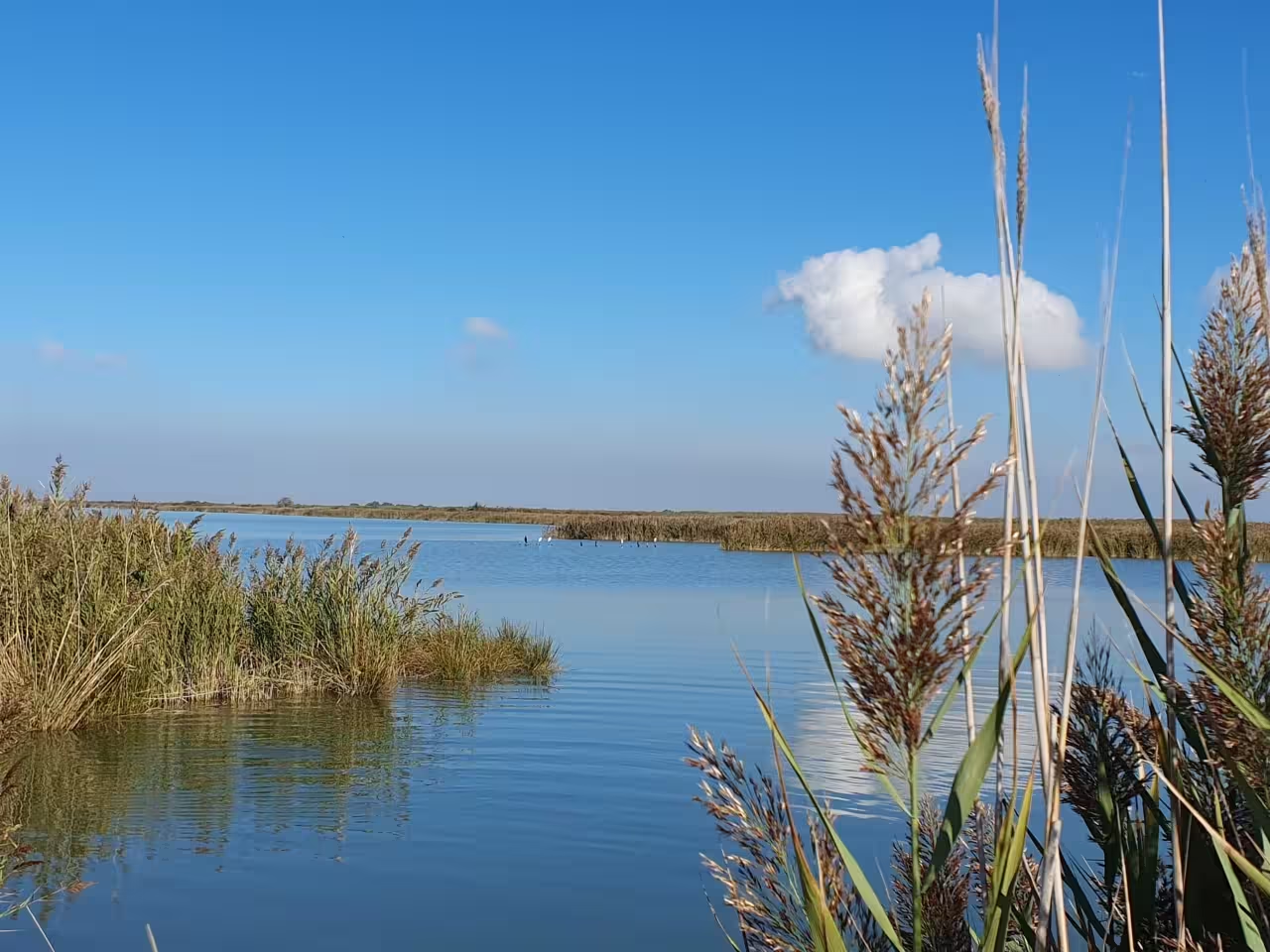
  • Po Delta landscapes and birdlife
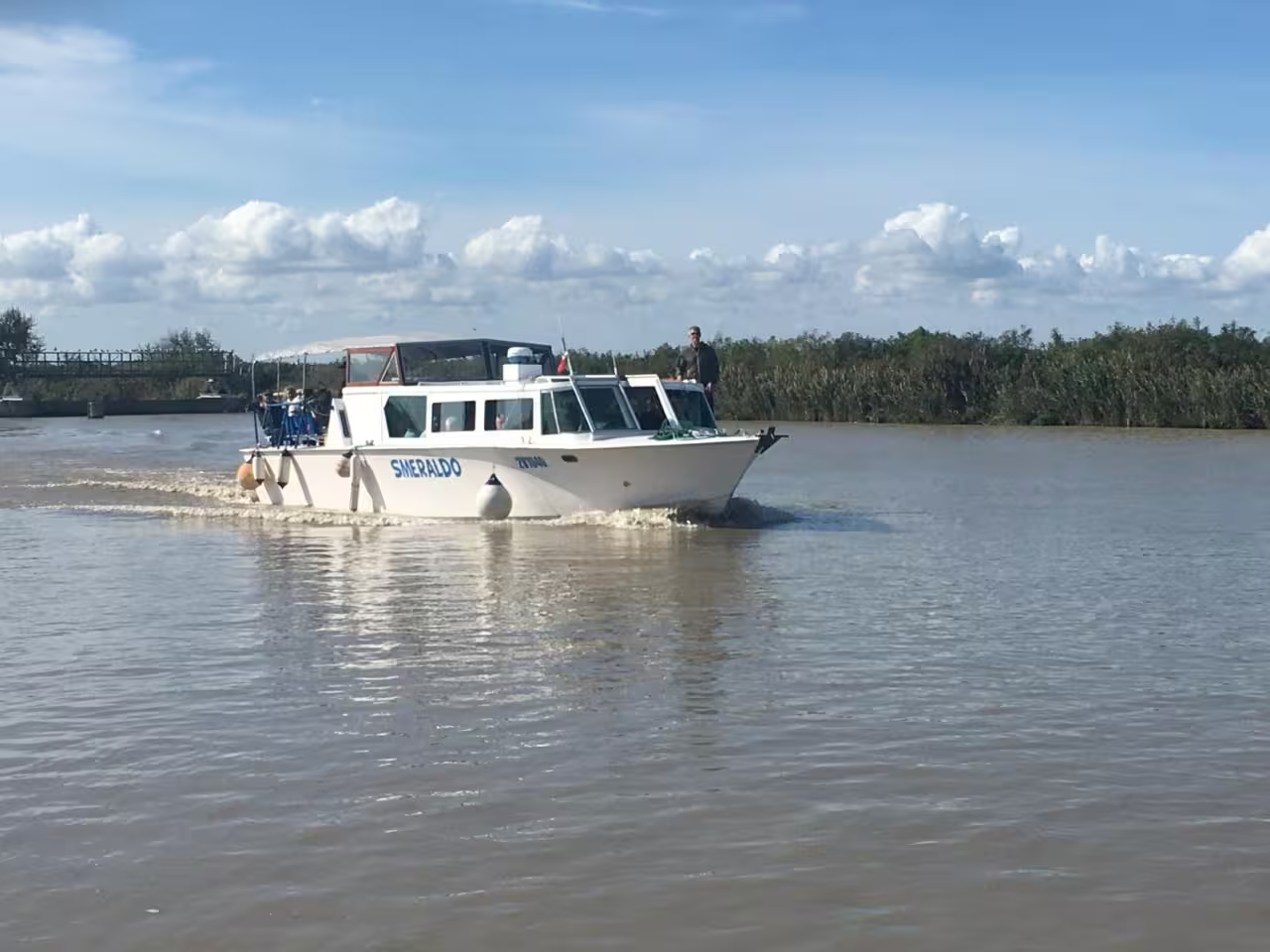
    Why it matters: The delta is where water, sky, and reeds create a different kind of Italian beauty, more horizontal, more reflective, and deeply seasonal. It is a place to appreciate biodiversity, quiet roads, and the feeling of being at the edge of land. Practical tip: Bring binoculars if you have them, and aim for early morning or late afternoon when nature watching is often most rewarding.

  • Comacchio and the lagoon atmosphere
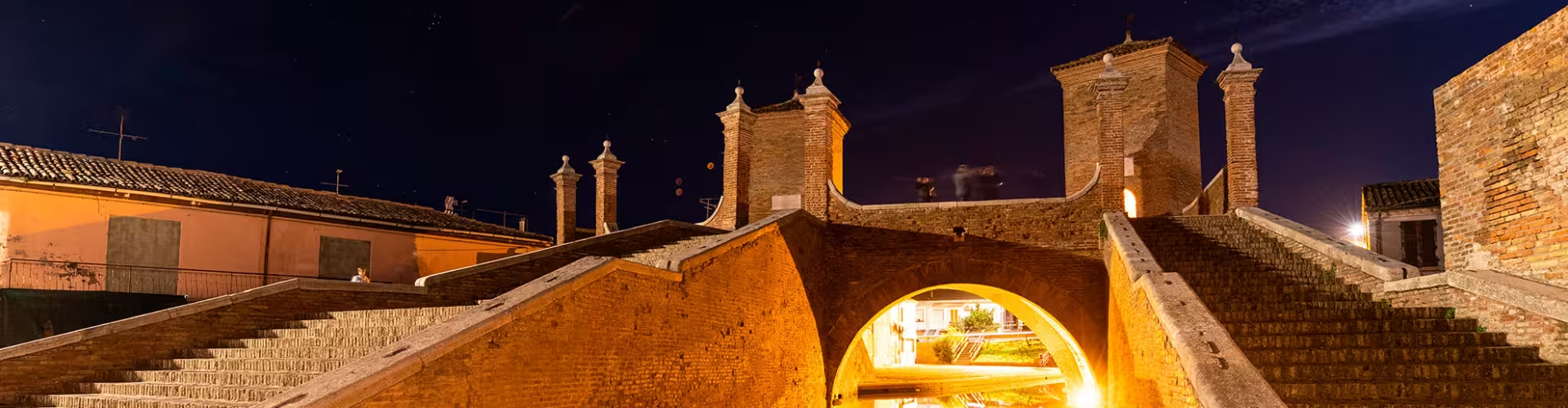
    Why it matters: Comacchio is often associated with canals and a fishing heritage, offering a distinct contrast to Ferrara’s inland elegance. The vibe is intimate and maritime, with bridges, water reflections, and a slower coastal cadence. Practical tip: Wear comfortable shoes for bridge crossings and plan time to simply wander without a strict route.

  • Adriatic coast time for reset
    Why it matters: The coastal side of Province of Ferrara adds a restorative layer to the trip, especially if you want beach walks and sea air after city sightseeing. It is also a practical way to balance a multi day itinerary, alternating culture and nature. Practical tip: Go early or later in the day for a calmer beach feel, especially in peak summer.

  • Local markets and everyday food culture
    Why it matters: Markets and small food shops reveal how the province eats, cooks, and celebrates seasonality, which is essential to understanding Emilia-Romagna. Even a short browse can teach you what locals value, from fresh pasta to regional produce. Practical tip: If you are self catering, buy picnic items for a wall top break or a delta day.

  • Slow photography walk at golden hour
    Why it matters: The province’s palette is brick, water, and soft sky, which becomes especially cinematic near sunset. A deliberate walk encourages you to notice details like archways, reflections, and long perspectives. Practical tip: Pick one area and commit to moving slowly, rather than trying to cover the whole city in one session.

  • Culture focused day with museums and historic interiors
    Why it matters: Ferrara’s cultural story is layered, and interiors help connect the visible city plan to the people and power that shaped it. This is where context clicks, especially for travelers who like art, design, and history. Practical tip: Balance indoor visits with outdoor breaks so the day stays enjoyable and not overly dense.


🚶 Curated Itineraries

⏰ The Highlights (1 Day): A fast-paced “Best Of” route.

Start your morning in Ferrara’s historic center with a focused walking route that prioritizes major streets, landmark views, and a sense of Renaissance scale. Late morning, switch to a bike loop along the city walls to understand the city’s outline and enjoy greenery without leaving town. After lunch, choose either a museum focused block for cultural depth or a relaxed café and shopping stroll, then finish with a golden hour walk for brick and shadow photography.

⏰ Deep Dive (2-3 Days): Adding neighborhood exploration and local secrets.

Day 1 stays centered on Ferrara, mixing walking and cycling so you experience both detail and big picture structure. Day 2 leans into water landscapes, heading toward the Po Delta for open horizons, nature watching, and a slower pace that contrasts with the city. Day 3, add Comacchio and the lagoon mood, then decide whether to extend to the Adriatic coast for a beach reset, or return to Ferrara for a final food focused evening and a calm, local style farewell.


🍽️ Flavors of Province of Ferrara

  • Cappellacci di zucca
    Taste profile: Delicate pasta parcels with a sweet savory pumpkin filling that feels comforting and refined. Ordering tip: Ask for the classic local preparation, then pair it with a simple wine choice so the filling stays the star.

  • Salama da sugo
    Taste profile: Rich, deeply seasoned pork specialty with an intense, traditional character. Ordering tip: If you are new to it, share a portion so you can appreciate the flavor without over ordering.

  • Coppia ferrarese bread
    Taste profile: A distinctive twisted bread with crisp edges and a tender center, ideal for pairing with cured meats and cheeses. Ordering tip: Buy it earlier in the day for the best texture, then build a picnic style lunch.

  • Fresh pasta and ragù traditions
    Taste profile: Emilia-Romagna is famous for pasta craft, and Ferrara’s approach emphasizes balance and technique. Ordering tip: If a menu highlights handmade pasta, choose one of those dishes for the most local value.

  • Eel and lagoon influenced seafood
    Taste profile: Coastal and lagoon areas often feature seafood with a savory, briny depth. Ordering tip: In lagoon towns, prioritize fish based dishes that reflect local waters rather than generic options.

  • Local pastries with espresso
    Taste profile: Light sweetness and a café rhythm that fits a mid morning pause. Ordering tip: Order at the counter if that is the local norm, then take a moment to observe daily life around you.


🚌 Navigation & Transport

Ferrara is comfortable on foot in the historic core, and cycling is a natural upgrade for covering more ground without losing the city’s intimate feel. For exploring the wider Province of Ferrara, including delta landscapes and lagoon towns, a car can make the day easier, especially if you want flexible stops for viewpoints and nature breaks. If you prefer public transport, plan your day around main connections and keep a buffer for timing, since rural mobility can be less frequent than city routes.

Safety and accessibility notes: The terrain is generally flat, which helps for walking and cycling, but cobblestones and bridge steps in canal areas can slow mobility. For nature areas, pack sun protection and water, and stay aware of weather shifts, especially if you are away from towns.


🌄 Beyond the Center: Day Trips

  • Po Delta
    Travel time: Varies by your base and chosen access point. Reason to visit: Big sky scenery, wetlands, and a nature first perspective that feels far from classic city Italy.

  • Comacchio
    Travel time: Varies by route. Reason to visit: Canal and lagoon atmosphere, fishing heritage, and a photogenic, slower paced town experience.

  • Adriatic coast
    Travel time: Varies by coastal destination. Reason to visit: Beach time, sea air, and a simple way to balance culture heavy days.

  • Bologna
    Travel time: Typically an easy regional connection from Ferrara. Reason to visit: A bigger city contrast, with arcades, food culture, and transport convenience for arrivals or departures.


✅ Insider Tips for Travelers

  • Plan your Ferrara sightseeing in two layers, a walking core route, then a cycling loop to connect landmarks without rushing.
  • For nature days, build in a weather backup plan, such as a museum block or a longer lunch if conditions change.
  • Pack a light wind layer for open water areas, even when the city feels warm.
  • Eat like a local by choosing one signature dish per meal rather than ordering broadly. This keeps the experience focused and avoids menu fatigue.
  • For photos, prioritize early morning and late afternoon. Midday light can flatten brick and water reflections.
  • Keep small cash for minor purchases and rural stops, even if you mainly use cards.

❓ Frequently Asked Questions, FAQ

Is Province of Ferrara better as a day trip or an overnight stay?

It works as a day trip if you focus only on Ferrara city highlights. Staying overnight helps you add the Po Delta or Comacchio at a calmer pace and enjoy evenings without rushing transport.

How many days do I need in Province of Ferrara?

One day covers a strong Ferrara overview with a walk and a bike loop. Two to three days lets you combine city culture with delta landscapes and a lagoon town for a more complete Province of Ferrara experience.

Do I need a car to explore the Po Delta and coastal areas?

A car is helpful for flexible stops and reaching nature viewpoints efficiently. If you rely on public transport, plan carefully, allow extra time, and keep your route simple.

What is the best way to get around Ferrara itself?

Walking is ideal for the historic core, especially for architecture details and cafés. Cycling is a natural next step because the terrain is flat and it helps you connect the walls and outer areas smoothly.

What local foods should I prioritize in Province of Ferrara?

Look for cappellacci di zucca and coppia ferrarese bread as easy, classic starting points. If you want a deeper traditional taste, try salama da sugo, and in lagoon areas consider seafood influenced dishes for a sense of place in Province of Ferrara.