
Parmigiano is more than a famous flavor, it is a travel theme that pulls you into Parma’s food culture, countryside rhythms, and artisan traditions across Emilia Romagna. Plan this trip if you want a destination that feels grounded and sensory, where markets, trattorias, and rural roads connect naturally. This guide focuses on how to experience Parmigiano in a practical, decision friendly way, so you can build a smooth itinerary without rushing.
Parmigiano travel has a signature vibe that is calm, craft focused, and deliciously local, with Parma as the natural base for exploring nearby dairies, villages, and scenic backroads. Go now if you want a year round destination where food experiences pair easily with city strolls and short day trips. The reward is a trip that feels both curated and authentic, especially if you balance tastings with time in historic streets and open countryside.
Parmigiano experiences are centered in and around Parma, in the Emilia Romagna region of northern Italy. Parma works well as a hub because it connects easily to other major cities in the Po Valley, making it simple to combine food focused stops with cultural sightseeing. For trip planning, think in layers: Parma as your walkable base, then short rides outward to rural production areas and nearby towns.
Timing affects the feel of a Parmigiano trip more than it affects availability, because the region supports travel across the year. Warmer months tend to support longer evenings, countryside drives, and outdoor seating, while cooler months lean into cozy dining and slower paced city exploration. If you prefer fewer crowds, aim for shoulder season travel patterns and plan key tastings early in the day.
Italy uses the euro, and Parma generally supports card payments in many settings, while smaller purchases can still be easier with some cash. Budget planning for a Parmigiano focused trip should prioritize food experiences and local transport, because tastings, meals, and short transfers often define the day. Keep a flexible buffer for spontaneous market stops or an extra course at dinner, since the region is designed for delicious detours.
Parmigiano travel works best when you mix structured experiences with unstructured wandering. Use this list as a menu, then pick the items that match your pace and appetite.
Parmigiano Tasting Focus Day
Why it matters: Centering one day around tastings helps you understand the difference between eating a product and experiencing a place. You will notice how texture, aroma, and balance change when you slow down and compare. Practical tip: Keep the schedule light around meals, and plan a long walk afterward to reset your palate.
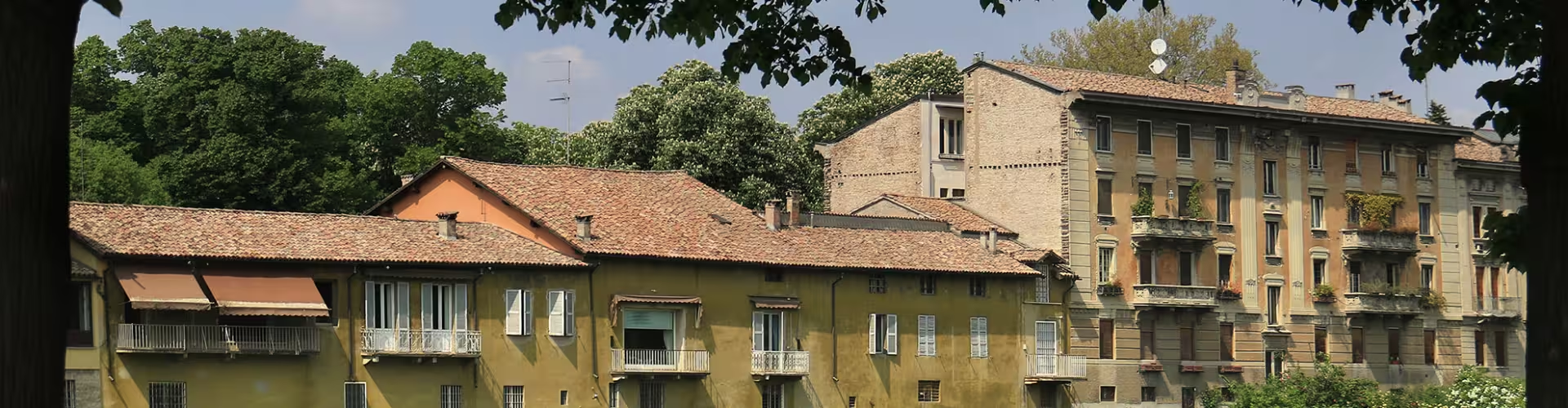
Historic Center Walk in Parma
Why it matters: Parma’s historic streets add context to Parmigiano, because the city’s culture and daily routines shape how locals shop and eat. Walking also makes it easier to notice small details like storefront rhythms, aperitivo habits, and market energy. Practical tip: Go in the morning for calmer streets, then return in the evening for a more social atmosphere.
Local Market Browsing
Why it matters: Markets reveal how residents actually cook, snack, and host, which is the living side of Parmigiano culture. You can see what people pair with cheese, how seasonal produce shifts, and what feels everyday versus celebratory. Practical tip: Carry a small reusable bag and ask for recommendations on pairings you can enjoy the same day.
Trattoria Dinner with Regional Pairings
Why it matters: A sit down meal ties together technique, tradition, and hospitality, especially in Emilia Romagna where food is a cultural language. This is where Parmigiano often appears in subtle, integrated ways, not just as a topping. Practical tip: Order a mix of courses and share, so you can compare flavors without overcommitting early.
Countryside Drive or Bike Style Day
Why it matters: The rural landscape around Parma explains the region’s food identity, with flat plains, farm roads, and small settlements that feel designed for slow travel. This is also the best way to experience a broader Parmigiano storyline beyond the city. Practical tip: Build in time buffers, because scenic stops and small cafés tend to change your timeline.
Food Shop Crawl
Why it matters: Comparing a few specialty shops helps you learn what quality signals look like, from packaging to how staff describe origin and use. It also helps you buy smarter souvenirs related to Parmigiano and other local staples. Practical tip: If you plan to travel onward, ask about travel friendly packaging and storage suggestions.
Aperitivo and People Watching
Why it matters: Aperitivo hours show the social side of Parma, where the day shifts from errands to conversation. This is a gentle way to experience Parmigiano culture without scheduling a formal event. Practical tip: Choose a spot near a lively street, and let the menu guide you rather than chasing a specific item.
Photo Walk for Food and Architecture
Why it matters: Parma rewards slow observation, and a photo walk helps you notice colors, textures, and everyday scenes that define place. It also gives you a break between tastings, which makes your next Parmigiano moment more vivid. Practical tip: Morning light is often more flattering for streetscapes, while late afternoon works well for café scenes.
Start with a morning walk through Parma’s historic center, then add a market stop to set the tone for the day. Plan a focused lunch that includes regional dishes where Parmigiano is part of the recipe rather than a garnish, then take a long, relaxed stroll to balance the pace. End with aperitivo and a trattoria dinner, keeping the evening flexible so you can follow local energy.
Day one is for orientation, a city walk, markets, and a dinner that highlights Emilia Romagna classics. Day two is for a countryside focused loop, mixing scenic roads with food shops and a tasting centered plan, then returning to Parma for a slower evening. If you have a third day, use it to explore nearby towns at a relaxed pace, and keep time for a final meal that revisits your favorite flavors.
Parmigiano Shavings with Olive Oil
Taste profile: Nutty, savory, and aromatic, with a satisfying crystalline bite when the cheese is well aged. Ordering tip: Ask for simple shavings as a starter, it is an easy way to judge quality without distractions.
Risotto Style Dishes with Cheese Finish
Taste profile: Creamy and rich, where the cheese adds depth and lingering umami. Ordering tip: If you see a house risotto, ask what makes it seasonal, then pair it with a lighter second course.
Pasta with Regional Cheese Integration
Taste profile: Comforting and balanced, where Parmigiano supports the sauce rather than dominating it. Ordering tip: Choose one pasta that highlights technique, then compare it with a simpler dish to understand the range.
Broth Based Comfort Plates
Taste profile: Gentle, warming, and savory, especially satisfying in cooler months. Ordering tip: Ask what locals order when they want something classic and restorative.
Seasonal Vegetables with Cheese Accent
Taste profile: Fresh and bright, with salty depth from the cheese that enhances sweetness in vegetables. Ordering tip: Look for seasonal sides, they often deliver great value and a clearer sense of local cooking.
Dessert with Savory Contrast
Taste profile: Sweet flavors become more complex when paired with a subtle salty, nutty note. Ordering tip: If a menu suggests a sweet and savory pairing, try it, it is often a regional chef’s signature idea.
Parma is well suited to walking, especially for historic center exploration, food shops, and evening dining. For countryside experiences tied to Parmigiano, you will likely want a planned transfer style day, either by car, hired transport, or a structured tour, because rural stops are spread out. Keep your daily plan realistic, and prioritize fewer, higher quality stops over trying to cover everything in one stretch.
For comfort and accessibility, choose routes with breaks, and avoid stacking long travel segments right before dinner. As with many Italian cities, stay aware of your surroundings in crowded areas, keep valuables secure, and use well lit streets at night.
Emilia Romagna Countryside Loop
Travel time: Short regional drives from Parma. Why go: This is where the landscape context for Parmigiano becomes tangible, with open fields, farm roads, and a slower tempo.
Nearby Towns in the Parma Area
Travel time: Short hops depending on the town and route. Why go: Small towns add a quieter, more local feel, and they are ideal for a long lunch and an unhurried stroll.
Po Valley Scenic Routes
Travel time: Regional distances from Parma. Why go: The broad geography helps you understand why northern Italy’s food culture is so interconnected, with trade, agriculture, and tradition shaping menus.
Regional City Pairing
Travel time: Varies by destination and connections. Why go: Pairing Parma with another city can add art, architecture, or different culinary specialties, while keeping Parmigiano as your trip’s anchor theme.
Parma is the most practical base because it supports walking, dining, and easy planning for short trips into the countryside. It also keeps your evenings simple, since you can return for dinner without long transfers.
One day covers highlights in Parma with markets and a focused meal plan. Two to three days gives you time for a countryside loop and a slower, more immersive pace.
For the historic center, walking is typically enough. For rural stops tied to Parmigiano, a car, hired transport, or a structured tour is usually the easiest way to connect multiple locations in one day.
Earlier tastings can help you compare flavors with a fresh palate. Keep a buffer between tastings and dinner so you can enjoy a full meal without feeling rushed.
Buy near the end of the day so you are not carrying items for hours. If you are traveling onward, ask shops about packaging and storage so your Parmigiano related purchases stay in good condition.