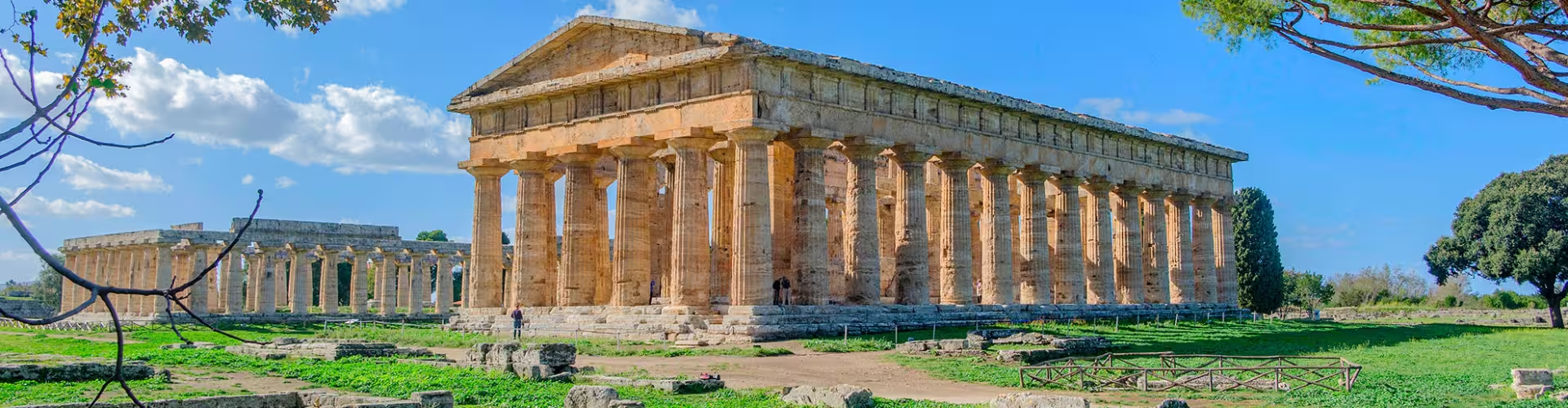
Paestum is one of southern Italy’s most atmospheric archaeological destinations, where monumental Greek temples rise from open countryside near the Tyrrhenian coast. The signature vibe is spacious and unhurried, with big skies, stone columns, and a museum that adds depth to what you see outdoors. Go now if you want a culture-first day that still feels relaxed, with room to slow down, take photos, and pair history with local food.
Paestum sits in Campania, within the Province of Salerno, south of the Amalfi Coast and close to the Cilento area. It is part of the wider Salerno hinterland, making it an easy add-on if you are already traveling through coastal Campania or heading toward the national park landscapes farther south. Common gateways include Naples and Salerno as regional hubs, with onward connections by rail and road into the Paestum area.
Expect the most comfortable sightseeing in the milder shoulder seasons, when walking the archaeological zone feels easier and photo light can be softer. Summer typically brings higher temperatures and more visitors, so planning earlier starts can help you stay comfortable and avoid the densest crowd moments. In cooler months, the site can feel especially cinematic and quiet, although shorter daylight hours mean you will want to prioritize the key areas first.
Italy uses the euro, and most travelers find a mix of card and cash works best for a smooth day. Keep some cash for small purchases and quick transactions, especially if you are stopping at smaller cafés or local producers. For budgeting, plan for transport, entry to major attractions, and a meal, then add a buffer for spontaneous tastings or museum shop finds.
Explore the Greek Temples
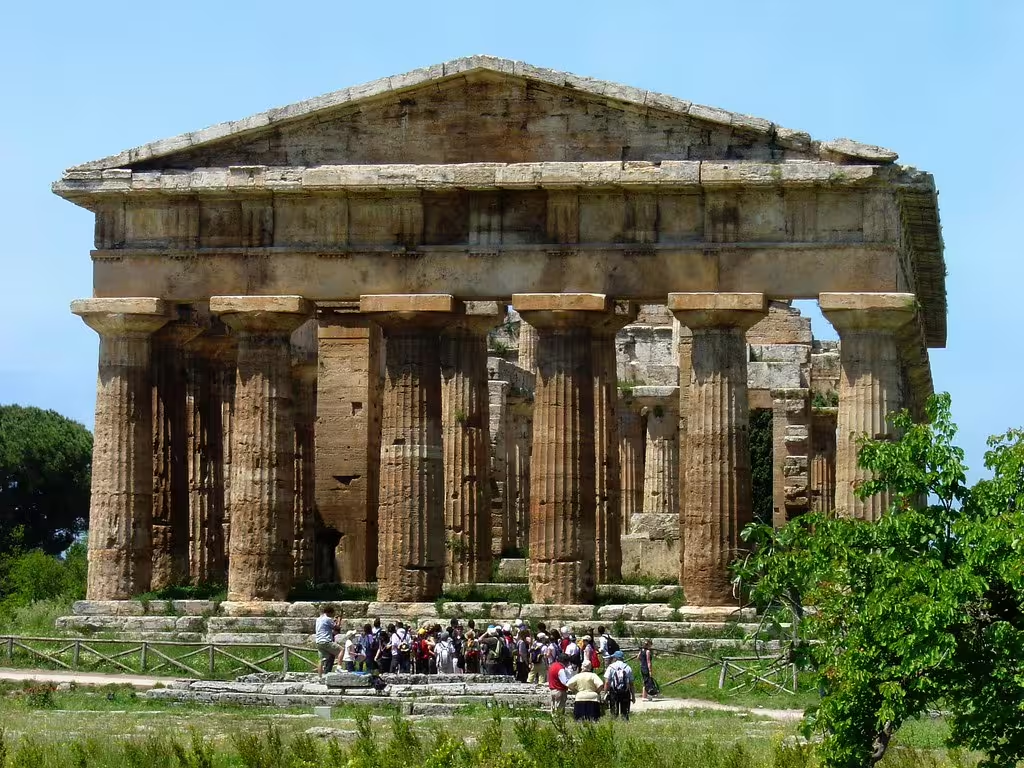
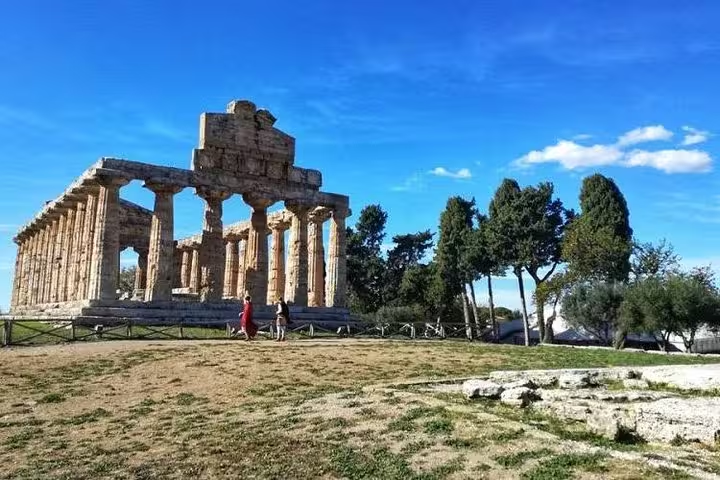
The temples are the headline experience in Paestum, and seeing them in person gives you a sense of scale that photos rarely capture. The open layout makes it easy to appreciate how the sanctuary spaces relate to the surrounding landscape. Practical tip: aim for softer light, early or later in the day, for clearer photos and a calmer walk.
Visit the Archaeological Museum
The museum helps turn impressive ruins into a story by connecting architecture, artifacts, and everyday life. It is the best way to add context, especially if you want to understand what you are looking at beyond the postcard view. Practical tip: visit the museum either first to build context, or last to confirm what you noticed in the site.
Walk the Ancient City Footpaths
Beyond the temples, the wider archaeological area rewards slow exploration, with paths that reveal how an ancient city was organized. This is where the destination shifts from “quick stop” to a fuller historical experience. Practical tip: wear comfortable shoes, and pace yourself, because the site encourages longer walking than many visitors expect.
Plan a Photo Route for Architecture Details
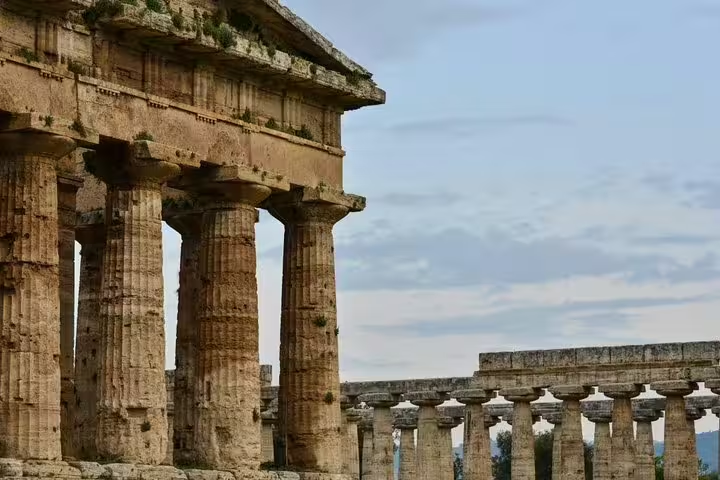
Columns, shadows, and changing angles are a big part of the appeal, and the openness of the site makes it ideal for photography. Looking for details, rather than only wide shots, helps you notice craftsmanship and proportions. Practical tip: bring a lens cloth and water, and take a few minutes to shoot from low angles for dramatic lines.
Pair History with Local Food
The area around Paestum is associated with rural Campania flavors, and many travelers build their day around both culture and lunch. This combination makes the trip feel complete, rather than purely museum-like. Practical tip: schedule your meal outside peak lunch time if you want a quieter table and faster service.
Choose a Slower Pace, Stay Nearby
If your schedule allows, staying near the site can transform the experience from a rushed excursion into an immersive visit. It gives you flexibility to return for different light, or split the museum and outdoor areas across two sessions. Practical tip: if you are doing a Paestum day trip, keep your morning and afternoon blocks clearly defined so you do not feel hurried.
Use Paestum archaeological site Context to Guide Your Route
Thinking of the area as a city, not just temples, helps you plan a route that makes sense and reduces backtracking. It is also a way to appreciate how sacred, civic, and daily spaces would have interacted. Practical tip: decide in advance whether your priority is temples first or museum first, then structure the rest around that anchor.
Build a Culture Loop from things to do in Paestum
A well-planned loop can include temples, museum, a relaxed meal, and a final walk for photos. This keeps energy steady and makes the day feel varied. Practical tip: leave a flexible final hour for what you enjoyed most, rather than over-scheduling every minute.
Start with the outdoor archaeological zone while your energy is highest, focusing on the main temples and the most iconic viewpoints. Break for a simple lunch nearby, then move to the museum to connect what you saw to artifacts and historical context. Finish with a short return walk for photos in changing light, then head onward to your next base in Campania.
On day one, prioritize the temple area and a museum visit, then keep the evening relaxed with a local dinner. On day two, revisit the site at a different time of day, and spend longer on the less obvious sections that reveal the city layout and the feeling of space. If you have a third day, use it for nearby nature or coastal time, turning Paestum into a hub rather than a single stop.
Mozzarella di bufala
Creamy, delicate, and slightly tangy, this is one of the most sought-after tastes in the broader area. Ordering tip: ask for it served simply, so you can taste freshness without heavy sauces.
Pizza in Campania style
Expect a focus on good dough, tomato, and balanced toppings, often served in a casual setting. Ordering tip: choose a classic combination if you want the most reliable quality indicator.
Seafood dishes
With the Tyrrhenian coast nearby, seafood often appears on menus in straightforward preparations that highlight the main ingredient. Ordering tip: look for the day’s catch suggestion, and ask how it is prepared.
Pasta with local sauces
Campania kitchens often lean into tomato-based sauces, herbs, and satisfying textures. Ordering tip: if you want something lighter for a sightseeing day, ask for a simple sauce rather than a heavy baked dish.
Seasonal vegetables and antipasti
Grilled or marinated vegetables can be an ideal start, especially in warmer months. Ordering tip: order a mixed antipasto to sample variety without committing to a large second course.
Espresso and café culture
Coffee breaks are quick, social, and practical for resetting your pace between the site and the museum. Ordering tip: if you want a fast stop, take it at the counter rather than waiting for table service.
Paestum is well-suited to a walking-focused visit once you arrive, since the main archaeological areas are experienced best on foot. For getting in and out, travelers commonly combine regional trains or buses with short local transfers, depending on where they are staying in Campania. If you are using a car, plan for a simple day structure, arrive earlier to reduce stress, and keep water with you for time outdoors.
For accessibility, the key consideration is that archaeological surfaces can be uneven, and long open-air stretches can be tiring in heat. Build in rest stops, and prioritize the sections you care about most, so the day stays enjoyable rather than exhausting.
Salerno
Travel time depends on your route, but it is a natural regional hub with transport connections and an urban waterfront feel. Go for a city break that contrasts with the open archaeological landscape.
Amalfi Coast
A classic pairing if you want dramatic coastal scenery after a culture-heavy day. Go for viewpoints, seaside towns, and a different pace than the plains around Paestum.
Cilento area
Head south for a more nature-forward side of Campania, with a slower rhythm and countryside settings. Go if you want to extend your trip beyond headline destinations.
Naples
A bigger city option for food, museums, and transport links. Go if you want to connect Paestum with a wider Campania itinerary and add urban energy.
Yes, it is commonly visited in a single day if you plan your transport and keep a clear route. Prioritize the temples and the museum, then add a relaxed meal nearby.
Many travelers feel most comfortable with at least a half day, and a full day if you like photography and slower walking. Splitting the outdoor site and museum into two blocks helps pacing.
Earlier and later light usually makes stone textures and columns stand out more clearly. It can also feel calmer than the busiest midday window in warmer seasons.
Cards are widely useful, but having some cash is practical for small purchases and quick café stops. Keep a small amount accessible so you do not lose time searching for an ATM.
Yes, it pairs well with Salerno as a hub and with coastal or countryside areas nearby. This is a strong way to mix archaeology with food, scenery, and a change of pace.