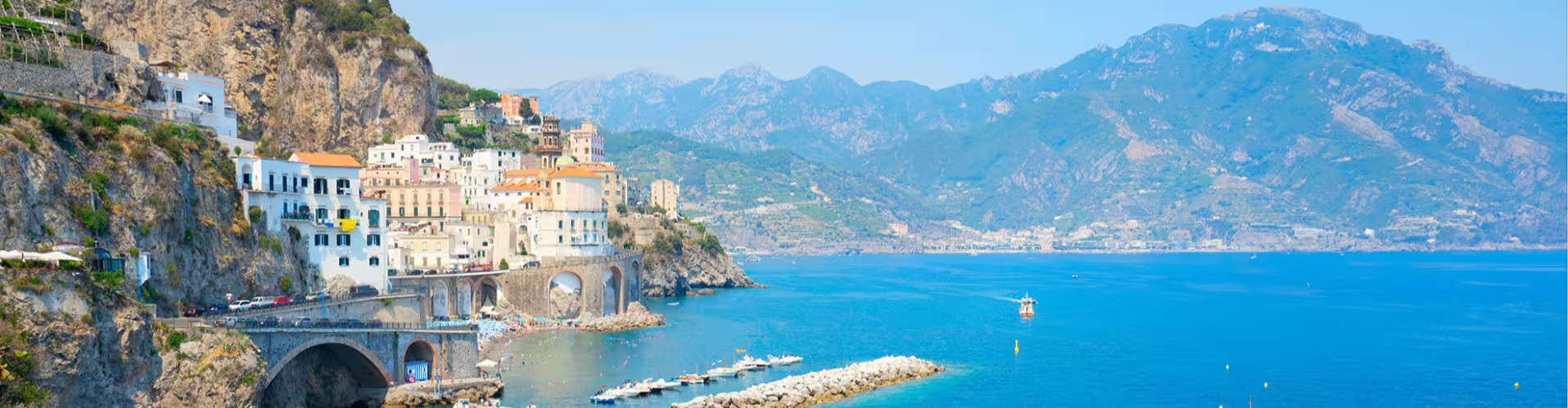


The Tyrrhenian Sea is a Mediterranean stretch defined by dramatic coastlines, island silhouettes, and a relaxed rhythm that suits both slow travel and high impact sightseeing. It is the kind of place where beach time, boat time, and food time naturally become the plan. Go now if you want a coastal escape that mixes nature, culture, and easygoing seaside towns without needing a complicated itinerary.
The Tyrrhenian Sea runs along Italy’s western side and touches Calabria on its western coastline, creating a gateway to beaches, coves, and coastal communities. Calabria sits at the toe of the Italian peninsula, and its Tyrrhenian-facing areas are often associated with scenic drives, sea views, and access to nearby islands. For flights and onward connections, most travelers use major Italian transport hubs and then continue by regional rail, car, or bus depending on the specific coastal base they choose.
Warm season travel is typically about long beach days, swimming, and boat outings, with higher demand for coastal stays and transport. Shoulder seasons often feel calmer, with comfortable conditions for walking, viewpoints, and food focused travel, plus fewer crowds in popular seaside areas. Cooler months shift the experience toward coastal scenery, local culture, and quieter towns, which can be ideal if your priority is atmosphere over swimming.
Italy uses the euro, and a mix of card and cash is practical, especially for small purchases in cafés, beach kiosks, and local markets. Coastal areas can feel more expensive during peak travel periods, so booking stays earlier and traveling midweek can help manage costs. Keep a small amount of cash for tips and quick transactions, and always confirm whether a card minimum applies before ordering.
1) Coastal viewpoint hopping
The Tyrrhenian Sea rewards travelers who chase panoramas, because the coastline frequently opens into dramatic overlooks with changing light and color. These stops are not only photogenic, they also help you understand the geography of the shore and its hidden coves. Practical tip, plan viewpoints around sunrise or late afternoon for softer light and less glare.
2) Beach and cove days
A classic Tyrrhenian Sea experience is switching between lively beaches and quieter pockets where the water feels calmer and the pace slows down. Even a short beach session can reset your day and make evening dining feel earned. Practical tip, bring water shoes and a light cover up, because some coves are pebbly and sun exposure adds up fast.
3) Boat time for a sea level perspective
Seeing the coastline from the water changes everything, cliffs look taller, beaches look more secluded, and the sea reads as a gradient of blues. Boat time also gives you access to swim stops that feel more private than shore based swimming. Practical tip, pack a dry bag and reef safe sunscreen, and keep a light layer for breezes.
4) Sunset promenades in seaside towns
The evening stroll is a coastal ritual, and it is one of the easiest ways to feel the local rhythm without overplanning. You will often find families, couples, and groups gathering for gelato, sea views, and conversation. Practical tip, time your walk before dinner, then choose a restaurant after you have seen what feels lively.
5) Seafood focused meals
The culinary identity of the Tyrrhenian Sea is closely tied to the day’s catch, simple preparations, and bold Mediterranean flavors. Eating seafood here is not just a meal, it is a direct connection to the coast’s working culture. Practical tip, ask what is fresh today, and choose that rather than ordering only from habit.
6) Local markets and small producers
Markets give you the quickest read on what a place values, seasonal produce, preserved foods, and regional specialties that do not travel well. They are also ideal for picnic planning if your day includes viewpoints or beach time. Practical tip, carry a reusable bag and arrive earlier for the best selection.
7) Scenic drives and rail segments
Coastal travel along the Tyrrhenian Sea can be an attraction in itself, with curves, sea flashes, and sudden open views. Even short segments between towns can feel like a highlight when you treat the journey as part of the itinerary. Practical tip, build in buffer time, because photo stops and slow traffic are common in peak season.
8) Slow travel days with a single anchor plan
Not every day needs multiple stops, and the coast is at its best when you allow time for swimming, reading, and long lunches. A single anchor plan might be one beach, one viewpoint, and one dinner, which keeps the day calm and satisfying. Practical tip, decide your anchor early, then let the rest unfold based on weather and mood.
Start with a morning viewpoint stop to get oriented, then head to a beach or cove while the day is still cool and the water is inviting. Break for a seafood lunch, then take a slow afternoon stroll through a seaside town, focusing on the waterfront and small shops. End with sunset on the promenade and a relaxed dinner, choosing dishes based on what looks freshest.
Day 1, choose a coastal base and spend the day balancing one beach session with a town walk, keeping the evening for a long meal and sunset. Day 2, add boat time to see the coastline from the water, then follow it with a market visit and a casual picnic plan. Day 3, keep it flexible for a day trip or a second beach, and use the final evening for a last promenade and a favorite dish repeat.
Seafood antipasti often leans briny, bright, and citrus friendly, with a focus on freshness. Ordering tip, ask for a mixed starter to sample the kitchen’s strengths.
Grilled fish is typically simple and clean tasting, letting olive oil, lemon, and herbs do the work. Ordering tip, ask what is local today and choose the catch of the day.
Pasta with seafood tends to be savory and aromatic, pairing shellfish flavors with tomato, garlic, and herbs depending on the style. Ordering tip, if you want the most balanced option, choose a pasta that highlights one main ingredient rather than a heavy mix.
Fried seafood is crisp, salty, and ideal with a squeeze of lemon, especially when shared. Ordering tip, order it as a shared plate before a main course, because it can be filling.
Gelato is a classic coastal treat, creamy, refreshing, and perfect during an evening walk. Ordering tip, try one familiar flavor plus one local or seasonal option.
Espresso and café culture is fast, flavorful, and part of the daily rhythm. Ordering tip, if you want a quick local style stop, drink at the counter when possible.
Moving along the coast often involves a mix of walking in town centers, regional trains between larger stops, and car travel for beaches, viewpoints, and smaller coves. If you plan to explore multiple coastal pockets in one trip, a car can add flexibility, while rail can be simpler for point to point travel without parking concerns. For safety and comfort, wear grippy footwear for uneven paths near rocky areas, and carry water during hot periods, especially if your plan includes viewpoints or longer walks.
1) Nearby coastal towns
Short hops can deliver a different waterfront atmosphere, from quiet mornings to lively evenings. Travel time varies by route and transport. Primary reason to visit, a change of scenery without changing your base.
2) Inland villages
A quick inland detour can bring cooler air, local crafts, and a deeper sense of regional life beyond the shore. Travel time varies based on roads and elevation. Primary reason to visit, culture and food traditions that contrast with the coast.
3) Island excursions
If your route connects to island transport, an island day can feel like a full reset with sea views in every direction. Travel time depends on departure point and service. Primary reason to visit, boat travel, swimming stops, and iconic Mediterranean scenery.
4) Nature focused escapes
Look for protected landscapes and trails where the coast meets greener terrain. Travel time varies by starting point. Primary reason to visit, hiking, viewpoints, and a break from beach crowds.
What is the best way to plan a first trip to the Tyrrhenian Sea?
Choose one coastal base and plan one anchor activity per day, such as a beach session or a boat outing. Add a sunset promenade and a seafood dinner to keep the experience balanced and easy.
How many days do I need for a satisfying coastal itinerary?
One day covers highlights like viewpoints, a beach stop, and a seaside town evening. Two to three days lets you add boat time, markets, and a flexible day trip without rushing.
Do I need a car to explore the Tyrrhenian Sea coastline?
A car helps if you want to reach smaller coves and viewpoints on your own schedule. Trains and local transport can work well for point to point travel between larger stops, especially if you prefer not to park.
When is the least crowded time to visit?
Shoulder seasons usually feel calmer while still offering comfortable conditions for walking and coastal scenery. Cooler months are quieter and more atmosphere driven, although swimming may be less appealing.
What should I pack for a trip focused on beaches and viewpoints?
Bring water shoes for pebbly coves, sun protection, and a reusable water bottle for hot days. For the Tyrrhenian Sea, a light layer is also useful because breezes can pick up near the water, especially in the evening.