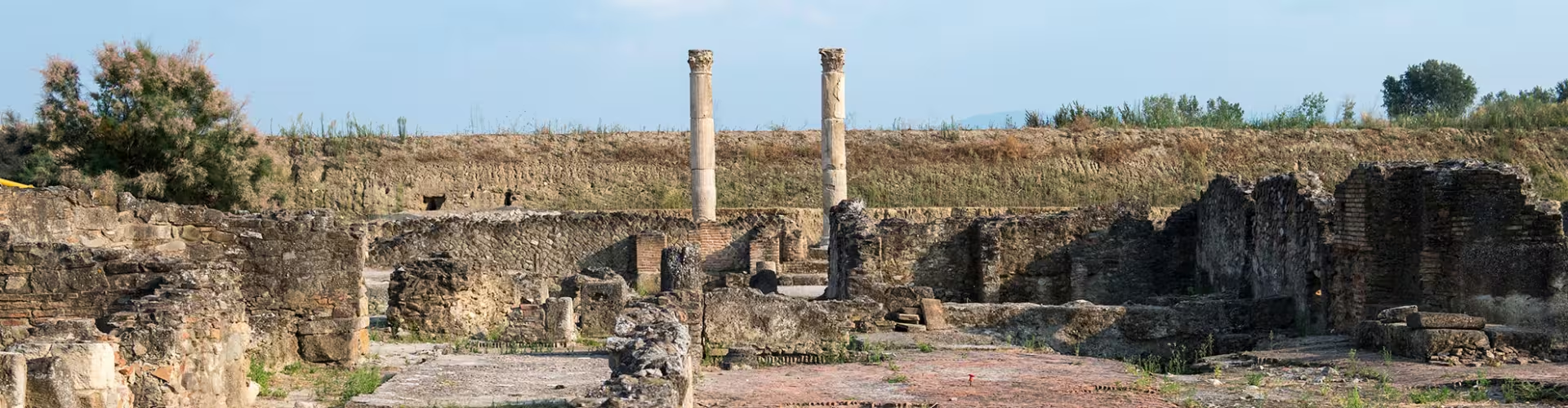
Sibari is a Calabrian destination where wide coastal landscapes and deep layers of ancient history meet a relaxed, beach-forward rhythm. Travelers come for the blend of Ionian Sea scenery, archaeology connected to Magna Graecia, and an easy base for exploring the Province of Cosenza. Go now if you want a lower-key southern Italy feel with room to slow down, plan day trips, and build a trip around nature, culture, and food.
Sibari sits in Calabria, within the Province of Cosenza, along the Ionian side of southern Italy. It is part of a broader area often associated with the Sibaritide, a coastal plain that helps explain the destination’s open horizons and beach-friendly feel. For trip planning, think in terms of regional hubs in Calabria and nearby southern Italy, then connect onward by road or rail depending on your itinerary and day trips.
Calabria’s Ionian coast is generally at its busiest in summer, when beach time becomes the main event and popular routes see more traffic. Shoulder seasons can feel calmer and are often better for combining seaside time with archaeological visits and longer drives into the hills. In cooler months, Sibari works best as a quiet base for exploring the Province of Cosenza and nearby landscapes, with a travel style that leans more cultural and scenic than swim-focused.
Italy uses the euro, and in Calabria it is smart to carry a bit of cash for small purchases, quick snacks, and simple services. Cards are widely used in many settings, but you will have an easier time if you can pay either way, especially when moving between coastal areas and smaller inland stops. Build a flexible budget that covers transport, food, and any museum or site admissions, and keep a little buffer for spontaneous detours, because the best moments around Sibari often come from unplanned viewpoints and extra beach time.
1) Archaeological focus, Magna Graecia context
The name Sibari is tied to the ancient world and the legacy of Greek settlement in southern Italy, a story often grouped under Magna Graecia. Even if you are not a specialist, the experience helps you understand why this coastline mattered for trade, culture, and movement across the Mediterranean. Practical tip, pair archaeology with a slower afternoon, because the mental shift from beach mode to history mode feels more rewarding when you are not rushing.
2) Ionian coast time, beach-first pacing
A big part of the destination’s appeal is the open coastal atmosphere and the simple pleasure of building a day around the sea. The vibe is unforced, with space to read, walk, and reset, which is often what travelers want from Calabria. Practical tip, plan your beach time around light and wind, then keep a backup plan for a cultural stop if conditions change.
3) Coastal walks and photo stops
The wide, flat coastal plain around Sibari creates long sightlines that work well for easy walks and scenic pauses. This is the kind of landscape that makes everyday travel feel cinematic, especially when the sky shifts color. Practical tip, go early or later in the day for softer light and a calmer feel.
4) Explore the wider Province of Cosenza
Using Sibari as a base lets you balance sea-level relaxation with inland variety, including hill towns and changing terrain. This contrast is part of Calabria’s character, where coastal plains and upland areas create different food traditions and local rhythms. Practical tip, set aside one full day for inland exploration so you can drive without pressure and stop when a viewpoint pulls you in.
5) Taste Calabria through simple, local meals
Food in Calabria tends to be direct and confident, with a focus on strong flavors and seasonal logic. Even without chasing specific “must-try” restaurants, a traveler can learn a lot by choosing local specialties and asking what is typical today. Practical tip, if you see a dish described as local or regional, choose it, because it is usually the fastest route to an authentic meal.
6) Build a trip around the Sibaritide landscape
The Sibaritide is more than a label, it is a geographic clue that explains why the area feels open, sunny, and easy to move through. Understanding this helps you plan days that combine coast, countryside, and short drives without the fatigue that comes from constant elevation changes. Practical tip, group your stops by area so you are not zigzagging across the plain.
7) Slow travel, a calmer southern Italy cadence
If your goal is to decompress, Sibari supports a travel style that is not built around constant ticketed attractions. That can be a real advantage for families, couples, and solo travelers who want flexibility and fewer rigid time blocks. Practical tip, leave open space in your schedule, then decide each morning whether the day is for the sea, history, or a day trip.
8) Sunset and evening atmosphere
Coastal destinations often reveal their best mood in the evening, when the pace softens and the air cools. Even a simple walk becomes a highlight when you treat it like a ritual rather than a filler activity. Practical tip, plan dinner after a golden-hour stroll so the day ends with a strong sense of place.
Start with a beach-forward morning to lock in the Ionian coast atmosphere, then switch to an archaeological and historical focus around midday for a change of pace. In the afternoon, take a scenic drive or short exploration across the Sibaritide to understand the region’s geography and how it shapes daily life. End the day with an easy coastal walk and a Calabrian dinner, keeping the evening unhurried.
Day one is for the coast and orientation, walk, swim if conditions suit, and identify a few viewpoints you want to revisit in better light. Day two goes deeper into the cultural layer, with time dedicated to the ancient story connected to Sibari and the broader Magna Graecia context, then a relaxed evening meal. Day three is a flexible day trip into the Province of Cosenza, prioritizing one inland area so you can travel slowly, stop often, and return without rushing.
Calabrian cuisine is known for bold character, often balancing heat, salt, and rich, satisfying textures. In and around Sibari, aim for dishes that reflect the coastline and the agricultural plain, then let your meals become part of your itinerary.
Getting around Sibari and the surrounding area is easiest when you plan by zones, coast for one block of time, then inland for another. Walking works well for short, relaxed stretches and for beach-side pacing, while road travel becomes more important once you start linking multiple stops across the Sibaritide and into the Province of Cosenza. If you are driving, keep your day realistic, build in breaks, and avoid trying to stack too many distant points in a single afternoon.
For accessibility and comfort, prioritize routes that let you return to your base without rushing, especially in hotter periods when midday movement can feel draining. As with many destinations, keep standard travel awareness in transit areas and when handling cash or documents, and plan your essentials so you can move confidently between beach, cultural sites, and day trips.
Sibari is well positioned for exploring Calabria’s contrasts, sea to hills and plains to interior areas, without changing accommodation every night. Choose day trips based on your interests, history, scenery, or a slower food-focused day.
It works well for both, with a coastal rhythm that suits relaxed days and a historical layer linked to Magna Graecia. Many travelers enjoy the contrast by pairing beach time with an archaeological focused visit.
One day can cover the essentials if you keep it simple, coast plus a cultural stop. Two to three days gives you room for a day trip into the Province of Cosenza and a slower pace.
A car helps if you want to combine multiple stops across the Sibaritide and reach inland areas efficiently. If you stay mostly coastal and keep plans local, you can reduce how much you rely on driving.
Shoulder seasons are typically calmer than peak summer and can feel more comfortable for mixing sightseeing with the coast. You will also find it easier to keep your itinerary flexible.
Carry some cash for small purchases, while keeping a card available for larger payments. Build a small buffer for transport changes and spontaneous stops during day trips.