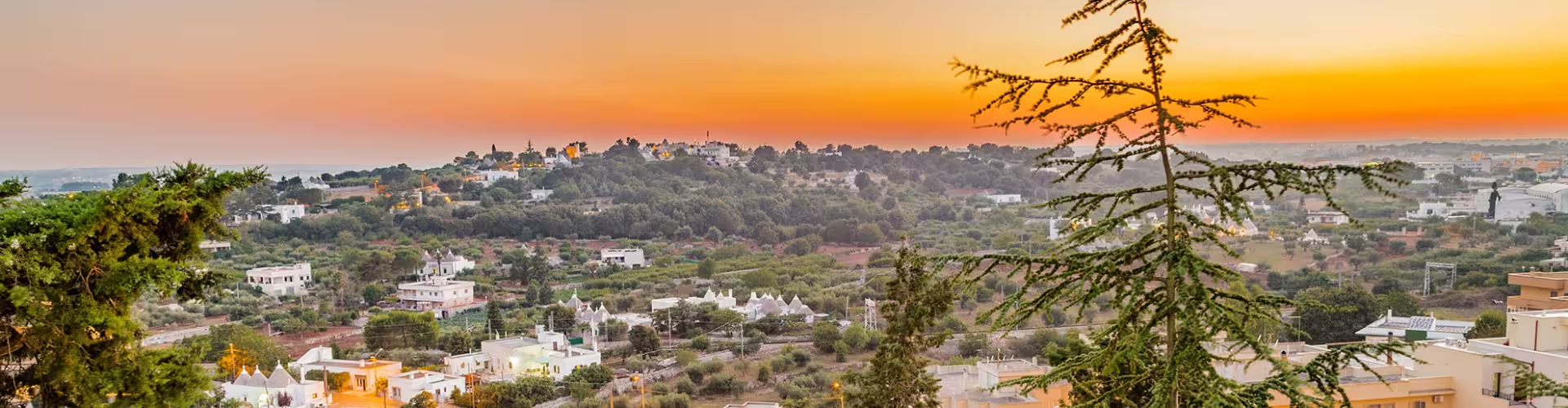


Itria Valley is Apulia at its most cinematic, a patchwork of olive groves, dry stone walls, and whitewashed hill towns crowned by baroque facades and conical trulli roofs. The signature vibe is slow and sensory, morning coffees in small piazzas, long countryside drives, and evenings built around food and conversation. Go now if you want a destination that still feels intimate compared with Italy’s biggest headline cities, yet delivers standout scenery, culture, and flavors in a compact area.
Itria Valley sits in central Apulia in southern Italy, spanning a cluster of towns and countryside between the Adriatic and Ionian sides of the region. It is commonly explored as a triangle of hill towns, with easy connections to the broader Apulian circuit that includes coastal stops and inland villages. For gateways, travelers typically route through major regional airports and rail hubs in Apulia, then continue by car or local transport into the valley’s smaller towns.
Seasonality in Itria Valley is defined by Mediterranean rhythms. Warmer months bring longer daylight, lively town centers, and peak demand for trulli stays, while shoulder seasons are prized for comfortable temperatures and a calmer pace on the roads and in popular viewpoints. Winter can feel quieter and more local, which is ideal if your priorities are atmosphere, photography, and slow meals rather than packed event calendars.
Italy uses the euro, and you will find a mix of card-friendly businesses and cash-preferred small establishments across Itria Valley. Keep cash on hand for quick purchases like coffees, small market items, and rural stops where connectivity can be inconsistent. For budgeting, plan for your biggest variables to be accommodation style, whether you rent a car, and how often you choose sit-down dining versus casual bites.
1) Explore Alberobello’s trulli districts
Alberobello is the visual icon of the area, with its distinctive trulli architecture that feels both fairytale and deeply rooted in local building traditions. Walking the lanes is about more than photos, it is a chance to understand how form followed function in rural Apulia. Practical tip: go early in the morning for quieter streets and cleaner shots of the rooftops and narrow alleys.
2) Wander Ostuni’s white city viewpoints
Ostuni’s bright facades and layered streets create a natural lookout system over olive groves and distant sea horizons. The appeal is the contrast between sunlit walls and shadowed stairways, plus the way the town reveals itself gradually as you climb. Practical tip: wear shoes with grip, the historic center includes polished stone and steep steps.
3) See Locorotondo’s circular old town
Locorotondo is known for a compact, elegant center that rewards slow walking and repeated loops through small lanes. It is a great place to lean into the valley’s quieter side, with a refined, residential feel rather than a single main attraction. Practical tip: visit around golden hour when the light softens the white architecture and the countryside views deepen.
4) Spend time in Martina Franca’s baroque core
Martina Franca adds grandeur to the valley mix, with baroque details, ornate doorways, and a historic center that feels designed for lingering. It is a strong choice if you want culture-forward strolling, architecture, and a more urban energy than the smaller villages. Practical tip: plan a long lunch or aperitivo stop, this is one of the best bases for a full afternoon of wandering.
5) Book a trullo stay in the countryside
Sleeping in a trullo turns Itria Valley from a sightseeing checklist into a lived-in experience, quiet mornings, starry skies, and a sense of rural continuity. It also positions you well for short drives to multiple towns without constantly repacking. Practical tip: confirm parking access and exact directions in advance, rural lanes can be narrow and signage limited.
6) Drive the scenic backroads between towns
The countryside is an attraction in itself, with olive groves, vineyards, and stone walls shaping a landscape that feels timeless. A drive lets you connect the dots between towns at your own pace and stop for photos when the light hits the fields just right. Practical tip: keep your schedule flexible, the best moments often happen between the planned stops.
7) Taste local olive oil and seasonal produce
Apulia’s culinary identity is deeply tied to olive oil and farm-to-table simplicity, and Itria Valley is ideal for leaning into that. Even without formal tastings, you will notice how dishes are built around quality ingredients rather than heavy sauces. Practical tip: ask for what is in season, many kitchens will happily steer you to the freshest options.
8) Photograph the valley’s signature textures
This is a destination of visual details, conical roofs, limewashed walls, wrought-iron balconies, and the geometry of dry stone walls. The “why” is the variety, you can shoot architecture, landscapes, and street scenes in a single day. Practical tip: carry a light layer, evenings can feel cooler once you are in hill towns after sunset.
Start with Alberobello early to enjoy the trulli streets before they get busy, then continue to Locorotondo for a relaxed mid-morning loop through the old town and countryside viewpoints. Head to Martina Franca for lunch and an architectural walk through its baroque center, then finish in Ostuni for late-afternoon light and sweeping views. If you are driving, keep stops short and purposeful, the goal is variety rather than depth.
Day one focuses on the classics, Alberobello plus a countryside trullo check-in, followed by a slow evening meal nearby. Day two is for the hill towns, pair Locorotondo with Martina Franca, then take a scenic drive between them to experience the rural landscape as more than a backdrop. Day three, if you have it, is for Ostuni at an unhurried pace, with time for detours, small shops, and extended viewpoints, plus space to repeat a favorite town when the light is best.
Orecchiette
This iconic Apulian pasta is small, curved, and built to catch sauces and olive oil. The texture is pleasantly firm when cooked well. Ordering tip: ask what the kitchen pairs it with that day, seasonal vegetables and local olive oil are often the highlight.
Focaccia
Apulian focaccia tends to be satisfying and olive-oil rich, great as a snack between towns. It is an easy way to eat well without committing to a full meal. Ordering tip: look for versions topped with local ingredients, then eat it warm if possible.
Burrata
Creamy and delicate, burrata is best treated as a centerpiece rather than a side. In Itria Valley, it fits naturally into simple plates that let the dairy shine. Ordering tip: pair it with tomatoes or vegetables when in season and ask for olive oil on the side.
Olive oil-forward antipasti
Expect small plates built around vegetables, breads, and local staples, tied together by excellent olive oil. The appeal is how “simple” becomes memorable when ingredients are strong. Ordering tip: choose a mixed antipasti selection if you want to sample widely without over-ordering.
Grilled meats and rustic mains
Inland Apulia often leans into hearty, straightforward cooking that matches the countryside setting. These dishes feel especially satisfying after a day of walking hill towns. Ordering tip: if you are unsure, ask for the house specialty, many places have a signature preparation.
Local wine
Apulia is a major wine region, and local pours often offer strong value compared with more famous northern areas. A glass with dinner is part of the valley rhythm. Ordering tip: ask for a regional recommendation by style, crisp white versus fuller red, rather than naming a label.
Itria Valley is easiest to explore with a car, especially if you want to connect multiple towns in a day and enjoy countryside drives. Historic centers are generally best on foot once you arrive, with narrow lanes and pedestrian-friendly cores that reward wandering. If you rely on public transport, plan your days around fewer bases and allow extra time for connections, then use walking to cover each town center efficiently.
For safety and comfort, expect uneven paving, stairs, and slopes in hill towns. Pack footwear suited to stone streets and consider accessibility needs when choosing accommodations, some charming properties are in older buildings with limited elevator access. When driving, take rural roads slowly and be prepared for tight turns and limited shoulder space.
1) Bari
As a major Apulian city, Bari adds urban energy, a historic old town, and transport connections. It is a useful contrast to the valley’s smaller-scale towns. Travel time varies by starting point within Itria Valley.
2) Lecce
Lecce is known for baroque artistry and a more southern Salento feel, making it a strong architecture-focused day out. It pairs well with travelers who want to deepen the cultural side of their trip. Travel time varies by starting point within Itria Valley.
3) Polignano a Mare
This coastal stop is popular for dramatic sea cliffs and bright Adriatic views, a refreshing shift after inland hill towns. It is ideal when you want a half-day by the water. Travel time varies by starting point within Itria Valley.
4) Monopoli
Monopoli offers a coastal old town atmosphere and an easy-going seaside pace. It is a good choice for a relaxed waterfront walk and a meal by the harbor area. Travel time varies by starting point within Itria Valley.
It works as a day trip if you focus on one or two towns, but an overnight stay makes the experience feel calmer and more complete. Staying locally also helps you enjoy early mornings and evenings when the atmosphere is quieter.
A car is the most practical way to connect multiple towns and enjoy the countryside roads at your own pace. Without one, you will want to base yourself carefully and expect to cover fewer places per day.
Many travelers prioritize Alberobello for trulli architecture, then add one or two hill towns such as Locorotondo, Martina Franca, or Ostuni for variety. Choose based on whether you prefer viewpoints, baroque architecture, or slower village strolling.
Bring comfortable shoes with good grip for stone streets, steps, and slopes. A light layer is also useful for evenings, especially if you plan to stay out for sunset viewpoints.
Cards are commonly used, but cash is still helpful for small purchases and places where connectivity can be unreliable. Keeping a small amount of euros on hand makes day-to-day logistics smoother.