
Build your dream
experience

More to know about Province of Barletta-Andria-Trani
Province of Barletta-Andria-Trani Travel Guide
Snapshot
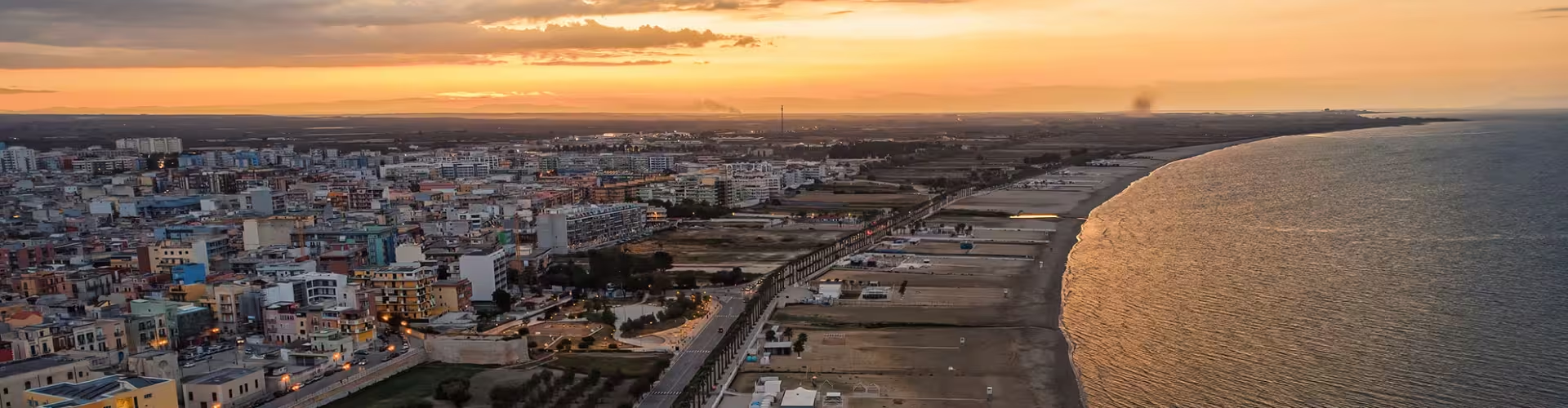
The Province of Barletta-Andria-Trani delivers a distinctly Apulian mix of Adriatic coastline, stone built old towns, and wide open countryside that still feels local. Come for slow paced seaside hours, castle silhouettes, and food traditions that reward curiosity more than checklists. It is an easy choice when you want southern Italy atmosphere with flexible pacing, whether you are planning a quick stop or a multi day loop.
🗺️ Geography and Logistics
📍 Orientation: Where is it within Apulia and Italy? Name key gateway airports or hubs.
The province sits in northern Apulia, facing the Adriatic and bridging coastal cities with inland landscapes. For many travelers, the most practical approach is to use the region’s larger transport hubs and then connect onward by rail or road into Barletta, Andria, and Trani. If you are building a broader southern Italy route, this area pairs naturally with other Apulian stops along the coast and the interior.
🕒 When to Go: Seasonal breakdown. Weather patterns vs. crowd levels.
Expect the classic Mediterranean rhythm: warmer months bring beach energy and longer days, while cooler months lean into city walks, museums, and slower meals. Shoulder season is often the sweet spot for comfortable sightseeing and easier restaurant reservations, especially if you want to combine coastal time with inland exploration. In peak summer, plan earlier starts for sightseeing and reserve your evenings for waterfront promenades and late dinners.
💰 Budget & Currency: Practical money tips, local price levels, and card vs. cash advice.
Italy uses the euro, and you will generally find a mix of card acceptance and cash preference depending on the business and setting. Keep small notes and coins for quick purchases, cafés, and local markets, and use a card for hotels and larger restaurants when possible. Build a budget that covers transport between towns, a few paid cultural sights, and extra room for long meals, gelato stops, and spontaneous tastings.
⭐ Essential Things to Do List
1) Old Town Wanders in Barletta, Andria, and Trani
Historic centers are the heart of the Province of Barletta-Andria-Trani, where narrow streets, stone façades, and small squares create a natural walking itinerary. The vibe shifts by time of day, with quiet mornings, lively aperitivo hours, and evening strolls that feel like a local ritual. Practical tip: aim for early morning photos, then return after sunset when the streets are at their most atmospheric.
2) Seafront Promenade Time on the Adriatic
The Adriatic edge sets the tone here, breezy, bright, and built for unhurried walking. A simple waterfront stroll can be the highlight of your day because it connects cafés, viewpoints, and the everyday rhythm of fishing and leisure. Practical tip: plan a golden hour walk, then choose a restaurant nearby so you can linger without watching the clock.
3) Cathedral and Church Visits for Architecture and Calm
Sacred architecture in this part of Apulia is often defined by pale stone, clean lines, and a sense of timelessness. Even if you are not focused on religious heritage, these spaces offer a quiet counterpoint to busier streets and provide a strong sense of place. Practical tip: dress respectfully and carry a light layer, interiors can feel cool even in warmer months.
4) Castle and Fortification Views
Coastal and strategic towns in southern Italy frequently tell their stories through defensive architecture, and this province is no exception. Castles and fortified viewpoints help you read the landscape, the sea lanes, and the historic importance of these ports. Practical tip: visit later in the day for softer light and fewer groups, then stay nearby for dinner.
5) Market Browsing and Local Shopping
Markets and small shops are where Province of Barletta-Andria-Trani daily life becomes tangible, seasonal produce, simple household goods, and regional specialties. It is also one of the best ways to connect food culture to geography, with inland and coastal ingredients showing up side by side. Practical tip: bring a reusable bag and small cash, and go with a short list plus room for impulse buys.
6) A Food Focused Day Built Around Apulian Staples
This is a destination where meals are a form of travel planning, not a break from it. Use lunch or dinner to explore the region’s olive oil culture, wheat based traditions, and seafood when you are near the coast. Practical tip: ask for house specialties and keep your schedule light, long meals are part of the experience.
7) Slow Photography, Stone, Sea, and Light
The area’s visual appeal comes from contrasts, bright sea horizons, pale stone streets, and deep shadows in alleyways. You do not need a shot list, just time to pause and notice details like balconies, doorways, and harbor scenes. Practical tip: carry water and plan short loops, it is easy to walk more than expected when you are exploring on foot.
8) Countryside Drives and Olive Grove Scenery
Beyond the towns, the landscape opens into fields and groves that define the broader identity of Apulia. A short drive can shift the mood completely, from coastal bustle to rural quiet. Practical tip: keep your route flexible and build in stops for viewpoints, farm shops, or a countryside lunch when available.
🚶 Curated Itineraries
⏰ The Highlights (1 Day): A fast paced “Best Of” route.
Start with a morning walk through an old town center, focusing on the main cathedral area and the most photogenic lanes while the streets are quieter. Move to the seafront for late morning views, then plan a long lunch that leans into regional classics. In the afternoon, choose one major landmark such as a castle area or a key historic site, then finish with an aperitivo and a sunset promenade.
⏰ Deep Dive (2-3 Days): Adding neighborhood exploration and local secrets.
Day one is for a coastal town rhythm: historic center, waterfront, and a relaxed dinner. Day two shifts inland for a different perspective on the Province of Barletta-Andria-Trani, with more time for churches, small museums if available, and neighborhood streets that reward slow wandering. If you have a third day, balance it with countryside scenery and a flexible food plan, market browsing in the morning, a long lunch, and a final evening in your favorite waterfront spot.
🍽️ Flavors of Province of Barletta-Andria-Trani
Orecchiette style pasta
A signature Apulia pasta shape that pairs well with vegetable based sauces and simple, bold flavors. Ordering tip: ask what the kitchen recommends today, seasonal greens and local olive oil often define the best versions.
Focaccia and baked wheat specialties
Apulian baking traditions are deeply tied to wheat and olive oil, resulting in satisfying, aromatic bites. Ordering tip: try it as a snack while sightseeing, then compare versions between towns.
Seafood near the coast
Along the Adriatic, seafood tends to be straightforward and freshness led, letting the ingredient do the work. Ordering tip: ask what is local and in season, and consider sharing starters so you can taste more than one preparation.
Olive oil forward dishes
Olive oil is not just an ingredient here, it is a regional identity marker that shapes everything from vegetables to bread. Ordering tip: look for dishes described as simply dressed, they often highlight quality oil.
Seasonal vegetables and legumes
Southern Italy cooking often shines through humble ingredients, built with patience and balance. Ordering tip: choose one vegetable based side or starter at each meal, it is an easy way to eat like a local.
Gelato and granita style treats
Warm weather days call for cold breaks, and dessert stops fit naturally between walks. Ordering tip: pick one classic flavor and one local or seasonal option to compare.
🚌 Navigation & Transport
Within each town, walking is typically the most rewarding way to explore, especially in historic centers where streets are compact and scenic. For moving between Barletta, Andria, and Trani, a combination of regional rail and driving can work well depending on your schedule and where you are staying. If you are driving, plan for limited access zones and tighter streets in older areas, and prioritize parking outside the core when possible.
For comfort and safety, wear shoes suited to uneven stone paving and bring water in warmer months. If you have mobility concerns, build your plan around flatter waterfront areas and choose fewer, longer stops rather than rapid hopping between sights.
🌄 Beyond the Center: Day Trips
Other coastal towns in northern Apulia
A short regional hop can deliver a fresh waterfront scene and a new old town layout. Primary reason to visit: variety, each coastal stop has its own promenade culture and photo angles.
Inland Apulian countryside loops
A half day drive can shift you into quieter landscapes and a slower pace. Primary reason to visit: olive groves, farm scenery, and a different side of the region’s identity.
Broader Apulia highlights
If you are extending your trip, connect this province with other well known Apulian destinations for a balanced coast and inland itinerary. Primary reason to visit: build a multi base trip that mixes beaches, architecture, and food traditions.
Nearby regional cities for museums and shopping
Larger hubs can add galleries, bigger shopping streets, and transport connections. Primary reason to visit: contrast, it rounds out the more local feel of the Province of Barletta-Andria-Trani.
✅ Insider Tips for Travelers
- Start early in summer, then save your longest walks for late afternoon and evening when the seafront comes alive.
- Plan one anchor sight per day, then leave space for cafés, markets, and unplanned detours in the historic center.
- Carry small cash for quick snacks and market purchases, and keep a card for larger restaurant bills.
- Pack comfortable shoes for stone streets, plus a light layer for cooler interiors.
- If you drive, expect tighter streets in older areas, park outside the center and walk in.
- For food, ask for house specialties and seasonal dishes, it is the easiest way to avoid generic tourist menus.
❓ Frequently Asked Questions, FAQ
What is the best way to explore the towns in the province?
Walking is ideal for historic centers because the most memorable streets and viewpoints are close together. For travel between towns, consider regional rail or a car depending on your pace and where you are staying.
How many days should I plan for the Province of Barletta-Andria-Trani?
One day works for a highlights route with an old town walk and seafront time. For a more relaxed trip with inland and coastal balance, 2 to 3 days in the Province of Barletta-Andria-Trani is a comfortable plan.
Is it better to visit in summer or shoulder season?
Summer brings the strongest beach and evening promenade atmosphere, but it can feel busier and hotter. Shoulder season often gives you easier sightseeing conditions while still keeping a lively dining scene.
Do I need cash, or can I rely on cards?
Carry some cash for markets, small cafés, and quick purchases, and use cards for hotels and many restaurants. Having both keeps your day smooth, especially when you are moving between towns.
What kind of trip is the Province of Barletta-Andria-Trani best for?
It suits travelers who want a mix of Adriatic coastline, historic town walks, and food focused days without over scheduling. The Province of Barletta-Andria-Trani also works well as a flexible base for exploring more of Apulia.
This guide explains how to plan a trip in the Province of Barletta-Andria-Trani in Apulia, focusing on logistics, key experiences, itineraries, and local food. It is written by Toursxplorer.com to help travelers compare options and build a practical route.
Europe, Italy, Apulia, Province of Barletta-Andria-Trani