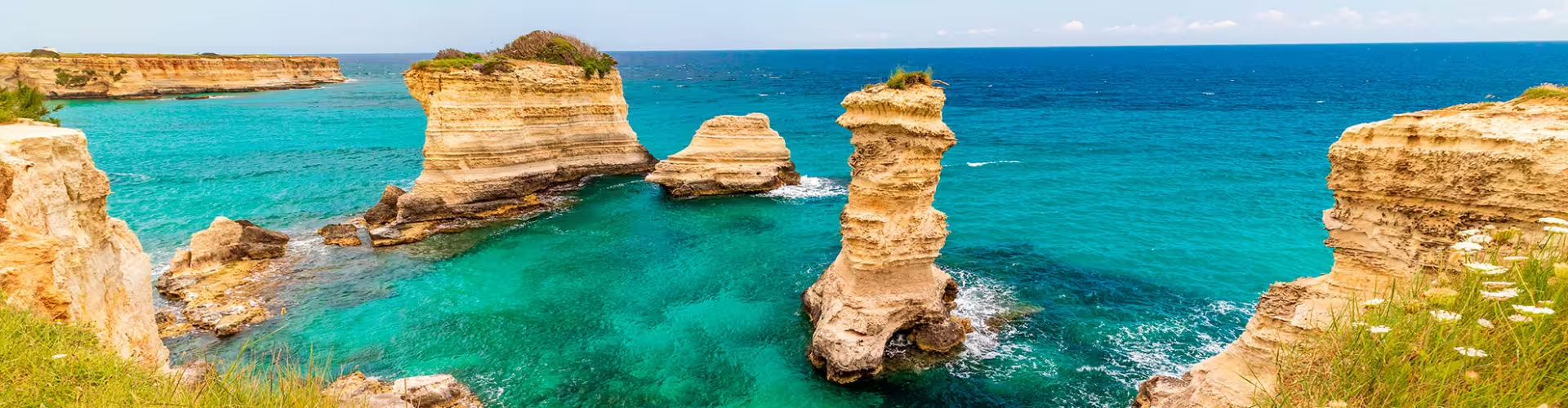


Torre Sant’Andrea is a coastal escape on the Adriatic side of Salento, loved for its sculpted sea stacks, clear water, and a wild, photogenic shoreline that feels dramatic without needing a long hike. The signature vibe is laid back beach time mixed with short scenic walks, with plenty of moments that feel made for sunset photos. Go now if you want a nature-forward seaside day that pairs easily with inland Baroque towns in the Lecce area.
Torre Sant’Andrea sits in the province of Lecce in Apulia, within the Salento peninsula in southern Italy. It is part of the wider Lecce area, which is known for Baroque architecture inland and a coastline that alternates between sandy coves and rocky platforms. For trip planning, think of it as a coastal stop that works well as a day trip base from Lecce, or as a link between other seaside points in Salento.
For gateways, most travelers route through major regional hubs in Apulia, then continue by road toward the Lecce area and the Adriatic coast. If you are building a multi-stop itinerary, it is practical to combine the coast with inland towns because distances in Salento are often manageable by car.
In warmer months, the sea is the main draw, and Torre Sant’Andrea shifts into a beach-first rhythm with more people arriving for swimming and photos. Shoulder seasons are often better for travelers who want the scenery, coastal walks, and calmer viewpoints with fewer crowds. In cooler periods, the coastline becomes more about atmosphere, dramatic waves, and quiet panoramas, with fewer services operating compared to peak summer.
For the best balance, aim for times of day that match your priorities. Early morning favors calm light and fewer people, while late afternoon is ideal for softer colors on the rocks and a more romantic feel.
Apulia uses the euro, and you will generally find that small seaside areas can be simpler with a mix of card and cash. Carry some cash for quick purchases, small beach needs, or places that may not prioritize card payments during busy periods. Budget-wise, plan for typical Italian coastal day costs such as snacks, drinks, and transport, then adjust based on whether you stay nearby or visit as a day trip.
A useful approach is to set aside a small daily buffer for spontaneity. Scenic coastlines often tempt you into an extra coffee stop, a seaside aperitivo, or a last-minute detour to another viewpoint.
1) Photograph the Sea Stacks and Rock Arches
The defining image of Torre Sant’Andrea is its sculpted rock formations rising from the Adriatic, creating a coastline that feels almost like natural architecture. This is why the area stands out in Salento, it is not just a beach, it is a landscape. Practical tip: go early for clean compositions, then return near sunset for warmer tones and fewer harsh shadows.
2) Swim in Clear Adriatic Water
On calm days, the water clarity is a major reason travelers choose Torre Sant’Andrea over more built-up seaside spots. Swimming here feels immersive because the rocky scenery frames the horizon and makes even a short dip memorable. Practical tip: wear water shoes if you plan to enter from rocky edges, and always choose safe entry points based on sea conditions.
3) Do a Short Coastal Walk for Viewpoints
The shoreline rewards slow exploration, with small lookout points that change the angle of the sea stacks and reveal new textures in the rock. It is an easy way to add depth to your visit beyond a single photo stop. Practical tip: bring sun protection and a bottle of water, then pace your walk around the light, mid-morning and late afternoon are often most comfortable.
4) Plan a Beach-Plus Day in the Lecce Area
One of the strongest reasons to visit Torre Sant’Andrea is how well it pairs with inland culture. The Lecce area is known for Baroque streetscapes and a slower evening rhythm, so you can do sea and city in one day. Practical tip: schedule the coast earlier, then head inland later when temperatures drop and the atmosphere becomes more social.
5) Sunset Watching on the Adriatic
As the day winds down, the coast becomes quieter and the rock formations gain contrast and color. Even if you are not a photographer, sunset is when the place feels most cinematic and calm. Practical tip: arrive with time to scout a safe spot and avoid rushing, rocky coastlines are best enjoyed with daylight for footing.
6) Build a Mini Road Trip Through Salento
Torre Sant’Andrea works best as part of a wider Salento loop, connecting a few coastal stops with inland towns. This approach turns a single scenic point into a full day of variety, sea views, short walks, and food breaks. Practical tip: keep your plan flexible, coastal conditions can change, so it helps to have a second nearby stop in mind.
7) Slow Travel Moments, Coffee, Gelato, and Seaside Breaks
Part of the appeal is the simple rhythm of a coastal day in Apulia, a swim, a walk, then a pause for something cold and sweet. These small breaks turn logistics into pleasure and help you avoid the rushed checklist feeling. Practical tip: aim to eat and rest slightly off peak times, you will often find it calmer and more enjoyable.
8) Capture the “Postcard” Angle
Because the formations are so distinctive, a small shift in angle can dramatically change your photos. Exploring a few viewpoints helps you find a composition that feels personal rather than identical to everyone else’s. Practical tip: take a few minutes to watch the sea, then time your shots between waves for cleaner reflections and calmer surfaces.
Start early at Torre Sant’Andrea for your first photos while the light is soft and the shoreline is quieter. Follow with a swim when conditions are calm, then take a short coastal walk to collect a few different viewpoints. In the afternoon, transition inland toward the Lecce area for an evening stroll and dinner, which creates a satisfying contrast between sea drama and city elegance.
On day one, treat Torre Sant’Andrea as your anchor, spending unhurried time on the coast, alternating between swimming, walking, and long photo stops. On day two, expand into a wider Salento loop, balancing another coastal viewpoint with inland time in the Lecce area for architecture and evening atmosphere. If you have a third day, keep it flexible, revisit the coast at a different time of day to experience how the light changes the rock formations and the mood.
Food in this part of Apulia often shines through simple ingredients, strong olive oil culture, and seafood-forward choices near the coast. Use these as a practical tasting checklist while keeping your ordering flexible based on what is freshest.
Getting around Torre Sant’Andrea and the wider Lecce area is easiest when you plan with coastal flexibility in mind. Walking works well for short viewpoint hops and shoreline exploration, but moving between towns and beaches in Salento is typically more practical by road. If you are not driving, build your day around a smaller set of stops so you are not rushed by connections.
For safety, treat rocky coastal edges with respect, especially if the sea is active or surfaces are wet. Accessibility can vary along natural shorelines, so if you need step-free paths, plan for viewpoint areas that are reachable without scrambling and prioritize comfort over getting the closest possible angle.
Yes, it fits well into a single day because the coast delivers strong scenery quickly. Plan to start early so you can enjoy viewpoints and a swim, then head inland later for dinner and a walk.
Early morning and late afternoon usually give softer light and a more relaxed feel. Sunset can be especially scenic, but arrive with time to find a safe viewpoint before daylight fades.
A car makes it easier to combine multiple coastal stops and inland towns in Salento. Without one, you can still enjoy the area, but it helps to keep your plan simple and focused.
Some areas are straightforward for short walks, while rocky edges can be uneven and require care. Choose stable viewpoints, avoid wet rocks, and prioritize comfort and safety over getting closer to the water.
Bring sun protection, water, and footwear that handles rocky ground. If you plan to swim, add a towel and water shoes, and keep a light layer for breezier moments near the sea.