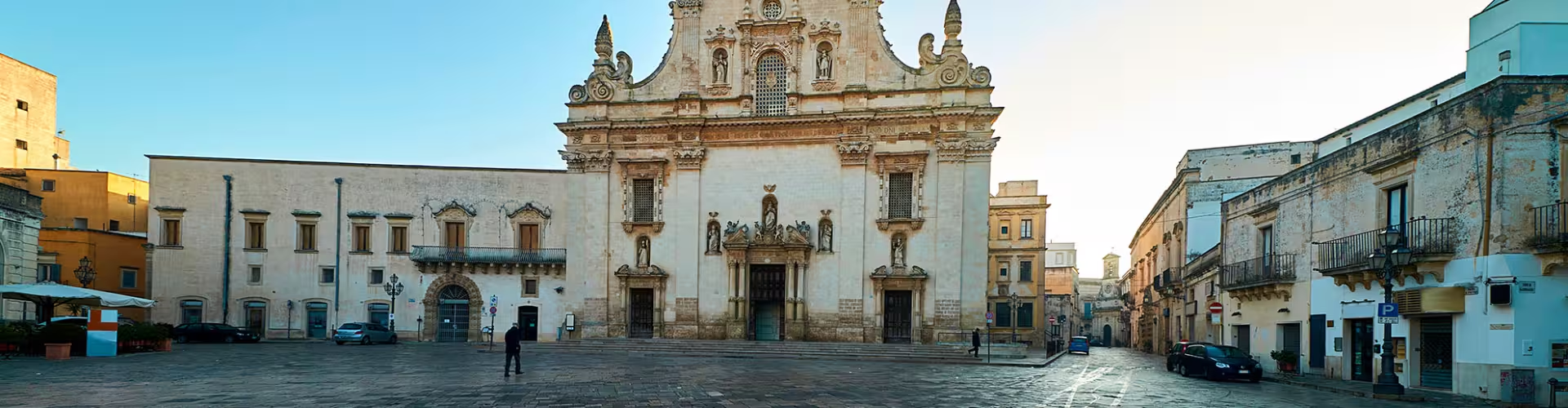


Galatina is a small, character rich town in Salento where Baroque stonework, everyday piazza life, and deep local rituals sit side by side. It suits travelers who want Apulia beyond the coast, with an easy pace, photogenic streets, and a strong sense of place. Go now if you want a quieter base near Lecce with the freedom to day trip to beaches and villages without sleeping in the busiest seaside hubs.
Galatina is in the province of Lecce, in the Salento area of Apulia in southern Italy. For most visitors, the practical gateways are the regional hubs around Lecce and the main airports that serve the broader Apulia region. Once you are in Salento, Galatina works well as a base for exploring inland towns and reaching both the Ionian and Adriatic sides of the peninsula by road.
Salento generally follows a Mediterranean rhythm, with hotter, busier summers and calmer shoulder seasons. If you prefer a slower town atmosphere, aim for spring or early autumn when walking is more comfortable and you can combine culture days with day trips. In peak summer, plan your sightseeing early in the day and keep afternoons flexible for long lunches, shaded cafés, or a drive to the coast.
Italy uses the euro, and you will find a typical small town mix of card friendly businesses and places where cash remains useful. Carry some cash for quick café stops, small purchases, and tips. For budgeting, think in terms of value through timing and choices, a long sit down meal can be a highlight, while simple snacks and espresso breaks keep daily costs predictable.
These experiences help you understand the town’s identity, from its art and architecture to the daily rituals that make it feel lived in.
1) Explore the Historic Center on Foot
The best way to read Galatina is at walking speed, when you can notice carved stone details, small courtyards, and the shift from quiet lanes to lively squares. The town rewards unplanned turns, especially when the light is softer and façades glow. Practical tip: start in the morning for clearer photos, then return near dusk when locals come out for the evening passeggiata.
2) Seek Out Baroque and Local Architecture
Salento is known for decorative stonework, and Galatina offers a more intimate setting than larger cities, which makes architectural details easier to appreciate. Look for ornate portals, balconies, and church fronts that show how local craftsmanship shaped the town’s look. Practical tip: bring a zoom lens or use your phone’s zoom to capture details without needing access to private courtyards.
3) Visit Key Churches and Religious Art
In Apulia, churches often function as living museums, with layers of art, local devotion, and community history. Visiting a few in Galatina helps you understand the cultural heartbeat of the town and the wider Lecce province. Practical tip: dress respectfully and plan for quieter moments inside, especially if you arrive during services.
4) Enjoy Piazza Time Like a Local
The social rhythm of Salento is often written in its cafés and piazzas, where conversation, coffee, and people watching are the main events. In Galatina, this is not a performance for visitors, it is everyday life. Practical tip: order a simple espresso or a cold coffee drink, then slow down and let the town come to you.
5) Taste Salento Specialties in a Relaxed Setting
Food here is a gateway into local identity, shaped by wheat, olive oil, seasonal vegetables, and a tradition of resourceful cooking. Choosing a few classic dishes in Galatina turns a meal into a cultural experience. Practical tip: ask for what is seasonal and local, and consider sharing courses so you can try more without overordering.
6) Follow the Trail of Local Traditions
Salento has a strong tradition of music and ritual, and the area is famously linked to stories of tarantism and healing dances. Even without a scheduled event, you can still sense how tradition shapes local identity through conversation, small museums, and the way residents talk about place. Practical tip: if you hear about a local festival during your stay, confirm details on site and arrive early for the best viewing spots.
7) Use Galatina as a Base for Salento Exploration
Staying inland can mean easier logistics, less coastal congestion, and a more local feel at night. From here, you can plan day trips toward Lecce for Baroque grandeur or toward the coast for beach time, then return to a calmer evening. Practical tip: if you are driving, plan your day trips with one main anchor stop and one flexible stop to avoid rushing.
8) Photograph the Town in Golden Hour
Apulian stone and narrow streets can look dramatically different as the light changes. Golden hour brings out texture and warmth, and it is also when the town feels most animated. Practical tip: pick two or three vantage points and revisit them, you will get better results than trying to cover everything in one pass.
Start with a morning walk through the historic center while streets are quieter and the light is clean for photos. Focus on architectural highlights and a couple of churches, then pause for a café break in a main piazza. After lunch, keep the afternoon flexible, either continue exploring on foot at a slower pace or drive out for a short coastal look, then return for an evening stroll and a relaxed dinner.
Day one, orient yourself with a long walk, church visits, and a slow piazza routine so you understand the town’s rhythm. Day two, plan a day trip toward Lecce for a concentrated dose of Baroque and museums, then come back to Galatina for a calmer evening. If you have a third day, dedicate it to a coastal loop, choose one side of Salento, either Ionian or Adriatic, and build the day around one beach stop plus one village stop to avoid spending the whole time in transit.
Salento cuisine is built on strong olive oil, wheat based baking, vegetables, and simple techniques that let ingredients lead. Use these ideas as a tasting checklist, and ask what is seasonal.
Galatina is most rewarding on foot in the historic core, where narrow lanes and compact distances make walking practical. For day trips, a car is often the simplest way to connect inland towns and beaches on your own schedule, especially if you want to combine multiple stops. If you rely on public transport, plan your days around fewer anchors, confirm connections locally, and keep buffer time so you are not forced to rush through the best parts of the town.
For comfort and safety, wear stable shoes for uneven paving and bring water in warmer months. If you have mobility needs, prioritize wider streets and central squares, and consider limiting plans to a smaller set of must see stops each day.
Yes, it can be a practical inland base if you want calmer evenings and easy access to multiple directions. It works especially well if you plan to mix culture days with coastal day trips.
One day is enough for a highlights walk and a relaxed meal. Two to three days lets you add day trips and enjoy the town’s slower rhythm without rushing.
A car is often the simplest option for flexible day trips in Salento. If you use public transport, plan fewer stops per day and confirm connections locally.
Spring and early autumn are usually more comfortable for walking and tend to feel less crowded than peak summer. In summer, start early and keep afternoons for slower activities.
Try classic Salento tastes like pasticciotto, iced coffee with almond notes, and regional wines. Ask what is seasonal and consider sharing dishes so you can sample more.