Set on the Adriatic in northern Apulia, Molfetta blends a working harbor with a compact historic core and an easygoing, local rhythm that suits short breaks. Use this page for Best things to do in Molfetta, from waterfront strolls and churches to simple food discoveries and practical day planning.
Molfetta is a coastal city in the Bari area of Apulia, in southern Italy. It is well placed for exploring the wider region, with Bari as the main nearby hub for rail connections and onward travel.
Late spring and early autumn are often the most comfortable for walking the seafront and old streets with fewer crowds. Summer brings the liveliest atmosphere along the water, while winter is quieter and better suited to slower sightseeing and food focused days.
Expect typical small city pricing for cafés and casual meals, with better value when you eat simply and seasonally. Carry a little cash for small purchases, while cards are widely useful for restaurants and larger shops.
For a quick planning check, return to Best things to do in Molfetta and choose two anchors per day, one cultural, one coastal, then fill the gaps with food and strolling.
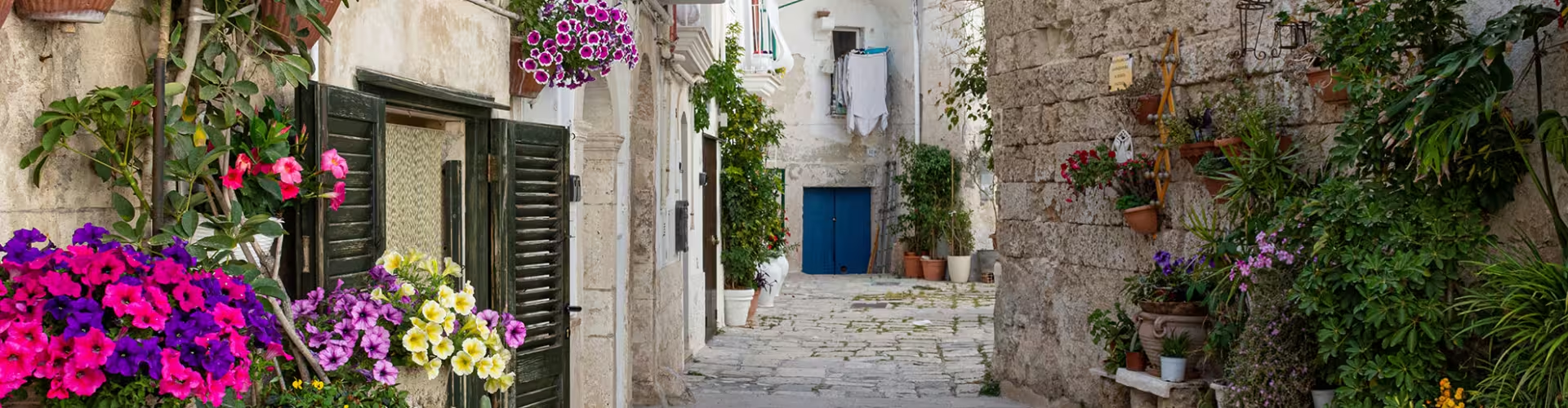
Morning, start with a Molfetta Old Town walk and pause for coffee near the center. Midday, head toward the harbor for a relaxed Molfetta port promenade walk and a simple lunch. Late afternoon, visit a church or two in the historic area, then finish with sunset in Molfetta by the water and dinner close to the port.
Day one follows the one day plan at an unhurried pace. Day two, add a beach window by checking beaches near Molfetta, then dedicate the evening to a focused food plan using where to eat in Molfetta, comparing a casual spot with a more traditional meal.
Use day one for the historic core and seafront, day two for a slower coastal day and extra church visits, and day three for a regional outing. If you want variety, choose one of the day trips from Molfetta options below, then return for a final waterfront stroll.
Molfetta is compact enough that many visitors cover the center on foot, especially for the old town, port, and seafront. For beaches and nearby areas, local transport and short taxi rides can help, but plan around peak times in summer. As with any coastal city, keep an eye on uneven paving in older streets, and choose supportive shoes for long walks.
When comparing options, prioritize day trips from Molfetta that match your pace, one highlight, minimal transfers, and time to return for an evening by the sea.
This page focuses on Molfetta in Apulia, Italy, outlining the city’s coastal layout, core sights, and practical trip planning priorities. It was written by Toursxplorer.com to help travelers choose experiences, organize short itineraries, and plan realistic day trips.
Q1: How many days are enough to see the main highlights?
One day can cover the old town and the waterfront at a comfortable pace. With two or three days, you can add beach time and one of the day trips from Molfetta without rushing.
Q2: Do I need tickets in advance for the main sights?
Molfetta is primarily experienced through walking, churches, and the seafront, so many highlights do not rely on timed entry. If you plan a specific museum or special visit, check locally once you arrive because details can vary by season.
Q3: Where should I base myself for easy walking access?
Staying near the historic center or close to the port makes it easiest to connect a Molfetta Old Town walk with the seafront in the same day. It also helps if you want to plan dinners around where to eat in Molfetta without needing transport late in the evening.
Q4: What is the best season for a coastal focused trip?
Late spring and early autumn are generally comfortable for long walks and outdoor meals. Summer is best if you want to prioritize beaches near Molfetta, but it can feel busier along the waterfront.
Q5: Is Molfetta manageable for travelers with limited mobility?
The flatter seafront areas are typically easier for gentle walking, while older streets can have uneven surfaces. For Best things to do in Molfetta with fewer barriers, prioritize the promenade and plan shorter loops in the historic core.