
Mola di Bari

logoBlack

Build your dream
experience

dreamimg

More to know about Mola di Bari

Mola di Bari Travel Guide 🌊


🧭 Snapshot

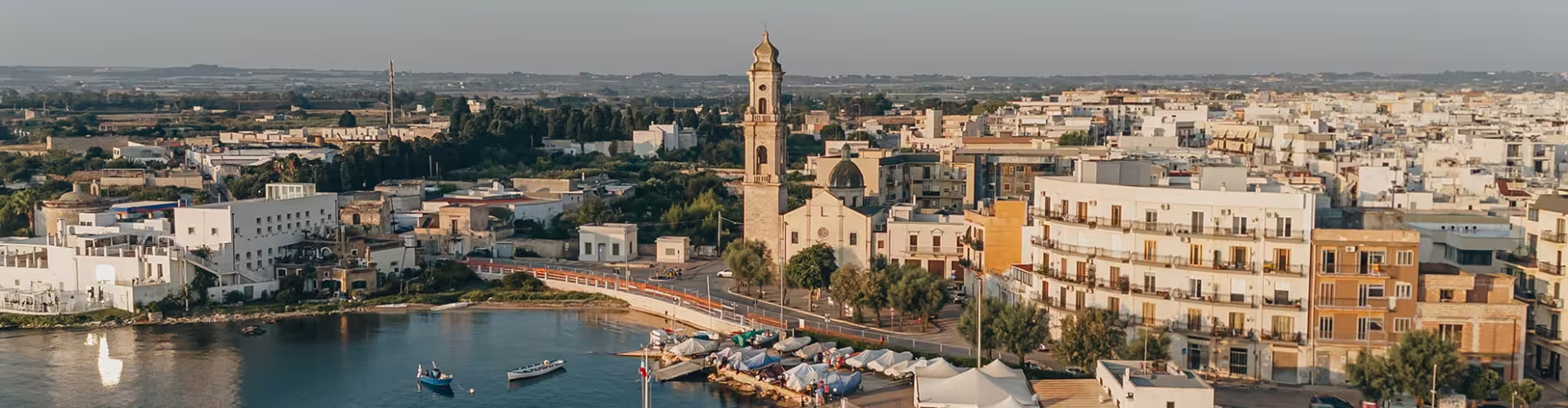
Part working fishing town, part easygoing seaside escape, Mola di Bari is a small Adriatic spot in Apulia where waterfront walks, simple seafood, and local rhythms set the pace. It is a smart base if you want coastal atmosphere without the crowds of bigger hubs, while still staying close to Bari for transport and day trips. Use this Travel guide to Mola di Bari to plan a clear, low stress visit with practical ideas for what to see and how to structure your time.


🗺️ Where It Sits

📍 Geography and Nearby Hubs

Mola di Bari sits on the Adriatic coast in Apulia, in southern Italy, just southeast of the city of Bari. For most travelers, Bari is the main gateway for trains and onward connections, then you continue locally to reach town and the seafront.

🕒 Best Time To Visit

Late spring and early autumn are often the easiest for comfortable walking weather and a relaxed feel. Summer brings the liveliest beach and evening atmosphere, while winter is quieter and more local, with shorter days and fewer tourism services.

💰 Typical Costs and Money Tips

Expect small town pricing for cafés and casual meals, with higher costs in peak summer near the waterfront. Carry a little cash for small purchases, while cards are commonly accepted in many restaurants and shops.


⭐ Essential Things To Do

  • Old Harbor and waterfront promenade: Spend time by the working harbor to see daily life and enjoy the sea breeze, then continue along the promenade for an easy, scenic walk. This is one of the simplest anchors for Best things to do in Mola di Bari, especially near sunset.
  • Seafront sunset walk in Mola di Bari: Plan a late afternoon stroll when the light turns warm on the water and the town feels most atmospheric. It is low effort, high reward, and pairs well with an aperitivo or gelato afterward.
  • Seafood dinner near the port: Mola di Bari is known locally for seafood culture, so prioritize a port area meal and ask what is freshest that day. If you are comparing things to do in Mola di Bari for couples or families, this is an easy win.
  • Historic center lanes: Step a few streets back from the coast to wander quieter lanes, small squares, and everyday neighborhood scenes. It is ideal for slow travel photography and a calmer side of the town.
  • Swim time and beach breaks: In warm months, build in time to swim and sunbathe, then return to town for dinner. For planning, keep beaches near Mola di Bari in mind and check local conditions on the day you go.
  • Photography along the Adriatic shoreline: Bring a camera for sea walls, boats, and changing light across the day. If you want a simple theme for your visit, try a short coastal walk in Mola di Bari with photo stops.
  • Casual café stops: Use cafés as pacing points, especially midday in warmer weather. A short espresso break helps you reset before continuing your Travel guide to Mola di Bari style loop between the harbor and the historic center.
  • Easy local shopping: Look for small food shops and everyday stores rather than souvenir focused streets. This is a practical way to pick up snacks for the beach or a simple picnic.

🚶 Suggested Short Itineraries

⏰ One Perfect Day

Start with a morning loop around the harbor and promenade, then take a slow wander through the historic center lanes before lunch. In the afternoon, schedule swimming or a relaxed break, then finish with a seafront sunset walk in Mola di Bari and a seafood dinner near the port.

⏰ Two Days

Day one, focus on the waterfront, food, and the historic center at an unhurried pace. Day two, add extra sea time and a longer shoreline stroll, then keep the evening flexible for a second dinner choice or a quieter café night, using this Travel guide to Mola di Bari to adjust to weather and energy.

⏰ Three Days

Use day one to orient around the harbor and central streets, day two for beaches and slow coastal time, and day three to add a nearby outing via Bari if you want variety. This pacing works well if your priority is repeating the best views at different times of day, rather than rushing between attractions, which fits many Best things to do in Mola di Bari style trips.


🍽️ What To Eat And Drink

  • Fresh seafood: Ask what is local and seasonal, then choose simply prepared dishes that highlight the catch rather than heavy sauces.
  • Raw seafood, when offered: In coastal Apulia you may see raw preparations, only order if you are comfortable and the venue is reputable.
  • Pasta with seafood: A reliable option if you want something filling after time in the sun, and it pairs naturally with a relaxed evening schedule.
  • Focaccia style snacks: Great for beach days or a quick lunch between walks, especially if you want something portable.
  • Gelato: Ideal after a promenade stroll, particularly when you plan your coastal walk in Mola di Bari around late afternoon.
  • Aperitivo: Use it as a pre dinner pause, especially if you are timing the best light along the water.

🚌 Getting Around

Mola di Bari is compact and easy to explore on foot, especially between the harbor, promenade, and central lanes. For connections beyond town, most travelers route through Bari for rail and onward transport, then return for evenings by the sea. In summer heat, plan walking early or later in the day, carry water, and choose shaded routes through the center when possible.


🌄 Best Day Trips

  • Bari: A convenient nearby hub for transport links and a change of pace, best done as a flexible half day or full day depending on your interests.
  • Polignano a Mare: A popular coastal stop for dramatic scenery and classic Adriatic views, typically easy to combine with other nearby towns if you start early.
  • Monopoli: Another coastal town option for a different waterfront atmosphere, good for an evening stroll and dinner if you want variety.
  • Alberobello: Inland contrast with distinctive architecture, best as a longer day that starts in the morning due to travel time and walking.

✅ Practical Tips For Visitors

  • In peak summer, plan the waterfront and beach time early or late to avoid the hottest hours.
  • If you are building your list of Best things to do in Mola di Bari, prioritize the harbor, promenade, and one unhurried meal by the port, then add extras based on energy.
  • Keep footwear comfortable for uneven lanes in the center and longer promenade walks.
  • Carry a light layer for breezy evenings by the sea, even in warm seasons.
  • Bring sun protection for open shoreline stretches and pack water for midday walking.
  • Use Bari as your logistics anchor for onward travel, then treat Mola di Bari as your slower paced base.

❓ Frequently Asked Questions, FAQ

Q1: How much time should I plan for Mola di Bari?
Many travelers can see the waterfront, harbor, and historic center comfortably in one day at a relaxed pace. Two or three days works better if you want beach time and slower evenings along the promenade.

Q2: Do I need tickets for the main sights?
The core experiences are outdoor and do not typically involve ticketed entry, such as the harbor area and promenade. If you add day trips via Bari, ticket needs depend on what you choose, and this Travel guide to Mola di Bari keeps your plan flexible.

Q3: What are the best areas to focus on in town?
Most visitors concentrate on the old harbor, the seafront promenade, and the lanes of the historic center just behind the coast. These areas are close together, which helps you cover the essentials without complicated transport.

Q4: How should I plan around summer heat or winter quiet?
In summer, schedule walking and your Best things to do in Mola di Bari list for mornings and late afternoons, then rest during the hottest hours. In winter, expect a calmer atmosphere and plan for shorter daylight when organizing your day.

Q5: Is Mola di Bari easy to visit without a car, and what language should I expect?
It can be manageable without a car if you are comfortable using Bari as a nearby transport hub and focusing on walkable areas once you arrive. Italian is the everyday language, and in smaller towns it is wise to keep key phrases handy for restaurants and shops.