Apulia Travel Guide
Snapshot
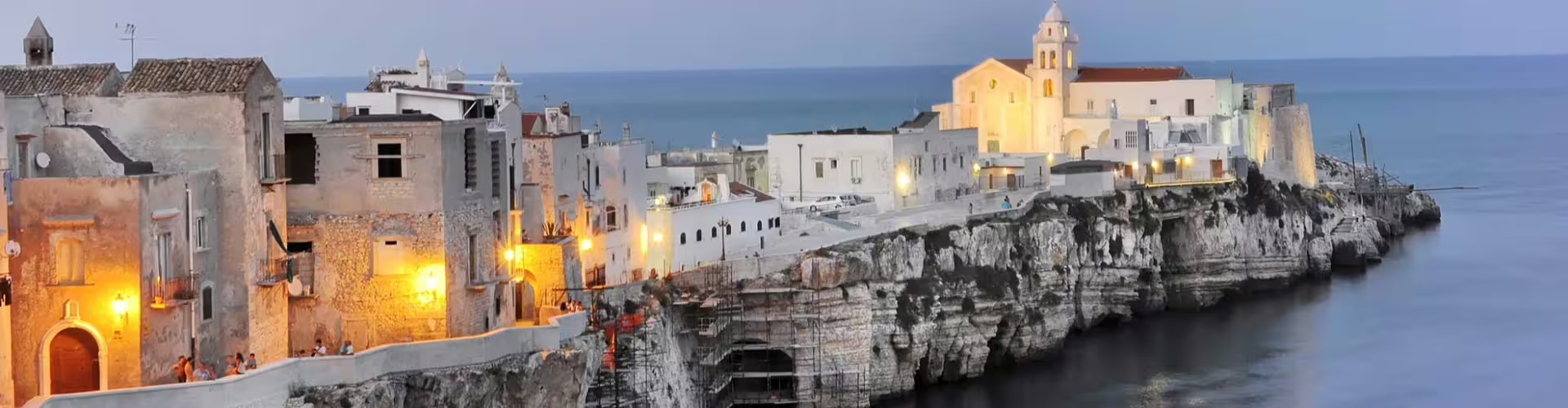
Apulia travel guide planning starts with one simple idea, this is Italy’s sunlit heel where sea views, baroque cities, and olive groves set the pace. Come for a coastline that shifts from sandy bays to dramatic cliffs, then stay for slow food traditions and towns built for strolling. It is especially rewarding when you want variety without constant long transfers, because highlights across the region connect naturally by road and rail.
🗺️ Geography and Logistics
📍 Orientation: Where is it within Italy?
Apulia, also known as Puglia, sits in southern Italy and forms the country’s “heel,” bordered by the Adriatic Sea on one side and the Ionian Sea on the other. The region’s main gateways are Bari and Brindisi, which act as convenient hubs for reaching the coast, the Valle d’Itria, and the Salento peninsula. A good Apulia travel guide approach is to pick one base in the north or central area, then add a second base farther south if you want beach time and shorter drives.
🕒 When to Go: Seasonal breakdown
Apulia’s rhythm is strongly seasonal, with the warmest months drawing the largest crowds to the beach towns and coastal roads. Shoulder seasons are often ideal for travelers who want comfortable sightseeing weather, easier restaurant reservations, and a calmer pace in popular towns. In winter, the region feels more local and quiet, which can be a plus if your priorities are city walks, food, and atmosphere rather than swimming.
💰 Budget & Currency: Practical money tips
Italy uses the euro, and in Apulia you will typically find a mix of card-friendly businesses and places where cash is still handy, especially for small purchases. Carrying some cash can simplify quick transactions in markets, bakeries, and smaller towns. For budgeting, plan a flexible daily range, then prioritize what matters most to you, such as a special seafood meal, a guided experience, or a rental car for coast-hopping.
⭐ Essential Things to Do
These experiences capture the region’s signature mix of sea, stone, and tradition. Use this list to build your Apulia travel guide around what you actually enjoy, whether that is architecture, beaches, or food.
- Explore Bari Vecchia. Bari’s old town is made for wandering, with narrow lanes, small squares, and everyday life unfolding at street level. It matters because it introduces Apulia’s lived-in character, not just postcard scenery. Practical tip, go early for a calmer walk, then return in the evening when the atmosphere becomes more social.
- See Alberobello’s trulli houses. The conical stone homes feel almost storybook, yet they reflect a real local building tradition. It matters because the trulli are one of the most distinctive sights in the region and help you understand how architecture adapts to materials and climate. Practical tip, arrive earlier in the day to enjoy the lanes before they get busy.
- Wander Ostuni, the White City. Whitewashed walls, stairways, and viewpoints create a bright, coastal Mediterranean mood. It matters because Ostuni is a classic Apulian hill town experience with strong visual impact and plenty of places to pause. Practical tip, wear shoes with grip since streets can be steep and smooth.
- Visit Lecce for baroque architecture. Lecce’s ornate facades and warm stone glow in changing light, making the city feel theatrical and elegant. It matters because it adds a cultural counterpoint to beach days and countryside drives. Practical tip, plan a slow afternoon walk and include time for a café stop, this is a city best enjoyed at an unhurried pace.
- Take a coastal day along the Adriatic. Apulia’s Adriatic side offers a mix of coves, cliffs, and breezy seaside towns. It matters because the landscape changes quickly, which keeps a single day of driving or train hops feeling varied. Practical tip, build in spontaneous stops, the best moments often come from viewpoints and small beaches you did not plan.
- Discover the Salento peninsula. The deep south of Apulia has its own identity, shaped by sea traditions and a strong local food culture. It matters because it gives your trip a second chapter, with a different pace and coastal feel. Practical tip, choose one or two towns as anchors, then explore outward to avoid packing and unpacking too often.
- Slow down in the Valle d’Itria. This countryside area is known for small towns, olive groves, and a calm rural vibe. It matters because it is the connective tissue between major sights, and it is where you can feel Apulia beyond the headline attractions. Practical tip, consider a short scenic drive and stop for photos, but keep your schedule light so you can linger.
- Plan a food-focused day. Apulia’s cuisine is a major reason to visit, built on wheat, olive oil, vegetables, and seafood. It matters because tasting local dishes is one of the fastest ways to understand the region’s culture. Practical tip, eat your biggest meal earlier in the day if you want to keep evenings flexible for walks and gelato.
🚶 Curated Itineraries
⏰ The Highlights (1 Day)
Start with a morning walk in Bari Vecchia for street atmosphere and landmark sights, then transition to a midday countryside stop in the Valle d’Itria for a change of scenery. In the afternoon, head toward Alberobello for trulli architecture and a focused stroll through the most characteristic lanes. Finish in a nearby town for dinner, keeping your route simple so the day feels full but not rushed.
⏰ Deep Dive (2-3 Days)
Day 1, base yourself in Bari or nearby and dedicate the day to Bari Vecchia plus an easy coastal stretch, prioritizing relaxed pacing and time for meals. Day 2, explore the Valle d’Itria with a trulli-focused visit and a second hill town such as Ostuni, balancing viewpoints with café breaks. Day 3, add a cultural contrast with Lecce, then decide whether to continue south into Salento for a new coastal mood, this structure keeps transfers manageable while expanding your sense of the region.
🍽️ Flavors of Apulia
- Orecchiette. This ear-shaped pasta is often paired with vegetables and local flavors, giving a satisfying, rustic bite. Ordering tip, ask for the house style of orecchiette to try what the kitchen does best.
- Focaccia barese. Bari’s focaccia is known for a soft interior and a flavorful topping, making it ideal as a snack while sightseeing. Ordering tip, buy it earlier in the day for peak freshness.
- Burrata. Creamy and delicate, burrata highlights the region’s dairy tradition and pairs well with simple tomatoes and olive oil. Ordering tip, keep it simple on the plate, the best versions do not need heavy extras.
- Seafood. Along both coasts, seafood is a natural choice, often prepared to let freshness lead. Ordering tip, choose what is local and seasonal, and ask what the restaurant recommends that day.
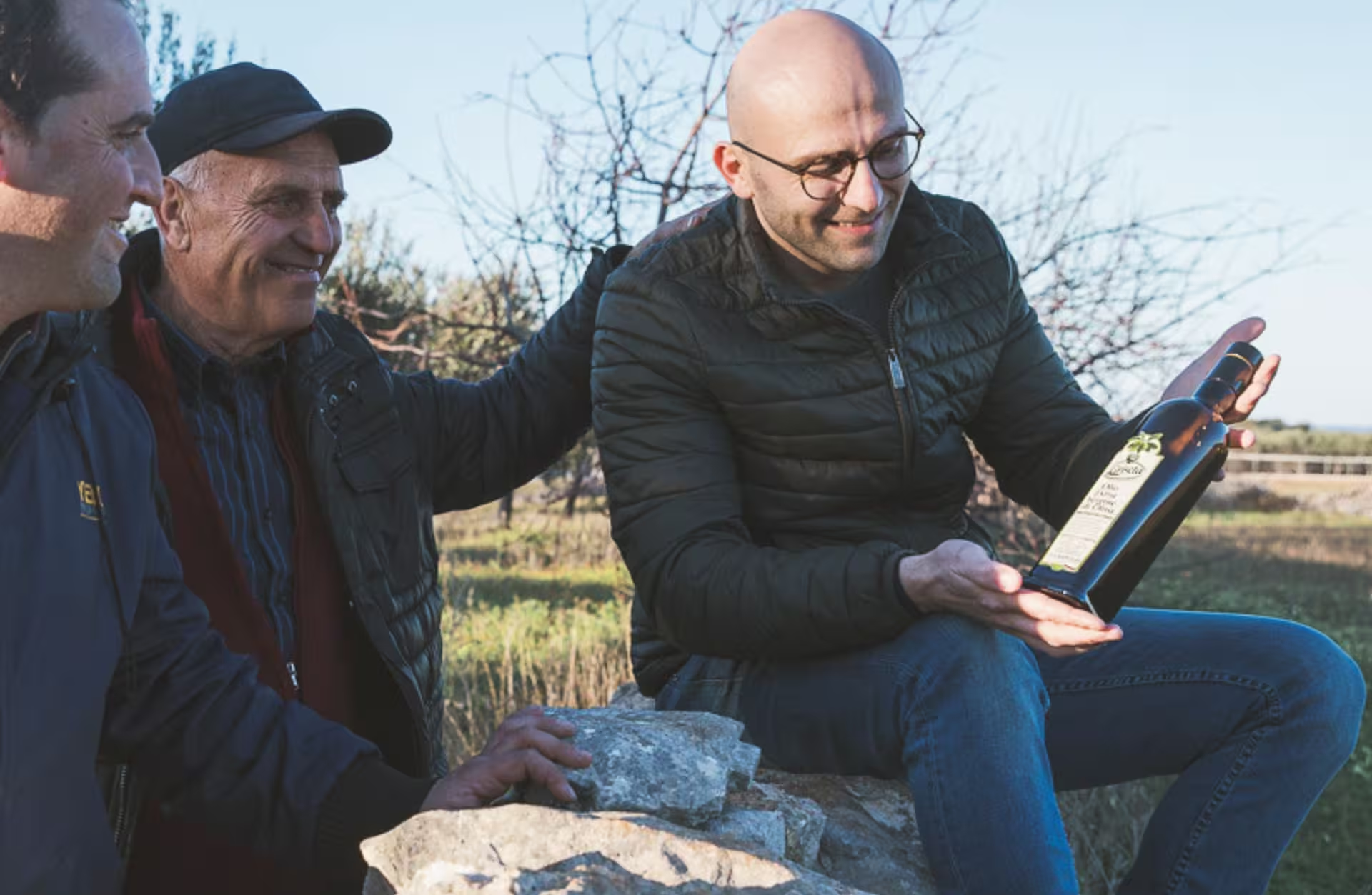
- Olive oil-forward vegetables. Apulia is deeply tied to olive groves, and many dishes celebrate vegetables with generous, fragrant oil. Ordering tip, look for seasonal vegetable sides, they can be the most memorable part of the meal.
- Local pastries and gelato. Sweet breaks fit naturally into Apulia’s strolling culture, especially in baroque cities and seaside promenades. Ordering tip, try a small pastry with coffee, then save gelato for an evening walk.
🚌 Navigation & Transport
Apulia works well with a mix of bases and day trips, and your best transport choice depends on whether you prioritize flexibility or simplicity. Cities and larger towns are walkable once you arrive, which makes them ideal for car-free days. For moving between towns, trains and buses can cover key routes, while a rental car can make it easier to reach rural areas, beaches, and smaller hill towns on your own schedule.
For safety and comfort, plan for warm-weather walking with water and sun protection, and be mindful of uneven stone streets in historic centers. If accessibility is a concern, research lodging locations carefully, because older towns can include stairs, slopes, and limited vehicle access near the core.
🌄 Beyond the Center: Day Trips
- Alberobello. A classic day trip for trulli architecture and a highly distinctive townscape. It is best as a focused visit paired with countryside scenery.
- Ostuni. Go for whitewashed views, hill town lanes, and a lively evening feel. It pairs well with a coastal stop.
- Lecce. Ideal for baroque architecture, city strolls, and a cultural change of pace. It works well when you want a full day without beach logistics.
- Valle d’Itria. Choose it for a slower countryside day and small-town exploration. It is a strong option when you want a break from the busiest hotspots.
- Salento. Best when you want a southern extension with a distinct identity and coastal energy. Consider it if you have extra time and want to reduce backtracking.
✅ Insider Tips for Travelers
- Build your trip around two bases, one in the north or center, and one farther south, to reduce packing and long drives.
- Start sightseeing early in popular towns, then use late afternoon for scenic drives and viewpoints.
- Plan for stone streets and stairs in historic centers, supportive shoes make a noticeable difference.
- Keep some cash for small purchases, especially in markets and smaller towns.
- Leave space for spontaneous stops on coastal days, viewpoints and small beaches often become trip highlights.
- Balance “must-sees” with slower meals, Apulia rewards travelers who do not rush from photo to photo.
❓ Frequently Asked Questions, FAQ
Is Apulia better with a rental car or public transport?
Both can work, depending on your route. Public transport can connect major towns, while a car helps most if you want beaches, countryside drives, and smaller hill towns.
How many days do I need for an Apulia trip?
A focused trip can work in 2 to 3 days, especially if you choose one base and a few day trips. For a broader Apulia travel guide style itinerary that includes Salento, adding extra days reduces backtracking.
What is the best time of year to visit Apulia?
It depends on your priorities, summer favors beach weather but also brings bigger crowds. Shoulder seasons can feel more relaxed for city walks and countryside exploring.
Which towns are best for first-time visitors?
Bari is a practical hub with an atmospheric old town, while Alberobello and Ostuni deliver iconic scenery. Lecce adds a strong cultural dimension with its baroque architecture.
What should I pack for Apulia?
Pack comfortable walking shoes for historic stone streets and layers that match the season. A smart Apulia travel guide packing list also includes sun protection for coastal days.