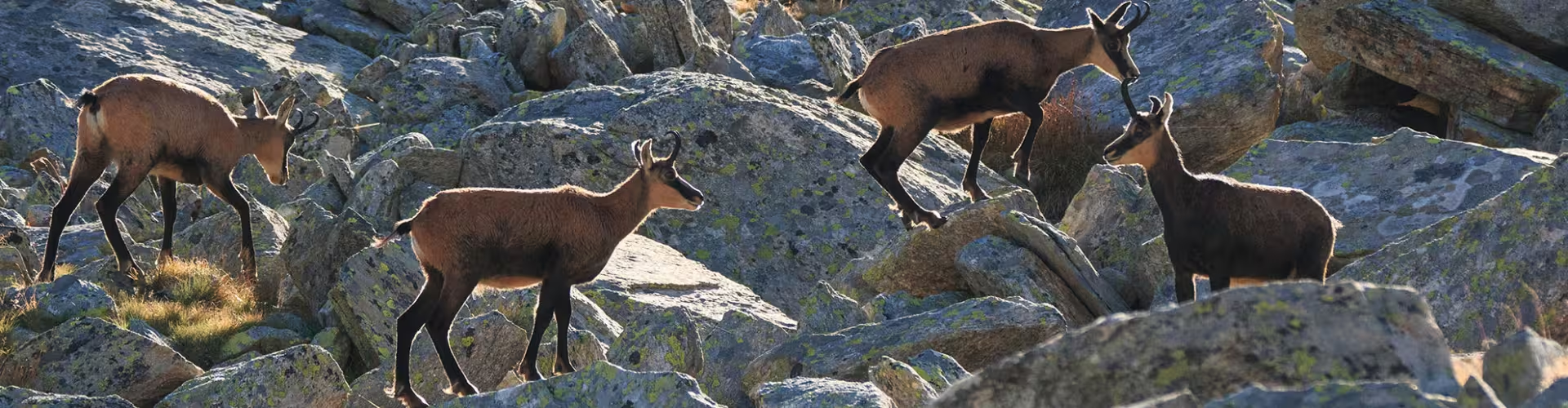


Valnontey is a small alpine hamlet with a quiet, nature-first rhythm, best known as a gateway to big-mountain scenery and trail culture. Come for the clear air, stone-and-wood architecture, and the sense that daily life still follows the seasons. It is especially rewarding when you want a base that feels peaceful while keeping you close to iconic Aosta Valley landscapes.
Valnontey sits in Italy’s Aosta Valley, a compact region defined by high peaks, deep valleys, and a strong mountain identity. Think of it as an alpine access point where your day naturally revolves around trailheads, viewpoints, and the shifting light on the surrounding slopes. For planning, treat the Aosta Valley as your parent area, then build your route around the valley roads that link small villages and outdoor hubs.
Timing in Valnontey is less about a single “best” month and more about matching your trip to the experience you want. Warmer periods tend to favor hiking, longer daylight, and lingering outdoors, while colder periods lean into a quieter feel and a more wintry mountain atmosphere. If you prefer fewer people on the paths, aim for shoulder periods and start your days early to enjoy the calm.
Italy uses the euro, so budgeting for Valnontey follows typical Italian travel basics. Carry a small amount of cash for small purchases and backup, then rely on cards where accepted. In mountain areas, it is smart to plan a buffer in your budget for transport changes and weather-driven adjustments, since flexibility can be part of the trip.
Use this list to shape a trip that balances scenery, local character, and practical pacing. The experiences below are curated to help you get the most out of Valnontey and the surrounding Aosta Valley without overplanning.
Valley Walks for First Impressions
A gentle first walk helps you tune into the place, the soundscape, and the scale of the mountains around you. It also makes it easier to decide which routes you want to prioritize later. Practical tip: do this early on day one, then note trail signs and landmarks so navigation feels effortless afterward.
Hiking as the Main Event
The signature experience around Valnontey is spending time on foot, moving between viewpoints and natural features at a human pace. Even short hikes can feel dramatic because the scenery changes quickly with elevation and light. Practical tip: start earlier than you think you need, especially if you want quieter paths and better photo light.
Scenic Photography Sessions
This is a destination where the landscape does the heavy lifting, and small shifts in cloud and sun can transform the same scene. A focused photo stop helps you slow down and notice details like textures, water, and the line of the valley. Practical tip: return to the same viewpoint at different times of day for a completely different mood.
Local Architecture and Village Atmosphere
Mountain hamlets in the Aosta Valley often reflect practical building traditions and a strong sense of place. Observing the materials, layouts, and small details is a simple way to connect with local identity without needing a packed schedule. Practical tip: take a short self-guided stroll at a quiet hour, then pause for a drink to watch daily life.
Nature-First Slow Travel
The real value of Valnontey is how easily you can shift into a slower rhythm. It is ideal for travelers who want fewer checklists and more time outside. Practical tip: plan one “anchor” activity each day, then leave open space for spontaneous stops when the scenery pulls you in.
Picnic Moments with a View
Picnicking turns a scenic stop into a memorable pause, and it is often more satisfying than rushing to the next point. It also helps you manage costs while maximizing time outdoors. Practical tip: pack reusable water and a light layer, mountain weather can change quickly even on calm days.
Evening Wind-Down in the Valley
After a day outside, evenings are for recovery and soaking up the calm. The destination’s quieter energy makes it easy to sleep well and reset for another day of movement. Practical tip: keep evenings simple, prioritize rest, and prepare your essentials for an early start the next morning.
Start with an easy orientation walk to get your bearings and understand the valley’s layout. Follow with a main hike that matches your fitness and the day’s conditions, then set aside time for a scenic photography stop when the light is most flattering. End with a slow evening, focusing on rest and a calm pace so the day feels complete rather than rushed.
Day one is for orientation and a moderate hike, plus a relaxed evening to lock in the rhythm of Valnontey. Day two is for a longer, more immersive route, building in a picnic break and time to linger at viewpoints instead of chasing distance. If you have a third day, keep it flexible for weather, revisit your favorite scenery, or explore another corner of the Aosta Valley without cramming the schedule.
Food in the mountains often leans comforting and satisfying, designed to match active days and cooler evenings. In Valnontey and the wider Aosta Valley, look for menus that emphasize local tradition and simple, hearty flavors.
Hearty Mountain Soups
Expect warming, filling bowls that feel tailored to post-hike recovery. Ordering tip: ask what is most typical that day, seasonal soups are often the best choice.
Polenta-Style Comfort Plates
Polenta-based dishes are classic in alpine Italy, with a satisfying, rustic texture. Ordering tip: choose this when you want a reliable, energy-rich meal after a long walk.
Local Cheese Focus
The Aosta Valley is known for a strong dairy tradition, and cheese-forward dishes often appear in multiple forms. Ordering tip: if a tasting option is available, it is a great way to compare styles without over-ordering.
Cured Meats and Simple Boards
These are ideal for sharing and pair naturally with a slower evening. Ordering tip: ask for a mixed board if you are undecided, it is usually the best value and variety.
Rustic Pasta or Dumpling-Style Specialties
Mountain cooking often favors hearty shapes and rich sauces that suit the climate. Ordering tip: go with the house specialty rather than a familiar option, it is the easiest way to taste local identity.
Regional Desserts
Desserts tend to be comforting rather than flashy, which fits the overall vibe. Ordering tip: if you are hiking early the next day, share dessert so you can enjoy it without feeling weighed down.
Valnontey is best experienced on foot once you are in the area, because walking lets you absorb the landscape and move at a natural pace. For moving between villages and broader Aosta Valley points of interest, plan on regional road travel and allow extra time for mountain driving conditions. Safety note: mountain weather can shift quickly, so keep a small layer and water with you even on short outings, and pace hikes conservatively if conditions change.
Explore More of the Aosta Valley
Travel time varies by route and road conditions. The main reason to go is variety, you can contrast quiet hamlets with more active valley hubs and scenic drives.
Scenic Mountain Viewpoints by Road
Travel time depends on the specific viewpoint you choose. The payoff is effortless access to panoramas when you want a lower-effort day.
Nearby Villages for Culture and Atmosphere
Short travel times are common within the region, but plan buffers. Visit for a change of pace, local character, and an easy way to add depth beyond hiking.
Valnontey works well for both, because you can choose anything from gentle walks to more demanding hikes. The key is to set a pace that matches your fitness and the day’s conditions.
One day covers a highlights loop with a main hike and scenic stops. Two to three days lets you go slower, add flexibility for weather, and explore more of the surrounding Aosta Valley.
Earlier starts usually mean calmer trails and more comfortable pacing. They also give you more buffer time if conditions shift or you decide to linger at viewpoints.
It is smart to carry a small amount of euros for backup and small purchases. Cards are useful, but mountain travel is easier when you are not dependent on a single payment method.
Yes, Valnontey can be a calm base, especially if your trip centers on scenery and time outdoors. Plan day trips with extra time for mountain roads and keep your schedule flexible.