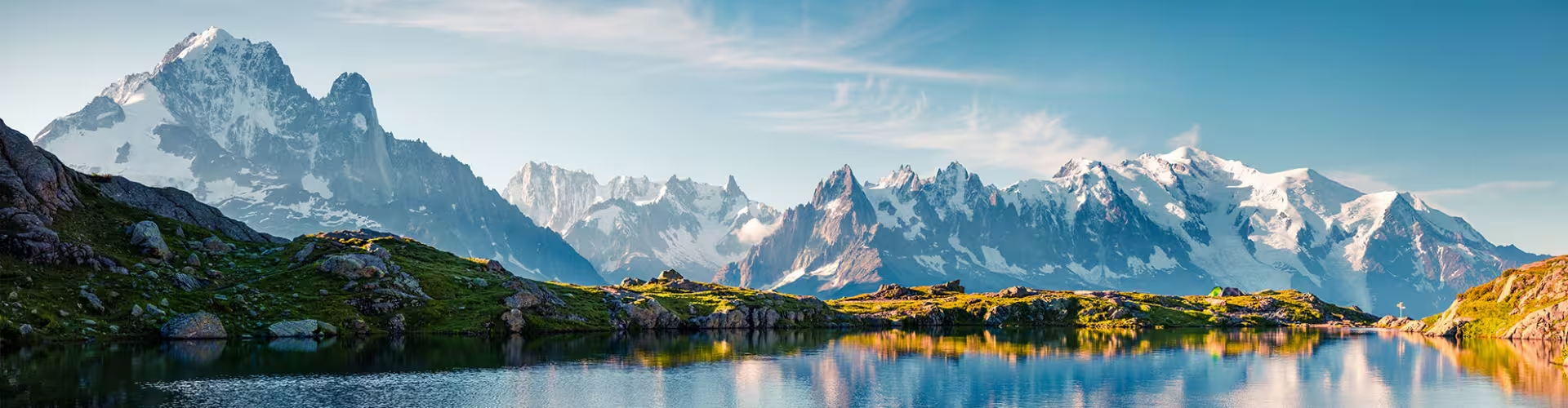

Monte Blanc is a high-alpine icon where cable cars, glaciers, and classic mountain towns create a mix of adrenaline and slow, scenic wonder. Come for the big-view moments, stay for the hiking culture, hearty regional food, and the deep sense of scale that only the Alps deliver. It is a place to plan thoughtfully, because weather, altitude, and demand shape every great day.
Monte Blanc, also known as Mont Blanc, sits on the border region of Italy and France, with the Italian side anchored by Courmayeur in the Aosta Valley. The broader area is defined by the Mont Blanc massif, a dramatic cluster of peaks, glaciers, and valleys that funnel travelers toward a few key gateways. Common access routes connect through major Alpine hubs, then continue by road into the valley, with the Mont Blanc Tunnel serving as a major cross-border link for drivers.
Timing a trip to Monte Blanc is about matching your priorities to mountain conditions. Summer typically aligns with hiking, lift-assisted viewpoints, and longer daylight, but it can also bring higher demand on popular routes. Winter shifts the focus toward snow sports and a quieter, crisp atmosphere in the villages, although storms and visibility can affect plans. Shoulder seasons can feel calmer and more local, but some services may run reduced schedules, so build flexibility into your itinerary.
On the Italian side, you will be using the euro, and prices generally reflect a resort and high-mountain destination where logistics are harder and demand can be intense. Cards are widely used in tourist-facing businesses, but carrying some cash is useful for small purchases and quick stops. If you plan on using lifts, mountain transport, or guided activities, set a clear daily budget, because costs can add up quickly in a place where the main experiences are premium by nature.
1) Ride the Skyway Monte Bianco
This is one of the most direct ways to feel the altitude and the immensity of the massif without committing to a full-day hike. The experience is about perspective, glaciers, serrated ridgelines, and the sense of standing in a world shaped by ice and rock. Practical tip: choose a clear-weather day for the best visibility, and aim for earlier hours to reduce crowd pressure.
2) Explore Courmayeur’s mountain-town core
Courmayeur is a base that balances alpine polish with authentic valley life, making it ideal for a slow walk between cafés, shops, and viewpoints. It matters because it gives context to Monte Blanc, showing how mountain culture shapes daily rhythms, from early starts to après-style evenings. Practical tip: walk with a loose plan, then let the weather guide you toward terraces on sunny days and cozy interiors when clouds roll in.
3) Take a glacier viewpoint walk
Seeing glacial terrain up close makes the destination feel real, not just scenic. These landscapes highlight both natural power and fragility, and they can deepen your appreciation for why the massif is globally famous. Practical tip: wear stable footwear and bring layers, because temperatures can shift quickly with altitude and wind.
4) Hike a classic trail in the Mont Blanc massif
The massif is built for hikers, with routes that range from gentle valley walks to demanding ascents. Hiking matters here because it is the most immersive way to experience the soundscape, the light, and the changing terrain across short distances. Practical tip: start earlier than you think, because afternoon weather can be less stable in high mountains.
5) Experience alpine wellness and slow time
Mountain travel is not only about summits, it is also about recovery and savoring the environment. Thermal-style relaxation, spa time, or simply a long meal can be the difference between a rushed checklist and a memorable trip. Practical tip: schedule downtime on arrival day, especially if you are not used to altitude and long travel days.
6) Photograph the massif at golden hour
Light is a core experience in the Alps, and the massif can look completely different within the same day. Sunrise and sunset bring softer contrast and more texture on snow and rock, which is why photographers prioritize these windows. Practical tip: pick a safe, accessible viewpoint close to town so you are not navigating unfamiliar trails in low light.
7) Try a guided mountain experience
Guides add safety, interpretation, and local decision-making, which can be invaluable in a terrain where conditions change fast. It matters because it can unlock routes or perspectives you might skip on your own, while keeping risk in check. Practical tip: be honest about your fitness and experience level when booking, because the right match is key in alpine environments.
8) Cross-border perspective via the France Italy corridor
The Mont Blanc region naturally connects Italy and France, and seeing both sides helps you understand how geography shapes culture, architecture, and food. It matters because the massif is one destination with multiple identities, and the contrast is part of the appeal. Practical tip: keep travel documents handy and plan buffer time, because cross-border routes can be sensitive to traffic and conditions.
Start your morning in Courmayeur with a simple breakfast and a quick scan of the mountain forecast, then prioritize the biggest viewpoint experience early. Follow with a short, low-commitment walk that keeps you close to town while still delivering glacier and massif views. In the afternoon, slow down with a long lunch and a village stroll, then end the day with a golden-hour photo stop focused on the ridgeline of Monte Blanc.
Day one is for orientation, town time, and a major lift or viewpoint so you can understand the terrain. Day two is for a longer hike in the Mont Blanc massif, chosen to match your comfort level, with time built in for weather changes and rest stops. If you have a third day, use it for a cross-border perspective or a second valley experience, then finish with a food-focused evening that leans into the hearty alpine table.
Polenta
Comforting and filling, polenta is a classic mountain staple that pairs well with rich sauces and cheeses. Ordering tip: ask for a version paired with local cheese or a hearty accompaniment for the most alpine-style meal.
Fontina-style alpine cheese
The Aosta Valley is renowned for cheese culture, and local alpine cheeses are often nutty, savory, and deeply satisfying after time outdoors. Ordering tip: look for a mixed cheese board to taste a range of textures in one sitting.
Hearty mountain soups
Soups in alpine regions tend to be warming, rustic, and designed for cold weather and big appetites. Ordering tip: if you are hiking the next day, choose soup at dinner for a lighter, recovery-friendly option.
Cured meats and charcuterie
Salted, aged flavors fit the mountain climate and pair naturally with bread, cheese, and local wine. Ordering tip: share a board as a starter, it is an easy way to sample regional character without over-ordering.
Gnocchi and pasta comfort dishes
In mountain towns, pasta dishes often lean rich and satisfying, ideal after a long day outside. Ordering tip: ask what is most typical of the house, because daily specials often reflect the most local cooking.
Hot chocolate or coffee breaks
A warm drink is part of the rhythm in alpine villages, especially when weather shifts or you need a mid-walk reset. Ordering tip: time your café stop for late afternoon, when the town energy changes and the light softens.
Getting around the Monte Blanc area usually combines walking in town with road transport for valley-to-valley movement and access to trailheads or lift stations. Courmayeur is comfortably walkable for central sights, meals, and shopping, while reaching higher viewpoints often depends on mountain transport infrastructure. If you are driving, plan carefully for mountain roads and changing conditions, and if you are not, consider taxis or local connections where available.
Safety and accessibility matter more here than in many city destinations. Weather can change rapidly, and altitude can affect energy levels, so keep plans flexible and avoid committing to exposed routes if visibility or wind deteriorates. For accessibility, prioritize viewpoints and experiences that rely on lifts and short paths, and confirm surfaces and gradients locally before setting out.
Chamonix (France)
Travel time varies by route and conditions, but it is a classic counterpart to the Italian side. The main reason to go is to experience the French lens on the Mont Blanc massif, with a different town atmosphere and access points.
Aosta (Italy)
Aosta offers a change of pace from high-mountain resort energy, with a valley-city feel. The reason to visit is cultural contrast, plus a chance to see how the Aosta Valley functions beyond the slopes and trails.
Val Ferret
This valley is prized for quieter scenery and a more pastoral alpine mood. The reason to go is to trade peak drama for a calmer walking environment and expansive views back toward the massif.
Val Veny
Another scenic valley near Courmayeur, known for big landscapes and a strong sense of wilderness. The reason to visit is for trail access and viewpoints that feel more remote while staying close to your base.
Both sides offer memorable access to the Mont Blanc massif, with different town atmospheres and viewpoints. If you want an Italian alpine base, Courmayeur in the Aosta Valley is a strong choice.
One day works for a signature viewpoint and a short walk, especially if conditions are clear. Two to three days gives you room for a longer hike, weather flexibility, and a day trip to a nearby valley or town.
Bring layers, stable walking shoes, and a windproof outer layer, because mountain weather can shift quickly. Add sun protection and a reusable water bottle, since altitude and exposure can be intense even on mild days.
You can handle the town center on foot, and that is often the easiest way to enjoy the village atmosphere. A car can help for valley exploration and trail access, but road conditions and parking logistics can influence whether it feels worth it.
Early morning and late afternoon often deliver the most dramatic light and clearer photo opportunities. Midday can still be beautiful, but glare and crowds can make viewpoints feel less calm.