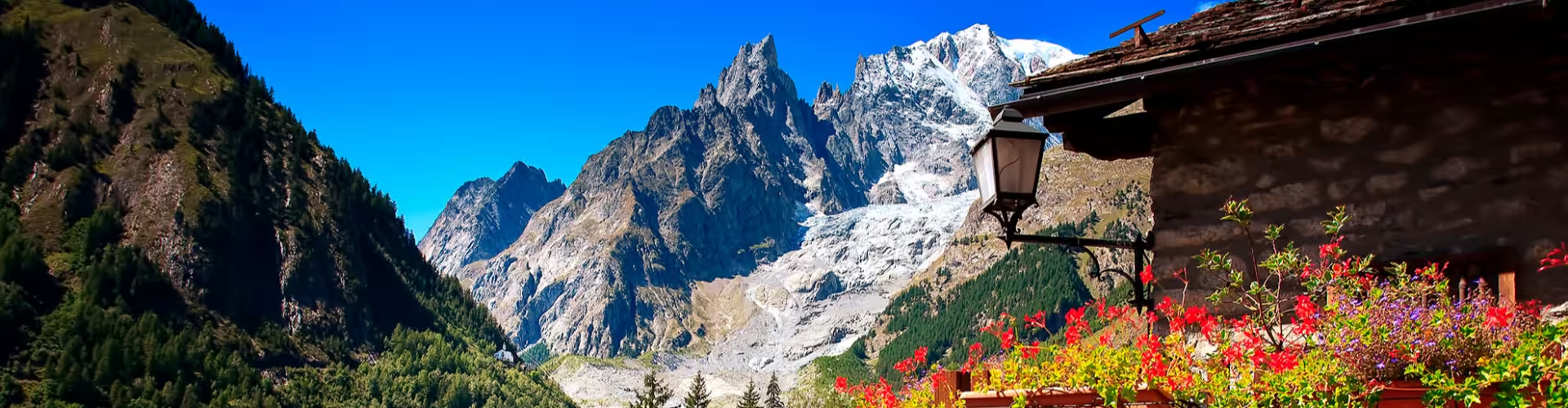


Courmayeur travel guide readers come for a polished Alpine resort atmosphere with real Aosta Valley character, set beneath the dramatic presence of Mont Blanc. The signature vibe blends outdoor ambition, cable car panoramas, and an easygoing town center that feels made for lingering aperitivi after a day outside. Go now if you want a destination that can pivot between high mountain adventure and comfort, with clear seasonal choices for hiking, skiing, and scenic sightseeing.
Courmayeur sits in Italy’s Aosta Valley, close to the border with France, in the shadow of the Mont Blanc massif. It is a strategic base for exploring the high Alps, with road connections through the Mont Blanc Tunnel and onward links that make it a natural stop for travelers combining northern Italy with the French Alps. For arrivals, plan around major regional transport hubs, then continue by ground transport into the valley for the final approach.
Timing in Courmayeur depends on what you want your days to revolve around, snow sports, hiking, or a mix of viewpoints and village life. Winter is the classic season for skiing culture and cozy evenings, while summer leans into trails, fresh air, and long daylight for mountain excursions. Shoulder seasons can feel calmer, but conditions in the high mountains can change quickly, so build flexibility into your plan and prioritize weather-aware activities.
Italy uses the euro, and Courmayeur generally matches the price feel of a well-known mountain resort, where convenience and views can raise the average spend. Bring a mix of card and cash for small purchases, quick snacks, and situations where a minimum card spend might apply. If you are traveling in peak winter or peak summer, book key services earlier and compare options, because last-minute availability can narrow quickly in resort towns.
Use this list as the core of your Courmayeur travel guide planning, then layer in weather, energy levels, and how ambitious you want to be in the mountains.
Ride the Skyway Monte Bianco
This is the signature experience for big-sky views of the Mont Blanc range and a fast, dramatic shift from town life to high-alpine perspective. It helps you understand the geography of the valley in minutes, which makes every later walk and viewpoint more meaningful. Practical tip, aim for a clear day and consider going earlier to maximize visibility and reduce the chance of clouds rolling in.
Plan a Mont Blanc viewpoint day
Courmayeur’s setting makes scenery feel like an activity, not just a backdrop. Building a dedicated viewpoint day is a smart way to keep your schedule flexible, especially if weather changes affect hiking plans. Practical tip, keep one morning unbooked so you can pivot to the best visibility window.
Walk the town center with an aperitivo stop
The center is compact and easy to explore on foot, with the kind of storefront rhythm that suits slow travel, a little shopping, and people watching. This is where the resort atmosphere is most tangible, especially in the late afternoon when the day’s outdoor plans wind down. Practical tip, time your walk for late afternoon, then settle in for an aperitivo before dinner to match local pacing.
Choose a hike that fits your comfort level
In the Aosta Valley, hiking can mean anything from gentle valley walks to steep ascents with serious elevation. Courmayeur works well because you can tailor your day to your fitness and still feel close to the mountains. Practical tip, start with a conservative route on day one, then scale up once you understand the terrain and your own pace at altitude.
Book a ski-focused day in winter
Winter in Courmayeur is built around mountain time, with the town acting as a comfortable base for mornings on snow and relaxed evenings. Even if you are not chasing the most technical terrain, a ski day is a direct way to plug into the destination’s winter identity. Practical tip, lock in rentals and lessons in advance during peak periods so your first day is smooth.
Try a wellness reset between mountain days
Alpine trips feel better when you alternate big days with recovery time. A slower afternoon helps you avoid over-scheduling and keeps you energized for the next cable car ride, hike, or ski session. Practical tip, place your recovery block on day two or three, which is when many travelers start to feel the accumulated fatigue.
Photograph the changing light on the massif
Mont Blanc changes character throughout the day, from crisp morning definition to warmer tones later on. Treat photography like a mini itinerary, because the best moments are often brief and tied to weather. Practical tip, keep your camera or phone accessible during transitions, especially early and late in the day.
Build a flexible “weather-proof” plan
Mountain weather can shift quickly, and a rigid schedule can lead to disappointment. Courmayeur rewards travelers who keep a short list of alternatives, town walks, food stops, and scenic rides that work even when hiking is not ideal. Practical tip, make two plans each day, one for clear weather and one for mixed visibility.
Start with a morning scenic ascent on the Skyway Monte Bianco to anchor your understanding of the landscape. Return to town for an unhurried lunch, then spend early afternoon strolling the center, browsing shops, and taking in the resort atmosphere. Finish with a viewpoint-focused walk timed for late-day light, then commit to an aperitivo and a relaxed dinner to close the loop on the classic Courmayeur travel guide day.
Day one, focus on the big panoramic experience, then keep the afternoon light with town exploration and a long meal. Day two, choose a hike that matches your ability and the conditions, then build in recovery time so you do not turn the trip into a sprint. Day three, use as a flexible day for a second scenic ride, a shorter walk, or a day trip, depending on weather and what you enjoyed most.
Food in the Aosta Valley leans comforting and mountain-friendly, designed for cold-weather appetite and post-hike satisfaction, while still feeling right in summer after a long day outdoors.
Polenta
Warm, filling, and built for pairing with rich sauces or cheese, polenta is classic Alpine comfort. Ordering tip, ask for the house style, because pairings vary and the local version is often the point.
Fontina cheese
This regional cheese is known for its depth and meltability, which makes it a star in hot dishes and simple plates. Ordering tip, look for it in dishes where it is melted, so you can taste its full character.
Fonduta
A creamy cheese preparation that feels like the valley’s answer to a restorative meal after time in the cold. Ordering tip, share it if you are sampling multiple dishes, because it can be rich and filling.
Carbonade
A slow-cooked, hearty meat dish that matches the mountain climate and the local preference for deep, warming flavors. Ordering tip, consider it for dinner after a long hike or ski day, when you want something substantial.
Gnocchi
Soft and comforting, gnocchi works well with creamy or cheese-forward sauces typical of mountain regions. Ordering tip, ask what sauce is most associated with the house, then follow that recommendation.
Genepy
A traditional Alpine herbal liqueur with a distinctive, aromatic profile. Ordering tip, try it as a small digestivo after dinner, especially if you have leaned into the richer local foods.
Courmayeur is well-suited to walking in the center, especially if your plan focuses on the town atmosphere, dining, and easy access points. For mountain experiences, you will typically rely on lifts or pre-arranged transport connections, so it helps to structure your day around a few key moves rather than constant back-and-forth. If you are visiting in winter, prioritize footwear with grip for icy patches, and give yourself extra time in the morning so you are not rushing on slippery surfaces.
Day trips from Courmayeur work best when you keep the goal simple, one major sight, one meal, and a return that does not feel hurried.
Mont Blanc Tunnel area
Travel time varies based on your exact route, but the appeal is the cross-border Alpine context and the sense of moving through a major gateway in the mountains. Primary reason to visit, understand the region’s geography and connections in a tangible way.
Aosta Valley villages
Short-to-moderate travel times can open up smaller communities with a slower rhythm than a resort center. Primary reason to visit, local character, regional food culture, and a change of pace from the main hub.
Scenic valley drives and viewpoints
A flexible option that can be adapted to weather, energy, and daylight. Primary reason to visit, photography, fresh air, and the ability to chase clearer skies if clouds gather around the massif.
Is Courmayeur better for winter or summer?
Both seasons work well, but they deliver different trips. Winter is about snow sports and cozy resort energy, while summer leans into hiking and long daylight for mountain views.
How many days do I need for Courmayeur?
One day is enough for key viewpoints and a town-center stroll. Two to three days is better if you want a hike, a recovery block, and flexibility for weather.
What is the best way to plan for changing mountain weather?
Create two versions of each day, one for clear skies and one for mixed visibility. Keep a scenic ride and town exploration as backups so your time still feels well spent.
Does this Courmayeur travel guide recommend pre-booking activities?
Yes, for peak periods it is smart to book essential services earlier, especially if your schedule is tight. Keeping one flexible window also helps you choose the best visibility for scenic experiences.
What should I pack for a Courmayeur trip?
Bring layers and traction-friendly shoes, because temperatures and surfaces can change with altitude and season. Even in warmer months, a windproof layer can make viewpoints more comfortable.