


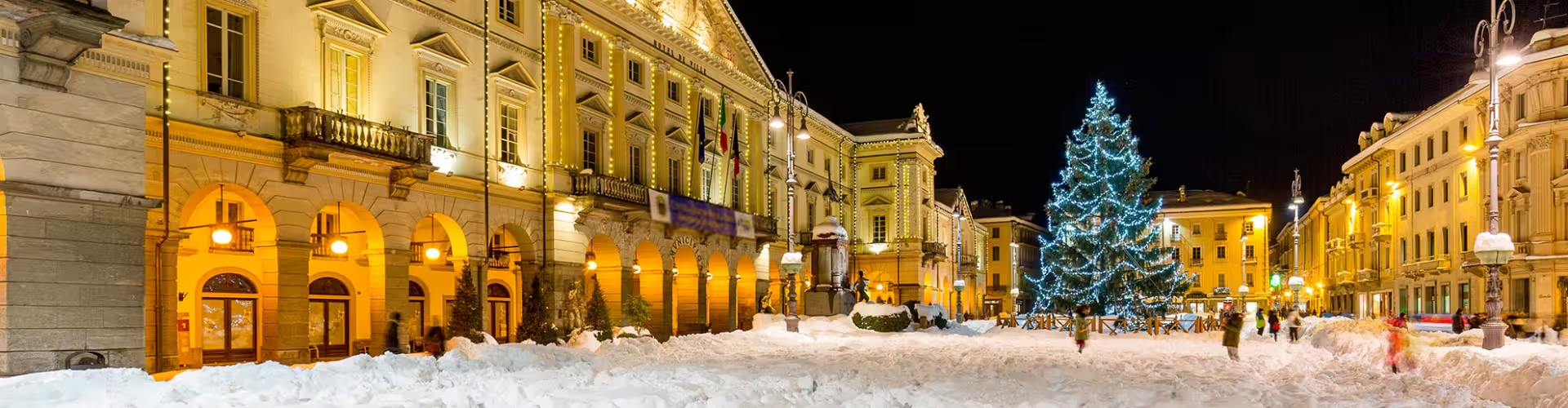


Aosta

logoBlack

Build your dream
experience

dreamimg

More to know about Aosta

Aosta Travel Guide


Snapshot

Aosta travel guide readers come for a rare mix of Roman-era heritage and big-mountain energy, all in a compact Alpine city that feels easy to navigate and rewarding to explore on foot. The signature vibe is quietly historic by day, then cozy and food-focused in the evening, with local flavors that reflect the Aosta Valley’s high-altitude traditions. It is a smart choice when you want Italy with a distinctly Alpine identity, plus fast access to valleys, viewpoints, and outdoor scenery.


๐Ÿ—บ๏ธ Geography and Logistics

๐Ÿ“ Orientation: Where is it within [PARENT_AREA] and Italy? Name key gateway airports or hubs.

Aosta sits in northwestern Italy in the Aosta Valley, close to the borders with France and Switzerland. It works well as a base for exploring the wider valley, with its mountain corridors and resort areas, while still offering an urban core with historic layers. For flight planning, look for major regional gateways in northern Italy, then continue by rail or road to reach the city.

๐Ÿ•’ When to Go: Seasonal breakdown. Weather patterns vs. crowd levels.

Seasons in the Aosta Valley shape the experience, so timing depends on whether you want cultural strolling or an outdoors-first trip. Warmer months suit walking-focused sightseeing and longer daylight for viewpoints, while colder months lean into the Alpine atmosphere and winter landscapes. Shoulder seasons can feel calmer, with a more local pace in the center and easier logistics for popular spots.

๐Ÿ’ฐ Budget & Currency: Practical money tips, local price levels, and card vs. cash advice.

Italy uses the euro, and Aosta generally feels like a practical base compared with more famous Italian city breaks, especially if you plan days that mix free sights with a few paid highlights. Cards are widely used, but carrying some cash helps for small purchases and quick transactions. If you are building a budget, plan for transportation between valley towns, plus meals that often highlight local cheeses and hearty dishes.


โญ Essential Things to Do

These experiences are curated to help you balance history, atmosphere, and the wider Alpine setting, while keeping your plan realistic and enjoyable.

Explore Aosta’s Roman heritage
Aosta’s identity is strongly tied to its Roman-era foundations, which gives the city a distinctive, layered feel compared with many small Italian towns. Walking through the historic core is a simple way to connect the dots between ancient planning and modern daily life. Practical tip, start early to enjoy quieter streets and clearer photos of the most recognizable remains.

Stroll the historic center with a slow, local rhythm
The center is compact, which makes it ideal for a paced itinerary that prioritizes atmosphere over rushing. This is where a Aosta travel guide becomes most useful, because the best moments often come from noticing details, stonework, and the shift from daytime sightseeing to evening dining. Practical tip, choose one main walking loop and add short detours rather than trying to cover everything at once.

Plan a valley viewpoint moment
Aosta is a city where the surrounding landscape constantly frames the experience, and even a short climb or a strategic viewpoint stop can make the trip feel bigger. The payoff is not only the photo, it is understanding how the valley geography shapes travel routes, culture, and cuisine. Practical tip, aim for late afternoon light when the mountains often look more textured.

Use Aosta as a base for the Aosta Valley
One of the city’s strongest advantages is how naturally it connects to nearby valleys and mountain areas. You can keep your accommodation stable, then build day trips around weather and energy levels. Practical tip, group day trips by direction so you do not waste time backtracking.

Prioritize a food-forward evening in town
Aosta’s evenings tend to feel intimate and comforting, especially when you focus on local dishes built for mountain climates. A meal here is part of the destination story, not just a break between sights. Practical tip, book ahead when possible if you are traveling on weekends or during peak seasonal periods.

Choose one signature museum or cultural stop
Even if your trip is outdoors-driven, adding a single cultural anchor helps you understand what makes Aosta distinct within Italy. It also gives you a strong backup plan if weather turns or you want a slower afternoon. Practical tip, place this stop in the middle of your day to reset your pace.

Do a market-style snack crawl
Aosta’s local products are part of the travel appeal, and tasting your way through small bites helps you learn the flavor profile of the region. This is an easy, flexible activity that fits between major sights. Practical tip, buy smaller portions so you can sample more than one specialty.

Build a photo walk around stone, arches, and mountain backdrops
The visual contrast between ancient textures and Alpine horizons is one of Aosta’s signature strengths. A focused photo walk gives purpose to wandering and helps you notice details you might otherwise miss. Practical tip, keep your route short and repeat a few angles, light changes quickly in mountain settings.


๐Ÿšถ Curated Itineraries

โฐ The Highlights (1 Day): A fast-paced “Best Of” route.

Start with a morning walk through the historic center to get oriented and catch the calmest streets. Focus next on a Roman-heritage loop, then pause for a simple lunch that leans into local ingredients. In the afternoon, add a cultural stop or a viewpoint moment, then finish with a relaxed dinner that highlights mountain cuisine, this is the most satisfying way to experience a single day using a Aosta travel guide approach.

โฐ Deep Dive (2-3 Days): Adding neighborhood exploration and local secrets.

Day 1 mirrors the highlights, but with more time to slow down in the center and add a second layer of Roman-era context. Day 2 is ideal for a day trip into the Aosta Valley, then return to town for an unhurried evening meal. If you have a third day, keep it flexible for weather and energy, add another valley excursion or a longer walk, and reserve time for tasting local products without rushing.


๐Ÿฝ๏ธ Flavors of Aosta

Aosta’s food culture reflects mountain practicality, comfort, and rich dairy traditions. Use these ideas to order with confidence and to recognize what makes the Aosta Valley table different from coastal or southern Italian menus.

Fonduta-style melted cheese
Expect a rich, warming texture that feels designed for cooler evenings and hearty appetites. Ordering tip, ask what local cheese is used so you can compare regional variations across the valley.

Polenta with mountain-style toppings
Polenta is a classic Alpine base, often paired with savory components that add depth and comfort. Ordering tip, if you want a fuller meal, choose a version that includes a protein or a robust sauce.

Cured meats and charcuterie boards
High-altitude regions often excel at preserved flavors, and Aosta’s boards are a satisfying way to sample variety in one sitting. Ordering tip, pair it with a local cheese selection to understand the region’s signature taste balance.

Local cheeses from the Aosta Valley
Cheeses here tend to be expressive, with flavors shaped by mountain pasture and seasonal production. Ordering tip, ask for a mixed plate and start with milder options before moving to stronger ones.

Hearty soups and mountain comfort dishes
These dishes typically lean savory and filling, ideal after a day outside or a long walk through town. Ordering tip, if you are eating earlier, share one as a starter so you still have room for a main course.

Rustic desserts with a home-style feel
Desserts often feel straightforward and satisfying, less about spectacle and more about comfort. Ordering tip, ask what is made in-house that day for the freshest option.


๐ŸšŒ Navigation & Transport

Aosta’s center is walkable, and that is the best way to connect Roman-era sights, small streets, and dining spots without overplanning. For valley exploration, you will likely mix regional transport and road travel depending on where you want to go and how much flexibility you need. If you are traveling in winter conditions, build in extra time for mountain routes and keep your plans adaptable, safety and comfort matter more than squeezing in one more stop.


๐ŸŒ„ Beyond the Center: Day Trips

Aosta is well positioned for day trips into the wider Aosta Valley, especially if you want to balance city atmosphere with big scenery. Travel times vary by destination and conditions, but these are the types of nearby experiences that pair naturally with the city.

Valley towns and villages
Reason to visit, a change of pace and a closer look at local life beyond the city. Travel time, plan a short to moderate journey depending on the specific valley route.

Mountain viewpoints and scenic areas
Reason to visit, panoramic landscapes that define the region’s identity. Travel time, often moderate, and longer if you are aiming for higher elevations.

Outdoor trail areas
Reason to visit, walking and nature time that complements the historic center. Travel time, varies, check conditions and choose a route that matches your fitness and daylight.

Cross-border style day themes
Reason to visit, the Aosta Valley’s position near France and Switzerland influences culture and travel flow. Travel time, depends on your chosen hub and border logistics, keep documents and timing in mind.


โœ… Insider Tips for Travelers

  • If you want the best photos, prioritize early morning and late afternoon, mountain light changes quickly.
  • Keep one flexible slot each day for weather shifts, especially if you are planning valley excursions.
  • Carry a small amount of cash for small purchases, even if you plan to pay mostly by card.
  • Pack layers year-round, the valley setting can feel cooler than expected, especially in the evening.
  • Group activities by area, the center is walkable, but day trips can add travel time if you zigzag.
  • For food, order one local specialty per meal, it is the simplest way to taste the region without overordering.

โ“ Frequently Asked Questions, FAQ

Is Aosta easy to explore without a car?

Yes, the historic center is compact and works well on foot for most major sights and dining areas. A car becomes more useful when you want flexibility for valley day trips or viewpoint stops.

How many days do I need for Aosta?

One day covers the essential atmosphere and a Roman-heritage walk, especially if you stay focused. For a fuller Aosta travel guide experience, 2 to 3 days lets you add a day trip into the Aosta Valley and slow down for food and culture.

What is the best season for visiting Aosta?

It depends on your priorities, warmer months suit walking and longer days, while colder months emphasize Alpine ambiance. Shoulder seasons can be calmer and are good for travelers who prefer fewer crowds.

Is Aosta a good base for exploring the Aosta Valley?

Yes, the city is a practical hub for building day trips in different directions while keeping your accommodation in one place. This is one of the key advantages highlighted in a well planned Aosta travel guide.

What should I pack for a trip to Aosta?

Bring comfortable walking shoes for the center and layers for changing temperatures. If you are heading into the valley, add weather-ready outerwear and plan for cooler evenings.