


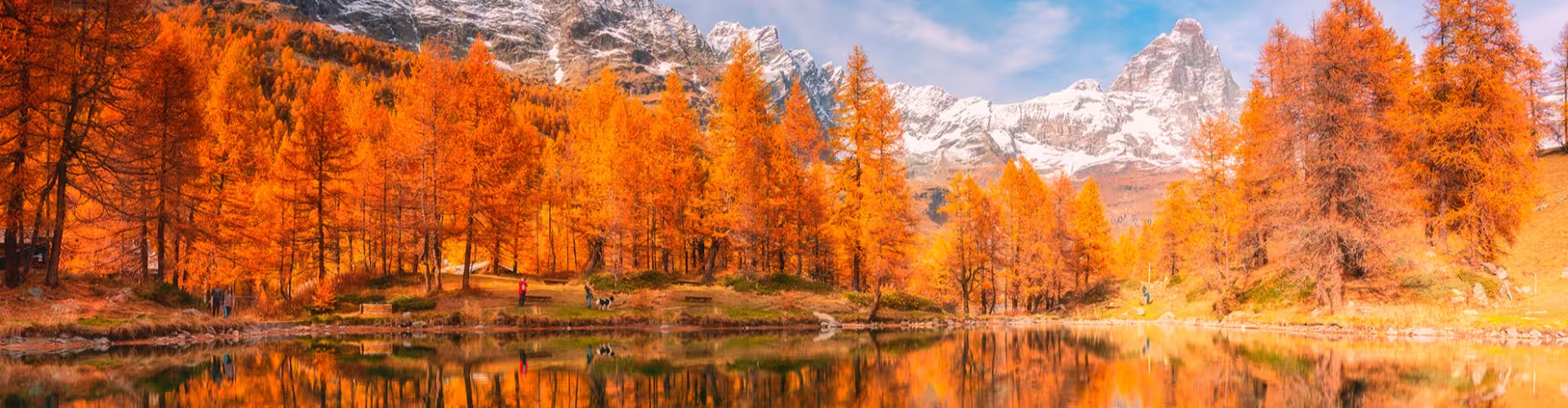




Aosta Valley delivers a rare mix of alpine intensity and small town calm, where Roman stones sit within sight of some of Europe’s most iconic peaks. It is a destination built for travelers who want big nature, crisp air, and a culture shaped by mountain life, without the sprawl of larger regions. Go now if you want a place that feels outdoorsy and authentic, with seasons that clearly change the rhythm of what to do and how to explore.
Aosta Valley is Italy’s smallest region, set in the far northwest corner of the country where Italy meets France and Switzerland. The geography is defined by a main valley carved by rivers and glaciers, with side valleys branching toward high passes and mountain villages. For trip planning, think of it as an alpine crossroads, close to major northern Italy hubs and well placed for combining with neighboring regions if you are building a multi stop itinerary.
Timing in Aosta Valley is all about what you want to do. Winter is geared toward snow sports and cozy village evenings, with shorter days and a stronger need to plan around weather. Summer is built for hiking and mountain viewpoints, with longer daylight and a more active atmosphere on trails and in resort towns. Shoulder seasons can feel quieter and more local, with a calmer pace that suits travelers who prefer scenic drives, food focused days, and flexible plans.
Italy uses the euro, and you will generally find that costs in Aosta Valley can vary widely depending on whether you are staying in a resort area or a smaller village. Cards are widely used, but it is still smart to carry some cash for small purchases, mountain huts, and situations where connectivity can be inconsistent. A practical approach is to set a daily baseline budget for meals and local transport, then treat cable cars, guided activities, and premium mountain stays as add ons that you book intentionally.
Roman Aosta and its classical landmarks
The regional capital has an unusually tangible Roman layer, which gives your mountain trip a cultural anchor and a sense of long timeline. Walking between ancient structures helps you understand why this valley mattered as a strategic route through the Alps. Practical tip, go early in the day for a quieter atmosphere and better photo angles on stone details.
Mont Blanc viewpoints and high altitude scenery
Seeing the Mont Blanc massif from the Italian side is a signature experience that makes Aosta Valley feel globally iconic rather than just regional. The scale of the landscape is the point, glaciers, ridgelines, and sharp light that changes fast. Practical tip, pack an extra warm layer even in summer because wind and temperature shifts are common at elevation.
Matterhorn facing panoramas
The Matterhorn is one of the most recognizable silhouettes in the Alps, and viewpoints in this region turn it into a real, three dimensional presence. This is a strong choice if you want dramatic photos and a sense of alpine grandeur without needing technical hiking. Practical tip, aim for clear mornings when visibility is typically best in mountain environments.
Gran Paradiso National Park style nature days
A day focused on protected landscapes adds depth to your itinerary, especially if you want wildlife, forests, and a quieter kind of mountain beauty. It also highlights how the region balances tourism with conservation and local traditions. Practical tip, start with an easy trail and build up, altitude and terrain can feel more demanding than expected.
Castles and fortified viewpoints
Castles in Aosta Valley are not just decorative, they reflect centuries of border history and the need to control movement through valleys. Visiting one or two creates a strong contrast with the outdoor side of the trip and makes the region feel layered. Practical tip, pair a castle stop with a village stroll so the day does not become only driving and sightseeing.
Valley villages and slow travel afternoons
Small villages are where the region’s identity becomes personal, with local architecture, mountain foods, and a pace that encourages lingering. These stops are ideal for travelers who want a break from big viewpoint chasing. Practical tip, plan one unstructured afternoon, then choose a single highlight, a short walk, a café, or a local shop, and let the rest unfold.
Alpine spas and wellness time
Wellness fits naturally here because mountain air and physical activity make recovery feel earned. A spa session can turn a hiking trip into a more balanced holiday, especially in winter or shoulder seasons. Practical tip, bring sandals and a swimsuit in your day bag if you might decide spontaneously to book a thermal session.
Scenic drives through side valleys
Driving routes in Aosta Valley can be an experience in themselves, with tight turns, changing light, and sudden viewpoints. This is a good option if you want variety without committing to long hikes every day. Practical tip, keep your schedule light, mountain roads reward patience and frequent short stops.
Start with a focused morning in Aosta for Roman era landmarks and a coffee stop, then transition into a high impact mountain viewpoint experience that shows why the region is famous. Build in a relaxed lunch window, then choose one castle or village for an afternoon that adds history and local texture. Finish with a slow dinner, ideally featuring regional cheese and hearty mountain recipes, so the day feels like more than a checklist.
Day one, base yourself around Aosta for culture, an easy walk, and a first taste of local food traditions. Day two, dedicate the core of the day to a major mountain area, focusing on viewpoints, short hikes, and time to simply sit with the scenery rather than rushing between stops. Day three, choose either a nature focused day in a protected landscape or a village hopping route through side valleys, then close with a wellness session or a long dinner that celebrates the region’s slow, alpine pace.
Fontina cheese
Rich, nutty, and designed for melting, this is the flavor cornerstone of the region. Ordering tip, look for it in simple preparations where the cheese is the star, not buried under too many ingredients.
Fonduta
This is a creamy, comforting cheese preparation that matches cold weather and post hike hunger perfectly. Ordering tip, ask what it is served with so you can plan your meal balance, it can be filling.
Polenta with mountain style toppings
Polenta is a classic alpine base, soft and warming, often paired with cheese or hearty sauces. Ordering tip, if you want something lighter, share a portion and add a salad or vegetable side if available.
Carbonade
A slow cooked meat dish that feels built for mountain climates, deep flavored and satisfying. Ordering tip, this pairs well with polenta, but it can be rich, so consider it for dinner after an active day.
Jambon de Bosses
A cured ham with local identity, typically served in thin slices that highlight aroma and texture. Ordering tip, order it as part of a mixed board so you can taste multiple regional items in one sitting.
Genepy
A herbal alpine liqueur with a distinctive, aromatic profile, often enjoyed as a digestif. Ordering tip, if you are unsure, ask for a small pour, it is flavorful and not meant to be rushed.
Getting around Aosta Valley is easiest when you combine a central base with day trips, especially if you want flexibility for weather and trail conditions. Walking works well in town centers and village cores, while buses and regional connections can support point to point travel on popular routes. If you rent a car, plan for mountain driving, including narrow roads and changing conditions, and keep extra time in your schedule for scenic stops and slower traffic in peak periods. For accessibility, prioritize viewpoints and attractions that are reachable by road or lift, and confirm terrain expectations before committing to longer hikes.
Courmayeur
Travel time varies by starting point, but it is a classic mountain town base with strong access to Mont Blanc scenery. The main reason to visit is high impact alpine views and a lively resort atmosphere.
Breuil Cervinia
A gateway for Matterhorn facing landscapes and a strong choice for ski focused or high altitude trips. The main reason to visit is the dramatic peak presence and mountain infrastructure.
Cogne
A nature oriented option that suits travelers aiming for a quieter village feel and access to protected landscapes. The main reason to visit is a slower, more outdoors centered day with a local rhythm.
Gran Paradiso area villages
Ideal for building a day around scenery, short hikes, and a sense of being deeper in the mountains. The main reason to visit is a more immersive nature experience and a break from busier resort hubs.
How many days do you need in Aosta Valley?
One day works for a highlights route that mixes Aosta’s Roman core with a major mountain viewpoint. Two to three days is better if you want villages, nature time, and a slower food focused pace.
Is Aosta Valley better in winter or summer?
Winter suits snow sports and cozy evenings, while summer is ideal for hiking and long daylight. Shoulder seasons can be calmer, but weather can be more variable, so flexibility helps.
Do you need a car to travel around Aosta Valley?
A car adds flexibility for side valleys and viewpoint chasing, especially if you want to move at your own pace. You can still cover key areas with walking in towns and regional connections on popular routes.
What should I pack for Aosta Valley?
Bring layers, a warm mid layer, and a wind resistant outer shell, even in summer. Comfortable walking shoes are essential because village streets and scenic paths can be uneven.
Is Aosta Valley a good base for Mont Blanc and Matterhorn views?
Yes, Aosta Valley is well positioned for experiencing both Mont Blanc and Matterhorn facing scenery on separate day plans. Build your schedule around clear weather windows for the best visibility.