Calascio

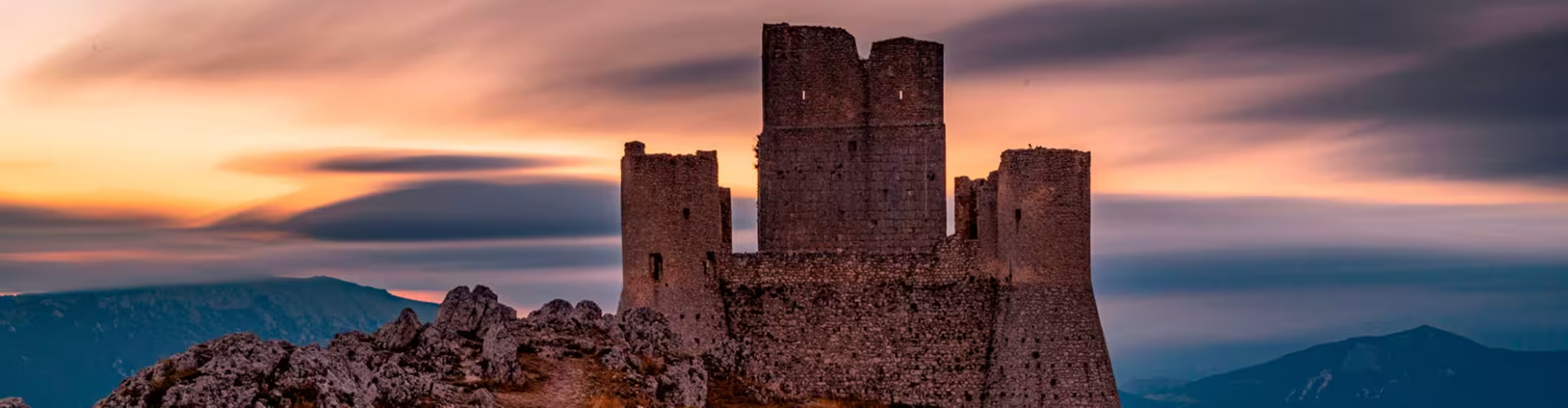
Calascio is a cinematic mountain village in Abruzzo known for stone lanes, sweeping Apennine views, and the iconic Rocca Calascio. Use this guide for when to go, what to do, itineraries, food, transport, and day trips.

logoBlack

Build your dream
experience

dreamimg

More to know about Calascio


Calascio Travel Guide

Calascio is a small mountain destination in Abruzzo that feels cinematic, quiet, and intensely atmospheric. Travelers come for stone villages, wide Apennine views, and a sense of Italy that moves at a slower pace. This guide focuses on practical planning and high-impact experiences so you can decide how long to stay, what to prioritize, and how to explore confidently.


Snapshot

Calascio delivers a high-altitude, medieval vibe where dramatic landscapes and old stone architecture shape every moment. It is the kind of place that rewards early starts, slow walks, and golden-hour photography. Go now if you want a low-noise escape that pairs iconic scenery with simple, outdoors-first days.


🗺️ Geography and Logistics

📍 Orientation: Where is it within L'Aquila and Italy?

Calascio sits in the province of L'Aquila in the Abruzzo region, within Italy’s central Apennines. The setting is mountainous and rural, so travel tends to be slower than in major cities, and planning your route matters. For international arrivals, travelers typically route through larger hubs and then continue by ground transport into the L'Aquila area before reaching the village.

🕒 When to Go: Seasonal breakdown

Expect a mountain climate with noticeable changes by season. Warmer months suit hiking, viewpoints, and longer daylight for photography, while colder months can feel more dramatic and quiet, with conditions that may affect driving and trail comfort. Shoulder seasons often balance manageable crowds with crisp air and clear visibility, which can be ideal for scenic walks.

💰 Budget & Currency: Practical money tips

Italy uses the euro, and costs in small mountain communities often feel more grounded than in major tourist centers, though availability can be limited. Carry some cash for small purchases and rural services, and keep a card as backup for larger payments. Budget extra time, and a little flexibility, since fewer businesses and transport options can mean fewer “instant” solutions if plans change.


⭐ Essential Things to Do

1) Explore the stone lanes of Calascio
Walking the village is the fastest way to understand its character, with weathered stone, quiet corners, and viewpoints that open suddenly between buildings. The pace here is unhurried, which makes even a short stroll feel restorative. Practical tip: wear shoes with grip, since surfaces can be uneven and steep in places.

2) Visit Rocca Calascio for panoramic views
The area is widely associated with its fortress and its commanding position over the surrounding landscape. It is a signature experience because the scenery does most of the storytelling, especially when light changes across the mountains. Practical tip: aim for sunrise or late afternoon for softer light and fewer people in photos.

3) Plan a short hike for big scenery
The terrain around Calascio encourages simple, rewarding walks where the horizon feels close and expansive at the same time. Hiking adds context, you see how villages relate to ridgelines, valleys, and pastureland. Practical tip: pack layers, mountain weather can shift quickly even on clear days.

4) Photograph the Apennine landscape
This is a destination where photography is not an add-on, it is part of the experience. Stone textures, wide skies, and long sightlines create natural compositions throughout the day. Practical tip: bring a lens cloth and extra battery, wind and cold can drain power faster.

5) Slow travel, sit, and observe local rhythm
What makes places like Calascio memorable is how little you need to do to feel immersed. A pause on a bench, a quiet lookout, or a long coffee can become the highlight because the setting is so strong. Practical tip: build “white space” into your itinerary so you are not rushing between viewpoints.

6) Add nearby villages and viewpoints
The broader L'Aquila area has a patchwork of small communities and scenic stops that pair naturally with a base in Calascio. This matters because variety comes from changing angles, elevations, and atmospheres rather than big-ticket attractions. Practical tip: download offline maps, rural signal can be inconsistent.

7) Prioritize golden hour viewpoints
Light is the secret ingredient here, it changes the mood of stone and mountains in minutes. Planning around golden hour helps you get the most emotional impact from the landscape. Practical tip: scout your viewpoint earlier in the day so you are not searching for it as the light fades.

8) Take a mindful, low-impact approach outdoors
Mountain environments feel timeless, but they are sensitive. Staying on paths, carrying out litter, and keeping noise low protects the experience for everyone. Practical tip: bring a small bag for trash and a refillable water bottle to reduce waste.


🚶 Curated Itineraries

⏰ The Highlights (1 Day)

Start early with a village walk to get oriented and enjoy the calm before day-trippers arrive. Then head to Rocca Calascio and spend time moving between viewpoints rather than rushing through, the landscape is the main event. Finish with a late afternoon photo session and an easy evening focused on rest and a simple local meal.

⏰ Deep Dive (2-3 Days)

On day one, keep it local with Calascio on foot, plus a sunset plan that centers on scenery and photography. Day two is ideal for a longer hike or a slow loop that mixes nature with nearby stops in the L'Aquila area, keeping your schedule flexible around weather. If you have a third day, use it for a wider day-trip radius and revisit your favorite viewpoint at a different time of day for a completely new feel.


🍽️ Flavors of Calascio

Food in Abruzzo leans hearty and grounded, matching the mountain setting and outdoor lifestyle.

  • Arrosticini, skewered grilled meat with a smoky, savory bite. Ordering tip: ask for a small portion first if you want to pair it with other dishes.
  • Pasta alla chitarra, pasta with a firm, satisfying texture that holds sauces well. Ordering tip: look for a house sauce recommendation, it is often the best match.
  • Polenta, warm and comforting, especially in cooler months. Ordering tip: ask what it is served with, toppings vary and can change the richness.
  • Legume and mountain soups, earthy and filling, ideal after time outdoors. Ordering tip: ask if it is a daily special, soups often rotate by season.
  • Pecorino-style cheeses, salty, tangy, and great with bread. Ordering tip: request a small tasting selection if available so you can compare ages.
  • Local pastries and biscuits, simple and comforting with coffee. Ordering tip: buy a few for the road, they travel well for hikes.

🚌 Navigation & Transport

Calascio is best experienced on foot once you arrive, since the charm is in the lanes, viewpoints, and short walks. For getting in and out, travelers commonly rely on a car or pre-planned ground transport because rural connections can be limited and schedules may not be frequent. If you drive, prioritize daylight arrivals, mountain roads can feel more demanding after dark, and always check conditions in colder months.

Accessibility can be challenging in older stone areas due to steps and uneven surfaces. If mobility is a concern, focus on the most reachable viewpoints and plan fewer stops with more time at each.


🌄 Beyond the Center: Day Trips

  • L'Aquila, a logical regional hub for history, museums, and a broader choice of services. Travel time varies by route, plan extra buffer for mountain roads.
  • Gran Sasso area viewpoints, for big-sky landscapes and outdoor time. Travel time depends on your exact stop, start early to maximize daylight.
  • Campo Imperatore area, known for open plateau scenery and a distinctly high-altitude feel. Travel time varies, bring layers even in warm seasons.
  • Nearby stone villages, for quiet lanes, local character, and changing perspectives on the same mountain landscape. Travel time is usually short, but roads can be winding.

✅ Insider Tips for Travelers

  • Plan around light, sunrise and late afternoon can transform the atmosphere and your photos.
  • Download offline maps and save key pins, signal can be unreliable in rural areas.
  • Pack layers and wind protection, mountain weather can change quickly.
  • Wear shoes with grip, stone lanes and paths can be steep and uneven.
  • Keep your schedule flexible, conditions may affect hikes and driving comfort.
  • Carry some cash for small purchases in rural settings.
  • Arrive in daylight if possible, it reduces stress on unfamiliar mountain roads.

❓ Frequently Asked Questions, FAQ

Is Calascio better as a day trip or an overnight stay?
A day trip can cover the main viewpoints, but an overnight stay gives you early and late light, plus a calmer village experience. If you enjoy photography or hiking, staying longer usually feels more rewarding.

Do I need a car to visit the area?
Having a car makes logistics easier because rural connections can be limited and less frequent. If you do not drive, plan ground transport in advance and keep a flexible schedule.

What is the best time of year for hiking and views?
Warmer months generally suit longer walks and extended daylight, while shoulder seasons can offer crisp air and clearer visibility. In colder months, conditions can affect comfort and road access, so plan conservatively.

How much time should I plan at Rocca Calascio?
Give yourself enough time to move slowly between viewpoints and let the landscape sink in. Timing your visit around sunrise or late afternoon can also add time because you may want to linger for photos.

What should I pack for Calascio?
Bring layers, a wind-resistant outer layer, and shoes with grip for uneven stone and paths. Offline maps and a small amount of cash can also make the day smoother.