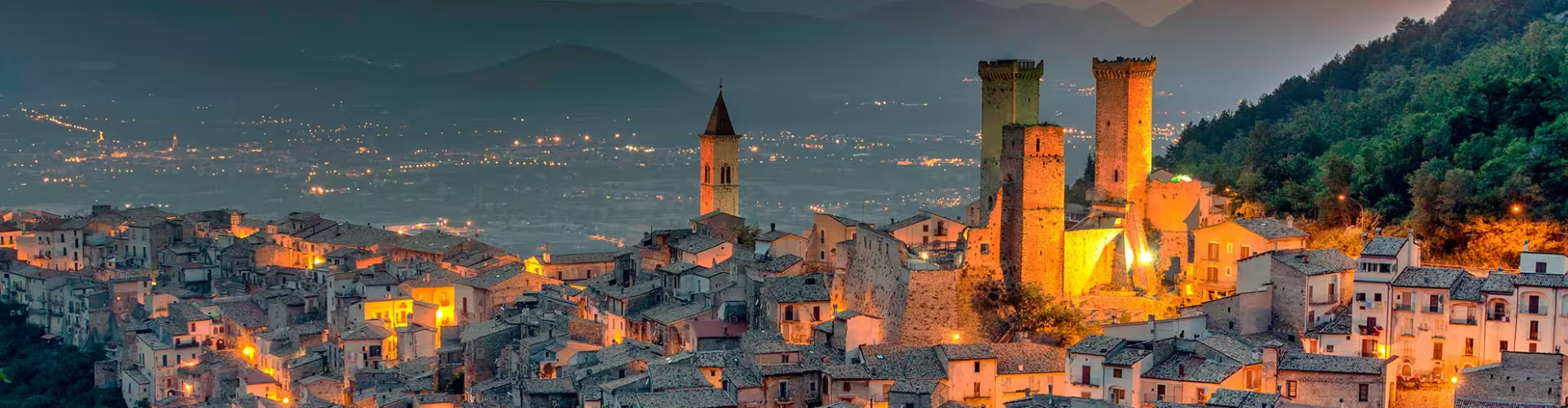


Set between the Adriatic Sea and the Apennine peaks, Abruzzo combines medieval hill towns, wild national parks, and uncrowded beaches in one compact region. This is a place for slow travel, hearty food, and authentic Italian life, and a practical base for exploring mountains and coast in the same trip while discovering the Best things to do in Abruzzo.
Abruzzo lies in central Italy, east of Rome, stretching from the Gran Sasso and Majella mountains to the Adriatic coast. Travelers usually arrive via Rome Fiumicino or Ciampino airports, then continue by bus, car, or train toward L'Aquila, Pescara, or coastal towns.
Spring and autumn offer mild temperatures, quieter villages, and clear views in the national parks, ideal for hiking and scenic drives. Summer brings beach weather on the Adriatic and more visitors to resorts such as Pescara, while winter is best for skiing in areas like Roccaraso and snow-covered landscapes in Gran Sasso.
Abruzzo is generally more affordable than many better known Italian regions, with moderate hotel prices and excellent value in local trattorie. Cards are widely accepted in towns, though you should keep some cash for rural villages, small bars, and parking machines.
Lace up in Gran Sasso e Monti della Laga National Park
Explore high plateaus, alpine-style meadows, and mountain villages in one of Italy's wildest protected areas, a highlight among the Best things to do in Abruzzo. Plan at least half a day for easy walks or a full day for longer trails and panoramic viewpoints.
Discover medieval L'Aquila
Wander through historic streets, churches, and squares that reveal the region's complex past and ongoing restoration. Allow a few hours to combine sightseeing with a relaxed coffee in one of the main piazzas.
Stroll the trabocchi coast
Walk or cycle along the Costa dei Trabocchi, where traditional wooden fishing platforms stand above the Adriatic. Many are now restaurants, making it an atmospheric place to enjoy seafood while experiencing one of the Best things to do in Abruzzo by the sea.
Step back in time in Santo Stefano di Sessanio
This fortified hill village offers narrow lanes, stone houses, and sweeping views over the surrounding mountains. Stay overnight or visit on a day trip to enjoy quiet streets, artisan shops, and a slow pace of life.
Visit Rocca Calascio
Climb up to one of Italy's highest fortresses, with cinematic ruins and a vast panorama across the Apennines. Sunset and clear days are particularly impressive, so plan flexible timing if you can.
Relax on Abruzzo's beaches
Head to resorts such as Pescara, Montesilvano, or Vasto for sandy shores, promenades, and easy swimming. Families appreciate the shallow water and services, while active travelers can combine beach time with cycling or coastal walks suggested in many Abruzzo travel tips.
Explore Majella National Park
Majella offers deep valleys, hermitages carved into rock, and quiet trails that feel far from busy tourist routes. Allow a full day to mix short hikes, scenic drives, and stops in villages for local food, a favorite element in any Abruzzo itinerary.
Sample wine routes around Pescara and Chieti
Drive or join a tour through rolling hills lined with Montepulciano d'Abruzzo and Trebbiano vines. Many wineries welcome visitors for tastings, making this one of the more relaxed Abruzzo travel tips for food and wine lovers.
Enjoy winter sports in Roccaraso
In the colder months, Roccaraso becomes a key ski hub with multiple runs and winter activities. Non skiers can still appreciate snowy landscapes, cozy mountain hotels, and typical dishes that fit well into a winter focused Abruzzo itinerary.
Join local festivals and sagre
Throughout the year, villages host food festivals, religious processions, and seasonal events. Checking local calendars and adding one of these celebrations to your plans often becomes one of the most memorable Best things to do in Abruzzo.
Start early with a drive from the coast or Rome toward Gran Sasso, stopping in Santo Stefano di Sessanio for a mid morning coffee and short walk through the village. Continue to Rocca Calascio for a midday visit, allowing time to hike up and explore the ruins. In the afternoon, descend toward L'Aquila for a few hours in the historic center, then enjoy dinner in a local trattoria before returning to your base.
On day one, follow the one day route, but stay overnight in a hill village such as Santo Stefano di Sessanio or in L'Aquila to experience the evening atmosphere. On day two, head toward Majella National Park, choosing an easy trail or a scenic drive that links small towns and rock hermitages. Late afternoon, travel back to the coast, stopping in a winery area near Pescara to add a relaxed tasting to your Abruzzo itinerary.
Use the first two days as above, balancing cultural stops, viewpoints, and gentle hikes. On day three, focus on the Adriatic side, spending the morning on the Costa dei Trabocchi with time for a seaside walk and lunch on or near a trabocco. In the afternoon, explore Pescara's waterfront and city center or continue south toward Vasto before returning to your accommodation, rounding out a varied set of Best things to do in Abruzzo across mountains and sea.
Try arrosticini, skewers of grilled mutton that are a regional icon, usually served with simple bread and local wine. Saffron from L'Aquila flavors risottos and sauces, adding a distinct aroma to many traditional recipes.
Pasta alla chitarra, made with a special stringed tool, is typically served with rich meat sauces and appears on many menus across the region. In mountain areas, hearty stews and lamb dishes reflect pastoral traditions and pair well with robust reds.
Along the coast, fresh Adriatic seafood, including mixed grills and fried fish, is a highlight and often enjoyed on or near the trabocchi. For dessert, look for parrozzo, a dome shaped cake covered in chocolate, and sip Montepulciano d'Abruzzo or local liqueurs to finish a meal.
Within Abruzzo, a car offers the most flexibility for combining hill towns, national parks, and coastal areas in a single trip. Regional trains and buses connect major towns such as Pescara, L'Aquila, and Teramo, but services can be less frequent in rural zones, so allow extra time for connections.
Roads vary from modern highways to winding mountain routes, so drive carefully, especially in winter or at night. Most towns are walkable once you arrive, though historic centers often have limited or paid parking, and some hilltop villages require short uphill walks that may be challenging for visitors with mobility issues.
Gran Sasso and Campo Imperatore
Around one to two hours by car from many coastal bases, this high plateau is often called Italy's "little Tibet" for its open landscapes. It is an excellent day trip for scenic drives, photography, and short hikes, easily included among the Best things to do in Abruzzo for nature lovers.
Costa dei Trabocchi
From Pescara or nearby towns, allow under an hour to reach different points along this coastline. Spend the day walking sections of the seafront path, swimming, and dining on a trabocco for a classic coastal experience recommended in many Abruzzo travel tips.
Majella National Park villages
Villages around Majella can be reached in one to two hours from Pescara or Chieti, making them suitable for a full day outing. Combine a couple of small towns with a short trail or a visit to a hermitage to capture the quieter side of the region.
Roccaraso and the Apennine winter landscapes
In winter, Roccaraso is reachable within roughly two hours from many parts of Abruzzo, depending on conditions. Even if you do not ski, it is a practical day trip for snow views and mountain atmosphere within a broader Abruzzo itinerary.
How many days do I need to experience the main highlights of Abruzzo?
Spending at least three days allows you to combine mountains, hill towns, and the coast without rushing. With this amount of time, you can fit in several of the Best things to do in Abruzzo while still enjoying relaxed meals and scenic drives.
Is it easy to visit multiple areas of Abruzzo without a car?
Major towns are connected by regional trains and buses, but services can be limited in rural areas and national park zones. If you want to cover more of the Best things to do in Abruzzo in a short stay, hiring a car usually offers more flexibility.
Do I need to book tickets in advance for main attractions?
Many outdoor sites, villages, and viewpoints do not require tickets, but some castles, museums, or special events may have set hours or limited capacity. It is sensible to check locally or with your accommodation for any reservations needed during your travel dates.
What should I expect from the weather across the region?
Coastal areas have milder conditions, especially in spring and autumn, while mountain zones can be cooler and changeable. In winter, snow is common at higher elevations, so plan appropriate clothing and allow extra time for driving.
Is English widely spoken, and are there accessibility considerations?
English is more commonly spoken in larger towns and tourist oriented businesses, while smaller villages may rely more on Italian. Historic centers and hilltop villages often have cobblestones, steps, and steep lanes, so accessibility can vary and may require advance planning.