


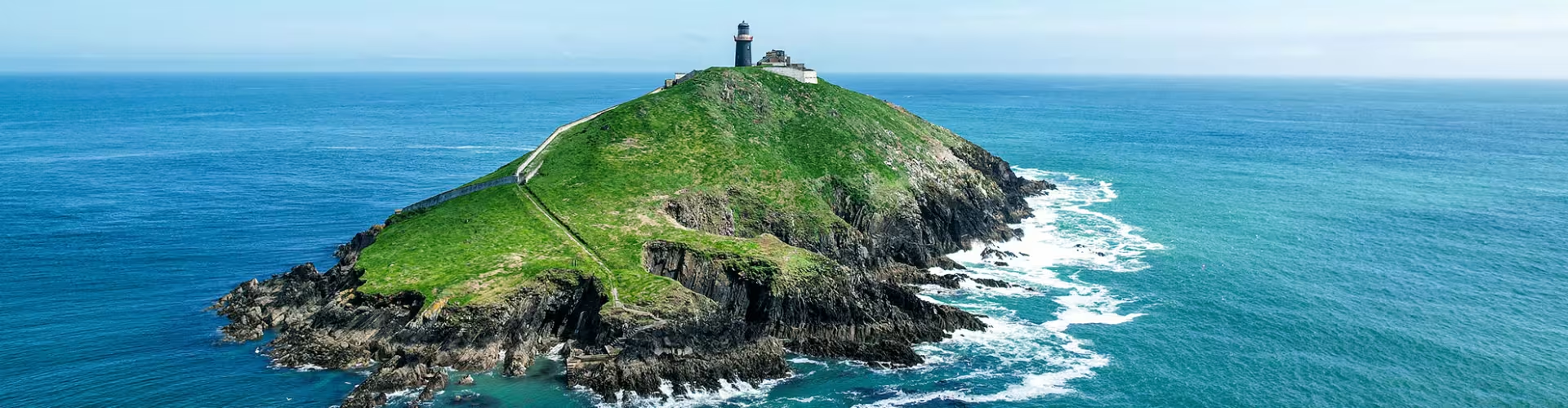


Southern Region of Ireland

logoBlack

Build your dream
experience

dreamimg

More to know about Southern Region of Ireland


Southern Region of Ireland Travel Guide

Southern Region of Ireland rewards travelers who want dramatic coastlines, story rich cities, and small towns where the pub culture still feels local. This guide focuses on practical decision making, what to do, how to get around, what to eat, and how to plan your days with confidence across the Southern Region of Ireland. Expect a blend of Atlantic scenery, heritage streetscapes, and a food scene shaped by nearby farms and fishing harbors.


Snapshot

The signature vibe in the Southern Region of Ireland is coastal energy mixed with lived in tradition, colorful harbors, windswept headlands, and cities that balance creativity with history. Go now if you want flexible pacing, you can build a trip around short drives, long walks, and evenings that end with music and conversation. It is a destination that suits first timers and repeat visitors because the best moments often come from slowing down and following the coastline.


🗺️ Geography and Logistics

📍 Orientation: Where is it within Ireland and Ireland?

The Southern Region of Ireland sits along Ireland’s southern edge, where the Atlantic defines the landscape and many of the most scenic routes follow the coast. For international arrivals, Dublin is a common entry point, then travelers continue south by train or car, while Cork also functions as a key regional hub for onward travel. Once you are in the south, the rhythm of the trip often becomes town to town, with short hops that make it easy to combine city time with coastal drives.

🕒 When to Go: Seasonal breakdown

Expect changeable weather across the year, which is part of the appeal, sun and showers can trade places quickly, especially near the coast. Peak summer generally brings the longest daylight and the busiest roads, so booking accommodation earlier helps if you want prime locations. Shoulder seasons can feel calmer and are well suited to walking, sightseeing, and photography, while winter favors cozy indoor culture, food focused travel, and shorter, weather dependent excursions.

💰 Budget & Currency

Ireland uses the euro, and cards are widely accepted, which makes day to day spending simple for most travelers. Keep a small amount of cash for smaller purchases or places where you prefer not to tap for everything. Budget planning is easiest when you prioritize what matters most, for example, a scenic stay, a special meal, or a guided experience, then keep the rest of the itinerary flexible with free viewpoints and self guided walks.


⭐ Essential Things to Do

1) Coastal Drives and Atlantic Viewpoints
The coastline is the headline act, and the Southern Region of Ireland is at its best when you build time for stops that are not on a strict schedule. The scenery shifts quickly from rugged cliffs to sheltered bays, so the journey becomes part of the destination. Practical tip, start early to enjoy quieter roads and bring layers, the wind can change the feel of a viewpoint in minutes.

2) Cork City for Food, Culture, and Walkability
Cork is a strong base if you want a city that feels creative and compact, with plenty to do without needing a car all day. It is ideal for travelers who like to mix museums, markets, and riverside wandering with a good dinner plan. Practical tip, choose a central stay so you can walk between neighborhoods and keep evenings relaxed.

3) Kinsale for Harbor Charm and Dining
Kinsale is known for its colorful streets and a dining scene that makes it a natural stop for food led itineraries. The pace is easy, and it suits travelers who want a polished coastal town feel without losing Irish character. Practical tip, arrive earlier in the day, then stay into the evening, it is a town that shines when the day trippers leave.

4) The Wild Atlantic Way Style Coastal Experience
Even if you do not follow a single named route end to end, the south delivers the same sense of Atlantic scale and drama. You will find short walks to headlands, beaches with big skies, and roadside pull offs that beg for photos. Practical tip, keep your daily driving realistic, fewer miles often means a better trip.

5) Traditional Music Evenings
Live music is one of the most memorable ways to connect with local culture, especially in smaller towns where sessions feel spontaneous. It is not just entertainment, it is social life, and visitors who listen respectfully are usually welcomed. Practical tip, arrive early for a seat, order a drink or a soft drink, and let the atmosphere set the pace.

6) Heritage Streets and Storytelling Walks
The south has layers of history you can feel underfoot, from port towns shaped by trade to city streets where architecture hints at different eras. A self guided walk can be as rewarding as a formal tour if you slow down and read plaques and local interpretation panels. Practical tip, take a morning walk when streets are quieter, then return later for cafés and shops.

7) Gardens and Estate Landscapes
Milder coastal conditions can support lush gardens, and these visits add a softer counterpoint to cliffside drama. They are especially good on days when you want a slower pace or a weather flexible plan. Practical tip, pack a light rain layer so you can keep exploring even if showers pass through.

8) Fishing Villages and Working Harbors
Harbors bring you close to everyday coastal life, boats, tides, and seafood culture that shapes local menus. These stops are not about rushing, they are about watching the water and noticing details. Practical tip, time your visit for late afternoon, then plan dinner nearby for the freshest options.


🚶 Curated Itineraries

⏰ The Highlights (1 Day)

Start with a morning in Cork for a walkable introduction, coffee, a market style browse, and a river focused stroll. Midday, head to Kinsale for harbor views and an unhurried lunch, then take time for a short coastal walk to reset your senses. Finish with a scenic drive segment and a relaxed evening plan, a pub with music, or a quiet dinner where you can reflect on the day.

⏰ Deep Dive (2-3 Days)

Day one, base yourself in Cork and lean into culture and food, balancing sightseeing with time to simply be in the city. Day two, devote the day to coastal towns and viewpoints, building in extra stops so you can follow the weather and the light, which is key for photography. Day three, choose a theme, gardens and heritage sites, a longer coastal drive, or a slower town day with shopping and music, then use the afternoon to reposition for your next destination within the Southern Region of Ireland.


🍽️ Flavors of Southern Region of Ireland

Seafood chowder
Creamy and comforting, often built around local catch and served as a warm, filling bowl after time outdoors. Ordering tip, ask what fish is featured that day, it is a simple way to connect the meal to the harbor nearby.

Irish stew
A hearty classic with a slow cooked feel, ideal when the weather turns cool or windy. Ordering tip, pair it with brown bread if available, it is a satisfying combination that suits a long sightseeing day.

Soda bread and brown bread
Fresh baked bread is a quiet highlight, with a slightly tangy note and a texture that works with soups and butter. Ordering tip, if bread comes with your meal, try it plain first, then add butter to taste.

Local cheeses
The south’s food scene often features Irish cheese boards that balance creamy and sharp flavors. Ordering tip, choose a tasting board if you want variety, and ask for a recommendation that includes a local producer.

Smoked salmon
Silky, savory, and often served with simple sides that let the flavor lead. Ordering tip, look for it at breakfast or brunch, it is a great start before a day of driving and walking.

Irish breakfast
A substantial plate that sets you up for a full day, especially if you expect limited food stops while exploring the coast. Ordering tip, if you do not want the full version, ask if a smaller portion is available, many places can accommodate.

Stout and local ales
Dark stout and regional beers are part of pub culture, with flavors that range from roasted and dry to lighter and crisp. Ordering tip, if you are unsure, ask for a half pint first, it is an easy way to sample without committing.


🚌 Navigation & Transport

For many travelers, a car unlocks the most flexibility in the Southern Region of Ireland, especially for coastal viewpoints and smaller towns where public transport can be limited. Cities like Cork are well suited to walking for central areas, and trains or buses can handle key intercity links, which helps if you prefer not to drive every day. If you do drive, plan for narrow roads outside cities, allow extra time for scenic stops, and prioritize safety in changing weather, especially near exposed coastal areas.


🌄 Beyond the Center: Day Trips

1) Kinsale
A classic day trip for harbor scenery and dining, with an easygoing pace that suits a late start. Travel time varies by starting point, but it is commonly paired with Cork. Primary reason to visit, coastal charm and a strong food scene.

2) West Cork Coast
A day on the West Cork coastline is about big views, small villages, and the feeling of being close to the Atlantic. Travel time depends on your route and how often you stop, which is part of the appeal. Primary reason to visit, scenic drives and a less hurried atmosphere.

3) East Cork and Coastal Stops
This direction can deliver quieter coastal moments and a different perspective on the region, with opportunities for short walks and seaside towns. Travel time varies, and it works well as a flexible day when you want fewer headline attractions. Primary reason to visit, a calmer coastal day with room for spontaneity.

4) Gardens and Estate Visits
A day trip focused on gardens is a smart way to balance cliffside drama with color and calm. Travel time depends on which property you choose and where you base yourself. Primary reason to visit, slower sightseeing that still feels distinctly Irish.


✅ Insider Tips for Travelers

  • Build your days around daylight and weather, not rigid checklists, coastal conditions can change quickly.
  • If you are driving, keep your route simple, fewer destinations per day usually means better stops and less stress.
  • Pack layers, including a light rain jacket, even on days that start bright.
  • For music nights, arrive early and treat the session as a shared space, listen first, then join the rhythm of the room.
  • In towns with limited parking, park once and walk, it is often faster and more enjoyable.
  • Choose one or two food priorities, then keep the rest flexible, it helps you stay within budget without missing the highlights.

❓ Frequently Asked Questions, FAQ

What is the easiest way to plan a first trip to the Southern Region of Ireland?
Pick one main base, such as Cork, then add coastal day trips so you do not spend the whole trip repacking. Keep driving days light so you have time for viewpoints and meals.

Do I need a car to explore the Southern Region of Ireland?
A car offers the most flexibility for coastal routes and smaller towns, especially if you want spontaneous stops. You can still cover key city areas on foot and use public transport for major links.

When is the best time of year to visit?
Summer brings long days and higher demand, while shoulder seasons can feel calmer and still rewarding for sightseeing. Expect changeable weather year round, so pack layers.

How many days should I set aside for a good overview?
One day works for a highlights taste, especially if you focus on a city plus one coastal town. Two to three days lets you add scenic drives, slower meals, and more time for walking.

What should I pack for coastal touring?
Bring comfortable walking shoes, a light rain layer, and something warm for windier viewpoints. A small day bag helps for water, snacks, and an extra layer while you explore.