Last updated:


Waterfalls, seabird cliffs and Arctic fox habitat make nature the focus of a Westfjords visit. Dynjandi, Látrabjarg and Hornstrandir offer different reasons to come, while Ísafjörður brings the region's trading and fishing history into the picture.
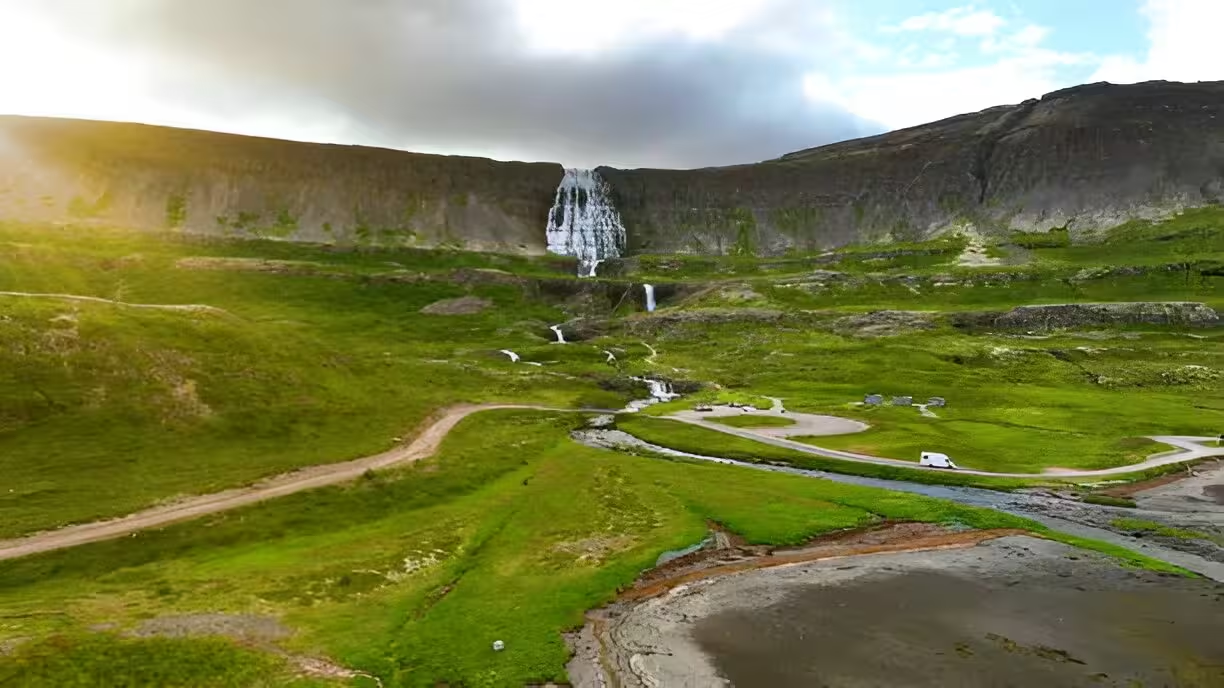
Dynjandi is the stop for a waterfall, Látrabjarg for cliffs and Rauðasandur for a long stretch of red sand. At Dynjandi, the water descends over steps made by layers of lava rock. The waterfall and the land around it have natural monument protection dating from 1981.
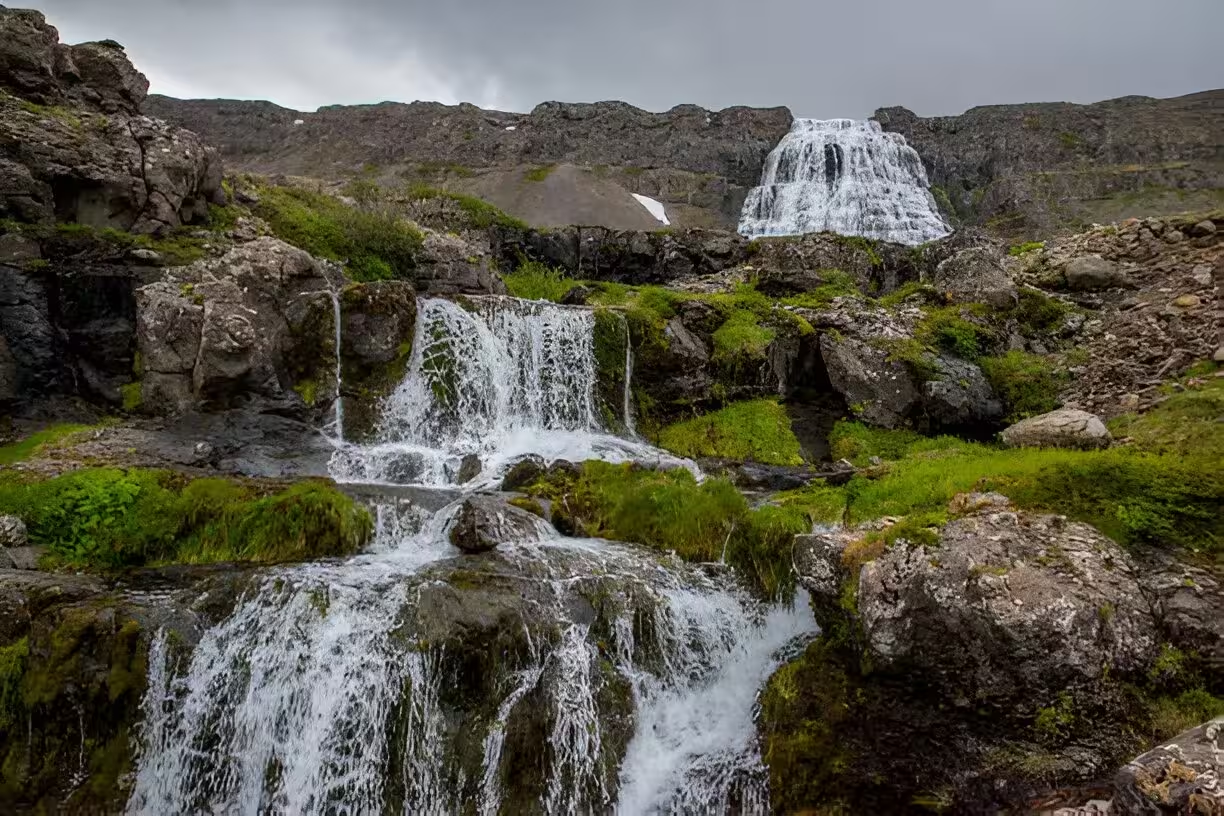
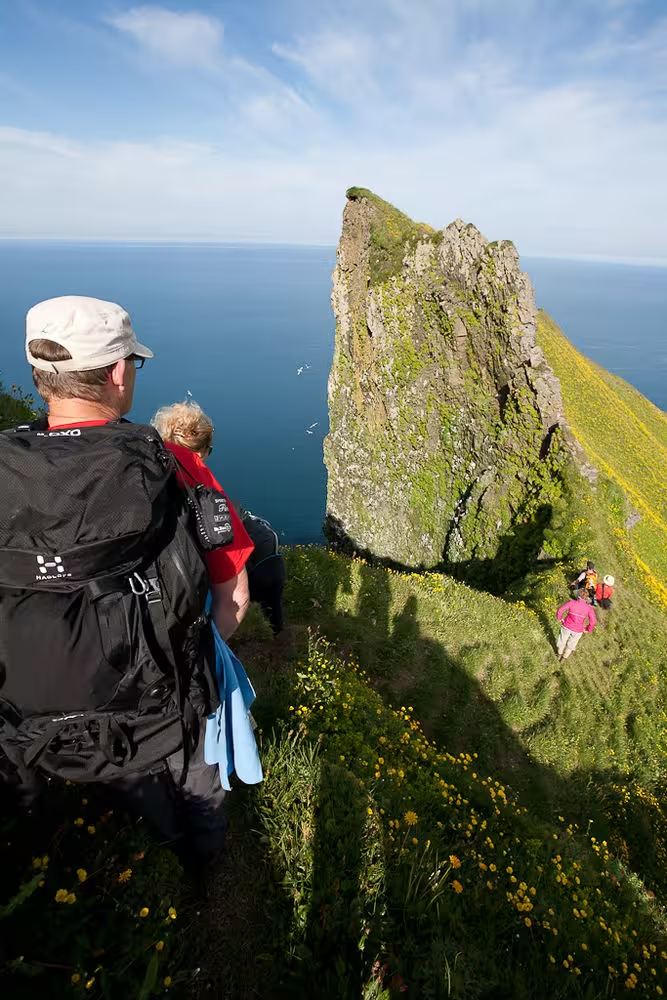
Látrabjarg brings a different sense of scale: its cliffs run for 14 kilometres and reach up to 441 metres high.
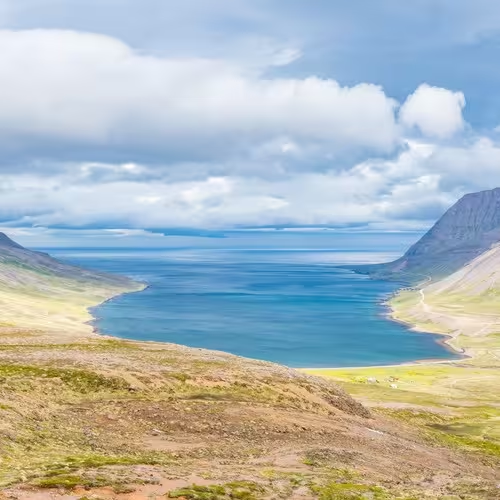
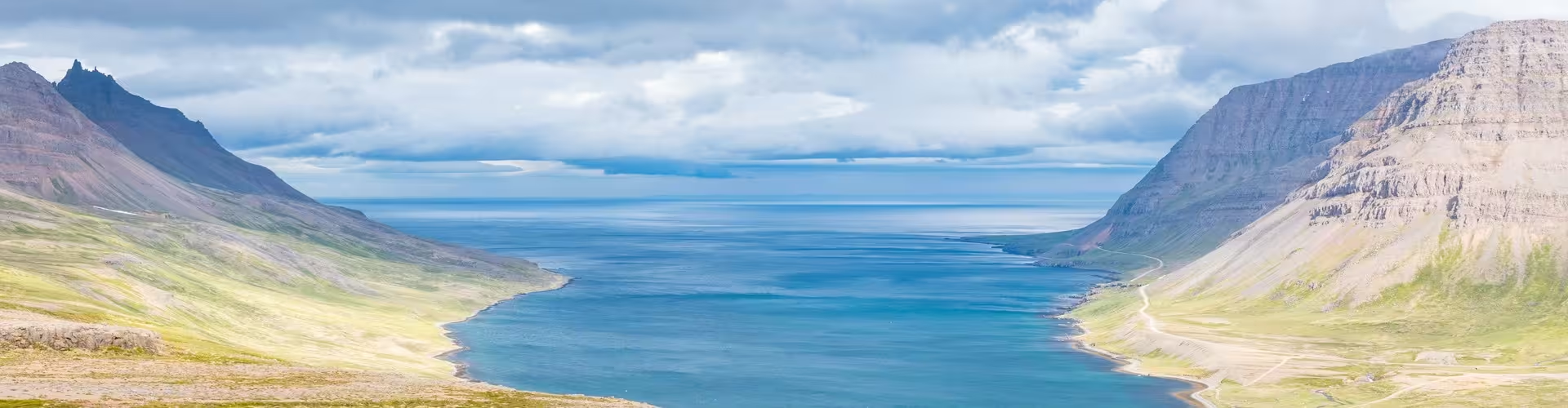
Rauðasandur offers a beach landscape instead, with red sand running for roughly 10 kilometres. For views across Ísafjarðardjúp and Jökulfirðir, the viewing platform on Bolafjall Mountain puts those fjords in front of you.
If a farm visit appeals alongside the waterfall, the guided Dynjandi waterfall and farm tour in the Westfjords combines those interests.
Látrabjarg is the place to focus on seabirds, while Hornstrandir is relevant for Arctic foxes. Puffins, razorbills and guillemots find habitat at Látrabjarg, which received nature reserve status in March 2021. At Rauðasandur, the wildlife habitat includes both seabirds and seals.
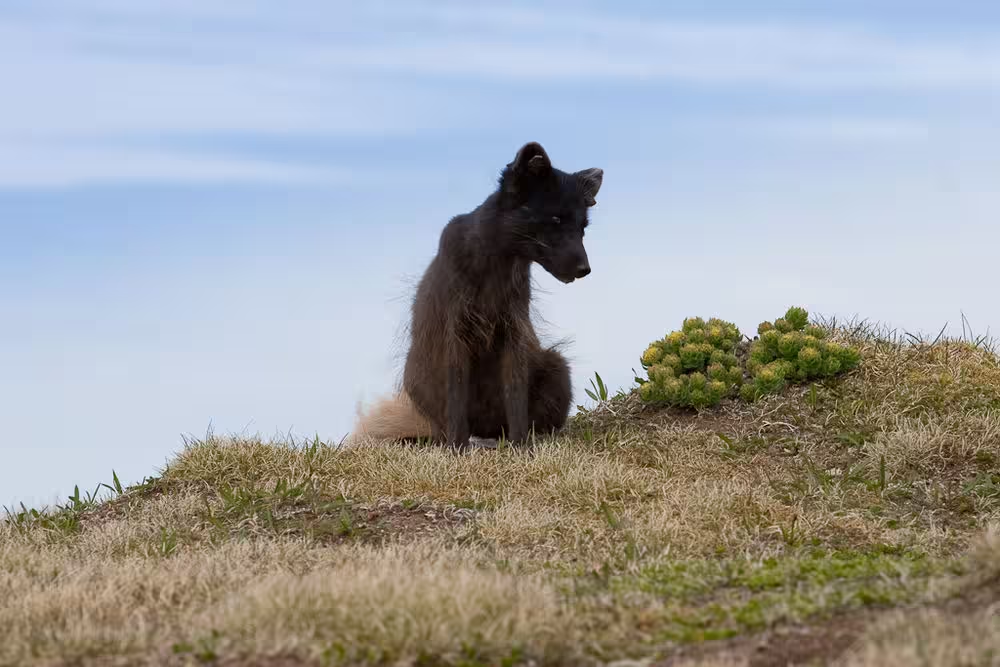
Hornstrandir has been without permanent, year-round residents since the 1950s. Arctic foxes live in the nature reserve, where hunting is banned. These are places to visit for their wildlife habitat, rather than a promise of a particular sighting.
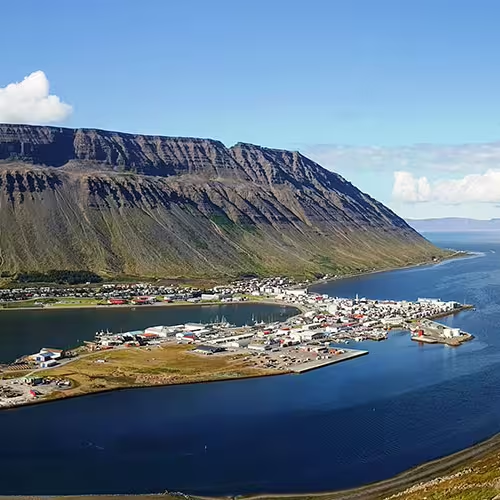
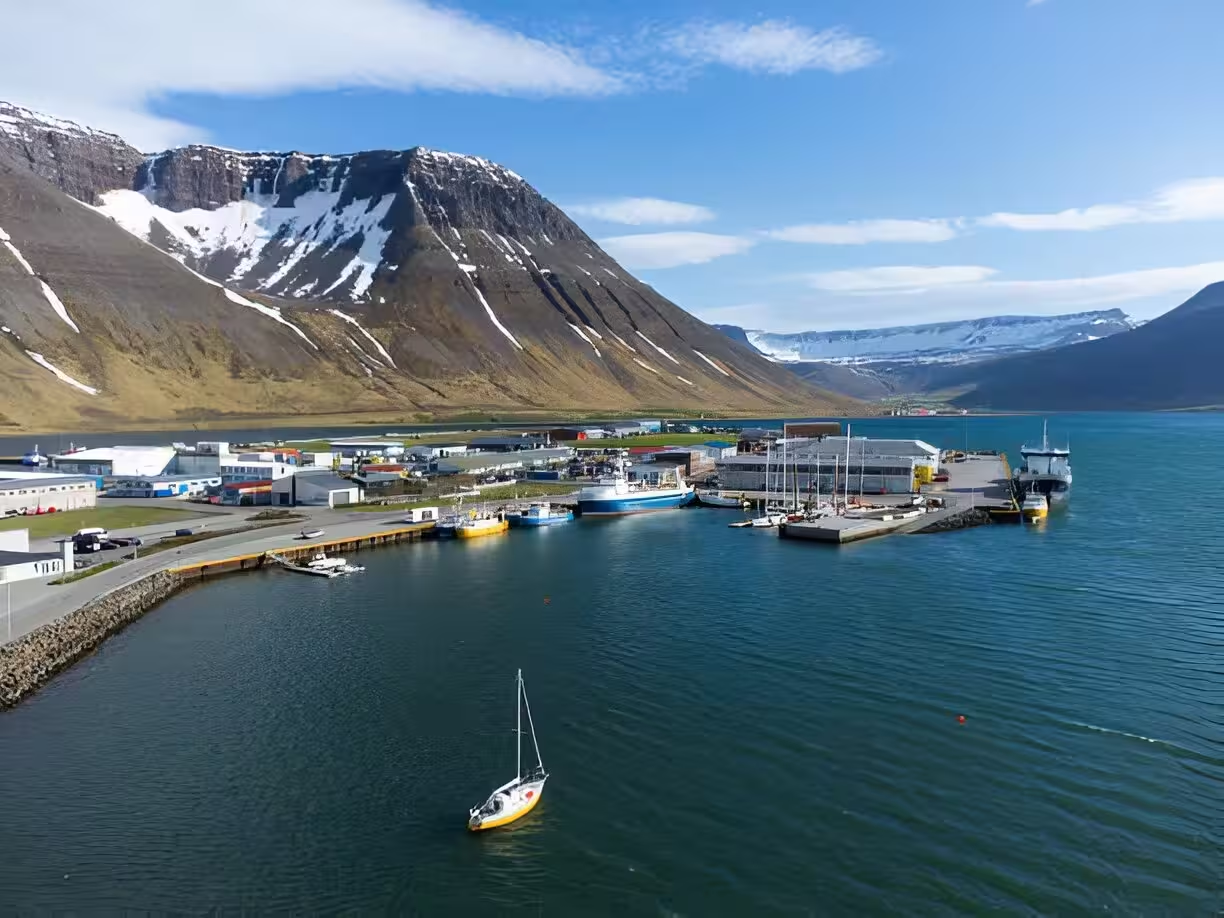
Ísafjörður and Hnjótur Museum connect a visit with trade, fishing and a rescue at sea. Trading in Ísafjörður goes back to the 16th century, and the town has held an important place in Iceland's fishing industry since the middle of the 19th century.
Hnjótur Museum tells the rescue story of the British trawler Dhoon after it ran aground at Látrabjarg in 1947.
Vigur offers an island perspective on local traditions: people there gather eiderdown from eider nests. The island sits in Ísafjarðardjúp, and its spear-like outline explains its name. Flateyri has its own trading history stretching back to 1792; across the fjord, a white-sand beach is the setting for a sandcastle competition each year.
If magic and Norse history interest you, the Icelandic witchcraft day trip devotes a full day to that theme.
Flying from Reykjavík is an option for reaching the Westfjords. Ísafjörður Airport connects with Reykjavík Airport by domestic flight, and scheduled services from Reykjavík also serve Bíldudalur and Gjögur airports.
For exploring by car or bus from Ísafjörður with a guide, the Westfjords guided tour is a 10-hour option with a route and pace that can be tailored.
January calls for a trip planned around an average temperature of 0°C, the regional figure reported by the Westfjords tourism board.
At mealtimes, fresh fish and lamb are ingredients to look for, as menus often draw on locally available food.
Yes, the Arctic Fox Centre was established in Súðavík on 15 September 2007.
Yes, Naustahvilft near Ísafjörður is a hanging valley left by the last Ice Age.
Yes, the windmill on Vigur is believed to have been built around 1860 by goldsmith Daníel Hjaltason.