Snæfellsnes Peninsula
A practical, high-impact guide to the Snæfellsnes Peninsula with essential experiences, 1 to 3 day itineraries, local flavors, transport advice, and safety-focused tips for changing coastal weather.
A practical, high-impact guide to the Snæfellsnes Peninsula with essential experiences, 1 to 3 day itineraries, local flavors, transport advice, and safety-focused tips for changing coastal weather.


Snæfellsnes Peninsula is Iceland in miniature, a compact loop where volcanic peaks, black sand beaches, fishing villages, and glacier views sit within easy driving distance. The signature vibe is cinematic and elemental, with quick-changing light, sea spray, and wide-open horizons that make every stop feel like a scene. Go now if you want high-impact nature without committing to long inland drives, and if you value flexibility, because the route lets you adapt to wind and weather.
Snæfellsnes Peninsula sits in the Western Region of Iceland, extending into the Atlantic northwest of Reykjavík. Most travelers use Reykjavík as the main hub, then drive west toward Borgarnes and continue onto the peninsula’s ring road style route. The area is often described as a bridge between the capital’s convenience and the country’s raw coastal landscapes, with frequent viewpoints toward Breiðafjörður Bay and the distant Westfjords on clear days.
Weather on the peninsula can shift fast, even within the same afternoon, so timing is less about perfection and more about planning for change. Longer daylight makes it easier to pace your stops and wait out brief squalls, while shorter daylight rewards travelers who start early and keep a tight route. Crowd levels tend to concentrate at the most photographed coastal landmarks, so visiting early in the day, or later in the evening light, can feel calmer while still delivering strong views.
Iceland uses the Icelandic króna, and card payments are widely accepted, which makes it easy to manage a road trip without carrying much cash. Budget planning is mostly about prioritizing what matters to you, such as a sit-down seafood meal versus extra scenic detours and fuel. A practical approach is to keep a small buffer for weather-driven changes, because rerouting for wind, road conditions, or visibility can add distance.
These experiences capture the variety that makes Snæfellsnes Peninsula such a strong choice for a short, high-value trip. Mix iconic viewpoints with slower village time for the best balance.
Coastal Viewpoint Loop Drive. The peninsula rewards travelers who think in loops, not out-and-back routes, because each bend reveals a different mix of sea cliffs, lava fields, and mountain silhouettes. The “why” is variety, you can move from dramatic surf to quiet coves in under an hour. Practical tip, build your day around light and wind, and be ready to reverse the order of stops if conditions change.
Fishing Village Stops. Small harbors and working towns add human scale to the landscape, with boats, drying racks, and a sense of everyday life on the Atlantic edge. They matter because they connect the scenery to Iceland’s coastal culture and food traditions. Practical tip, plan one unhurried stop for a warm drink or a simple meal, and use it as your weather reset point.
Black Sand and Pebble Beaches. Beaches here are about texture and contrast, dark volcanic sand, rounded stones, and white surf under big skies. They matter for photography and for understanding how volcanic geology meets the ocean. Practical tip, keep a safe distance from the waterline, sneaker waves can be unpredictable, and wind can make footing tricky.
Lava Field Walks. Short walks across mossy lava and rugged rock show the peninsula’s volcanic story up close. They matter because they slow you down, and details appear, porous stone, lichen, and the shapes of old flows. Practical tip, stay on established paths where possible, because moss can be fragile and takes a long time to recover.
Snæfellsjökull Views. The glacier-capped volcano is a defining landmark, and even distant viewpoints can feel powerful when the summit clears. It matters for sense of place, this is the peak many travelers associate with the peninsula’s mythic reputation. Practical tip, if visibility is low, do not force it, keep it flexible, and return later when clouds lift.
Cliff and Sea Stack Lookouts. Sea stacks, cliffs, and rugged headlands deliver the peninsula’s most dramatic coastal geometry. They matter because they combine scale and motion, rock, birds, and surf, which makes the landscape feel alive. Practical tip, choose viewpoints with clear footing, and avoid getting too close to edges in strong wind.
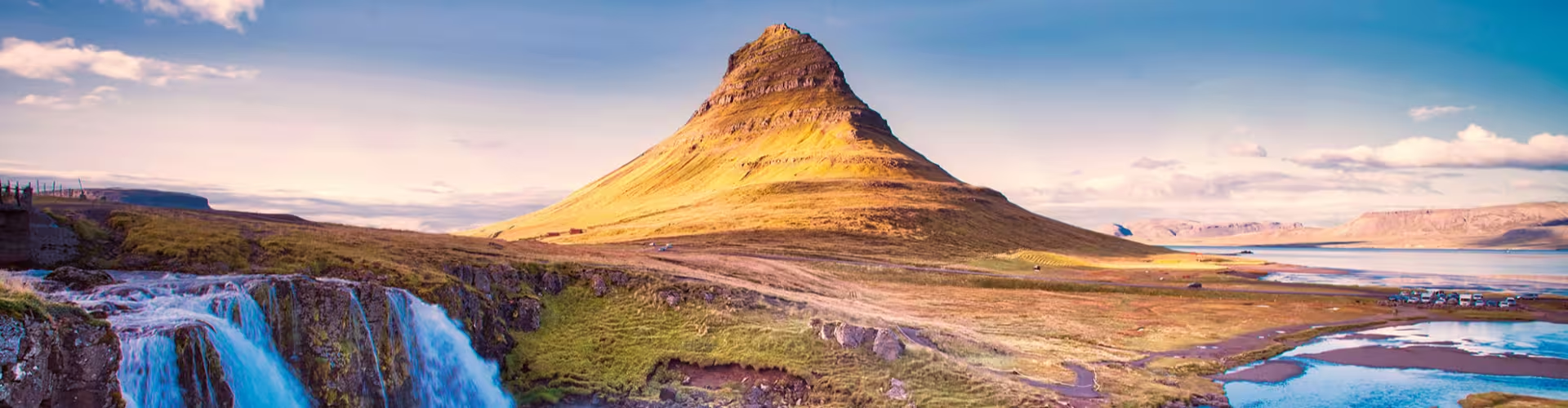
Church and Landmark Photo Stops. A few small landmarks and classic viewpoints have become signature images of Snæfellsnes Peninsula. They matter because they are easy to access and provide instant context for the region’s aesthetic, minimal architecture against maximal nature. Practical tip, arrive early for cleaner compositions, and be courteous with parking and private property boundaries.
Golden Hour Scenic Pull-Offs. The peninsula’s open coastlines and mountain backdrops make it ideal for low-angle light. It matters because the same location can look completely different as sun breaks through clouds or reflects off wet sand. Practical tip, keep your schedule loose near evening, and save one or two flexible stops for whichever direction has the best light.
Start from Reykjavík early, then drive toward the peninsula with a plan to keep stops short and frequent. Focus on a coastline-heavy loop, mixing one village break with several high-impact viewpoints, such as beaches, cliffs, and mountain lookouts. Keep lunch simple and portable so you can spend daylight on scenery, then aim to finish your loop before late evening driving if conditions are windy or visibility drops.
With two to three days, Snæfellsnes Peninsula becomes less about ticking off viewpoints and more about following weather windows. Day one can prioritize the easier coastal stops and village time, using the afternoon for lava fields and short walks. Day two can be your flexible day for glacier views and cliff lookouts, returning to the best light angles. If you have a third day, keep it intentionally unstructured, revisit a favorite area, add a longer beach walk, and enjoy a slower meal that highlights local seafood.
Seafood soup. Comforting and warming, often creamy with a clean ocean sweetness. Ordering tip, ask what the catch is based on that day, it is a good way to sample local flavor without overthinking the menu.
Fresh fish dishes. Expect simple preparation that lets the fish taste like itself, mild, flaky, and bright with lemon or butter. Ordering tip, look for the day’s special, it is often the most seasonal option.
Lamb. Icelandic lamb is known for a clean, herbal profile shaped by open grazing. Ordering tip, if you want a hearty meal after a windy day outdoors, lamb is a reliable choice.
Skyr. Thick, tangy, and high in protein, it works as breakfast, snack, or dessert. Ordering tip, pair it with berries if available for a balanced road trip snack.
Rye bread. Dense and slightly sweet, it pairs well with butter and fish. Ordering tip, try it alongside soup for a filling, weather-proof meal.
Hot chocolate or coffee. A practical pleasure in coastal conditions, especially when you need a warm break between viewpoints. Ordering tip, use cafe stops to check road updates and adjust your route.
The easiest way to explore Snæfellsnes Peninsula is by car, because stops are spread out and the best moments often come from spontaneous pull-offs when light changes. Walking works well for short beach access and viewpoint trails, but distances between towns make it impractical as your primary mode. Public transport options can be limited and may not match the flexibility needed for weather-driven planning, so if you are not driving, consider structuring your trip around a smaller set of bases and pre-arranged transfers.
Safety and accessibility are mostly about conditions. Wind can be strong at cliffs and beaches, and surfaces can be uneven on lava terrain, so sturdy footwear and cautious pacing help. If you are traveling with mobility considerations, prioritize viewpoints with clear parking areas and short, stable paths, and keep your itinerary flexible so you can skip rougher ground without losing the day.
Reykjavík. Travel time varies by route and conditions, but it is the main hub for lodging variety, dining, and trip logistics. Visit for museums, cafes, and an easy reset day after coastal weather.
Borgarnes. A practical stop on the way in or out, useful for supplies and a calmer pace. Visit to break up the drive and keep your schedule comfortable.
Breiðafjörður Bay viewpoints. Short detours can open up wide views across the bay when visibility is good. Visit for a different coastal perspective and softer light over the water.
Western Region scenic drives. The wider Western Region of Iceland offers additional coastal roads and countryside scenery that pair well with a peninsula loop. Visit to extend your trip without committing to a completely different region.
A single day can cover major viewpoints if you start early and keep stops efficient. Two to three days gives you flexibility for weather and slower village breaks.
A car is the most practical way to connect beaches, cliffs, and villages on one trip. Without a car, you will need to plan fewer stops and rely on pre-arranged transport.
Bring wind-resistant layers, sturdy shoes, and something warm for breaks between viewpoints. Weather can shift quickly, so flexible clothing matters more than a perfect forecast.
Early morning and evening often give calmer scenes and softer light. Keep a little spare time so you can return to a viewpoint when the light improves.
Yes, many travelers do Snæfellsnes Peninsula as a long day trip if roads and visibility cooperate. To keep it comfortable, prioritize a few key stops instead of trying to see everything.