Last updated:


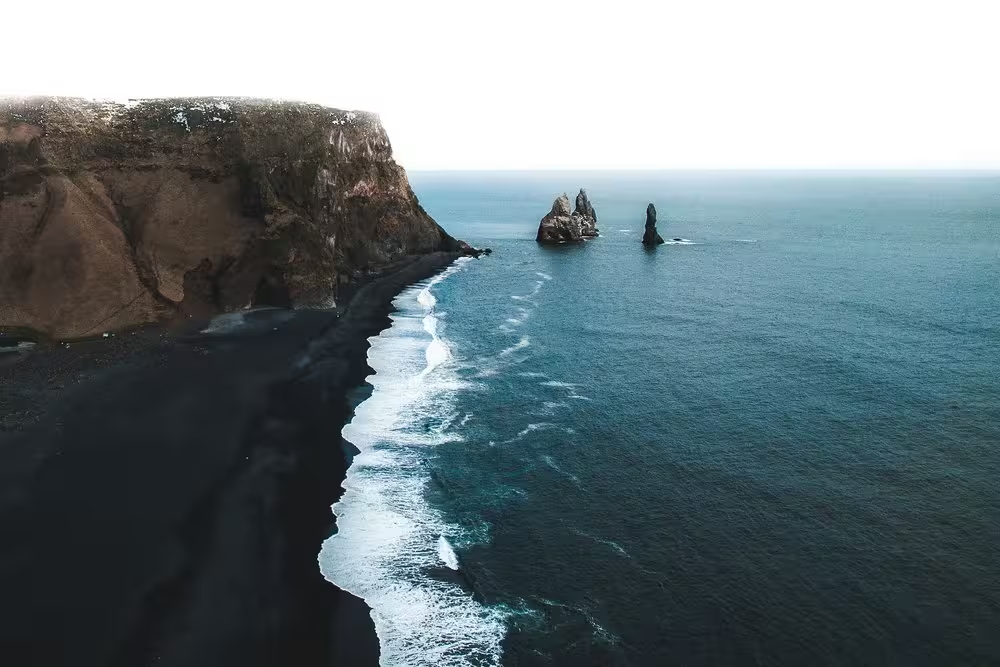
Reynisfjara brings black sand into a trip along Iceland's South Coast. A visit can focus on the beach and the view from Reynisfjall, or include Dyrhólaey and time in Vík for food.
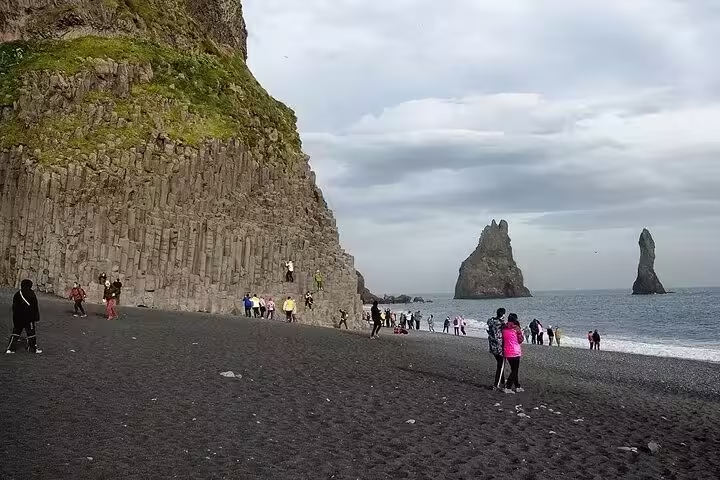
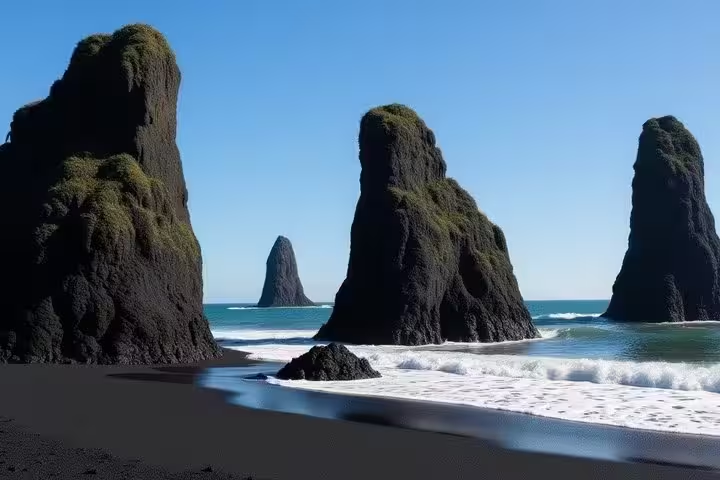
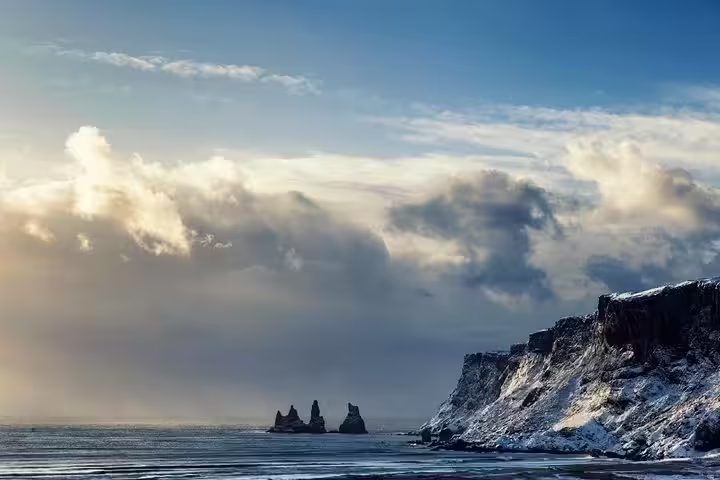
The beach and the viewpoint on Reynisfjall make a useful pairing if you want to see the coast from different perspectives. From that viewpoint, Reynisfjara and Dyrhólaey are to the west. The landscape is still changing: persistent ocean swell helps erode the coast at Reynisfjara. For an interest in geology, Reynisfjall adds a story of ice and volcanic activity: an eruption under a glacier during the Ice Age created the mountain. Its rock includes uneven layers of tuff and pillow lava, as well as columnar intrusions and veins. Waves at Reynisfjara are deceptive and have caused the deaths of a number of visitors in recent years, even in the best of weather, so keep a good distance from the sea. A light sign linked to the automatic wave forecast shows when the yellow or red zone of the beach must not be entered.
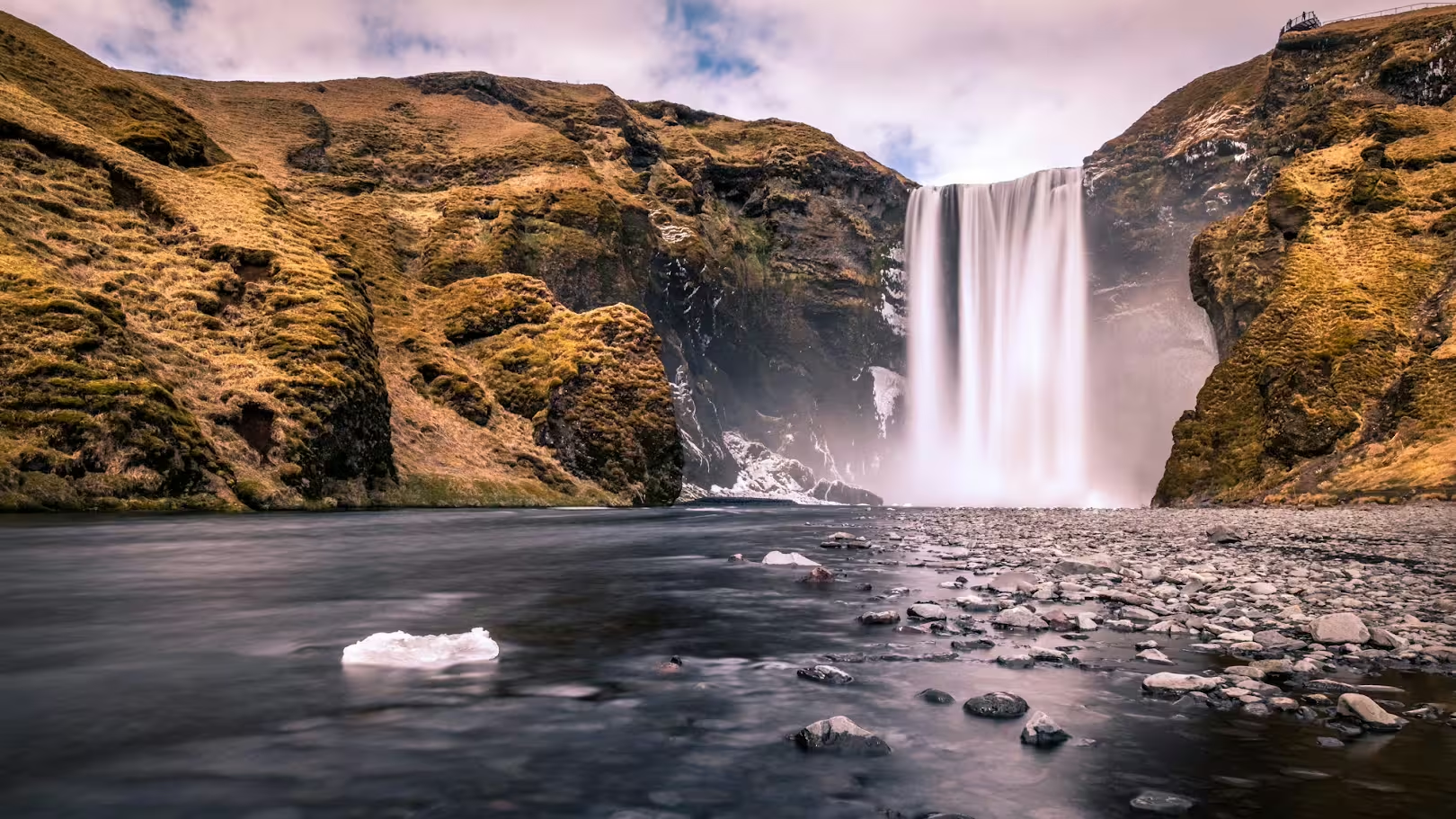
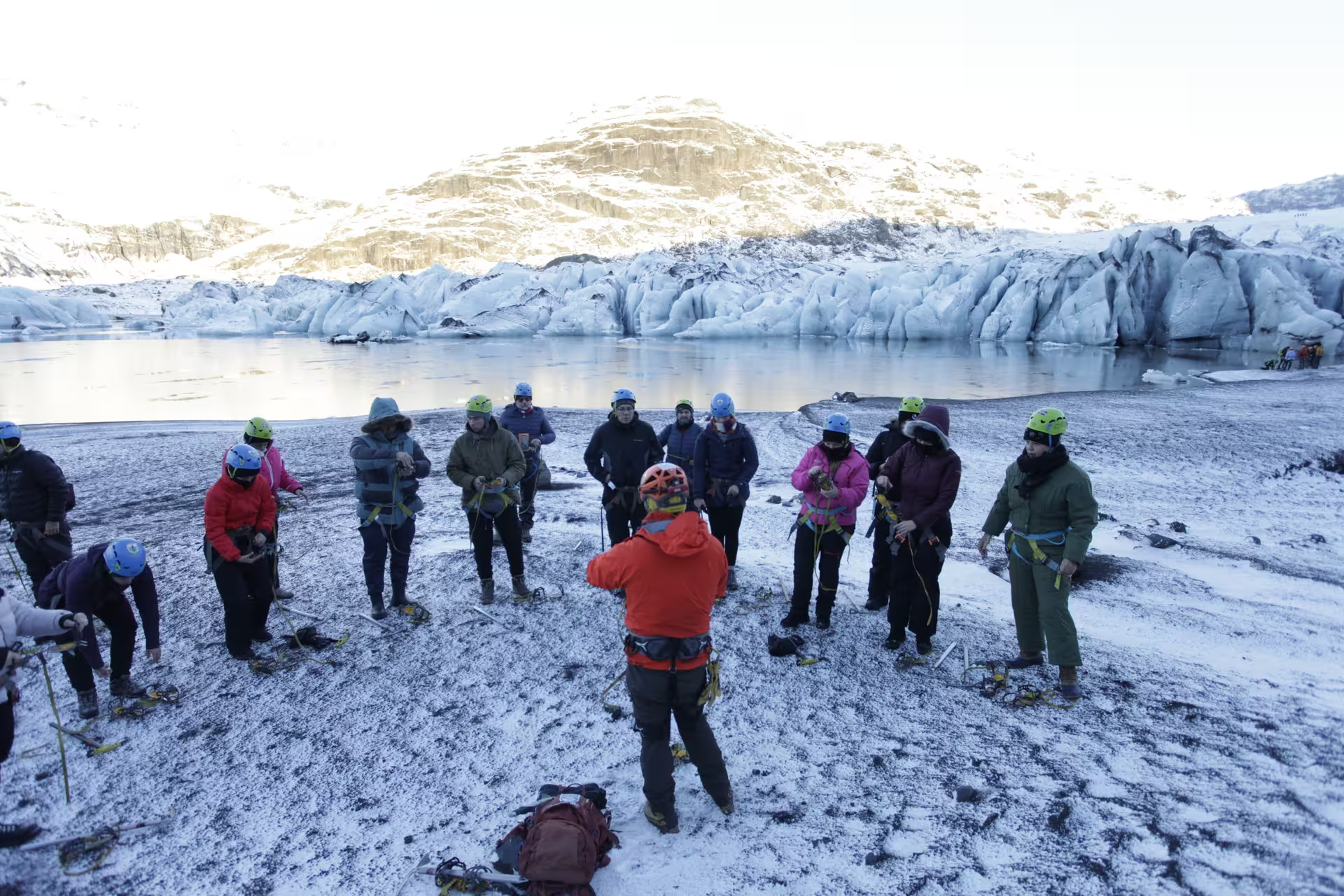
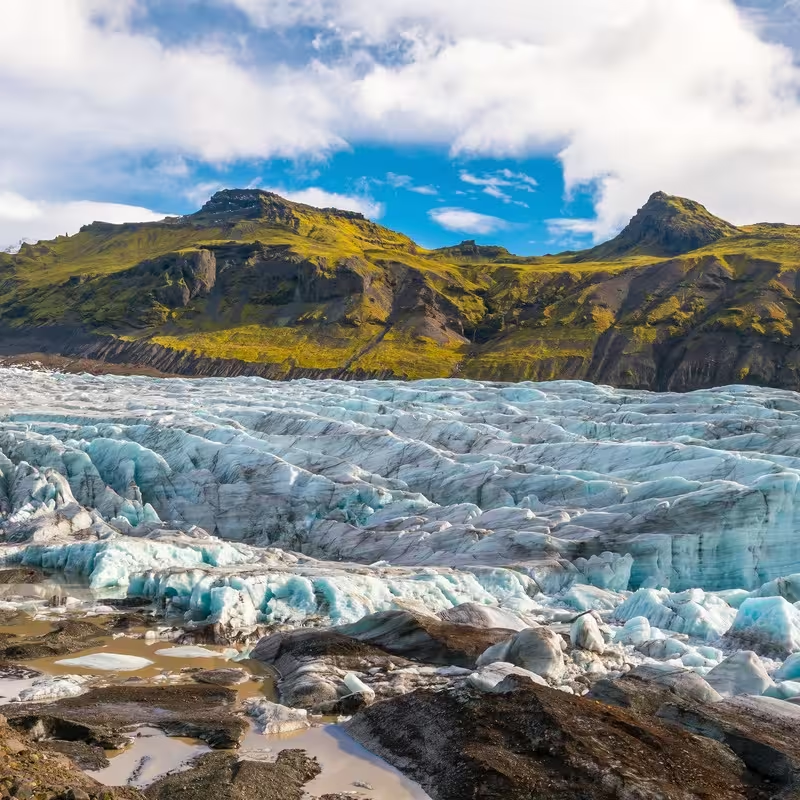
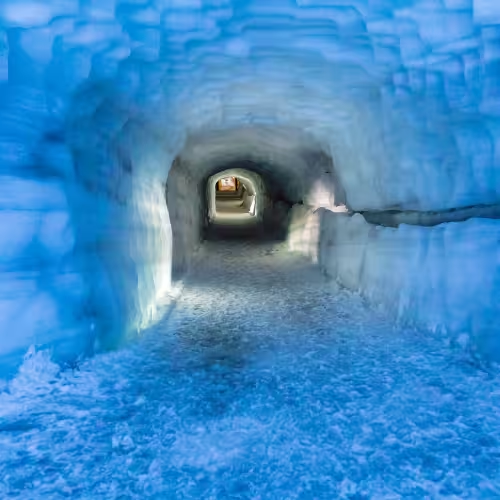
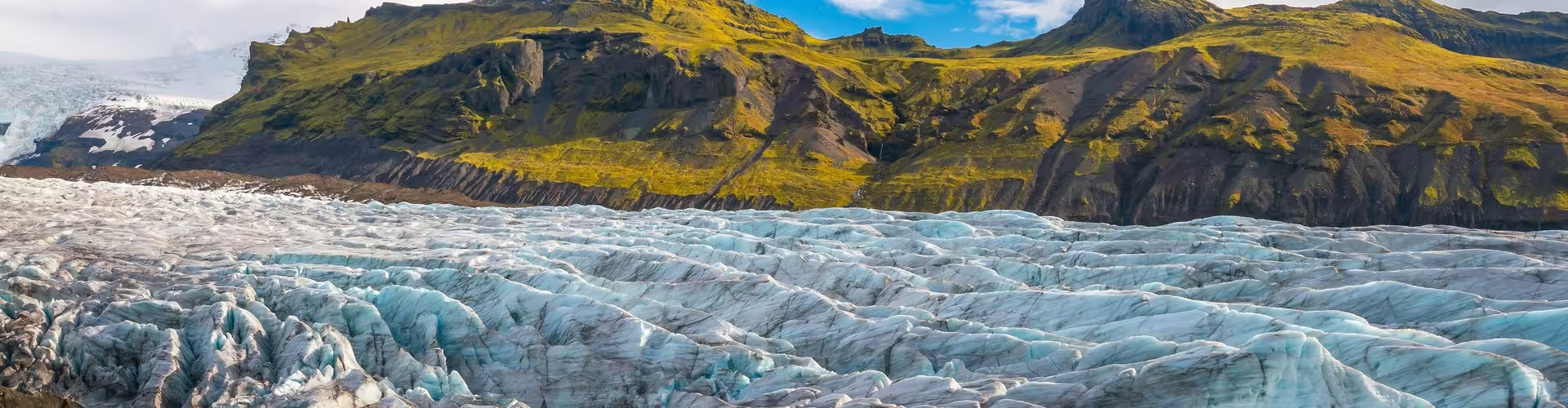
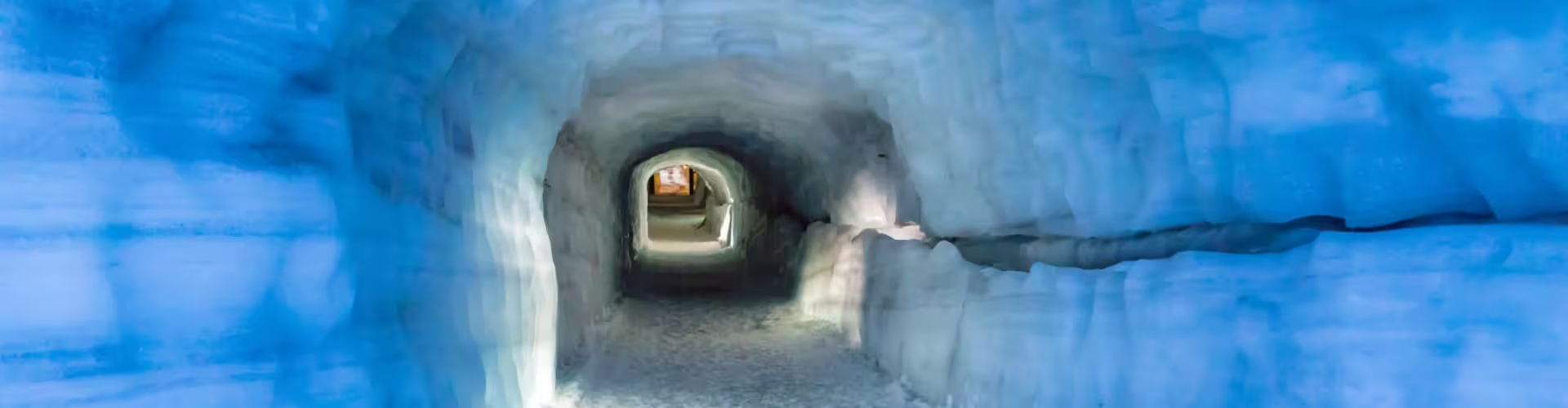
A glacier hike can also be part of a South Coast day on the private Iceland South Coast and glacier hike full-day tour, which lasts 11 hours. It includes private transport to and from Reykjavík, a certified glacier guide, crampons and ice axes, a guided hike on Sólheimajökull, and visits to Skógafoss, Seljalandsfoss and Reynisfjara.
One day is a reasonable plan for Reynisfjara and Dyrhólaey, with Vík as a food stop. That gives the day a coastal focus: the black-sand beach, then Dyrhólaey, a promontory west of Vík that reaches 120 metres in height. In Vík, a meal can feature burgers or ribs with a milk-stout glaze, alongside beer brewed locally.
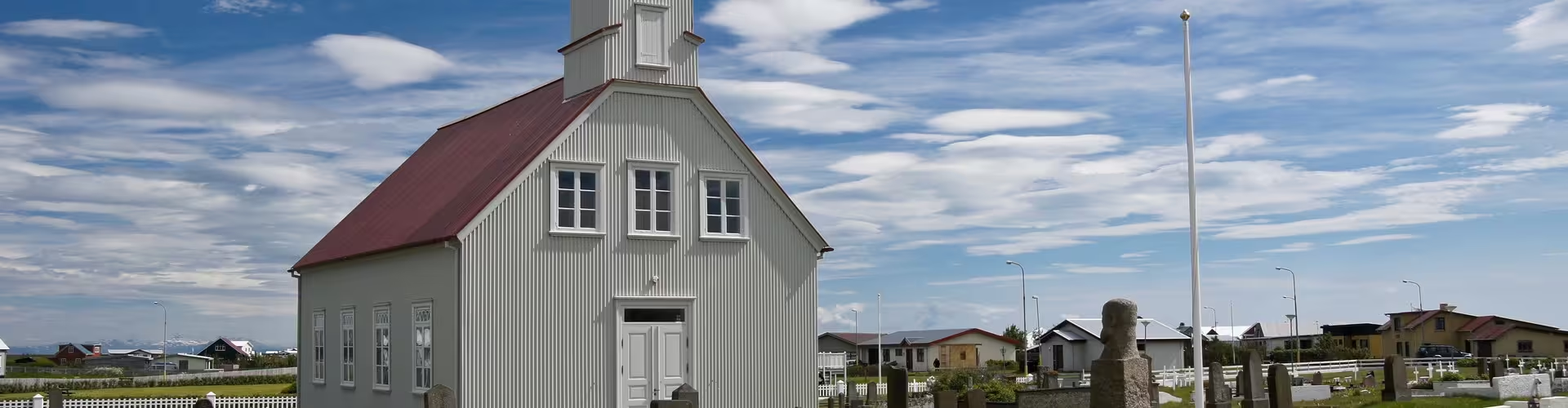
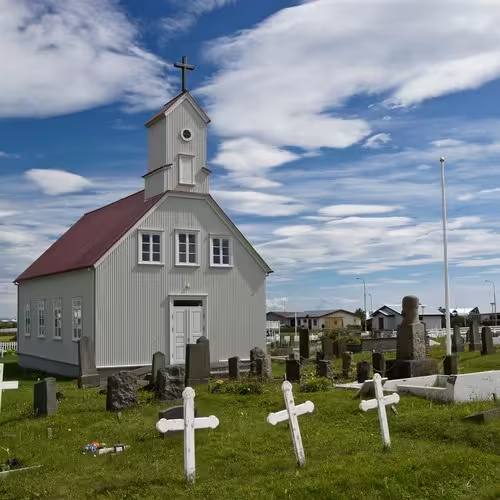
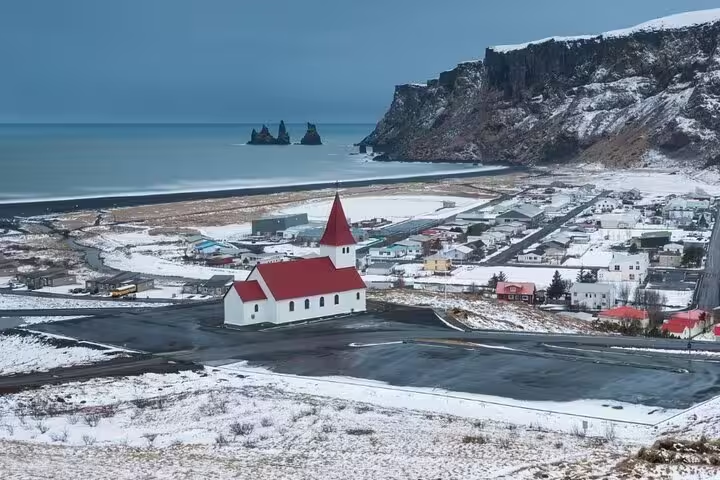
If church history interests you, Reyniskirkja in Reynishverfi can give the day a cultural focus alongside the coast. Construction ran from 1940 to 1946, and the church was consecrated on 26 May 1946.
For a guided version, the private guided Iceland South Coast day trip lasts 9 hours and includes a private vehicle and driver, a local guide, and an itinerary that can be tailored to your group. Its included stops are Seljalandsfoss, Skógafoss, Dyrhólaey, Reynisfjara and Vík.
Summer suits a visit focused on puffins, while plans for May to August should still allow for rain. A puffin colony occupies the cliffs of Reynisfjall in summer. At Vík í Mýrdal, the total precipitation for May to August ranged between 0.49 and 0.77 metres across the years 2007 to 2011. Those historical totals are a reason to leave some flexibility in a beach-focused plan during those months.
October suits a trip with a local cultural event in mind: Regnboginn takes place annually in the second week of the month for the Mýrdalshreppur community. That gives a culture-focused visit a specific window to plan around.
For a winter itinerary, the winter small-group South Coast day trip with waterfalls, glaciers and black beaches lasts 10 hours. Transport, a professional driver-guide and visits to Seljalandsfoss, Gljúfrabúi, Skógafoss, Reynisfjara and Sólheimajökull are included.
A guided day trip with transport included is an option for linking coastal stops; public bus route 52 serves Vík í Mýrdal, not Reynisfjara itself. If your journey also involves Keflavík Airport and Reykjavík, public bus route 55 connects them. These are separate parts of planning the journey: the airport connection, the bus serving Vík, and transport between the coastal stops.
In 1927, the lighthouse at Dyrhólaey was built.
Yes, Dyrhólaey has been a protected nature reserve since 1978, and the reserve covers about 1.5 square kilometres.
The building houses the wooden ship Skaftfellingur, which is over a hundred years old, and an exhibition opened in May 2017.