

On Iceland’s lava shaped southwest edge, this coastal municipality is where geothermal landscapes, Atlantic winds, and everyday local life meet. It is an ideal base for travelers who want quick access to the peninsula’s dramatic geology without straying far from the airport. Use this guide to plan smart routes, choose the right season, and build a trip around hot springs, ocean views, and volcanic terrain.
Reykjanesbaer feels raw, oceanic, and close to the elements, with black lava fields and sea spray never far away. Visit now for an easy first or last stop in Iceland, especially if you want geothermal scenery and coastal walks without a long drive. It is also a practical jumping off point for the wider peninsula, where recent volcanic activity has renewed interest in the region’s landscapes.
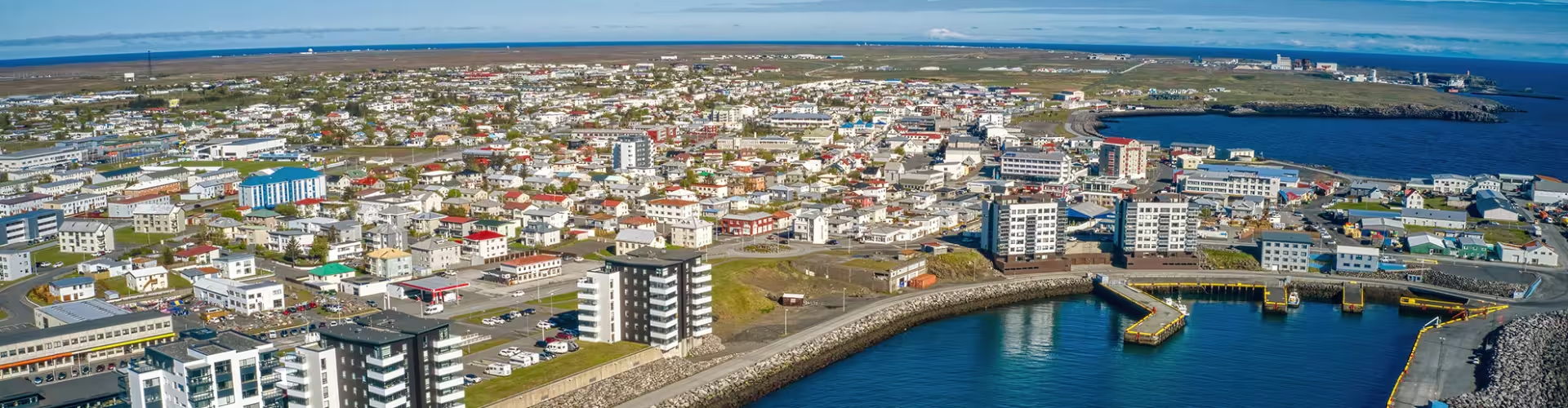
This area sits on the Southern Peninsula in Iceland, close to Keflavik International Airport. The setting is a mix of low coastal plains, lava fields, and geothermal zones that define the Reykjanes region. Most visitors arrive by air and continue by car, taxi, or bus toward nearby towns and viewpoints.
For trip planning, think of this municipality as an airport adjacent base with fast access to peninsula highlights. If you are building a ring road itinerary, it works well as a first night after landing or a final night before departure. If you are staying in the capital area, it can also be done as a day trip with an early start.
Summer brings long daylight hours and easier driving conditions, which is helpful for coastal viewpoints and longer walks. Shoulder seasons can deliver moody skies and fewer crowds, but weather can shift quickly, so flexible plans matter. Winter offers northern lights potential on clear nights, plus a stark, cinematic feel, but expect wind, ice, and occasional road disruptions.
For photographers, softer light is common in spring and autumn, and the Atlantic coastline can look especially dramatic after passing weather. For hikers, aim for periods with stable forecasts, and always build in buffer time. For relaxation focused trips, geothermal bathing can be enjoyable year round if you pack properly.
Iceland uses the Icelandic krona, and card payments are widely accepted for everyday purchases. Costs are generally high compared with many European destinations, so planning meals and transport in advance can help. Keep a small amount of cash only for rare situations, but do not rely on it as your main payment method.
To manage your budget, prioritize one or two paid experiences and fill the rest with free coastal stops and lava field viewpoints. If you are renting a car, compare insurance options carefully and factor in fuel. For food, supermarkets and casual cafes can be better value than sit down dining every day.
Coastal walks and sea views
The shoreline delivers that classic southwest Iceland mood, with wind sculpted waves and wide horizons. It is a simple way to reset after a flight and get a feel for the peninsula’s maritime character. Practical tip: wear a windproof outer layer, conditions can change fast even on short walks.
Geothermal bathing nearby
The wider peninsula is known for geothermal experiences that pair warm water with volcanic scenery. A soak is especially rewarding after a day of driving or hiking in cool weather. Practical tip: book ahead in peak seasons and bring a swimsuit and a quick dry towel.
Lava field viewpoints
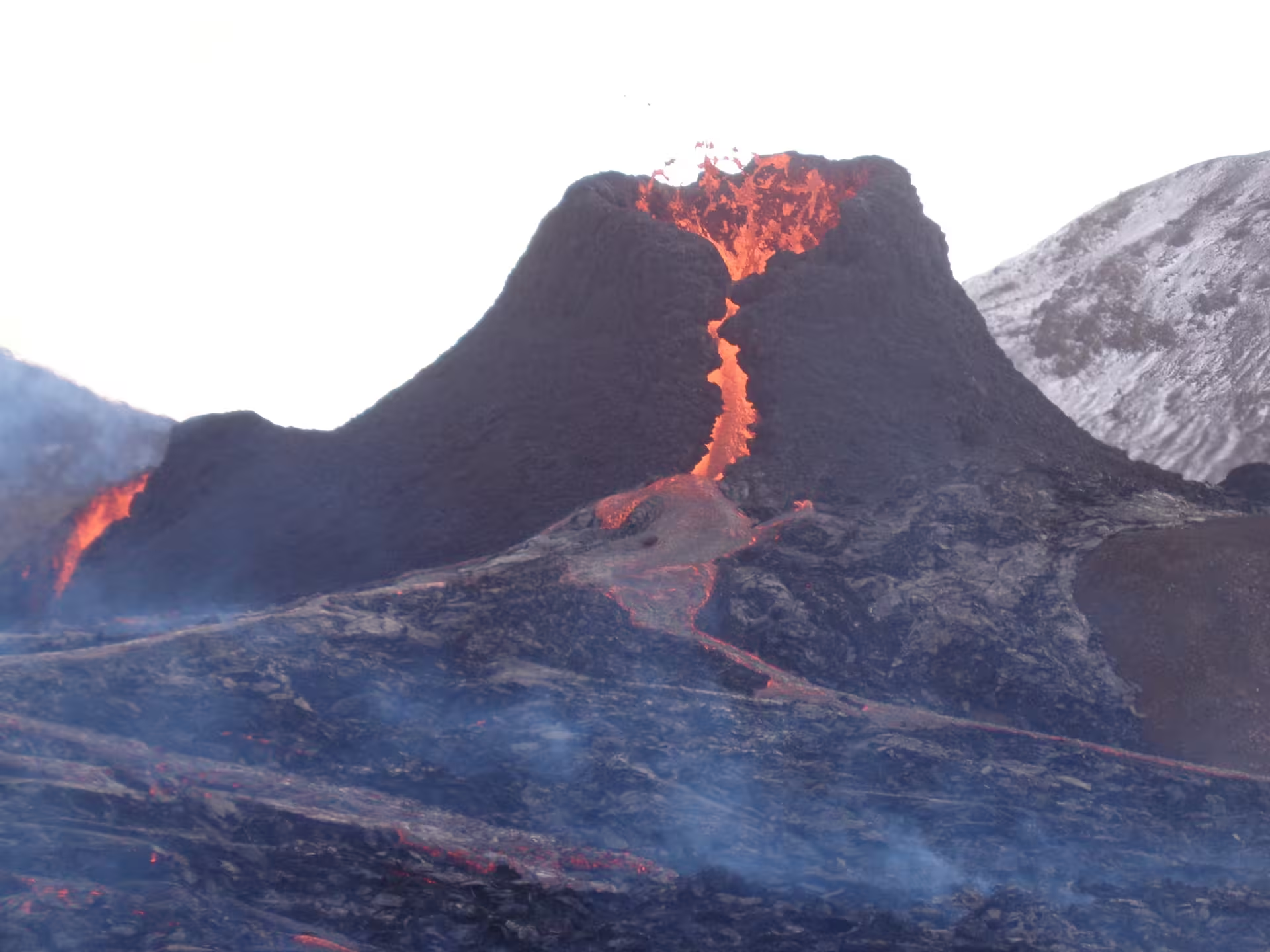
The landscapes here are defined by basalt, moss, and hardened flows that show Iceland’s geology up close. Short stops can feel surprisingly otherworldly, especially in low light or mist. Practical tip: stay on marked paths to protect fragile moss and avoid uneven ground.
Bird and ocean watching
The Atlantic edge attracts seabirds and offers a sense of openness that is hard to find inland. Even without specialist gear, you can spot movement along the cliffs and surf line. Practical tip: bring binoculars if you have them, and keep a safe distance from cliff edges in strong wind.
Local culture in the town area
Beyond nature, you will find everyday Icelandic life, with cafes, community spaces, and a working coastal atmosphere. It is a good place to slow down and balance your itinerary with something unhurried. Practical tip: check local listings for seasonal events, but keep expectations flexible.
Peninsula scenic drive loop
A drive around parts of the Reykjanes region strings together lava plains, ocean viewpoints, and geothermal steam. It is ideal for travelers who want variety without long distances. Practical tip: fuel up early and download offline maps, signal can be inconsistent in exposed areas.
Photography in changing weather
This coastline is made for dramatic skies, with fast moving clouds and shifting light. The contrast of dark rock and pale sea can be striking in almost any season. Practical tip: protect your camera from spray and carry a microfiber cloth for quick lens cleaning.
Use the area as a smart base
Because it is close to the airport, it can reduce transit stress and add flexibility to flight day planning. It also makes it easier to chase a clear patch of sky for northern lights in winter. Practical tip: on arrival day, keep plans light and prioritize rest and a short walk.
Start with a coastal walk for fresh air and an easy reset, then drive to a lava field viewpoint for a quick geology focused stop. Add a geothermal bathing session in the afternoon to warm up and relax. Finish with a simple dinner in town, then step outside later if skies are clear for a chance at aurora viewing in colder months.
Day 1: settle in, explore the shoreline, and add a short scenic drive to connect ocean views with lava landscapes. Keep the evening flexible for weather, photography, or a quiet cafe stop.
Day 2: dedicate the day to a peninsula loop, combining geothermal areas, viewpoints, and longer walks where conditions allow. Plan a soak at the end of the day, it feels especially good after wind and uneven terrain.
Day 3: choose a slower pace, revisit your favorite coastline spot at a different tide or light, and leave time for shopping, packing, and flight day logistics. If you are continuing into the country, use this day to transition toward the capital area or the south coast.
Lamb soup
Comforting and savory, often served hot and hearty, perfect after time outdoors. Ordering tip: ask if it comes with bread, it is a common pairing.
Fresh fish and chips
Crisp batter and flaky fish suit the coastal setting, and it is an easy casual meal. Ordering tip: request extra sauce on the side if you like to control the richness.
Skyr
Thick, tangy, and high in protein, it works as breakfast or a snack. Ordering tip: try it with berries for a more dessert like feel without being heavy.
Rye bread
Dense, slightly sweet, and satisfying, often paired with butter or smoked fish. Ordering tip: look for it as a side with soups and seafood plates.
Smoked fish
Salty, aromatic, and deeply Icelandic, especially good with dark bread. Ordering tip: ask what is locally sourced, options can vary by day.
Hot chocolate or coffee in a local cafe
Warm drinks are part of the rhythm here, especially in windy weather. Ordering tip: if you want something less sweet, ask for a smaller size or a less sugary version.
Driving is the most flexible option for linking coastal viewpoints, geothermal areas, and lava field stops, especially when you want to adapt to weather. If you are not renting a car, taxis and pre booked transfers can cover airport connections and key points, but costs add up quickly. Some routes may be served by bus connections, yet schedules can be limited outside peak periods.
Walking works well for local shoreline stretches and town areas, but expect wind and uneven surfaces near natural sites. For safety, check road conditions in winter, keep a buffer for storms, and do not underestimate gusts near cliffs. Accessibility varies, so travelers with mobility needs should prioritize paved viewpoints and confirm terrain before committing to longer walks.
Reykjavik
Travel time: about 45 minutes to 1 hour by road, depending on conditions. Why go: museums, dining, and a lively cultural scene that contrasts with the peninsula’s raw nature.
Blue Lagoon area
Travel time: roughly 20 to 30 minutes by road. Why go: iconic geothermal bathing and a spa focused experience that pairs well with arrival or departure days.
Reykjanes Peninsula scenic stops
Travel time: variable, many viewpoints are within 15 to 60 minutes. Why go: a concentrated mix of lava landscapes, ocean cliffs, and geothermal features.
South Coast gateway points
Travel time: about 1.5 to 2.5 hours to reach early south coast highlights. Why go: waterfalls, beaches, and longer day trip options if you want to extend beyond the peninsula.
How close is Reykjanesbaer to Keflavik International Airport?
It is very close, which is why many travelers use it for a first or last night in Iceland. Exact drive time depends on where you stay within the municipality and traffic, but it is typically a short transfer.
Do I need a car to explore the Southern Peninsula?
A car makes it much easier to connect viewpoints and geothermal stops on your own schedule. Without one, you can still manage key transfers by taxi or pre booked transport, but you will have less flexibility.
What is the best season for coastal scenery and photos?
Summer offers long daylight, while spring and autumn can bring dramatic skies with fewer crowds. Winter can look stunning too, but weather is less predictable and conditions can be harsh.
Can I see the northern lights from the area?
Yes, on clear, dark nights you may get good visibility because you can quickly reach darker stretches away from brighter areas. Success depends mostly on cloud cover and solar activity, so keep plans flexible.
Is Reykjanesbaer a good base for day trips?
Yes, it works well for exploring the Reykjanes region and for quick access to Reykjavik. It is especially convenient if you want to minimize driving on arrival or departure days.