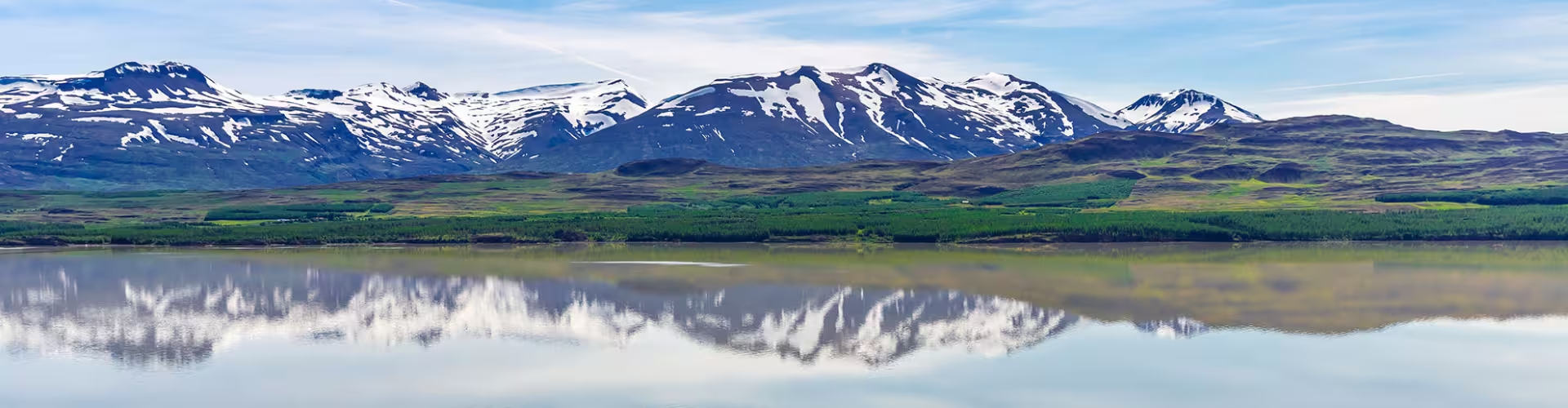

Fljót is a rural valley area in northern Iceland where wide-open landscapes, quiet roads, and a strong sense of local life shape the experience. This guide focuses on practical decision-making for travelers who want nature, breathing space, and a slower pace than the country’s busiest routes. Expect scenery-first days, weather-led planning, and simple pleasures like scenic drives, short walks, and unhurried viewpoints.
Fljót feels like Iceland turned down to a calmer volume, with big skies, farmland, and mountain backdrops that reward travelers who enjoy the journey as much as the stop. Go if you want a low-crowd base in the Skagafjörður region, where the landscape sets the schedule and photo opportunities appear around ordinary bends in the road. It is a strong choice right now for travelers prioritizing space, flexibility, and nature-forward days over fixed attractions.
Fljót sits within the Skagafjörður area of northern Iceland, a region known for broad valleys, coastal stretches, and a deep connection to Icelandic rural culture. For most travelers, the practical approach is to treat North Iceland as the gateway, then plan a road-based route into the valley and nearby settlements. Key arrival hubs for Iceland include the main international airport at Keflavík, then onward travel by road, and domestic connections can be useful depending on your overall itinerary across the island.
Seasonality in North Iceland is defined by daylight, road conditions, and how much time you want outdoors. Summer brings long days that make it easier to combine scenic drives with spontaneous stops, and it is typically the busiest period across Iceland, even in quieter areas. Shoulder seasons can offer a more solitary feel, but weather becomes a bigger factor, so build in buffer time and keep plans flexible. Winter travel is about short daylight windows and careful driving, which can be rewarding for travelers comfortable with changing conditions and slower pacing.
Iceland uses the Icelandic króna, and costs are generally high compared with many European destinations. Plan your budget around fuel, food, and accommodation, since distances add up and services can be spread out in rural areas. Card payments are widely used in Iceland, but it is still smart to carry a small amount of cash for edge cases, especially when you are far from larger service centers.
Note: Experiences in Fljót are often about landscape, light, and pacing rather than a checklist of ticketed attractions. Use these ideas as a flexible menu and let weather and road conditions guide the final plan.
1) Scenic Valley Drive
Why it matters: A drive through the valley is the fastest way to understand the scale of North Iceland, where mountains, open fields, and changing skies create constant variation. The “vibe” is quiet and expansive, ideal for travelers who like to stop often for photos and short walks. Practical tip: Build extra time for pull-offs and viewpoint stops, then keep your schedule light so you are not rushing the best light.
2) Slow Travel Photography Stops
Why it matters: Rural Iceland rewards patient observation, with shifting cloud layers, bright greens in milder months, and dramatic contrasts when weather moves in. This is where Skagafjörður landscapes shine, because the horizon feels wide and uncluttered. Practical tip: Pack layers and keep your camera accessible, since the best moments can last only a few minutes.
3) Short Walks for Fresh Air and Perspective
Why it matters: Even brief walks help you experience the silence and scale that define Fljót, especially when you step away from the road and hear only wind and distant water. These low-commitment outings are also ideal if weather is changeable. Practical tip: Choose sturdy footwear and avoid pushing too far if visibility drops, then keep a warm layer handy.
4) Weather Watching as a Daily Ritual
Why it matters: In northern Iceland, weather is not just a forecast, it is the main planning tool. Learning to read cloud movement and light changes helps you decide when to drive, when to stop, and when to stay put. Practical tip: Check conditions before you set out, then keep alternate options so you can pivot without stress.
5) Rural Culture Appreciation
Why it matters: Skagafjörður is strongly associated with Iceland’s countryside identity, and time in Fljót gives you a feel for that everyday rhythm. The value is in observing how settlements, farms, and roads relate to the land. Practical tip: Drive respectfully, be mindful around livestock areas, and treat private property boundaries seriously.
6) Golden Hour Viewpoints
Why it matters: Low-angle light in Iceland can transform ordinary scenery into something cinematic, especially across open valleys. This is one of the easiest ways to “upgrade” your experience without adding cost or complexity. Practical tip: Aim to be on the road during late-day light, then leave enough time to pull over safely.
7) A Rest Day That Still Feels Like Travel
Why it matters: The calm of Fljót makes it a strong base for recovery between longer driving days elsewhere in Iceland. Rest days improve the whole itinerary because fatigue is a real factor on rural roads. Practical tip: Keep plans minimal, do a short walk, then enjoy an unstructured evening.
8) Road-Trip Mindset, Curated Stops
Why it matters: The best experiences here often come from choosing a direction, then letting the landscape provide the highlights. This approach fits travelers seeking North Iceland travel that feels personal rather than pre-packaged. Practical tip: Keep snacks, water, and a warm layer in the car, then treat every stop as optional and weather-dependent.
Start with a morning drive through Fljót to get oriented, then pause often for quick photo stops and short walks that do not require major time investment. Keep midday flexible, since weather can determine whether you continue driving or slow down and stay local. Finish with a late-day viewpoint stop timed for softer light, then return early enough to avoid driving tired.
Day 1 focuses on a relaxed scenic drive and a handful of short walks, building a feel for distances and road rhythm in the valley. Day 2 is for weather-led exploration, repeating your favorite stretch at a different time of day for new light and atmosphere, and adding longer pauses for photography and quiet time outdoors. Day 3 can be used as a buffer for poor weather, or as a day-trip slot to explore more of the Skagafjörður area without turning the trip into a constant transit schedule.
Food in rural Iceland often emphasizes simple ingredients, warmth, and practicality, which fits the climate and travel style. Exact menus vary by location and season, so use these as common Icelandic flavors to look for while traveling through North Iceland.
The most practical way to explore Fljót and the wider Skagafjörður area is by car, since rural distances and dispersed sights make point-to-point travel easier with your own schedule. Walking works well for short local outings and viewpoint stops, but it is not a substitute for road travel between areas. Public transport options can be limited in rural Iceland, so confirm your route plan before committing to a car-free itinerary.
Safety and accessibility: Driving conditions can change quickly with weather, and daylight hours vary dramatically by season. Build in extra time, avoid rushing, and prioritize rest, especially if you are doing multiple long driving days across Iceland.
Use Fljót as a calm base for exploring more of North Iceland and Skagafjörður. Travel times depend heavily on road conditions and season, so treat these as flexible day-trip ideas rather than fixed promises.
Yes, it can work well if you are comfortable driving and want a quieter rural setting. It suits travelers who prefer flexible plans and scenery-led days.
One day is enough for a highlights drive and short walks. Two to three days gives you weather flexibility and time to repeat scenic stretches in better light.
Summer offers long daylight hours and easier pacing for scenic drives. Shoulder seasons can be quieter, but weather variability can affect plans.
A car is the most practical option because distances are rural and sights are spread out. Walking is best used for short local outings rather than point-to-point travel.
Bring layers, a waterproof outer layer, and sturdy footwear for uneven ground and changing weather. Add snacks and water for longer drives where services may be limited.