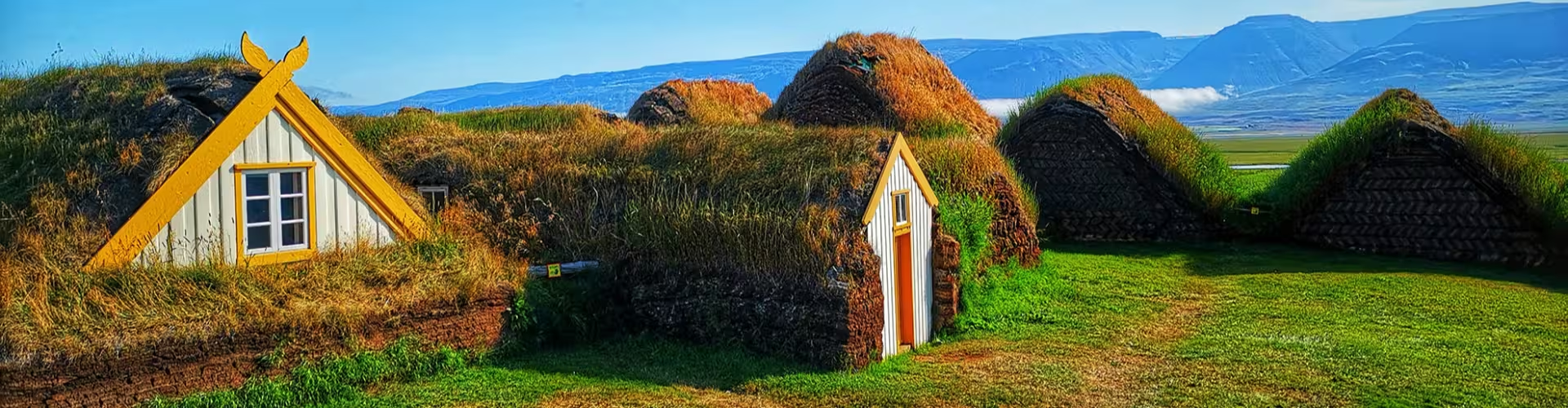


Skagafjörður is one of North Iceland’s most character rich regions, known for wide valley views, a strong horse culture, and a slower, rural rhythm that feels distinctly Icelandic. This guide focuses on practical planning, what to do, how to get around, and how to build an itinerary that fits your travel style. Use it as a decision support companion for choosing bases, timing, and experiences across Skagafjörður.
Skagafjörður delivers a calm, outdoors first vibe with big skies, farm country, and a deep connection to Icelandic heritage. It is a place for travelers who want scenic drives, local food, and hands on experiences over crowded hotspots. Go when you can match your days to the season’s light and weather, then plan your route so you spend more time exploring and less time backtracking.
Skagafjörður sits in North Iceland, a region shaped by valleys, rivers, and coastal terrain that rewards road trip planning. Most travelers connect through Iceland’s main hub around Reykjavík, then drive north on the Ring Road to reach the valley settlements and viewpoints. If you are building a multi region trip, Skagafjörður pairs naturally with other North Iceland stops because the distances encourage a loop style itinerary rather than day by day returns.
Timing in North Iceland is about balancing daylight, road conditions, and your preferred pace. In brighter months, longer days make it easier to combine scenic drives with short hikes and unhurried meals. In darker months, the experience becomes more atmospheric and cozy, but you will want tighter daily plans, flexible buffers for weather, and a strong focus on road safety and visibility.
Iceland is generally a high cost destination, so plan your Skagafjörður budget with room for fuel, food, and paid activities, plus a cushion for weather driven changes. Cards are widely used in Iceland, which makes it easy to manage spending without carrying much cash. A practical strategy is to prioritize a few paid highlights you care about most, then fill the rest of your days with viewpoints, short walks, and self guided exploration.
Note: Experiences below are curated to help you plan without relying on specific opening hours or prices. Confirm details locally and book ahead when availability is limited.
1) Scenic valley drive through Skagafjörður
Why it matters, the landscape here is the headline, with open farmland, river corridors, and mountain backdrops that change dramatically with light and weather. A drive helps you understand the region’s scale and the way communities are spaced across the valley. Practical tip, keep your schedule loose so you can stop often for photos, short walks, and changing conditions.
2) Icelandic horse culture experience
Why it matters, Skagafjörður is strongly associated with Icelandic horses and rural traditions, which gives the region a distinct identity compared with more urban or geothermal focused areas. Seeing horses in their home landscape adds context to Icelandic history and agriculture. Practical tip, if you plan a ride, choose a provider that matches your experience level and dress for wind and sudden weather shifts.
3) Heritage focused village and farm stops
Why it matters, North Iceland’s rural settlements preserve everyday heritage, from local storytelling to craft and food traditions. These stops add human scale to the scenery and help you understand how people live with long winters and big distances. Practical tip, build in time for conversation and small purchases, it is a simple way to support local businesses.
4) River and viewpoint photography session
Why it matters, the valley’s rivers and braided channels create strong lines for landscape photography, especially when the sky is dramatic. Even a short stop can deliver memorable images because the terrain is so open. Practical tip, bring a lens cloth and protect your gear from mist and wind blown grit.
5) Easy nature walks for all levels
Why it matters, not every day needs to be a major hike, and Skagafjörður is ideal for short walks that still feel wild. These gentle outings help you reset between driving legs and keep the trip accessible for mixed groups. Practical tip, choose routes that allow you to turn around easily if weather changes, and always stay on durable surfaces.
6) Local food tasting loop
Why it matters, regional food is a direct way to experience place, and rural Iceland often emphasizes freshness, simplicity, and seasonal ingredients. A tasting loop also breaks up long drives and creates natural rest points. Practical tip, aim for earlier meal times when you can, it reduces stress if options are limited in smaller communities.
7) Slow travel day with hot drink stops
Why it matters, the North Iceland pace rewards travelers who leave space for weather, detours, and spontaneous viewpoints. A slower day also helps you avoid the common road trip mistake of treating the valley as only a pass through. Practical tip, pick one anchor activity, then let the rest of the day be flexible.
8) Self guided cultural storytelling evening
Why it matters, Iceland’s identity is deeply tied to stories, place names, and local history, which you can engage with even without a formal tour. Ending the day with a simple reflection moment deepens your connection to the landscape. Practical tip, jot down your favorite stops and revisit them on a map, it helps you plan the next day more intentionally.
Start with a morning drive into Skagafjörður and prioritize the most scenic valley stretches while the light is soft. Add one horse culture related stop or a short nature walk to break up driving and anchor the day in local identity. Finish with a relaxed meal and an unhurried viewpoint stop, then return to your base before conditions change in the evening.
On day one, do a broad orientation loop, identify your favorite viewpoints, and note where you want more time. On day two, focus on one theme, either horses and rural heritage or nature walks and photography, and keep the schedule intentionally light. If you have a third day, use it for a flexible weather buffer, a longer drive to a nearby area, or a slow travel reset that lets Skagafjörður sink in rather than rushing onward.
Food experiences in North Iceland often lean hearty and comforting, designed for cool weather and long days outdoors. Availability can vary by season and location, so treat these as ideas to look for rather than guaranteed menu items.
Most travelers explore Skagafjörður by car because distances between stops can be significant and the best viewpoints are often roadside. Walking works well for short village strolls and easy nature paths, but it is not a complete transport plan for the region. For safety, drive conservatively, watch for changing weather, and keep extra time in your schedule so you never feel pressured to rush between locations.
Day trips from Skagafjörður work best when you choose one direction and commit to it, rather than trying to cover too much in one day. Travel times depend on road conditions and weather, so treat your plan as flexible.
Is Skagafjörður best explored as a day trip or an overnight stay?
An overnight stay is usually more comfortable because driving distances and weather can slow you down. A day trip can work if you focus on a single theme and keep your route simple.
Do I need a car to visit Skagafjörður?
A car is the most practical option because sights are spread out and many highlights are reached by scenic roads. Walking is best for short local strolls once you are in one place.
What should I pack for Skagafjörður?
Bring layers, a wind resistant outer layer, and comfortable shoes that can handle wet ground. Also pack snacks and water so you can enjoy viewpoints without rushing to the next stop.
How many days do I need in Skagafjörður?
One day covers the main scenic feel, but two to three days lets you slow down and add horse culture, food stops, and flexible weather time. Many travelers find that extra time improves the experience in Skagafjörður.
Is Skagafjörður a good fit for travelers who want quieter places?
Yes, it often appeals to travelers who prefer open landscapes and rural culture over crowded attractions. The best approach is to plan a few anchor stops, then leave room for spontaneous detours.