
Explore Tours

Build your dream
experience

More to know about Elis
Elis Travel Guide
Elis is a region in West Greece where ancient heritage, long beaches, and rural landscapes sit close enough to combine in a single trip. The mood shifts easily from archaeological wonder to laid-back seaside time, with small towns and countryside routes that reward unhurried exploration. This guide helps you plan what to do, how to move around, and how to shape your days for maximum variety without overpacking your schedule.
Snapshot
Elis feels spacious and sunlit, with a strong connection to classical history and a coastline that invites slow travel. Go when you want a balanced mix of culture and nature, and aim for a rhythm that includes both early starts and long evenings. The signature vibe is simple and grounded, think archaeological sites, local food, and open-air scenery rather than big-city intensity.
🗺️ Geography and Logistics
📍 Orientation: Where is it within West Greece and Greece?
Elis sits in West Greece, a part of the country known for fertile plains, Ionian Sea beaches, and access to major classical landmarks. It is commonly approached via regional hubs in the western Peloponnese and nearby transport nodes that connect West Greece to the rest of the country. For trip planning, think in terms of a base near the coast for beach time, or inland access for archaeological focus, then link the two by road.
🕒 When to Go
Seasonality in West Greece typically shapes your experience through weather and crowd levels rather than fixed event calendars. Warmer months support beach-focused days and late dinners outdoors, while shoulder seasons can feel calmer for sightseeing and longer walks. If your priority is a quieter atmosphere at key landmarks, plan for periods when day-trippers are less concentrated, and start your sightseeing early in the day.
💰 Budget & Currency
Greece uses the euro, and travelers in Elis often find that costs vary by setting, with coastal areas sometimes feeling more seasonal than inland towns. Carry a mix of payment options since smaller businesses can prefer cash, especially for low-value purchases. A practical approach is to keep small notes and coins for everyday spending, then use cards where accepted for accommodation and larger bills.
⭐ Essential Things to Do
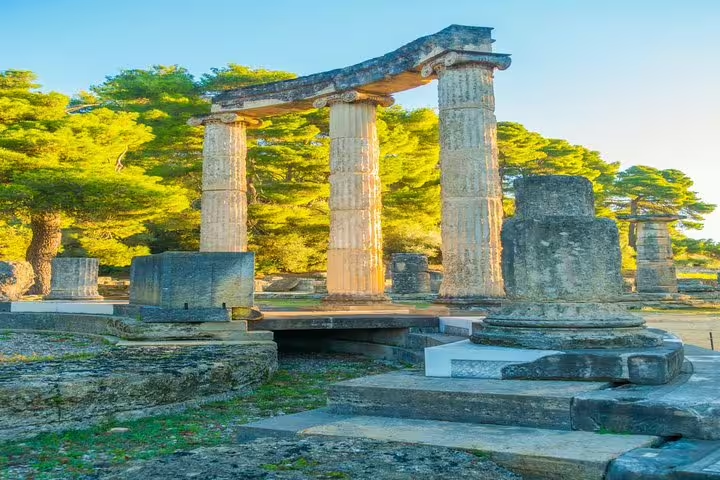
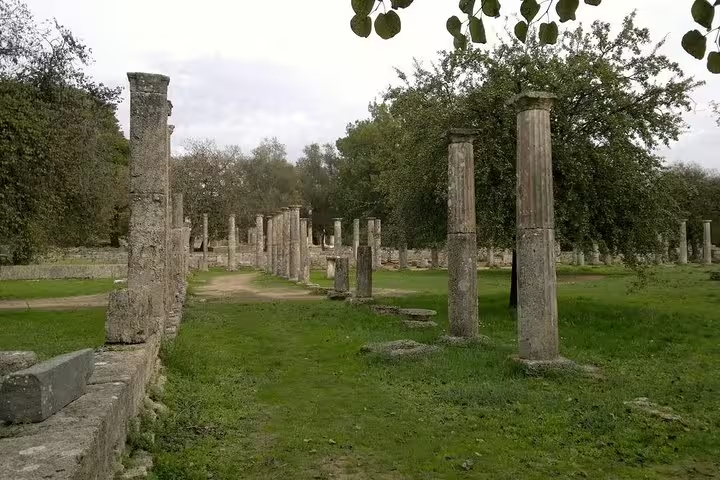
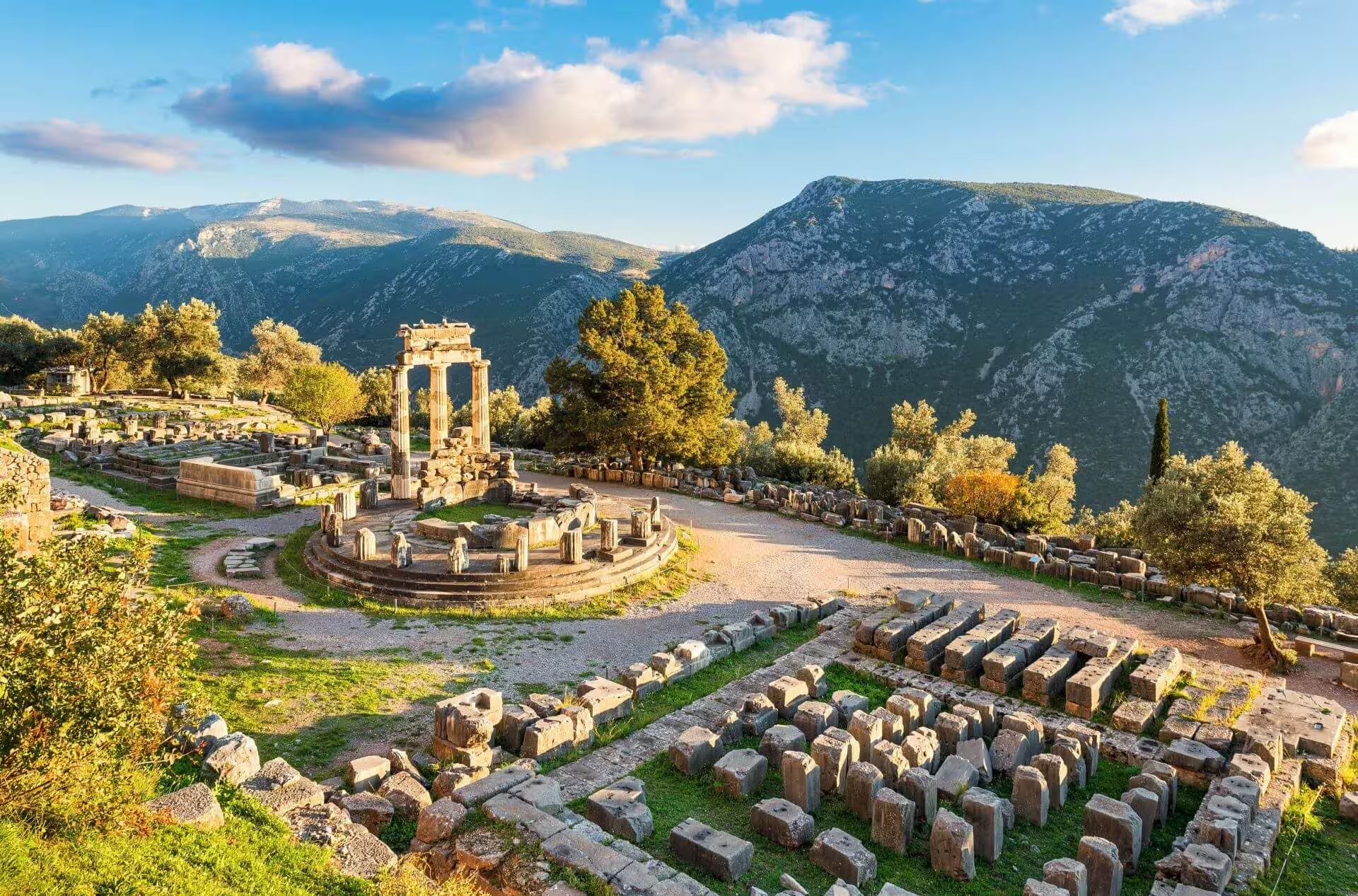
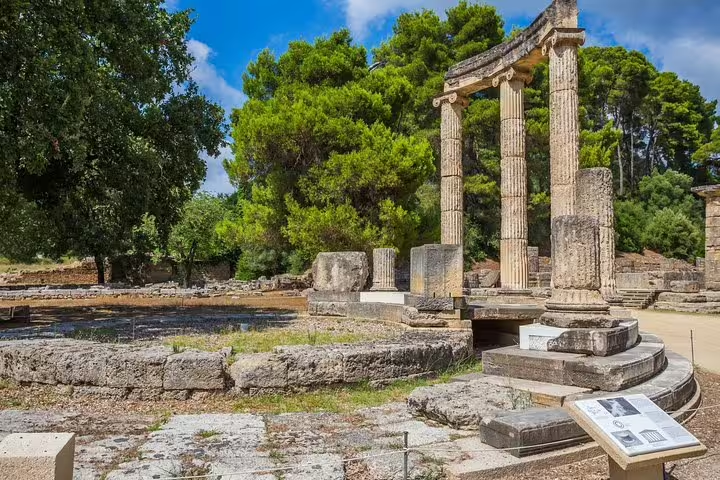
Ancient Olympia
Why it matters: This is one of Greece’s most iconic archaeological landscapes, strongly tied to the origins of the Olympic Games and the wider story of the classical world. Visiting adds cultural depth to a beach-and-nature itinerary, and it helps you understand why Elis holds such a central place in Greek heritage. Practical tip: Go early for cooler temperatures and a more reflective experience, then plan a slower lunch afterward rather than rushing to the next stop.
Archaeological Museum of Olympia
Why it matters: Museums give context that ruins alone cannot, especially when you want to connect statues, inscriptions, and everyday objects to the site’s broader meaning. Pairing the museum with the archaeological area turns a quick stop into a complete story. Practical tip: Visit the museum before the outdoor site if you prefer to recognize details as you walk.
Coastal time on the Ionian Sea
Why it matters: The Ionian coast is a defining part of the region’s appeal, balancing the inland history with open horizons and a slower pace. Beach time in Elis is often about simplicity, swimming, reading, and unstructured evenings. Practical tip: Build in a “do nothing” block, then pick one scenic point for sunset photos rather than trying to hop between multiple beaches in one afternoon.
Village-to-village drives through rural landscapes
Why it matters: Some of the strongest memories in West Greece come from the in-between moments, olive groves, farmland, and small settlements where daily life feels unperformed. A short drive can reveal viewpoints, roadside stops, and local eateries that add texture to your trip. Practical tip: Keep your schedule light so you can stop when something catches your eye, and avoid planning tight arrival times.
Local markets and small-town squares
Why it matters: Markets and central squares are where you can sense the region’s everyday rhythm, from seasonal produce to casual coffee culture. This is also a smart way to sample local flavors without committing to a long meal. Practical tip: Go earlier in the day for the best selection, and bring cash for small purchases.
Nature walks and easy countryside strolls
Why it matters: Elis is well-suited to low-pressure outdoor time, where the goal is not a strenuous hike but a scenic reset between cultural stops. Even short walks can help break up museum and site visits. Practical tip: Pack sun protection and water, and choose routes that match your comfort level, especially in warmer periods.
Photography stops at golden hour
Why it matters: The region’s light, especially near the coast and open plains, can be dramatic without needing complex planning. Golden hour photography complements both archaeological and beach settings, giving you a consistent daily ritual. Practical tip: Pick one location per evening to avoid spending your best light in transit.
Slow evenings with Greek dining culture
Why it matters: Dining is part of the travel experience, not just refueling, and in Elis the best nights often come from lingering over shared plates. This is where you can connect flavors, local habits, and the pace of the region. Practical tip: Aim for an earlier reservation if you want a quieter atmosphere, or later if you want more buzz.
🚶 Curated Itineraries
⏰ The Highlights (1 Day)
Start with Ancient Olympia and give yourself enough time to move slowly, read signage, and pause at the most evocative areas rather than trying to “complete” the site. Follow with the Archaeological Museum of Olympia to connect what you saw outdoors with the objects and interpretations that bring it to life. In the afternoon, pivot to the coast for a swim and a relaxed meal, then finish with a golden-hour viewpoint so the day ends on a calm, visual high.
⏰ Deep Dive (2-3 Days)
Day 1 focuses on Olympia, pairing the archaeological site and museum with an unhurried lunch and a gentle evening walk. Day 2 shifts toward coastal time on the Ionian Sea, building in a long beach block and a slow dinner, plus short scenic stops along the way. If you have a third day, use it for village drives and small-town squares, add a market visit for local snacks, and keep your afternoon flexible so you can follow the weather and your energy.
🍽️ Flavors of Elis
Greek salad (horiatiki)
Taste profile: Fresh tomato, cucumber, olives, and feta with a clean, salty finish that pairs well with warm weather. Ordering tip: Ask for it to be served simply, and treat it as a shared starter rather than a side.
Souvlaki
Taste profile: Grilled meat with smoky char, often served with bread and simple accompaniments. Ordering tip: If you want a lighter meal, pair one portion with a salad and skip extra sides.
Grilled seafood
Taste profile: Clean, briny flavors, usually best when kept minimal with lemon and olive oil. Ordering tip: Choose seafood when you are near the coast, and ask what is freshest rather than relying on a fixed preference.
Feta-based dishes
Taste profile: Salty, creamy, and tangy, often used to add richness to otherwise simple plates. Ordering tip: If you are sampling multiple dishes, balance feta-forward plates with grilled vegetables or lighter starters.
Olive oil and olive-based bites
Taste profile: Peppery, fruity notes that define much of Greek cooking and elevate bread, salads, and grilled items. Ordering tip: If olive oil is offered with bread, use it as a tasting moment, it can reveal a lot about local quality.
Seasonal fruit
Taste profile: Sweet, refreshing, and ideal after a hot day of sightseeing. Ordering tip: Look for what is seasonal at markets, it is often the best value and the most flavorful option.
🚌 Navigation & Transport
Getting around Elis is easiest when you plan by clusters, one day for archaeological focus, another for coastal downtime, and a third for villages and countryside. Walking works well within compact areas and town centers, while road travel is the practical link between inland sites and the Ionian coastline. If you are coordinating multiple stops, build buffer time so you are not forced to rush, and keep water and sun protection with you, especially when your day includes outdoor ruins and beach time.
🌄 Beyond the Center: Day Trips
Ionian coast beaches
Travel time: Short-to-moderate depending on your base. Reason to visit: A change of pace and scenery, with open water views and easy relaxation.
Rural villages in West Greece
Travel time: Varies by route. Reason to visit: Local atmosphere, slower rhythms, and a more everyday view of the region beyond headline sights.
Additional archaeological areas nearby
Travel time: Varies by site. Reason to visit: Extends the classical theme beyond Olympia and deepens your understanding of regional history.
Scenic countryside drives
Travel time: Flexible. Reason to visit: Viewpoints and spontaneous stops, ideal for travelers who value discovery over strict schedules.
✅ Insider Tips for Travelers
- Start major sightseeing early, then shift to food and coastal time later, it matches heat and crowd patterns.
- Plan by themes, archaeology day, beach day, village day, rather than trying to mix everything into every day.
- Carry cash for small purchases, especially in markets and smaller towns.
- Pack sun protection and water for outdoor sites, shade can be limited in open areas.
- Leave buffer time between stops, the best moments often come from unplanned pauses.
- For photos, pick one golden-hour location per evening so you are not spending prime light on the road.
❓ Frequently Asked Questions, FAQ
Is Elis better for history, beaches, or both?
Both. You can pair major classical heritage, especially around Olympia, with relaxed time on the Ionian coast. The key is to plan in clusters so you are not rushing between inland and coastal stops.
How many days do I need in Elis?
One day covers the headline highlights at a fast pace, especially if you focus on Olympia and one coastal stop. Two to three days gives you room for villages, markets, and slower evenings.
What is the easiest way to get around Elis?
A mix of walking in town centers and road travel between areas is the most practical approach. Build buffer time so you can handle slower rural routes and spontaneous stops without stress.
When is the best time of day to visit Ancient Olympia in Elis?
Earlier in the day is usually more comfortable for outdoor sightseeing and helps you avoid peak crowd concentration. Pair it with a museum visit so you get both atmosphere and context.
Do I need cash in West Greece?
Yes, it helps for small purchases and market stops, even if cards are accepted in many places. Keep small notes and coins so you are not relying on change for everyday spending.
This guide explains how to plan a trip to Elis in West Greece with a focus on Olympia, coastal time on the Ionian Sea, and practical logistics. It is written by Toursxplorer.com to support trip decisions, routing, and itinerary building.
Europe, Greece, West Greece, Elis