Kalambaka

logoBlack

Build your dream
experience

dreamimg

More to know about Kalambaka


Kalambaka Travel Guide

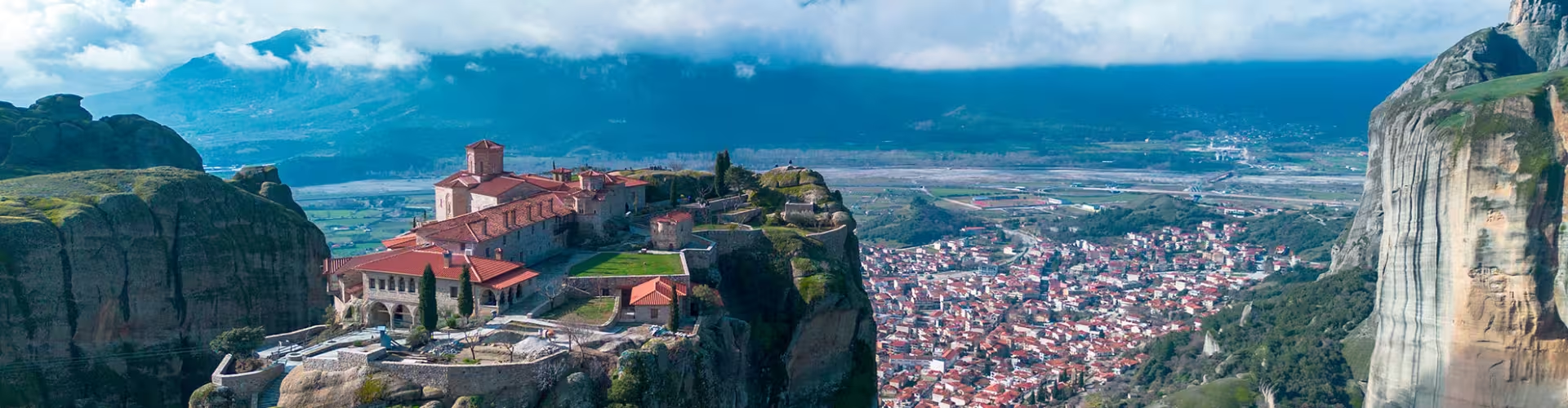
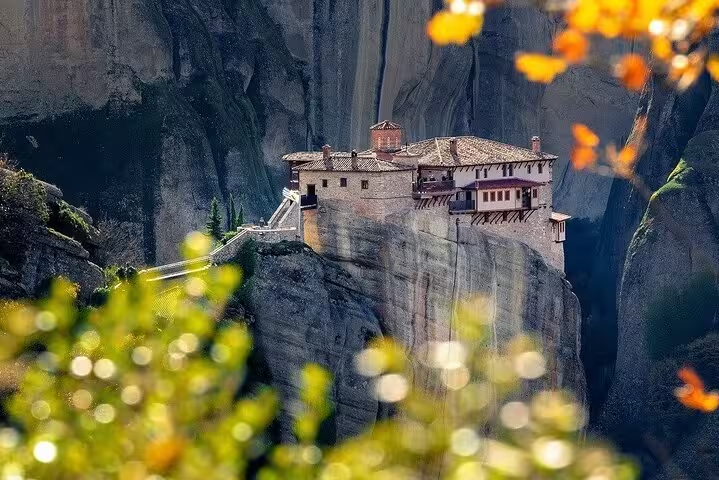
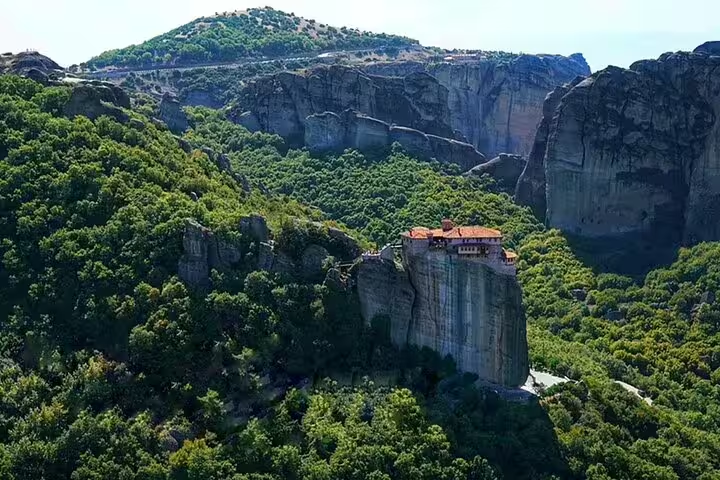
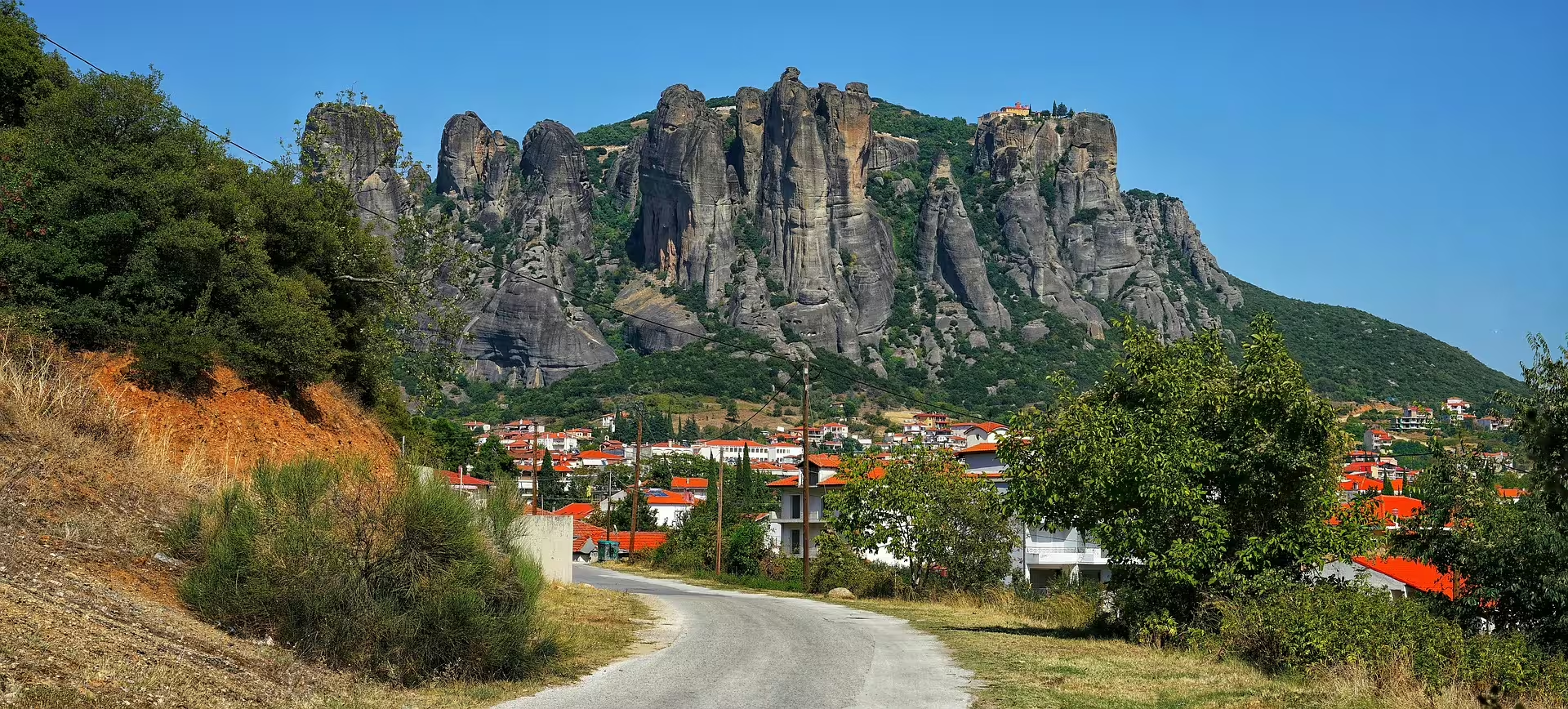
Kalambaka is the small, walkable gateway town beneath the rock pillars of Meteora, where everyday Greek life meets one of Europe’s most dramatic landscapes. Travelers come for the monasteries perched high above the plain, but often stay longer for the calm rhythm of cafés, sunset viewpoints, and easy access to Thessaly’s countryside. This guide focuses on practical choices, what to prioritize, and how to plan a smooth visit without rushing.


Snapshot

Kalambaka feels both grounded and cinematic, a working town with a front row seat to towering sandstone formations and cliff top monasteries. Go now if you want a destination that balances iconic sights with simple logistics, since many highlights are reachable on foot or with short rides. The signature vibe is slow mornings, active afternoons, and golden hour views that turn the rocks into a natural amphitheater.


🗺️ Geography and Logistics

📍 Orientation: Where is it within Trikala and Greece?

Kalambaka sits in the Trikala regional unit of Thessaly in central Greece, at the base of the Meteora rock formations. It works well as a hub because you can sleep in town and head up to the monasteries and viewpoints in short bursts, then return for meals and downtime. For international arrivals, travelers typically route through major Greek gateways such as Athens and Thessaloniki, then continue inland by rail or road connections toward Trikala and Kalambaka.

🕒 When to Go: Seasonal breakdown

In warmer months, days are longer and the rock landscape invites early starts and late sunsets, but crowds tend to rise around the most famous viewpoints. Shoulder seasons can feel more relaxed, with comfortable sightseeing conditions for walking around town and spending longer at overlooks. In cooler months, the mood turns quieter and more local, which can be ideal if you prefer a slower pace and do not mind shorter days.

💰 Budget & Currency: Practical money tips

Greece uses the euro, and you will find the usual mix of card acceptance and situations where cash is simply easier, especially for small purchases. Keep a small amount of cash for quick café stops, snacks, and incidental costs, and use a card for larger bills where available. A practical approach is to set a daily sightseeing budget, then add a buffer for transport up to Meteora viewpoints, since short rides can add up across multiple stops.


⭐ Essential Things to Do List

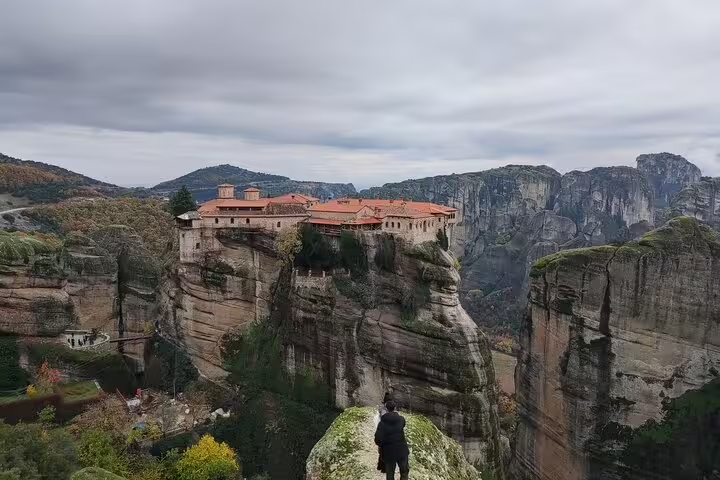
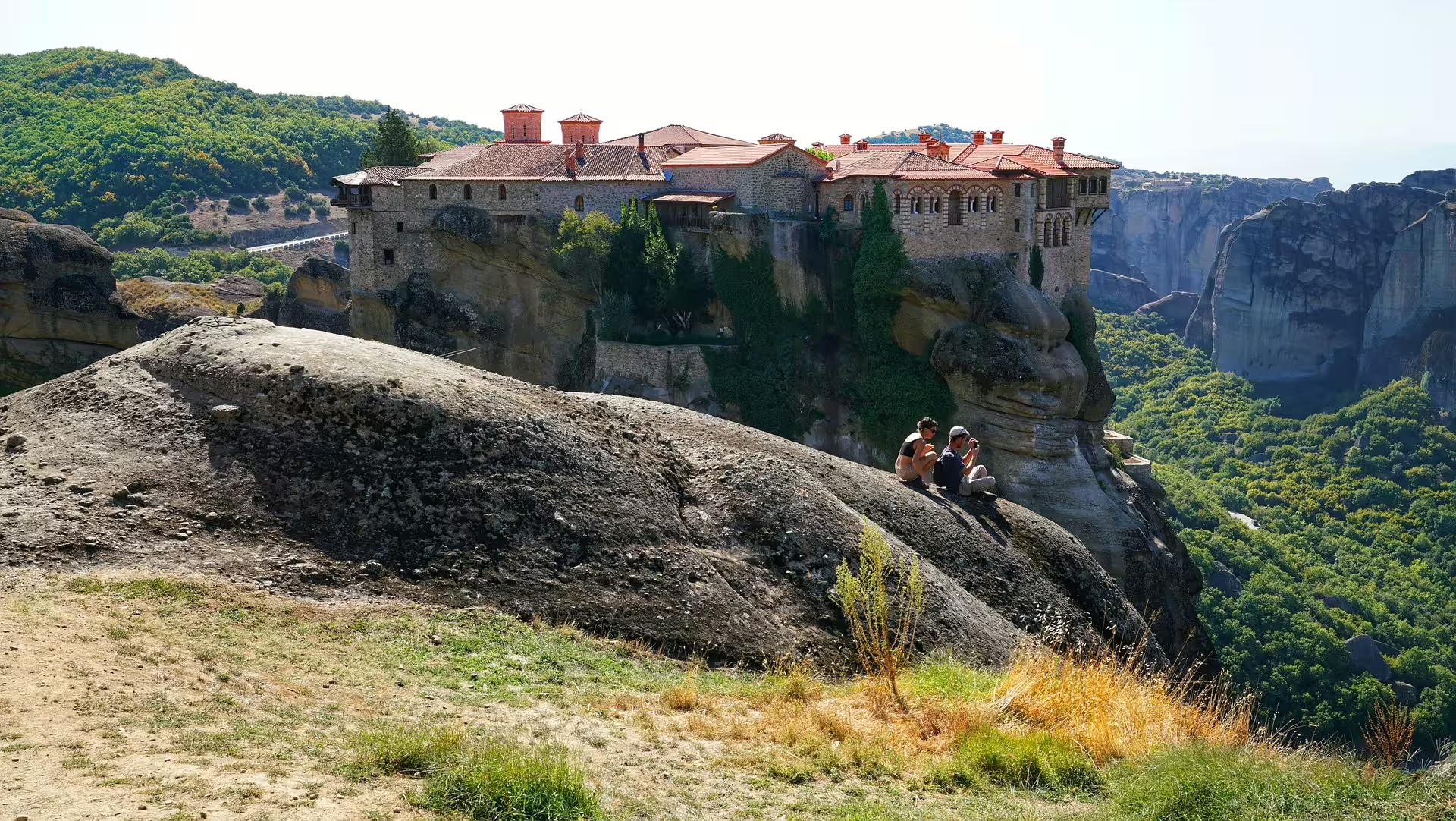
Meteora Monasteries Visit. The cliff top monasteries are the reason most people plan a trip, combining spiritual heritage with architecture that seems to defy gravity. Even if you are not visiting every site, seeing a few gives you a sense of the scale and the human effort behind them. Practical tip, start earlier in the day for clearer light and a calmer experience, then return later for sunset viewpoints.

Sunset Viewpoints Over the Rocks. Golden hour is when the landscape becomes most photogenic, with warm tones across the stone pillars and deep shadows in the valleys. It is also when the atmosphere feels most cinematic, even if you are simply standing quietly. Practical tip, arrive before the light turns, so you can choose a safe, stable spot and avoid last minute crowds.

Walk the Town Center. Kalambaka is not only a base, it is a living town with cafés, bakeries, and a daily rhythm that contrasts nicely with the dramatic cliffs above. A simple walk helps you reset between monastery visits and makes the trip feel less like a checklist. Practical tip, plan a midday town break, especially if you are doing multiple viewpoints in one day.

Local Café Culture Break. Sitting down for a coffee is part of the experience in Greece, and in Kalambaka it is also a chance to watch the light shift on the rocks. The vibe is unhurried, which helps balance the intensity of sightseeing. Practical tip, choose a seat with a view and treat it as a scheduled pause, not an afterthought.

Short Hikes and Scenic Walks. The Meteora landscape rewards slow exploration, where small changes in angle reveal new rock shapes and hidden viewpoints. Even a modest walk can feel immersive because the formations dominate the horizon. Practical tip, wear grippy shoes and carry water, since surfaces can be uneven and the sun can feel strong when you are exposed.

Photography Route Through Viewpoints. Meteora is a natural studio, with wide panoramas, tight rock corridors, and dramatic contrasts between stone and sky. Planning a simple loop of viewpoints helps you avoid backtracking and keeps the day efficient. Practical tip, bring a light layer, since conditions can change quickly once you move into shaded areas near the rocks.

Day and Night Contrast Experience. The rocks feel different at different times, energetic in the bright day and more mysterious as the town lights come on. Experiencing both adds depth, so the destination is not reduced to a single photo moment. Practical tip, keep evenings flexible, so you can react to weather and light rather than forcing a fixed schedule.

Explore Trikala Region Context. Seeing Kalambaka as part of Thessaly helps you understand it beyond Meteora, as a place connected to regional routes, agriculture, and inland Greek life. This context makes the trip feel more rounded, especially if you add a nearby stop. Practical tip, consider pairing a monastery day with a slower regional afternoon, so you are not always moving uphill and downhill.


🚶 Curated Itineraries

⏰ The Highlights (1 Day): A fast-paced “Best Of” route

Start with an early town breakfast, then head up to Meteora for your first monastery visit while the day is still calm. Continue with a small sequence of viewpoints, focusing on variety, one panoramic overlook, one closer rock corridor view, and one stop that gives you a sense of height. Return to Kalambaka for a late lunch and a rest, then go back out for sunset, when the landscape is at its most dramatic.

⏰ Deep Dive (2-3 Days): Adding neighborhood exploration and local secrets

On day one, do a moderate monastery and viewpoint loop, then spend the late afternoon walking the town center and settling into a slower pace. On day two, prioritize a longer scenic walk in the Meteora area, then keep time for café culture and a relaxed dinner back in Kalambaka. If you have a third day, use it for a nearby day trip in the Trikala region, which helps you see Thessaly beyond the headline sights.


🍽️ Flavors of Kalambaka

Greek Salad (Horiatiki). Crisp vegetables, briny olives, and feta create a clean, salty bite that pairs well with warm weather sightseeing. Ordering tip, ask for it as a shared starter to keep lunch light.

Tzatziki. Cool yogurt, garlic, and cucumber make it refreshing after time in the sun. Ordering tip, pair it with bread as a simple snack between stops.

Souvlaki. Grilled meat with a smoky edge is a reliable, filling option when you need something fast. Ordering tip, ask for it as a pita wrap if you want an easy meal on the move.

Moussaka. Rich layers of eggplant and béchamel make this a comforting choice after a long day of walking. Ordering tip, choose it for dinner when you can sit and slow down.

Local Grilled Meats. Thessaly is known for hearty inland cooking, and grilled plates often feel especially satisfying after hikes and viewpoints. Ordering tip, share a mixed plate if you want variety without overordering.

Baklava. Sweet, sticky, and nutty, it is a classic finish with strong coffee. Ordering tip, split one portion if you have already had a big meal.


🚌 Navigation & Transport

Kalambaka is easy to navigate on foot in the center, which makes it convenient for travelers who prefer to keep logistics simple. For Meteora, you will likely combine short rides with walking, since viewpoints and monasteries are spread out across steep terrain. If you are planning multiple stops, build in extra time for road curves and photo breaks, and prioritize safe walking conditions with sturdy footwear and attention near edges and uneven ground.


🌄 Beyond the Center: Day Trips

Trikala (short regional hop). A nearby city option for a change of pace, with more urban energy and a broader selection of cafés and shops. Reason to visit, it adds context to the Trikala region beyond Meteora.

Thessaly Countryside (easy regional outing). Open landscapes and inland Greek life provide contrast to the vertical drama of Meteora. Reason to visit, it is ideal for slowing down after intensive sightseeing.

Scenic Villages Around Meteora (short drive). Small settlements near the rock formations can feel quieter and more intimate than the main viewpoints. Reason to visit, it is a good way to see the landscape from different angles.


✅ Insider Tips for Travelers

  • Start early for your first Meteora stop, then save a dedicated block for sunset viewpoints.
  • Plan a midday reset in town, since alternating rocks and cafés keeps the day enjoyable.
  • Wear grippy shoes, uneven paths and rocky surfaces are common around viewpoints.
  • Carry water and a light layer, exposed sun and shaded rock areas can feel very different.
  • Keep your itinerary flexible, weather and light conditions can change your best photo windows.
  • Use cash for small purchases, and keep cards for larger bills where available.

❓ Frequently Asked Questions, FAQ

Is Kalambaka a good base for visiting Meteora?
Yes, it works well because the town is close to the rock formations and you can return easily between sightseeing blocks. It also makes it simple to balance viewpoints with meals and rest.

How many days should I plan?
One day covers the main highlights if you start early and focus on a few key stops. Two to three days allows a slower pace, more viewpoints, and time to enjoy the town.

Can I get around Kalambaka without a car?
Kalambaka is walkable in the center, which covers cafés, shops, and general town exploring. For Meteora viewpoints and monasteries, you will likely need a mix of short rides and walking.

What is the best time of day for photos?
Sunset is a favorite because warm light brings out the texture of the rocks and creates dramatic shadows. Early morning can also feel calmer, with fewer people at popular stops.

Should I carry cash?
Yes, keeping some euros in cash is practical for small purchases and quick stops. In Kalambaka, this helps you move smoothly between cafés, snacks, and incidental costs.