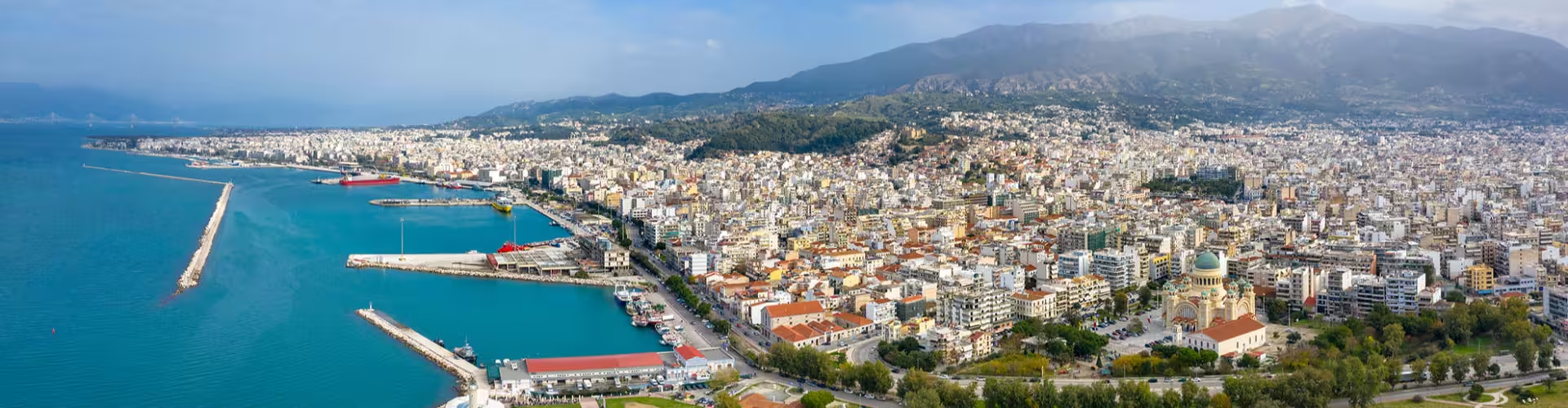
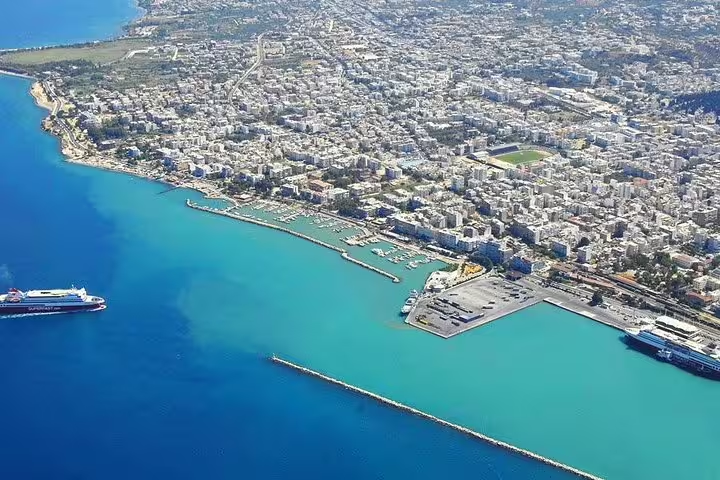
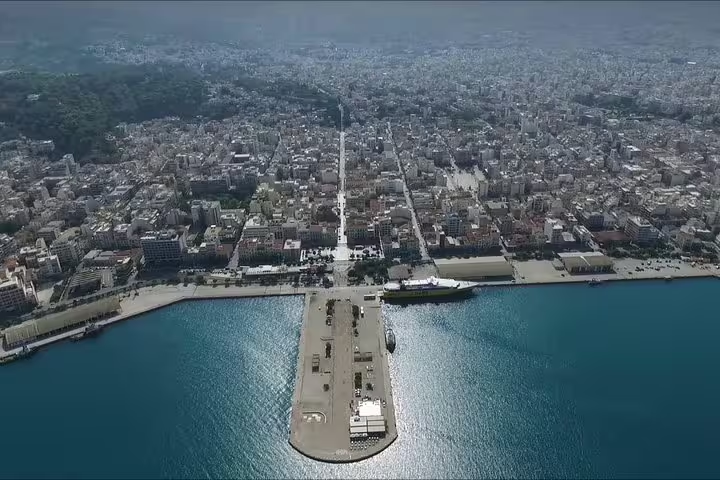
Patras is a port city with a lively, student-fueled energy, a seafront rhythm, and an easy connection to the wider Peloponnese. It works well as both a standalone city break and a practical base for exploring western Greece, thanks to its transport links and walkable center. This guide focuses on what to do, how to plan, and how to move confidently through Patras with smart, decision-ready tips.
Patras blends a working waterfront with café culture, urban viewpoints, and a calendar that can feel festive even on an ordinary weekend. Go for the mix of city life and quick escapes, where you can pair a morning stroll by the sea with an afternoon drive into mountain villages. It is especially appealing when you want Greece with fewer bottlenecks than the most famous hubs, while still keeping logistics simple.
Patras sits on the northwestern edge of the Peloponnese, facing the Gulf of Patras and acting as a key gateway between the peninsula and mainland Greece. The city’s port is a major transport asset, and the urban core stretches from the waterfront up toward higher neighborhoods with broader views. For arrival planning, think in terms of regional hubs and onward connections, then build your days around a compact center and a few uphill viewpoints.
Seasonality in a coastal Greek city is usually defined by heat, daylight, and local event energy. Warmer months tend to bring a stronger seaside vibe and longer evenings outdoors, while shoulder seasons often feel calmer and are easier for unhurried sightseeing and dining. Cooler periods can be a good fit if you prefer a more local pace and do not mind shorter days, especially if your plans include museums, cafés, and scenic drives.
Greece uses the euro, and Patras generally supports a comfortable mix of card payments and cash for small purchases. Keep some cash for kiosks, small bakeries, and quick snacks, and use a card for restaurants and larger bills when possible. Budget planning is easiest when you group spending into simple buckets, meals, local transport, and one or two paid attractions, then leave a cushion for spontaneous waterfront stops.
Note: The best experiences in Patras combine sea views, urban culture, and short, scenic detours. Use this list to build a day that feels varied without overcommitting on travel time.
1) Waterfront promenade walk
Why it matters: The seafront is where the city’s everyday life is most visible, with an easy, open horizon and a steady flow of locals. It is ideal for getting oriented and understanding the pace of the city. Practical tip: Go in late afternoon for softer light and a more social atmosphere, then stay for a casual dinner nearby.
2) Port and ferry watching
Why it matters: As a gateway city, the port is part of the identity of Patras, and it adds a working, real-world feel that contrasts nicely with the leisure of the promenade. Watching arrivals and departures highlights how connected the city is to the wider region. Practical tip: If you are taking a ferry, arrive early and keep essentials accessible, especially if you plan to continue by bus or taxi after docking.
3) Explore the city center on foot
Why it matters: The center is the most efficient way to experience Patras in a short time, with dining, shopping, and everyday street life close together. A walking-first approach helps you notice small details, local bakeries, and café corners that you miss by car. Practical tip: Wear comfortable shoes, the city has changes in elevation, and plan short breaks at cafés to reset between uphill segments.
4) Viewpoints from higher neighborhoods
Why it matters: The city’s topography creates natural lookouts, and higher areas help you understand the layout of Patras from sea to hills. A viewpoint stop also adds a scenic highlight without needing a full day trip. Practical tip: Time it around golden hour, and bring a light layer because breezes can feel stronger above the waterfront.
5) Café culture and people watching
Why it matters: Patras has a youthful, social rhythm, and cafés are a core part of how locals spend time. Sitting down for a coffee is not just a break, it is part of the travel experience and a simple way to slow the pace. Practical tip: If you want a quieter atmosphere, choose an earlier time, and if you want energy, go later and settle in.
6) Local markets and everyday shopping streets
Why it matters: Markets and daily shopping areas show what people actually buy and eat, which makes your trip feel more grounded. They are also useful for assembling picnic snacks for the waterfront or a day trip. Practical tip: Bring a reusable bag, and buy small quantities of a few items to sample rather than overcommitting.
7) Short cultural stop, museum or gallery time
Why it matters: A cultural visit adds context and breaks up a day of walking and eating, especially if the weather turns windy or hot. It also helps connect the city’s modern energy to its deeper layers of history in the region. Practical tip: Keep this flexible as a midday option, and pair it with a café stop to avoid rushing.
8) Evening dining by the sea
Why it matters: Coastal cities shine after sunset, and Patras is no exception, with an atmosphere that feels relaxed and social. Dinner by the water is a simple, high-reward way to end the day. Practical tip: If you prefer a quieter meal, dine earlier, and if you want buzz, go later and expect a longer, more leisurely pace.
Start with a waterfront promenade walk to get your bearings, then move into the city center for a coffee and a slow wander through shopping streets. After lunch, add a cultural stop indoors to balance the day, then head uphill to a viewpoint for late afternoon light. Finish with a seaside dinner, keeping your evening flexible for a second café stop if the city feels lively.
Day 1 focuses on the waterfront, the port area, and a center walk to map out neighborhoods and dining options. Day 2 adds a slower café morning, market browsing for snacks, and more time in higher neighborhoods for views and a different local feel. If you have a third day, use it for a day trip beyond the center, then return for an unhurried final evening meal in Patras to close the loop.
Food in Patras is best approached as a sequence of small, satisfying stops rather than one big plan. Keep it flexible, follow what looks busy with locals, and build meals around seasonal produce and simple Greek flavors.
Patras is easiest when you combine walking with short rides as needed, especially if you plan to include uphill neighborhoods and viewpoints. The center and waterfront are naturally walkable, and short taxi rides can save energy when the terrain becomes steep or when you are moving between districts quickly. If you are driving, keep parking and one-way streets in mind and consider leaving the car for day trips rather than inner-city hops.
Safety is similar to other busy Greek cities, stay aware in crowded areas and keep valuables secure, especially near transport nodes. For accessibility, note that slopes and uneven pavement can make some routes tiring, so plan more breaks and choose direct routes when possible.
Use Patras as a base for western Peloponnese and nearby mainland escapes. Exact travel times depend on traffic and your chosen transport, but these ideas work well as half-day or full-day outings.
Most travelers can cover the waterfront and central streets on foot, then use short taxi rides for steeper areas. Plan for hills and add breaks so you do not rush between stops.
Patras works well as a one-day highlights trip, but two to three days lets you slow down and add viewpoints, markets, and a day trip. The ideal length depends on how much café time and seaside dining you want to include.
Yes, the city’s location and transport links make it practical for coastal drives, inland villages, and beach days. Keep your plan flexible since travel times can vary with traffic and season.
Bring comfortable walking shoes for changing elevation and uneven pavement. Add a light layer for breezy evenings by the water and a small day bag for snacks and cash.
Patras often feels calmer in shoulder seasons, when the weather is still pleasant but the city is less busy. Cooler months can also be quieter, especially if your focus is cafés, culture, and scenic drives.