



West Mani
West Mani is a rugged Peloponnese escape of stone tower villages, clear coves, and epic coastal drives. Use this guide for when to go, what to do, what to eat, and how to plan 1 to 3 days without rushing.

West Mani is a rugged Peloponnese escape of stone tower villages, clear coves, and epic coastal drives. Use this guide for when to go, what to do, what to eat, and how to plan 1 to 3 days without rushing.

West Mani is a dramatic, sea and stone corner of the Peloponnese where tower houses, rugged coves, and mountain villages create a travel rhythm that feels both elemental and deeply rooted. Come for the wild coastal drives and the slow village meals, stay for the sense of place that lingers in every chapel, footpath, and shoreline view. It is especially rewarding if you want a Greece itinerary that balances history, nature, and uncrowded scenery without needing a checklist vacation.
West Mani sits in the Mani Peninsula of the southern Peloponnese, within the broader Messenia area, facing the Messinian Gulf. The landscape shifts quickly from coastal villages and small harbors to steep slopes and higher, wind shaped settlements. For most travelers, the practical gateways are the regional hubs of Kalamata and Sparta, plus Athens as the main international entry point, then a road journey into Mani.
In spring, hillsides tend to feel greener and walks are more comfortable, which suits travelers who want villages, viewpoints, and coastal strolls without intense heat. Summer brings the strongest beach appeal and the liveliest atmosphere, along with higher demand for accommodation and more traffic on scenic roads. Autumn often keeps the sea inviting while easing crowds, and winter is quieter and moodier, better for slow exploration and stormy seascape photography, with the tradeoff of more limited services in smaller places.
Greece uses the euro, and you will generally find that costs in West Mani depend on season and how close you are to the coast. Cards are widely used in Greece, but carrying cash is still smart for small village purchases, bakeries, and simple tavernas, especially outside peak season. Build in a buffer for fuel and spontaneous stops, because the best moments here often come from pulling over for a viewpoint or detouring to a small beach.
1) Coastal road drive along the Messinian Gulf
The signature experience of West Mani is the drive itself, where sea views open and close between olive groves, cliffs, and compact villages. It is not just transportation, it is a moving viewpoint that explains the region’s rugged identity. Practical tip, plan extra time for photo stops and short walks down to the water, and avoid rushing the route late in the day if you are not comfortable with narrow roads.
2) Explore tower house villages
Mani is known for its stone architecture and defensive tower houses, a visual reminder of local history and the need for protection in earlier eras. Walking through these settlements reveals layers of family heritage, pride, and a landscape that shaped how people built and lived. Practical tip, wear shoes with grip because lanes can be steep and uneven, and bring water for warm days.
3) Swim in small coves and pebble beaches
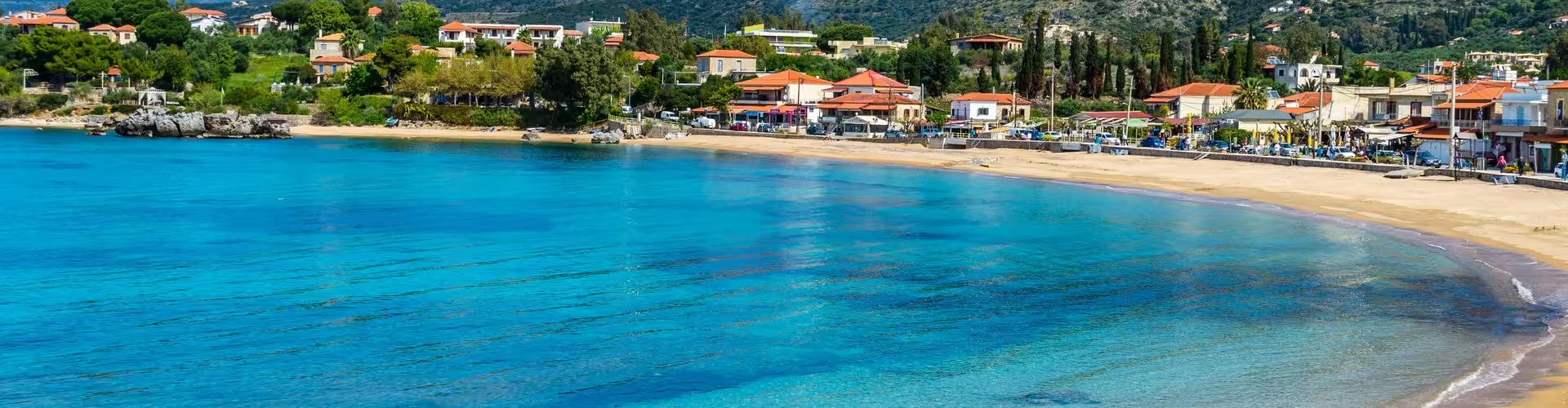
The coastline in West Mani rewards travelers who like intimate swimming spots rather than wide resort beaches. The water can be exceptionally clear, and the pebble shorelines often keep the sea looking bright and clean. Practical tip, pack water shoes for comfort on stones, and bring a small dry bag if you plan to move between coves.
4) Sunset viewpoints over the gulf
Even simple pull offs can turn into memorable moments when the light drops over the Messinian Gulf. The atmosphere is calm and cinematic, and sunsets often feel like a daily ritual for locals and travelers alike. Practical tip, arrive early to find a safe place to park, and keep a light layer for breezier evenings.
5) Village coffee culture and slow mornings
A strong way to understand West Mani is to slow down, sit for coffee, and watch daily life in a small square. It is a reminder that this region is not designed for speed, it is designed for conversation, shade, and time. Practical tip, aim for late morning, when villages feel active, and be ready for a slower service pace that matches the local rhythm.
6) Short hikes and old footpaths
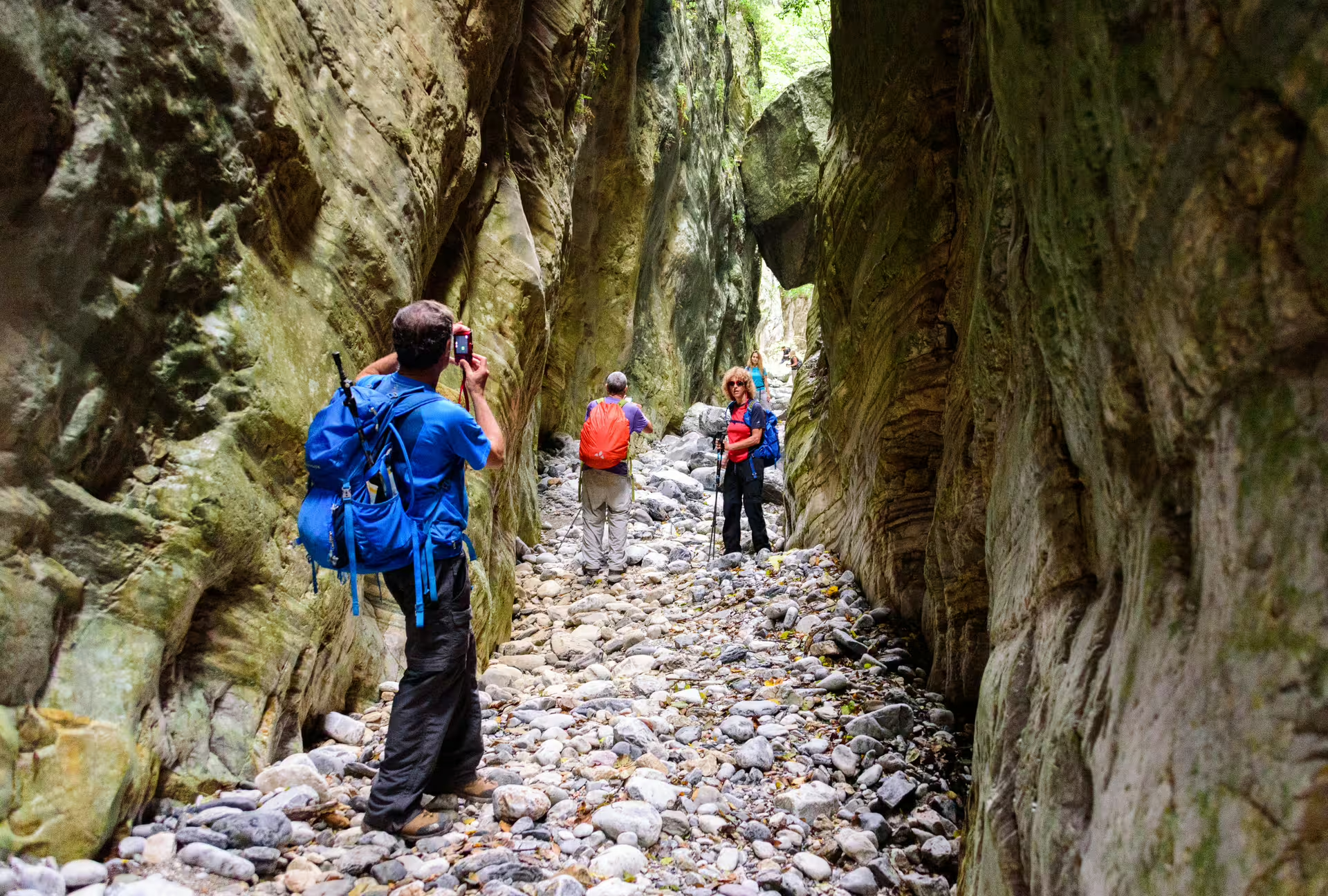
Between villages and the coast, the terrain invites short hikes that deliver big views without requiring technical skills. These paths help you read the landscape, olive terraces, rocky outcrops, and the way settlements cling to slopes. Practical tip, start earlier in warm months and carry sun protection, because shade can be limited on open stretches.
7) Photograph stone chapels and roadside shrines
Small chapels and shrines are part of the visual language of the Peloponnese, and they appear frequently in Mani. They offer quiet, respectful places to pause, and they add cultural depth beyond beaches and viewpoints. Practical tip, dress modestly if you step inside, and avoid using flash where it may feel intrusive.
8) Taste local olive oil and simple seasonal cooking
Food in West Mani often leans into what the land produces well, olive oil, herbs, vegetables, and straightforward grilling. The result is a cuisine that feels honest and satisfying rather than complicated. Practical tip, ask what is seasonal or house made, and consider buying small local products as practical souvenirs.
Start with a coastal drive and a relaxed coffee stop in a village square, then spend late morning exploring a stone built settlement with tower houses and narrow lanes. Head to a nearby cove for a swim and a simple lunch, then take a short walk for viewpoints in the afternoon when the light softens. Finish with a sunset stop over the gulf and a taverna dinner focused on grilled dishes and seasonal sides.
On day one, focus on the coastline of West Mani, alternating between swimming coves, slow meals, and sunset viewpoints, and keep the schedule intentionally light to allow for detours. On day two, shift inland to explore higher villages, tower house architecture, and short hikes that reveal the region’s rugged topography. If you have a third day, repeat your favorite elements but add time for longer walks, extra photography stops, and a more leisurely food plan that includes multiple small tastings rather than one main meal.
Greek salad with local olive oil
Crisp vegetables and briny feta become something richer when the olive oil is bold and peppery. Ordering tip, ask for a village style salad and request extra olive oil if you want to taste the local character.
Grilled fish and seafood
Simple grilling highlights freshness, with lemon and olive oil doing most of the work. Ordering tip, ask what was caught locally and choose the option that the kitchen recommends for the day.
Grilled meats and souvlaki style plates
Expect straightforward, satisfying flavors that pair well with salads and potatoes. Ordering tip, if you want value, look for daily specials and mixed platters that let you sample more than one cut.
Vegetable dishes cooked in olive oil
In the Peloponnese, slow cooked vegetables can be deeply flavorful, often seasoned with herbs and finished with lemon. Ordering tip, ask which vegetables are in season and pick one or two to share as side dishes.
Local cheese plates
Cheese adds a salty, creamy counterpoint to grilled foods and salads, and it is a reliable choice when you want a lighter meal. Ordering tip, ask for a small selection rather than one type, especially if you are sharing.
Honey and yogurt style desserts
A simple sweet finish can feel especially good after a salty, grilled meal. Ordering tip, ask for traditional sweets of the day, and choose the one the staff says is homemade.
West Mani is best explored by road, because villages, coves, and viewpoints are spread out and public transport options can be limited depending on season and exact location. Walking works well inside villages, where lanes are narrow and scenic, but distances between settlements usually require a car or taxi. Drive carefully on tight coastal and mountain roads, allow extra time for stops, and keep fuel planning in mind since stations can be less frequent outside larger hubs. For accessibility, expect uneven stone paving and steps in older villages, and plan beach access with the understanding that some coves involve short but steep paths.
1) Kalamata
Travel time depends on your base, but it is commonly a practical day trip by road. Go for a larger city feel, more services, and an easy pairing of seafront time with urban dining.
2) Sparta
A road trip inland connects you to another major Peloponnese hub with a different landscape and historical associations. Go to contrast coastal Mani with a more mainland Greek setting.
3) The wider Mani Peninsula villages
Short to moderate drives can take you deeper into Mani’s stone built settlements and varied coastline. Go for architecture, viewpoints, and a stronger sense of Mani identity beyond one area.
4) Athens as an add on before or after
Longer travel time, but it is often part of flight logistics. Go to combine a rural coastal region with major museums, neighborhoods, and big city energy.
Most travelers arrive via regional hubs such as Kalamata or via Athens, then continue by road into the Mani Peninsula. A car makes the journey and local exploration much easier.
It is strong for both, with small coves for swimming and stone built villages that showcase Mani architecture. The best trips mix coastal time with inland exploration.
One day covers highlights like a coastal drive, a village walk, and a swim. Two to three days lets you slow down, add short hikes, and explore more settlements without rushing.
Cards are commonly used in Greece, but cash is useful for small village purchases and simple tavernas. Keep small notes on hand, especially if you travel outside peak season.
West Mani is appealing in spring and autumn for comfortable temperatures and fewer crowds, while summer is best for long swim days and a livelier feel. Winter is quieter and better suited to slow, scenic travel.