Kastria
Kastria is a calm base in the Kalavryta area of the Peloponnese, ideal for scenic drives, mountain viewpoints, and unhurried local meals. Use this guide to plan when to go, what to do, and how to get around.

Kastria is a calm base in the Kalavryta area of the Peloponnese, ideal for scenic drives, mountain viewpoints, and unhurried local meals. Use this guide to plan when to go, what to do, and how to get around.

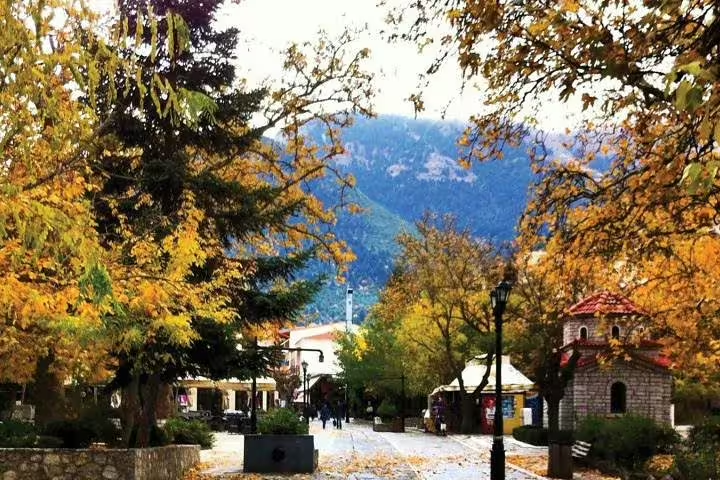
Kastria is a small destination in the Kalavryta area of the Peloponnese that appeals to travelers who want mountain scenery, a slower pace, and a practical base for exploring nearby nature and heritage. This guide focuses on decision making, what to do, how to plan, and how to move around efficiently. Expect a calm, local feel rather than a big city checklist, with days shaped by landscapes, village rhythms, and short drives between sights.
Kastria suits travelers who value quiet roads, crisp air, and a grounded sense of place in the Kalavryta region. Go for the unhurried vibe, the feeling of being close to the mountains, and the ease of linking nearby points of interest without constant logistics. It is a strong choice when you want a Greece trip that leans into nature and regional culture instead of packed urban schedules.
Kastria is located in Greece’s Peloponnese, within the broader Kalavryta area. In practical terms, think of it as a base for exploring the mountainous interior, where distances are manageable but roads can be winding. For gateways, plan around major hubs and then continue by road into the Kalavryta region, allowing extra time for slower mountain driving and photo stops.
Seasonality in the Kalavryta area is defined by mountain weather patterns, which can shift quickly compared to coastal Greece. Warmer months typically support longer daylight hours and easier road conditions, which helps if you want to string together multiple stops in a day. Cooler months can feel more atmospheric and quiet, but you should plan conservatively for changing conditions and shorter days.
Greece uses the euro, and spending in smaller destinations often benefits from carrying some cash for small purchases. In rural areas, not every venue is guaranteed to accept cards consistently, so it helps to have a backup plan. Keep your budget flexible, because costs can vary based on how much you drive, how often you stop for meals, and whether you prioritize guided experiences or self planned outings.
1) Slow village wandering
The simplest experience in Kastria is also the most revealing, walking without a strict agenda and paying attention to daily life. This is where you notice details like local rhythms, small conversations, and the way the landscape frames the settlement. Practical tip, go early in the day for calm streets and softer light for photos.
2) Scenic drives through the Kalavryta area
The surrounding region is the headline, because mountain roads deliver constant shifts in viewpoint and mood. A drive lets you cover more ground while still keeping the trip relaxed, especially if your group has mixed mobility levels. Practical tip, build in time buffers since winding roads often take longer than expected.
3) Nature focused stops and viewpoints
Mountain destinations reward travelers who pause often, even when the plan is simple. Viewpoints and short nature stops add depth to your day and help you connect the geography to the places you are visiting. Practical tip, keep a light layer and water with you, because conditions can change quickly.
4) Local food breaks as an activity
In smaller places, meals are not just refueling, they are part of the travel experience and a reliable way to absorb local character. A long lunch can reset the day, especially if you are driving between sites. Practical tip, aim for traditional, seasonal options and ask what is best that day.
5) A photo focused loop
If you like travel photography, the Kalavryta area around Kastria offers varied textures, stone, forested slopes, and wide sky views. A loop route is ideal because you can chase the best light and return without backtracking too much. Practical tip, plan your route so you are at open viewpoints near late afternoon for warmer tones.
6) A low pressure cultural day
Not every trip needs a packed list, sometimes the best plan is to combine one meaningful stop with plenty of unstructured time. This approach works well in regional Greece, where the atmosphere is part of the value. Practical tip, pick one anchor activity and keep the rest of the day flexible.
7) A base for exploring the Peloponnese interior
Staying in Kastria can make sense if you want to explore inland Peloponnese without changing accommodations constantly. It supports a hub and spoke style trip, which is easier for families or travelers who prefer fewer hotel check ins. Practical tip, group nearby stops on the same day to reduce driving fatigue.
8) Evening calm and stargazing feel
Away from big city glare, evenings can feel quieter and more spacious, which is part of the appeal of the region. Even if you are not an astronomy enthusiast, the atmosphere can be memorable after a day of drives and walks. Practical tip, bring a warm layer for nights, especially outside peak summer.
Start with a relaxed morning in Kastria, then take a scenic drive through the Kalavryta area, stopping often for viewpoints and short walks. Build your midday around a sit down local meal, then continue with a photo friendly loop that keeps you moving without rushing. Finish with an early evening pause, keeping the last part of the day unstructured so you can adapt to weather, energy levels, and the best light.
On day one, keep it simple, settle in, walk the village, and learn the road rhythm of the region. On day two, plan a longer drive day with multiple nature stops, adding a slow lunch and time for spontaneous detours. If you have a third day, use it as a flexible buffer for anything you skipped, a second round of viewpoints in different light, or a quieter day that prioritizes rest and local food over distance.
1) Rustic bread and local olive oil
Simple bread with olive oil can taste especially vivid in regional Greece, where freshness and balance matter. Ordering tip, ask for what is local and seasonal, and take your time with it as part of the meal.
2) Grilled meats and village style plates
Hearty grilled dishes often suit mountain days, especially after driving and walking. Ordering tip, if you are sharing, ask for a mixed selection so everyone can taste without over ordering.
3) Slow cooked comfort dishes
In many Greek regions, slow cooked options are a highlight because they reflect home style cooking and local habits. Ordering tip, ask what was cooked today, because the best choice is often the one that is freshest.
4) Greek salads with regional variations
A Greek salad can be more than a standard template when ingredients are in season and handled simply. Ordering tip, request it as a side for the table so it supports multiple dishes.
5) Local cheeses and small plates
Cheese and small plates work well when you want a lighter meal or a long, social table. Ordering tip, ask for a selection and pair it with whatever local drink is recommended.
6) Honey and sweet bites
Honey based sweets can feel especially fitting after a mountain day, rich but not overly complicated. Ordering tip, choose one dessert to share, it keeps the meal balanced and lets you taste without committing to too much.
In the Kalavryta area, driving is often the most practical way to connect Kastria with surrounding stops, especially if your plan includes viewpoints and nature breaks. Walking works best for local exploration and short stretches, while longer distances typically require a vehicle. For safety, treat mountain roads with respect, drive defensively, and plan daylight travel when possible, because visibility and conditions can change.
Kalavryta area explorations
Travel time varies by route, but it is generally a manageable drive within the region. The main reason to go is to broaden your sense of the area’s landscapes and cultural points without changing bases.
Peloponnese interior loops
Expect longer drive times depending on how wide you make the loop. The payoff is variety, you can mix nature, villages, and panoramic roads in a single outing.
Mountain viewpoints and short nature stops
These are often the quickest and most flexible day trips, because you can decide on the fly how far you want to go. The reason to do them is simple, they deliver high reward with low planning complexity.
Yes, it can work well if you prefer a quieter base and plan to explore by road. A hub and spoke approach helps you reduce packing and keep day plans flexible.
Driving is typically the most practical option for linking viewpoints, nature stops, and nearby areas. Walking is best for local exploration, but longer connections are easier with a vehicle.
Warmer months generally make it easier to fit more stops into a day thanks to longer daylight and simpler road conditions. Cooler months can be quieter and more atmospheric, but you should plan for changing mountain weather.
Carrying some cash is a smart backup, especially for small purchases in rural areas. Cards may work in many places, but it is safer not to rely on them exclusively.
One day can cover a highlights style loop with scenic drives and a relaxed meal. Two to three days gives you breathing room for weather changes, slower pacing, and deeper exploration.