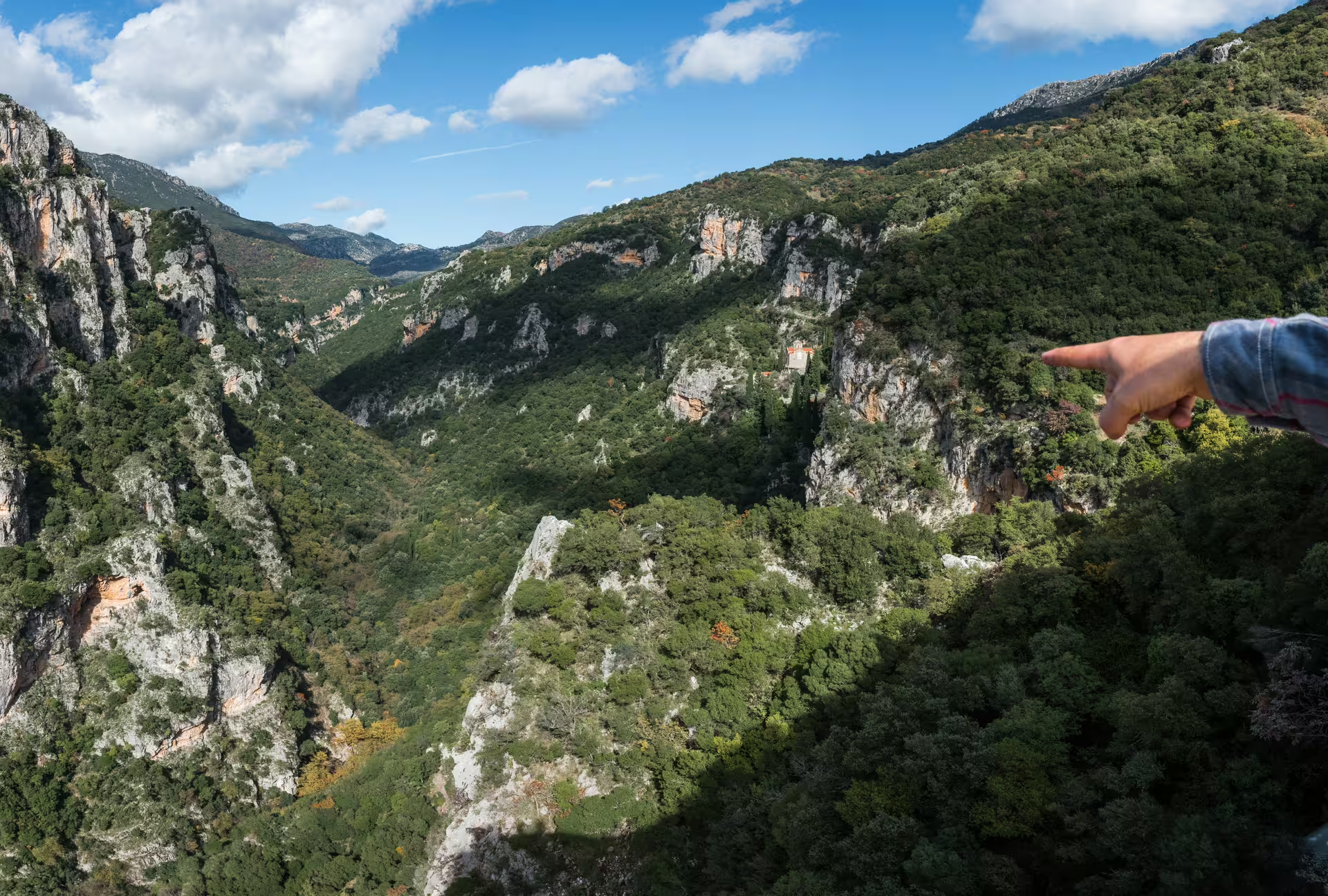
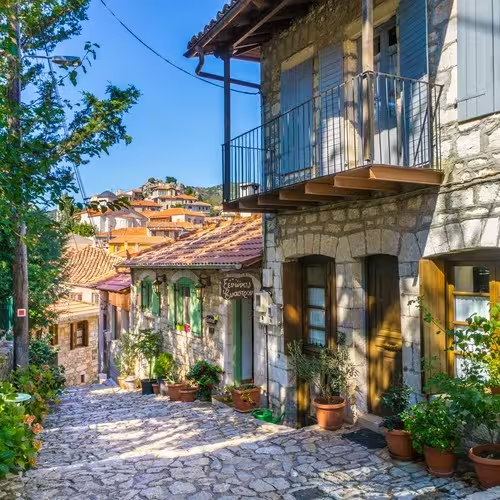
Stemnitsa is a picturesque mountain village located in the Peloponnese region of Greece, nestled in the Arcadia prefecture. This traditional settlement perches on a hillside surrounded by pine forests and is known for its well-preserved architecture and authentic Greek character, featuring narrow stone pathways and historic buildings that reflect centuries of local heritage.
What to see in Stemnitsa
Visitors should explore the village's charming cobblestone streets and visit the local folklore museum, which displays traditional crafts and cultural artifacts. The Church of the Assumption stands as a notable religious landmark, while the surrounding natural landscape offers scenic vistas of the Peloponnese countryside.
Things to do in Stemnitsa
The village serves as an ideal base for hiking and nature walks through the forested hills of Arcadia. Travelers can undertake day trips to nearby ancient sites and traditional villages, or participate in local cultural experiences that showcase Greek mountain village life and customs.
Traditional Craftsmanship in Stemnitsa
Stemnitsa has earned recognition as a center for traditional Greek craftsmanship, particularly metalworking and silversmiths who continue centuries-old techniques. The village celebrates these artisanal traditions through workshops and demonstrations that allow visitors to witness and appreciate authentic Greek handcrafted skills.
Stemnitsa is a traditional mountain village located in the Arcadia prefecture of the Peloponnese region in Greece. The village sits at an elevation surrounded by pine forests and is characterized by its preserved architecture, narrow stone streets, and authentic Greek mountain settlement character that reflects its long historical presence in central Peloponnese.
Traditional Craftsmanship and Heritage - Stemnitsa is recognized throughout Greece as a historic center of traditional metalworking and silversmithing, with artisans continuing centuries-old handcrafting techniques that represent authentic Greek cultural heritage and craftsmanship traditions.