Sfakia
Sfakia is a rugged south Crete region where mountains meet the Libyan Sea. Use this guide to plan logistics, top experiences, itineraries, local flavors, transport, and smart day trips without overpacking your days.

Sfakia is a rugged south Crete region where mountains meet the Libyan Sea. Use this guide to plan logistics, top experiences, itineraries, local flavors, transport, and smart day trips without overpacking your days.

Sfakia is Crete at its most elemental, a rugged stretch of the island where mountains drop sharply toward the Libyan Sea and small settlements feel shaped by wind, stone, and tradition. This guide focuses on how to plan confidently, what to prioritize, and how to move around without overpacking your days. If you want a destination that rewards slow travel, big views, and a sense of independence, Sfakia delivers.
Sfakia has a bold, outdoorsy vibe, with dramatic landscapes and a strong local identity that feels distinct even within Crete. It suits travelers who prefer nature, walking, and unpolished coastal scenery over big resorts. Go when you can give it time, because distances and terrain encourage a more deliberate pace.
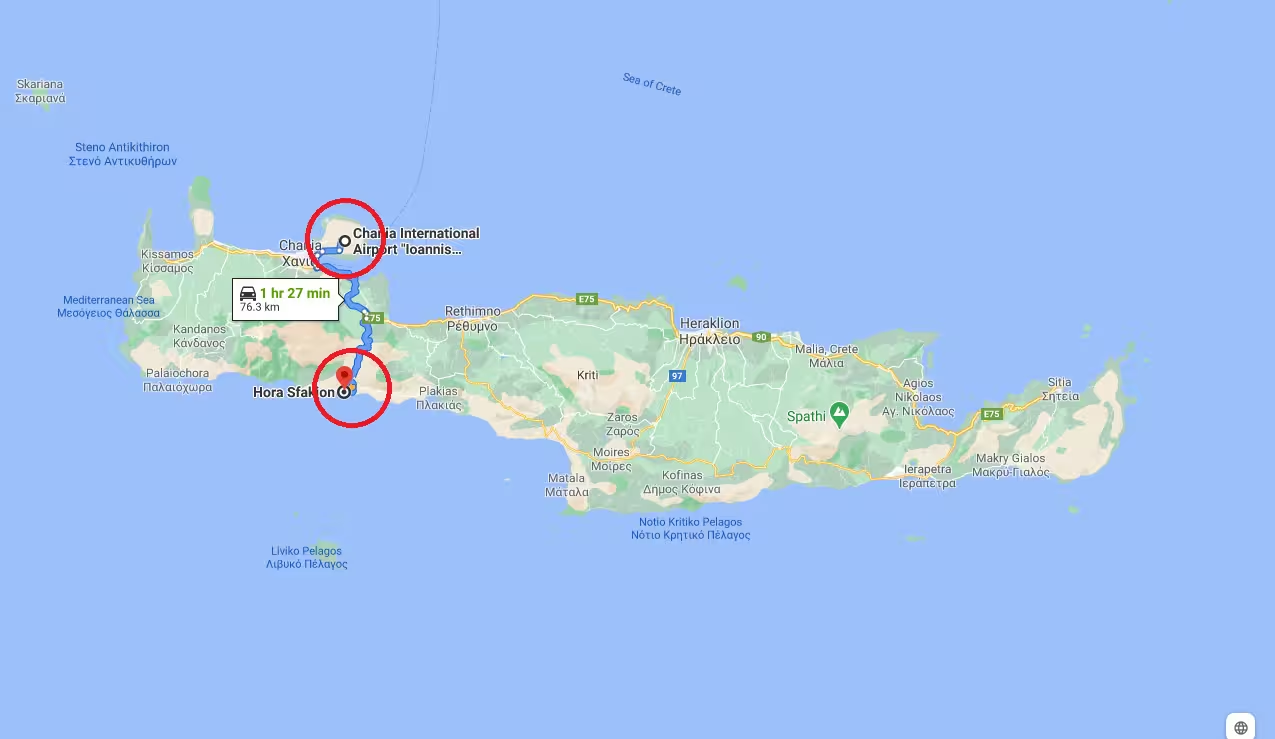
Sfakia sits on the southern side of Crete, part of Greece’s largest island and one of the country’s most iconic regions for coastal and mountain scenery. The area is defined by steep terrain and a shoreline that can feel remote compared with northern Crete’s busier corridors. For planning, think in terms of reaching Crete first, then continuing by road toward the south coast, allowing extra time for mountain routes and photo stops.
Seasonality matters here because weather and sea conditions influence both hiking comfort and boat connections. Warmer months tend to favor swimming and coastal time, while shoulder seasons can be ideal for walking and exploring, thanks to milder temperatures and calmer rhythms. If you prefer a quieter feel, aim for periods when Crete is less crowded, and build flexibility into your schedule in case wind affects plans on the water.
Greece uses the euro, and travel costs in southern Crete can vary depending on how remote your base is and how much you rely on taxis or private transfers. Carry some cash for small purchases and places where card service may be inconsistent, especially in smaller settlements. A practical approach is to budget for transport and a few “splurge” meals, then balance that with simple beach days and self-guided walks that cost very little.
1) Coastal village wandering
The appeal of Sfakia often starts with its small coastal communities, where daily life feels close to the sea and the mountains form a constant backdrop. Strolling without an agenda helps you notice details like working harbors, quiet waterfront corners, and the slower pace that defines the area. Practical tip, go early or late in the day for softer light and a calmer atmosphere.
2) Scenic coastal time
This region is built for simple pleasures, sea views, swims when conditions allow, and long pauses with nothing but horizon and stone. It is a place where the landscape is the main attraction, and you can structure a day around a single beach or cove. Practical tip, bring sun protection and water, and plan shade breaks because the south coast can feel intense in peak sun.
3) Mountain and gorge landscapes
Southern Crete is famous for dramatic gorges and mountain routes, and Sfakia is closely associated with that wild interior. Even if you do not commit to a long hike, short viewpoint stops can give you the scale of the terrain and the sense of how communities adapted to it. Practical tip, wear proper shoes and avoid rushing, because rocky ground and steep edges demand attention.
4) Boat linked exploration
In parts of Sfakia, the sea functions like a road, connecting bays and coastal points that are harder to reach by car. Taking a boat ride can add variety to your itinerary and reduce time spent on winding mountain drives. Practical tip, keep your schedule flexible, and confirm connections locally if wind conditions change.
5) Local food by the water
One of the most satisfying experiences here is pairing simple coastal scenery with a long meal, letting the day slow down on purpose. Waterfront dining can feel less like a “stop” and more like a ritual, with time to taste, talk, and watch the light shift. Practical tip, choose a table with a breeze in warmer months, and order gradually so you can pace the meal.
6) Photography and viewpoint stops
The contrast of pale rock, deep blue sea, and sharp mountain silhouettes makes this area visually powerful. Short stops at overlooks can become trip highlights, especially when you catch changing light or dramatic cloud patterns. Practical tip, build a little buffer into driving days, because you will want unplanned photo breaks.
7) Slow travel days
Sfakia rewards travelers who resist over-scheduling and instead commit to a few anchors, a swim, a walk, a meal, a sunset. These quieter days often become the most memorable because the destination’s character comes through in small moments. Practical tip, pick one “must do” per day, then let everything else be optional.
8) Cultural context and local identity
This part of Crete is strongly tied to stories of resilience and independence, shaped by geography and distance from larger urban centers. Paying attention to local customs, conversation, and the way villages are laid out helps you understand why the region feels distinct. Practical tip, learn a few basic Greek courtesies and be mindful that many places operate on a relaxed, human pace.
Start with a morning drive into the south coast, allowing time for viewpoint stops as the landscape opens up. Spend midday by the sea with a relaxed swim and a long lunch, then take an afternoon boat ride or a short coastal walk if conditions suit. End the day with sunset views, then a simple dinner that leans into local flavors rather than complicated planning.
Day 1, orient yourself with a coastal base, a waterfront meal, and an easy walk to match your energy after travel. Day 2, dedicate your best weather window to a longer nature experience, a gorge viewpoint, a mountain drive, or a boat-linked beach day, then slow down in the evening with unhurried dining. Day 3, keep flexible for whatever you missed, extra sea time, photography, or a short day trip, and leave space for the kind of spontaneous detours that Sfakia does best.
Fresh grilled seafood
Expect clean, briny flavors that shine with minimal seasoning, often paired with lemon and olive oil. Ordering tip, ask what is freshest that day and choose preparation that keeps it simple.
Greek salad
Crisp vegetables, salty feta, and oregano-forward olive oil make it a reliable, refreshing staple in warm weather. Ordering tip, order it early in the meal so it can anchor the table while you decide on mains.
Local cheeses
Crete is known for distinctive cheeses, and tasting a few can add depth to an otherwise beach-focused day. Ordering tip, request a small selection to share, especially if you want to compare textures and salt levels.
Slow-cooked meat dishes
Traditional cooking often emphasizes tenderness and rich, savory depth, ideal after a day outdoors. Ordering tip, ask what takes the longest to prepare, those are often the house specialties.
Seasonal vegetables and legumes
You will often find simple plates that feel rustic and nourishing, built around olive oil and herbs. Ordering tip, look for dishes that match the season, they tend to taste best and feel most local.
Greek coffee
Strong and aromatic, it is as much a pause as a drink, perfect for lingering after lunch. Ordering tip, decide how sweet you want it before ordering, because it is prepared to your preference.
Getting around Sfakia is shaped by terrain. Driving offers the most flexibility, but roads can be winding and slow, so plan conservative travel times and avoid rushing between stops. Walking works well within villages and along short coastal paths, while boats can connect certain coastal points and reduce overland detours. For safety, wear sturdy footwear for uneven ground, carry water on walks, and keep an eye on weather and wind when your plans depend on the sea.
1) Other south coast villages
Travel time varies by road distance and mountain routes. The reason to go is to compare atmospheres, some places feel more harbor-focused, others more beach-led. Practical tip, pair two nearby stops rather than trying to cover too much coastline in one day.
2) Mountain viewpoints and interior routes
Even short drives inland can change the scenery dramatically, shifting from sea blues to rocky ridges and wide panoramas. The reason to go is perspective, it helps you understand how geography shapes life here. Practical tip, bring a light layer because higher elevations can feel cooler and windier.
3) Gorge and nature areas
Crete’s gorges are a signature landscape feature, and the broader region around Sfakia is strongly associated with them. The reason to go is the sense of scale and the unique terrain. Practical tip, choose a route that matches your fitness and daylight, and do not underestimate rocky footing.
4) Boat-access coastal spots
Some locations are most rewarding when reached from the water, giving you a different view of the cliffs and shoreline. The reason to go is the feeling of remoteness and the chance to spend time in quieter coves. Practical tip, pack only what you can comfortably carry, and protect valuables from spray.
Is Sfakia better for relaxing or for adventure?
It works for both, but it is especially strong for nature-led travel. You can keep it simple with sea time and long meals, or build your days around walks, viewpoints, and boat-linked exploring.
How many days do I need in Sfakia?
One day covers highlights, but 2 to 3 days lets you slow down and adapt to weather and sea conditions. Extra time also helps because driving distances can feel longer on mountain roads.
Do I need a car to get around?
A car gives the most flexibility, especially if you want viewpoints and multiple villages. Boats can help with certain coastal connections, and walking works well once you are based in a village.
What should I pack for a trip to Sfakia?
Bring sturdy walking shoes, sun protection, and a water bottle for exposed paths. A light layer is useful for wind and higher elevations, even when the coast feels warm.
Is Sfakia a good base for day trips in southern Crete?
Yes, it can be a strong base if you are comfortable with slower travel times on winding roads. It also suits travelers who want to mix inland mountain scenery with coastal stops and occasional boat rides.