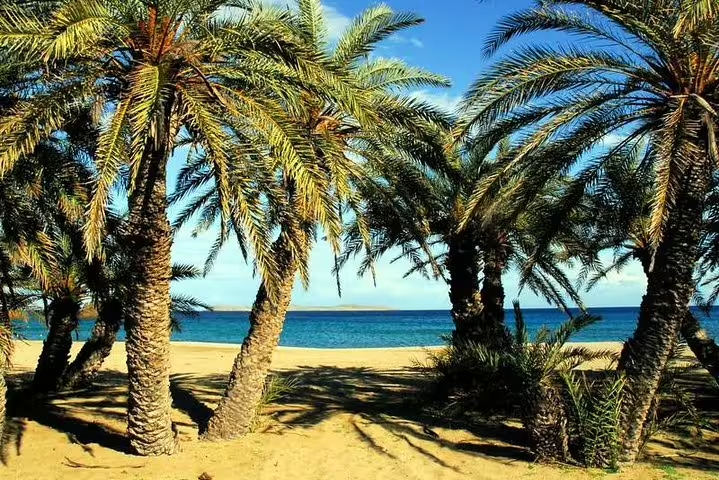
Palaikastro
Palaikastro is a relaxed base in East Crete for beach days, scenic drives, and slow taverna evenings. Use this guide to plan timing, transport, curated experiences, and simple itineraries without rushing.

Palaikastro is a relaxed base in East Crete for beach days, scenic drives, and slow taverna evenings. Use this guide to plan timing, transport, curated experiences, and simple itineraries without rushing.

Palaikastro sits on Crete’s far eastern edge, a slower-paced base that suits travelers who want beaches, walking-friendly village life, and a sense of distance from the island’s busiest resort strips. Think open skies, a local rhythm shaped by agriculture and the sea, and easy access to some of the most memorable landscapes in Lasithi. This guide focuses on practical choices that help you plan with confidence, from timing and transport to what to prioritize once you arrive.
Palaikastro feels relaxed and outdoorsy, with a low-key village vibe that pairs well with long beach days and scenic drives. Go now if you want a calmer alternative to the busiest Cretan hotspots, while still having a strong lineup of nature, history, and food nearby. It is also a destination that rewards unhurried travel, where a simple day can revolve around one great swim, one great meal, and one golden-hour viewpoint.
Palaikastro is in the Lasithi regional unit on the eastern side of Crete, Greece’s largest island. In practical terms, it is best approached via the island’s main road network, then continued by local roads as you head farther east. For most travelers, the key gateways are Crete’s major airports and ferry hubs, then a final overland leg to reach the village and surrounding beaches.
Crete’s travel seasons generally follow a Mediterranean pattern, with warmer, busier months in late spring and summer, and quieter shoulder months in spring and autumn. If your priority is swimming and beach time, aim for periods with reliably warm weather, then balance that against higher accommodation demand. If you prefer hiking, archaeological sites, and scenic driving with fewer crowds, the shoulder season can feel more comfortable, especially at midday.
Greece uses the euro, and you can expect typical island pricing patterns, with the most in-demand beachfront areas tending to be pricier than inland tavernas and small shops. Cards are widely used in many parts of Crete, but it is still smart to carry some cash for small purchases, rural stops, and places where connectivity can be inconsistent. Plan a small daily buffer for spontaneous detours, since the best moments around Palaikastro often involve an unplanned beach stop or a long lunch that turns into sunset.
Note: Experiences below are curated to help you build a balanced trip. Mix one beach, one cultural stop, and one scenic drive per day for the best pace.
Beach day on the northeast coast
Why it matters: The coastline near Palaikastro is one of the destination’s strongest assets, with wide-open sea views and a calm, spacious feel compared with busier resort zones. A beach day here is not just about swimming, it is also about resetting your trip tempo and leaning into the area’s unhurried rhythm. Practical tip: Start early for calmer water and easier parking, then stay through late afternoon when the light turns softer for photos.
Scenic drive through East Crete landscapes
Why it matters: Eastern Crete is made for road trips, with changing terrain that shifts from coastal panoramas to rugged inland views. The drive itself becomes part of the experience, especially if you enjoy spontaneous stops for viewpoints or short walks. Practical tip: Keep your day flexible and avoid over-scheduling, because the best detours are often the ones you did not plan.
Village stroll and local rhythm
Why it matters: Palaikastro works well as a base because daily life still feels present, rather than staged purely for tourism. A simple walk helps you understand how the village is organized, where to find essentials, and how to travel more smoothly for the rest of your stay. Practical tip: Do one orientation loop on your first evening, then note where you can pick up water, snacks, and any beach supplies.
Archaeology and local history focus
Why it matters: Lasithi is rich in layers of Cretan history, and the far east has its own character shaped by sea routes, settlement patterns, and local traditions. Even a short cultural stop adds depth to a trip that might otherwise become only beach time. Practical tip: Pair a history stop with a relaxed meal afterward so the day does not feel rushed.
Golden-hour viewpoint hunt
Why it matters: The combination of open horizons and coastal elevation points makes this area especially rewarding at sunset. It is a simple, high-impact experience that can become your favorite memory, even if you only have one day. Practical tip: Scout your viewpoint in daylight first, then return later so you are not navigating unfamiliar roads in low light.
Snorkeling-style swim and shoreline exploring
Why it matters: Clear water and rocky edges can make casual marine-life spotting surprisingly fun, even without full diving plans. It is also a great way to vary your beach routine, especially if you are traveling with mixed energy levels. Practical tip: Bring water shoes if you plan to explore rocky sections, and keep your valuables minimal.
Slow food taverna evening
Why it matters: Food is a major part of the Crete experience, and a long dinner is where you feel the island’s hospitality most naturally. In and around Palaikastro, the best meals often come with a sense of time slowing down. Practical tip: Arrive a bit earlier than peak dinner time if you want a quieter table and more attention from staff.
Low-crowd morning walk
Why it matters: Early hours show a different side of the destination, cooler air, clearer light, and a calmer mood. It is also a practical way to fit in movement before beach time. Practical tip: Walk before breakfast, then plan a longer swim later once the day warms up.
Start with a morning beach session near Palaikastro, aiming to arrive early for the most relaxed conditions. Take a midday break in the village for a simple lunch, then use the afternoon for a scenic drive with one or two planned viewpoints. Finish with a slow taverna dinner and a short evening stroll, keeping the schedule light so the day feels like a holiday rather than a checklist.
Day 1 is for orientation, a village walk, a primary beach, and a sunset viewpoint so you immediately understand the area’s layout and pace. Day 2 adds depth with a culture-forward stop, then a longer coastal drive that includes time for shoreline exploring and a second swim in a different setting. Day 3 can be your flexible day trip slot, choose one nearby highlight, then return to Palaikastro for a final evening meal that feels unhurried and celebratory.
Food in this part of Crete leans into simplicity, seasonal produce, olive oil, herbs, and slow-cooked comfort. Use these as a tasting roadmap and ask what is freshest that day.
Palaikastro is easiest to enjoy with a flexible transport plan, especially if you want to explore multiple beaches and viewpoints. Walking works well for short village errands and relaxed evening strolls, but distances between coastal spots can make driving or arranged transport more practical. If you rent a car, plan for narrow roads in rural areas and allow extra time for scenic stops. For safety and comfort, carry water, sun protection, and a charged phone, and avoid rushing drives after dark if you are unfamiliar with the route.
Use Palaikastro as a base for short drives into East Crete, where nature and coastal scenery are often the headline. Travel times vary by route and road conditions, so treat these as flexible half-day or full-day ideas rather than strict schedules.
Is Palaikastro a good base for exploring East Crete?
Yes, it works well if you want a calm village base with easy access to beaches and scenic drives. It is especially convenient for travelers who prefer a slower pace and flexible day trips.
How many days do I need in Palaikastro?
One day covers the essentials if you focus on a beach, a village meal, and a sunset viewpoint. Two to three days is better if you want a second beach style and time for a day trip loop.
Do I need a car in Palaikastro?
A car makes it much easier to beach-hop and reach viewpoints without being constrained by fixed schedules. You can still enjoy the village on foot, but transport helps you see more of Lasithi.
What is the best time of day for beaches near Palaikastro?
Mornings are often calmer for swimming and feel more spacious. Late afternoon is great for softer light and a smoother transition into sunset plans.
Is Palaikastro suitable for a quiet, low-crowd trip?
Yes, Palaikastro is a strong choice if you want a relaxed atmosphere rather than a nightlife-first scene. You can shape your days around nature, food, and unhurried travel.