Lasithi
Plan a flexible Lasithi trip with practical logistics, curated things to do, easy itineraries, local flavors, transport tips, and smart day trips across coast and interior Crete.

Plan a flexible Lasithi trip with practical logistics, curated things to do, easy itineraries, local flavors, transport tips, and smart day trips across coast and interior Crete.

Lasithi is Crete at its most varied, where mountain plateaus, traditional villages, and a long, indented coastline sit within easy reach of each other. It suits travelers who want flexibility, slow mornings, scenic drives, and a mix of cultural stops with sea time. Use this guide to shape a trip that balances distances, seasons, and the kind of experiences you want most.
Lasithi blends rugged landscapes with laid-back coastal energy, so you can pair a village coffee with an afternoon swim on the same day. The signature vibe is unhurried and outdoorsy, with room for scenic road trips and small local moments. Go now if you want a destination that still feels spacious, especially when you plan your days around early starts and golden-hour finishes.
Lasithi is the eastern region of Crete, Greece’s largest island, and it is a practical base for exploring both mountains and coast. Most trips route through Crete’s main transport hubs, then continue by road into the east. For planning, think in terms of a coastal spine with inland detours, because many of the most memorable viewpoints and villages are not directly on the shore.
Crete’s seasons shape how Lasithi feels day to day. Warmer months favor beaches, boat time, and long evenings outdoors, but they can also bring heavier demand for the most popular coastal spots. Cooler shoulder periods are ideal for scenic drives, archaeological visits, and hiking-style days, with a calmer rhythm and more comfortable midday temperatures. If you prefer a quiet, local atmosphere, plan for earlier starts, and build in flexibility for windier days along the sea.
Greece uses the euro, and you will find that daily costs in Lasithi can vary depending on whether you base yourself in a busy resort area or a smaller village. Cards are widely used, but it is smart to carry some cash for small purchases, especially in rural areas and for quick snacks, parking, or local produce. To keep spending predictable, set a daily target for transport and meals, then treat viewpoints, beach days, and village walks as your high-value, low-cost anchors.
Coastal Beach-Hopping Day
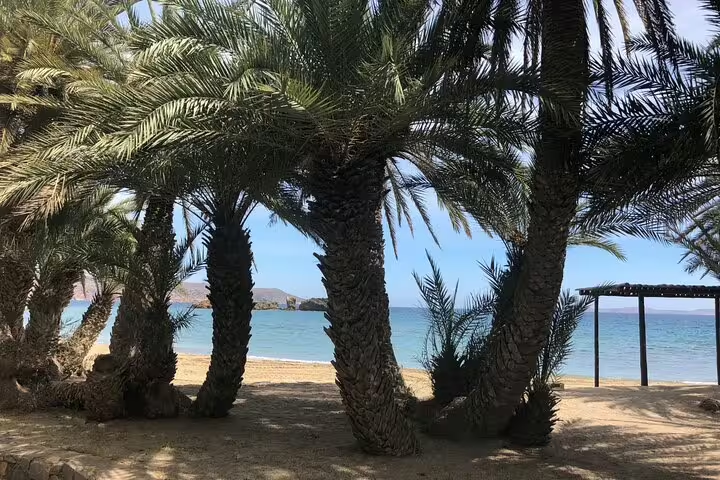
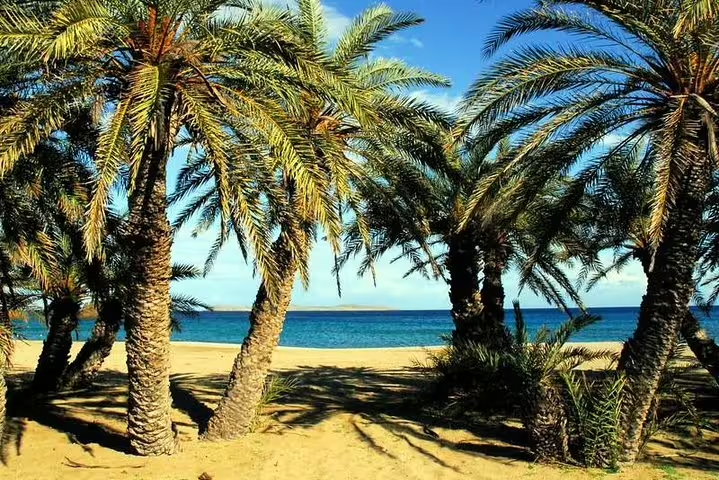
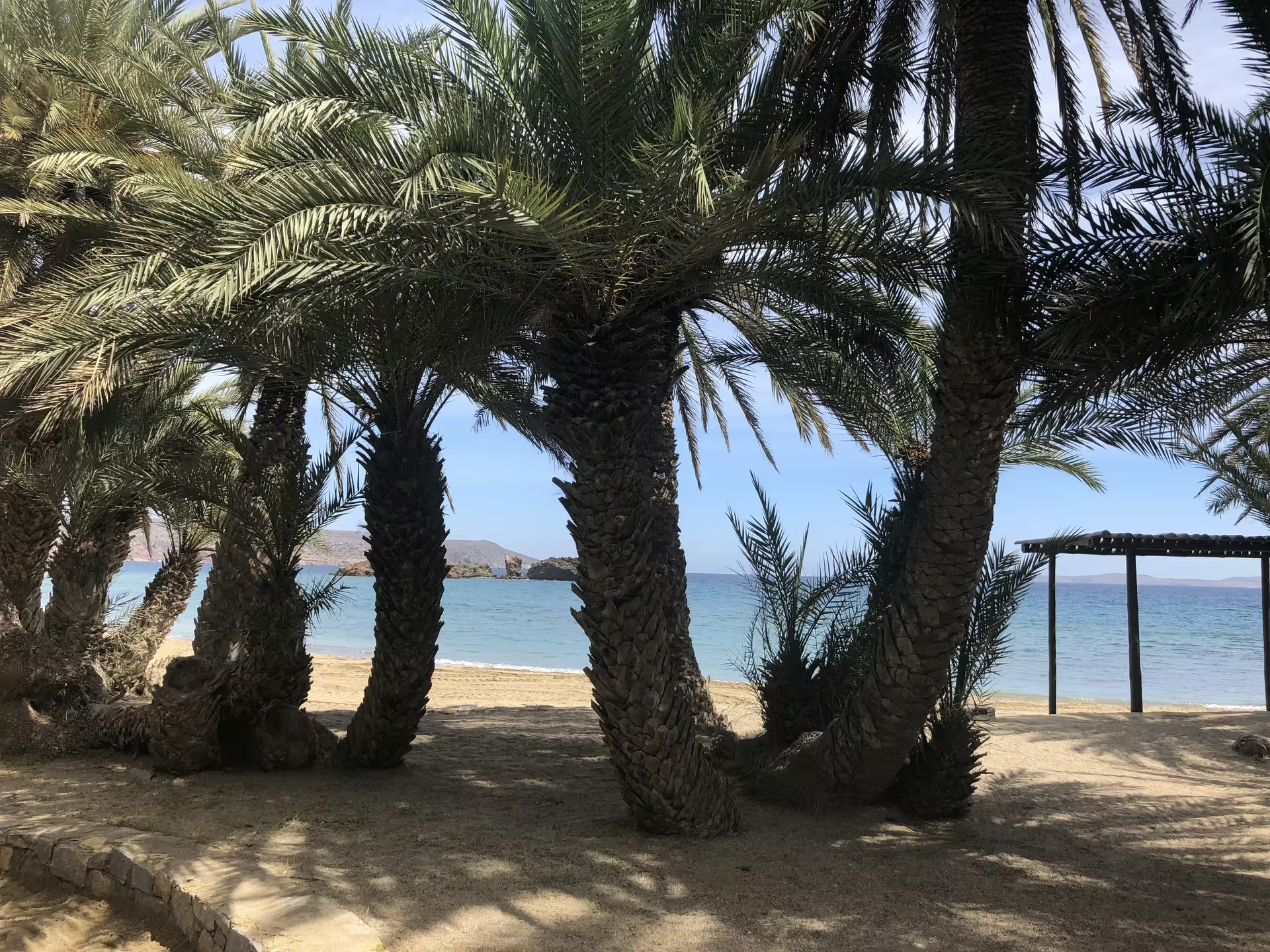
The coastline is one of the biggest reasons to choose Lasithi, because you can sample different beach styles without committing to a single spot. Some areas feel lively and organized, while others are quieter and more natural. Practical tip, start early for easier parking and calmer water, then shift to a second beach later to catch softer light for photos.
Village Coffee and Slow Lunch
Village life is part of the region’s appeal, and a simple stop can become a highlight when you let the pace slow down. Expect a social atmosphere, local conversation, and menus that reward curiosity. Practical tip, ask what is seasonal or house-made, then plan a short walk afterward to stretch your legs and see everyday Crete beyond the coast.
Scenic Drive Through the Interior
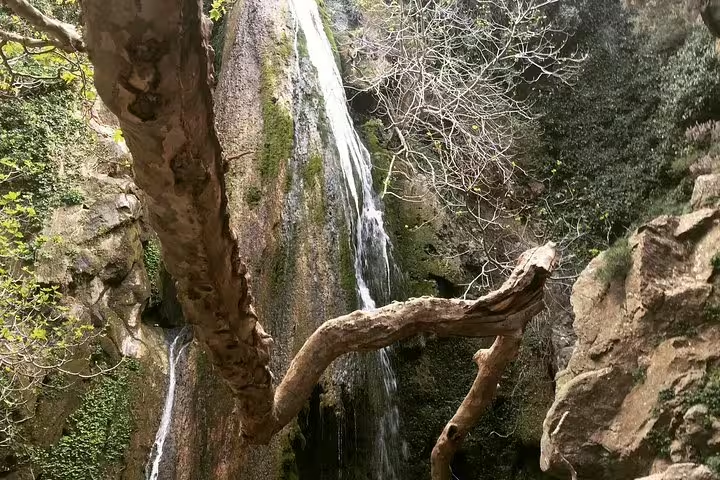
The interior landscapes give Lasithi its contrast, with changing elevations, broader views, and pockets of traditional architecture. A drive turns the journey into the experience, not just the transfer between places. Practical tip, build in photo stops and avoid overpacking the day, because narrow roads and spontaneous viewpoints naturally slow you down.
Mountain and Plateau Views
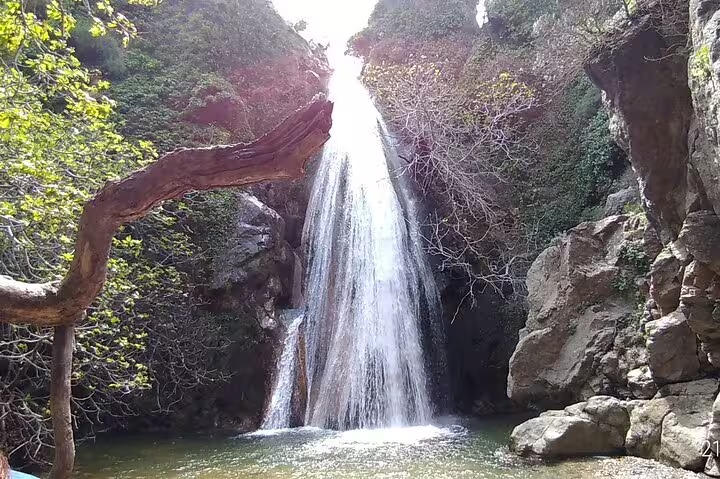
Higher ground delivers a different side of the region, with airier temperatures and wide panoramas that make the island’s geography feel real. These areas also help you understand how communities historically balanced farming, trade, and coastal life. Practical tip, bring a light layer even in warm seasons, because breezes can be stronger at elevation.
Archaeology and Local History Stops
Crete’s long story shows up in ruins, small museums, and cultural sites that add depth to a beach-forward itinerary. A short visit can contextualize the landscapes you are moving through and make the region feel more than just a scenic backdrop. Practical tip, go earlier in the day for more comfortable walking conditions, and pair the visit with a nearby café stop to keep the pace enjoyable.
Harbor Promenade at Golden Hour
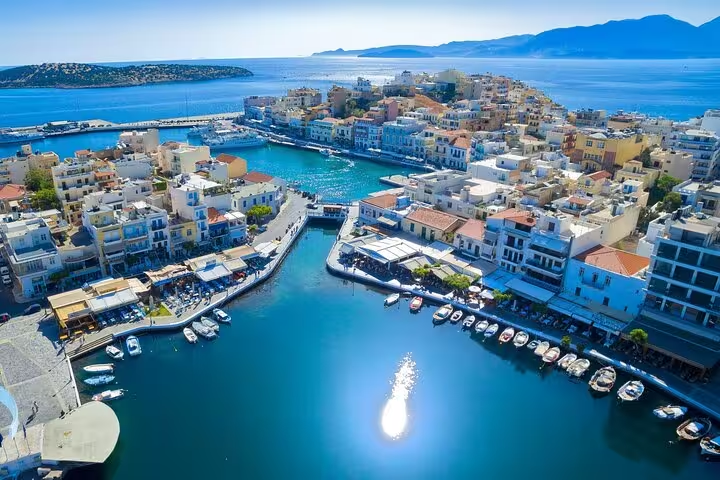
Coastal towns and harbors are made for evening strolls, when the light softens and the day’s energy shifts into dinner mode. This is also when you can compare restaurants, watch local life, and choose a table without rushing. Practical tip, walk first, eat second, so you can pick a place based on atmosphere rather than convenience.
Snorkeling and Swim Time
Clear water days are perfect for simple, low-effort exploration just off the shore, especially if you like to alternate between relaxing and active moments. Even a short snorkel adds variety to a beach day and can be a highlight for families. Practical tip, pack water shoes and a mask, and choose calmer coves when wind picks up.
Local Markets and Produce Shopping
Markets and small shops are a practical way to taste the region, from fruit and olives to cheeses and baked goods. They also help you travel more comfortably if you plan picnic-style beach lunches. Practical tip, shop in the morning for the best selection, and keep a reusable bag in your day pack.
Start with an early coastal stop for a swim or a short seaside walk, then pivot inland for a scenic drive and a village coffee. After lunch, choose one cultural or historical visit to add context, then return to the coast for a late afternoon beach session. Finish with a harbor promenade and dinner, keeping the evening flexible so you can follow the best sunset conditions.
Day one, focus on the coast, using a beach-hopping plan that includes at least two different atmospheres, one organized and one quieter. Day two, commit to the interior, with a plateau or mountain viewpoint route, village meals, and a history stop that ties the landscapes together. If you have a third day, keep it lighter, choose a day trip by road or boat, then return for an unrushed final evening meal and a last walk along the water.
Greek Salad
Crisp, refreshing, and built around ripe tomatoes, cucumber, feta, and olive oil. It is a reliable choice when you want something light between beach sessions. Ordering tip, ask for local olive oil, and pair it with bread to make the most of the flavors.
Grilled Fish
Simple preparation lets the seafood shine, often served with lemon and a few sides. It fits the coastal rhythm and feels especially satisfying after a long swim. Ordering tip, ask what is freshest that day, and choose that rather than defaulting to a familiar name.
Meze Plates
Small dishes are ideal for sharing, and they turn a meal into a relaxed tasting experience. This is also one of the easiest ways to sample local specialties without over-ordering. Ordering tip, start with two or three plates, then add more once you see portion sizes.
Stuffed Vegetables
Often comforting and herb-forward, this is a good option when you want something hearty but not heavy. It can be a highlight in traditional tavernas where home-style cooking is the focus. Ordering tip, ask if it is made that day, because freshness makes a big difference.
Roasted Lamb or Goat
A classic choice that reflects Crete’s pastoral traditions and inland cooking. Expect rich flavors, slow-cooked textures, and satisfying portions. Ordering tip, balance it with a fresh salad or greens dish, especially in warmer weather.
Local Cheese and Yogurt
Creamy, tangy, and often served with honey or fruit, these are ideal as a light dessert or snack. They are also a great way to reset after a long drive. Ordering tip, ask for what is local to the area, and keep it simple to taste the quality.
Getting around Lasithi is easiest when you plan for a mix of short walks and road travel, because many viewpoints, beaches, and villages are spread out. Coastal towns can be walkable once you arrive, especially for promenades, dining, and harbor areas, while inland stops typically require a vehicle or organized transport. For comfort and safety, drive with extra time in the interior where roads can be narrow, and keep water on hand for warm days. If you prefer not to drive, base yourself in a well-connected town and focus on nearby beaches and day tours that handle logistics for you.
Coastal Coves and Small Beaches
A short road trip can take you to quieter stretches of shoreline that feel more natural and less built up. The main reason to go is variety, because even nearby bays can look and feel completely different. Travel time varies by starting point, so plan one main destination and one backup in case wind changes the sea conditions.
Inland Villages and Viewpoints
These trips are about atmosphere, local food, and the sense of scale you get from higher ground. They are especially rewarding when you want a break from sun exposure without losing the outdoors. Allow extra time for stops, because the best moments are often unplanned.
Plateau-Style Landscapes
A day focused on broader valleys and elevated scenery adds depth to a coastal itinerary. The reason to visit is the contrast, cooler air, and the feeling of moving through Crete’s agricultural heart. Bring a layer and plan a long lunch to match the slower rhythm.
Neighboring Coastal Towns
Town-to-town exploring works well when you want shopping, waterfront dining, and a change of scenery without a full travel day. The main draw is comparing harbor life, beaches, and local dining styles. Go late afternoon and stay into the evening for the best atmosphere.
Two to three days lets you balance coast and interior without rushing. One day works if you focus on a single coastal base and a short inland drive.
A car makes it much easier to combine beaches, villages, and viewpoints in one trip. If you do not drive, choose a walkable coastal base and rely on organized excursions for inland highlights.
Warmer months are best for swimming and long evenings outdoors, but they can be busier on popular beaches. Shoulder periods suit scenic drives and cultural stops with a calmer pace.
Cards are widely used, but cash is helpful for small purchases in villages and rural areas. Carrying both keeps your days smoother, especially on road trips.
Pick a coastal base, then assign one day to beach-hopping and one day to the interior for villages and viewpoints. Keep afternoons flexible so you can adjust to wind, heat, and how long you want to linger.