Knossos is one of Crete’s most talked about archaeological sites, closely linked to the Minoan civilization and the island’s layered myth and history. A visit here is less about ticking off ruins and more about stepping into a place that still shapes how travelers understand Crete, from Heraklion’s museums to village life in the surrounding countryside. Plan it well and Knossos becomes a high impact half day or full day experience that pairs easily with food, culture, and coastal time.
Knossos has a vivid, story driven vibe, part archaeology, part legend, and part modern Crete. Go now if you want a destination that anchors a wider Crete itinerary, because it connects naturally to Heraklion, local tavernas, and day trips across the island. It rewards travelers who arrive with a plan, pace themselves on site, and leave time to process what they are seeing.
Knossos sits on Crete, Greece’s largest island, and it is most commonly paired with the nearby city of Heraklion. For most travelers, Heraklion acts as the main gateway hub for this part of the island, with onward connections by road to towns, beaches, and inland villages. If you are building a broader route across Crete, Knossos works well as a cultural anchor before moving on to coastal areas or mountain landscapes.
Crete’s travel rhythm is strongly seasonal, with warmer months drawing larger crowds and shoulder seasons offering a calmer pace. If you prefer quieter pathways and more reflective time on site, aim for periods when overall tourism is lighter, then structure your day to avoid peak arrival times. Whatever the season, the most comfortable visits usually come from planning for sun exposure, hydration, and a steady walking pace.
Greece uses the euro, and travelers generally find it helpful to carry a mix of card and cash for small purchases. Cards can be convenient for larger expenses, while cash helps with quick transactions and smaller vendors. Budget wise, plan for transport, food, and optional guided experiences, then keep a little flexibility for a museum stop in Heraklion or a longer meal after your visit.
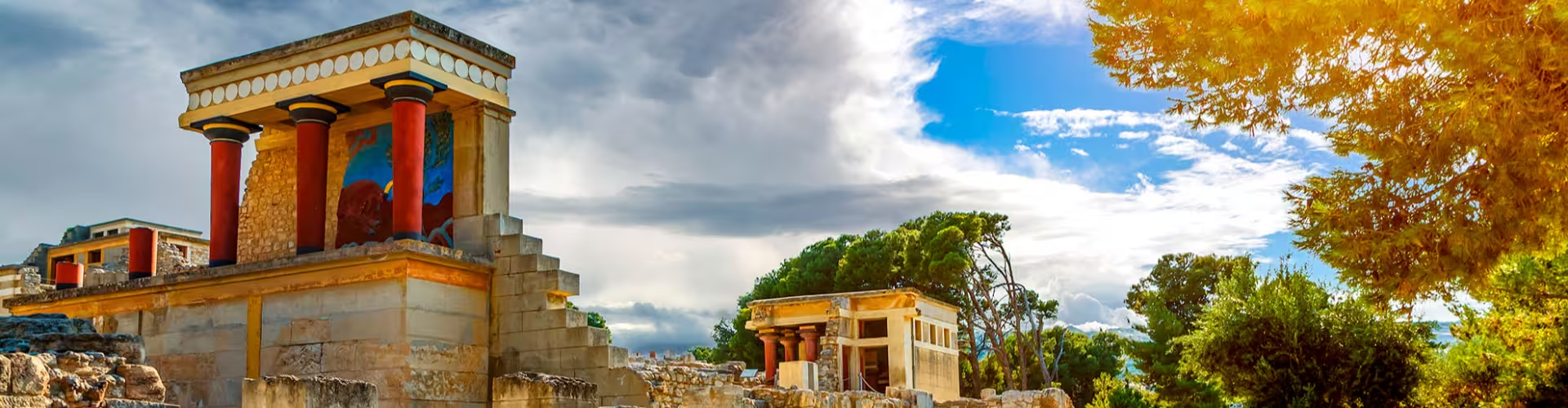
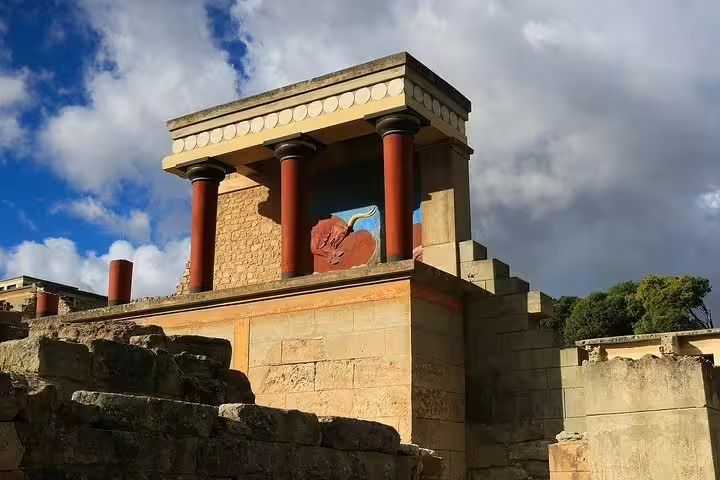
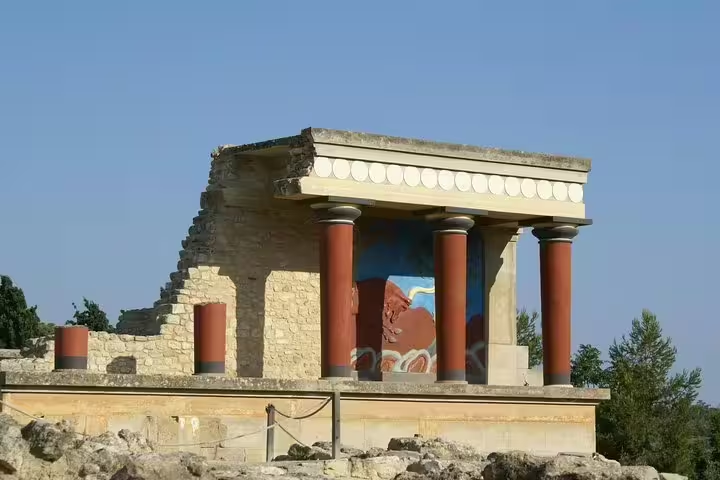
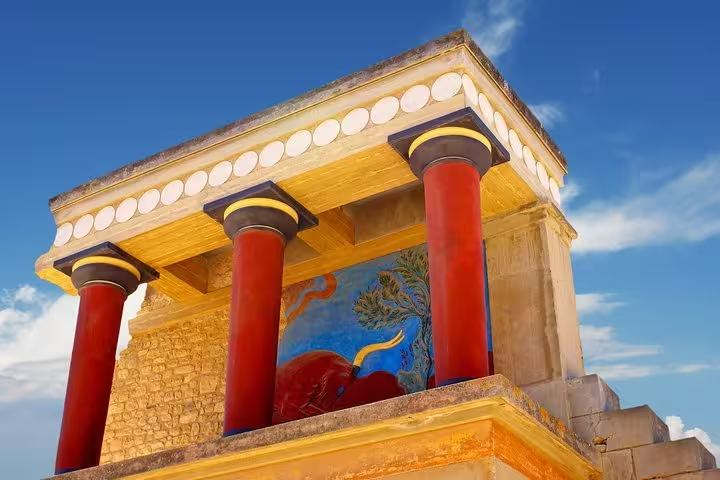
Explore the Palace Complex at Knossos. The main reason to come is to trace the outlines of Minoan life, from ceremonial areas to practical spaces that hint at how a major Bronze Age center functioned. The experience is strongest when you slow down and look for patterns in layout, movement, and sightlines. Practical tip, bring sun protection and take short pauses so you can absorb the details rather than rushing through.
Join a Guided Walk for Context. A guide can turn stones and walls into a coherent narrative, connecting architecture to society, trade, and myth. This is especially useful if you want a clearer sense of what is original, what is reconstructed, and why interpretations differ. Practical tip, choose a tour that balances storytelling with archaeological clarity, and ask questions about daily life, not only legends.
Pair Knossos with the Heraklion Archaeological Museum. Seeing artifacts in a museum setting can make the site feel more complete, because it links spaces to objects and symbols. This pairing helps you understand Minoan craftsmanship, iconography, and the broader story of Crete. Practical tip, do the museum either before for background or after to connect what you saw on the ground to curated exhibits.
Focus on Myth and Meaning, Not Only Ruins. Knossos is often tied to stories that shaped how people imagine ancient Crete, including the wider world of Greek myth. Approaching it as both history and cultural memory adds depth, even if you keep a critical eye on what is legend versus evidence. Practical tip, read a short primer on Minoan Crete before you go, then use the visit to test what you thought you knew.
Photograph with Intention. The site can be visually striking, but the best images usually come from choosing a theme, such as corridors, textures, or contrasts between stone and sky. Instead of trying to capture everything, look for compositions that communicate scale and atmosphere. Practical tip, visit earlier in the day for softer light and fewer people in your frame.
Build in a Slow Lunch in a Nearby Area. The cultural experience of Crete is not only archaeological, it is also social and culinary. A relaxed meal after Knossos gives you time to decompress and talk through what you saw, which often makes the visit more memorable. Practical tip, order a few shared plates and pace the meal, because the midday sun can make a fast schedule feel tiring.
Combine with a Short Nature Break. After time among ruins, a small change of scenery can reset your energy, especially if you are traveling with family or a mixed interest group. Crete’s landscapes, even close to urban hubs, can feel surprisingly open and bright. Practical tip, pack water and a light layer, because conditions can shift between sun and shade.
Consider a Private Driver for a Smooth Day. If you want to connect Knossos with multiple stops, a driver can reduce logistical friction and keep the day comfortable. This can be especially helpful if you are short on time or traveling with limited mobility. Practical tip, confirm pickup points in Heraklion clearly and leave buffer time so you are not rushing through the site.
Start with Knossos early to get a clearer, calmer first impression and to walk at a comfortable pace. Spend focused time on the main palace areas, then take a break to rehydrate and review what you have seen. Continue into Heraklion for a museum visit if you want the strongest historical context, then finish with a long Cretan meal that turns the day into a complete culture and food experience.
On day one, visit Knossos with a guide, then pair it with Heraklion’s cultural scene, including museums and an evening meal built around local ingredients. On day two, slow down and explore more of Crete’s everyday life, by choosing smaller towns or coastal areas that show how the island balances tradition with modern travel. If you have a third day, use it for a longer day trip across the island, keeping your schedule flexible so you can linger where the atmosphere feels right.
Dakos. This Cretan staple combines a crunchy base with tomato and cheese, creating a bright, salty, and refreshing bite. It is ideal in warm weather because it feels light but satisfying. Ordering tip, ask for it as a starter to share, then build your main around grilled items.
Greek Salad. Crisp vegetables, briny cheese, and olive oil come together in a clean, direct flavor profile that suits the island climate. It pairs well with almost anything and helps balance richer dishes. Ordering tip, request it to arrive first so it sets the pace for a slower meal.
Grilled Lamb. Expect bold, savory flavors and a hearty portion that feels especially fitting after a long walk at Knossos. It is often served simply, letting the meat and seasoning lead. Ordering tip, ask what sides come with it, then add a salad for balance.
Seafood. Along the Cretan coast, seafood can be a highlight, with clean flavors that work well with lemon and olive oil. Even if you are based in Heraklion, it is easy to plan a meal that leans toward the sea. Ordering tip, ask what is fresh that day and choose one grilled option for the most straightforward taste.
Meze Style Plates. Small dishes encourage sharing, variety, and an unhurried rhythm that matches Cretan hospitality. This is a great approach if your group has different tastes or appetites. Ordering tip, choose a mix of vegetables, cheese, and one protein, then add more only if you still feel hungry.
Raki. This local spirit is often offered as a gesture of hospitality, and it has a strong, clean finish. It can feel like a cultural moment rather than just a drink. Ordering tip, sip slowly and treat it as a small ritual at the end of a meal.
Most travelers reach Knossos via Heraklion, then continue by road using a mix of taxis, private transfers, or organized tours. Walking is best used within the site itself and for short city distances in Heraklion, while longer connections are more comfortable with a vehicle. For safety and comfort, wear stable shoes suitable for uneven ground, carry water, and plan for strong sun exposure, especially in warmer months.
Heraklion. Travel time is short from Knossos, and the main reason to go is cultural depth, including museums and a lively food scene. It is the most natural pairing for understanding Minoan Crete in a broader context.
Cretan Beaches Near Heraklion. Travel time varies by which stretch of coast you choose, and the reason to go is simple, sea time and a change of pace after archaeology. This works well as an afternoon reset after a morning at the site.
Inland Villages. Travel time depends on the village, and the appeal is a slower rhythm, local tavernas, and a more everyday view of Crete. It is a good option if you want to balance major sights with quieter places.
Wider Crete Road Trip Stops. If you are continuing across the island, add stops that match your interests, whether that is landscapes, food, or coastal scenery. The main reason is variety, because Crete shifts quickly between urban hubs, mountains, and sea.
Most travelers find that a half day allows enough time to explore at a comfortable pace and take breaks. If you want deeper context, add time for Heraklion and a museum visit.
Visiting independently can be enjoyable if you like moving at your own pace and focusing on photography or atmosphere. A guide can add clarity and help you connect the site to Minoan history and myth.
Knossos is commonly reached from Heraklion by road using taxis, private transfers, or organized tours. Choose the option that best matches your schedule and comfort, especially if you are combining multiple stops.
Wear stable shoes for uneven ground and bring water for walking in the sun. Sun protection is important, especially in warmer months.
Yes, Knossos pairs naturally with Heraklion, especially if you want to add a museum and a longer meal. Keep your timing flexible so you can slow down on site and avoid feeling rushed.