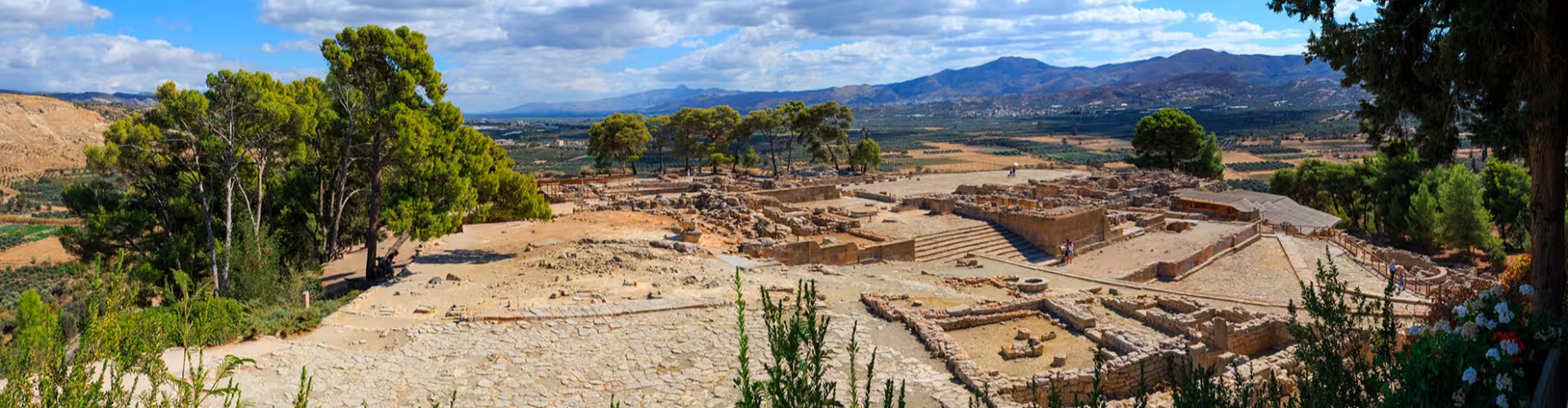


Phaistos is one of Crete’s defining archaeological sites, a place where wide-open views and layered history combine into a calm, contemplative experience. The setting feels spacious and elemental, with stone ruins laid out across a hillside and the landscape doing as much storytelling as the walls. This guide focuses on practical decisions, how to plan your time, how to pair the visit with nearby stops, and how to make the most of a day in southern Crete without rushing.
Phaistos delivers a signature vibe that is both ancient and outdoorsy, with an emphasis on scenery, silence, and scale rather than crowds and spectacle. It is a strong choice when you want a cultural anchor for a road trip across central and southern Crete, especially if you enjoy sites where you can linger and look. Go now if you want a trip that balances history with nature and local food, and if you prefer experiences that reward an unhurried pace.
Phaistos sits in the Heraklion regional unit on the island of Crete, within reach of the city of Heraklion as the main transport hub for this part of the island. The most common gateway is Heraklion International Airport, with Heraklion city also serving as a practical base for picking up a rental car and stocking up on essentials. Many travelers combine the site with drives through central Crete, linking archaeological stops with villages, viewpoints, and coastal areas on the south side of the island.
Crete’s travel rhythm generally follows a spring to autumn peak, with the busiest periods aligning with the warmest weather and school holidays. For a more relaxed visit, shoulder seasons usually offer a better balance of comfortable temperatures and lighter crowds, which matters at an open-air site where shade can be limited and the experience improves when you can pause and take photos without pressure. If you are sensitive to heat, plan your day around the cooler parts of the morning or later afternoon, and build in time for a long lunch in a nearby village.
Greece uses the euro, and in Crete you will typically find card payments widely accepted in towns, while small purchases in rural areas can be easier with cash. For a Phaistos day, budget for transport, food, and any additional nearby stops you add to your route. Keep a small cash reserve for parking areas, small cafes, and quick purchases, and plan a little extra flexibility because countryside itineraries often involve spontaneous detours for viewpoints and local bakeries.
Note: Experiences below are designed to help you plan without relying on specific prices or opening hours.
1) Walk the palace ruins with a slow, map-like mindset
The appeal of Phaistos is in reading the site as a layout, not just a photo stop. The stone foundations and terraces hint at how people moved through space, where gatherings happened, and how the settlement related to the surrounding land. Practical tip: do one full loop first for orientation, then repeat your favorite sections for details and photos.
2) Prioritize viewpoints for landscape context
This is a place where the setting is part of the story, because the surrounding terrain helps explain why people chose this location. Views across the countryside give you a sense of scale and strategy, and they also add variety to your photo set beyond close-ups of stonework. Practical tip: bring a hat and water, and take short breaks at scenic edges to avoid fatigue.
3) Pair the visit with a southern Crete road trip
Phaistos works especially well as a cultural anchor on a driving day, because the roads in this part of Crete naturally connect villages, farmland, and the south coast. This creates a satisfying rhythm of history, scenery, and food, rather than a single-site sprint. Practical tip: keep your schedule light, and choose one additional highlight rather than stacking too many stops.
4) Photograph textures, not only panoramas
The ruins reward close attention, with stone patterns, steps, and transitions between terraces that show how the site was built and used. These details often make more memorable images than the classic wide shot, especially when light is harsh. Practical tip: use your phone’s portrait mode for texture shots, and look for shadow lines that add depth.
5) Build in a long, local lunch nearby
A countryside archaeological day in Crete feels incomplete without a meal that slows the pace and connects you to local ingredients. The area around Phaistos is well suited to a lunch break that becomes part of the experience, not an afterthought. Practical tip: aim for a shaded terrace, order a few shared plates, and plan time for a coffee after.
6) Add a second heritage stop if you want deeper context
If you are interested in Minoan Crete and broader archaeological themes, a second site or a museum visit in Heraklion can help you connect objects and timelines to what you saw on the ground. This turns the day from a scenic visit into a more complete narrative. Practical tip: do the outdoor site first, then use an indoor museum as a cooler, calmer follow-up.
7) Treat the visit as a mindful walk
Phaistos is ideal for travelers who enjoy quiet exploration, because the experience is not only about checking landmarks, it is about absorbing atmosphere. Taking your time helps you notice how pathways, height changes, and open spaces shape the site. Practical tip: wear stable shoes with grip, and walk with deliberate steps on uneven stone.
8) Plan a golden-hour style stop for softer light
Light quality can transform stone ruins and landscapes, making photos warmer and the overall feel more cinematic. Even if you do not chase exact sunrise or sunset timing, choosing a softer-light window can improve comfort and reduce glare. Practical tip: if you visit in the middle of the day, save your best photo spots for later in the visit when the light begins to mellow.
Start with Phaistos as your main cultural stop, giving yourself enough time to walk the full layout at a relaxed pace and revisit the most scenic terraces. After the site, drive to a nearby village area for a slow lunch, then spend the afternoon on a short scenic drive that emphasizes viewpoints and countryside atmosphere. If you still have energy, finish with a simple evening plan, a casual dinner, and an early night, because outdoor heritage days feel more satisfying when they are not overpacked.
On day one, focus on Phaistos and the surrounding countryside, building in time for a long lunch and a gentle pace. On day two, add a second layer of context by visiting Heraklion for a museum or additional cultural stop, then balance it with a relaxed evening meal. If you have a third day, use it for a south-coast style outing, keeping the plan simple so you can stop spontaneously for beaches, viewpoints, or village cafes without feeling behind schedule.
Greek salad (horiatiki)
Crisp, salty, and refreshing, with tomatoes, cucumber, olive oil, and feta playing the lead roles. Ordering tip: ask for it to be brought out early, it pairs well with everything else on the table.
Dakos
A Cretan favorite that is crunchy, juicy, and intensely savory, often built on barley rusk with tomato and olive oil. Ordering tip: if you are hungry after walking the ruins, this is a smart first plate because it feels substantial without being heavy.
Grilled meats (souvlaki style plates)
Simple, smoky, and satisfying, usually served with bread or potatoes and a few fresh sides. Ordering tip: if you want value, choose a mixed plate for sharing so you can taste more than one option.
Seafood when you reach the coast
If your itinerary continues toward the south, seafood becomes a natural next step, with clean flavors that match the seaside setting. Ordering tip: ask what is fresh that day, and keep the seasoning simple to let the ingredients stand out.
Yogurt with honey
Creamy, floral, and lightly sweet, it is a classic way to finish a meal without feeling weighed down. Ordering tip: it is also a good mid-afternoon snack if you are spacing meals around driving and sightseeing.
Greek coffee
Small, strong, and slow-paced, it is more of a ritual than a quick caffeine hit. Ordering tip: plan to sit for it, and treat it as a reset between driving segments.
Most travelers reach Phaistos by car, especially if they are combining the site with villages and the south coast, since driving offers the flexibility that countryside itineraries need. Walking is essential once you arrive, so shoes with grip and a comfortable pace matter more than trying to rush through the layout. If you rely on public transport, plan carefully and expect fewer options in rural areas, then build in buffer time for connections so you are not forced into a stressful return trip.
For safety and comfort, carry water, sun protection, and a basic layer for windier moments, because open sites can feel more exposed than city attractions. If you have mobility concerns, keep expectations realistic, as archaeological terrain often includes uneven surfaces and steps. When in doubt, focus on the most accessible paths and viewpoints rather than attempting every corner of the ruins.
Heraklion
Travel time varies by route, but it is a common hub for flights, museums, and urban dining. The main reason to go is to add context to your Phaistos visit with broader Cretan history, plus the convenience of city services.
South coast beaches
Driving time depends on which beach you choose, but the payoff is a change of mood from ruins to sea. The main reason to visit is to balance culture with swimming, coastal walks, and seafood meals.
Central Cretan villages
Often reachable within a short countryside drive, villages add a lived-in layer to your itinerary. The main reason to go is for traditional tavernas, small shops, and a slower pace that complements an archaeological morning.
Scenic mountain and valley routes
Time varies, but these routes are ideal when you want views and photo stops rather than a single attraction. The main reason to go is the landscape itself, with frequent opportunities to pull over safely and take in the terrain.
Yes, it can work well as a half-day stop if you focus on the main walking loop and key viewpoints. Add extra time if you want a slow pace, more photos, or a long lunch nearby.
A car is the most flexible option because rural routes are easier to manage on your own schedule. If you use public transport, plan connections carefully and allow buffer time for the return.
Wear stable walking shoes and bring sun protection, since the terrain can be uneven and the site is outdoors. Carry water and consider a light layer in case of wind.
Visit Phaistos first for the outdoor experience, then use Heraklion later for a museum or an easy dinner. This creates a good balance between open-air walking and a more comfortable indoor stop.
Phaistos photographs well when the light is softer, which helps reduce glare on stone and improves landscape color. If you must go midday, prioritize texture shots and save wider views for later in your visit.