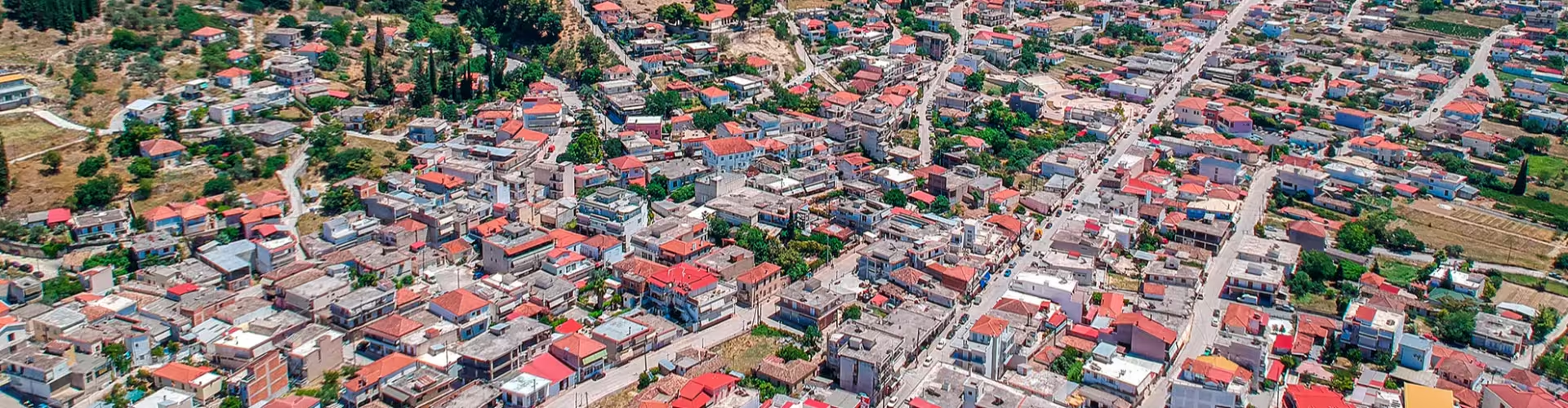


Nemea is one of the most rewarding places in the Peloponnese for travelers who want archaeology, vineyard landscapes, and a slower Greek countryside rhythm in one easygoing base. The area is closely tied to ancient myth and Panhellenic athletics, yet it still feels grounded in everyday village life, with tavernas, wineries, and open views across Corinthia. Use this guide to plan a practical route, choose the right season, and prioritize the experiences that match your pace and budget.
Nemea delivers a signature vibe of sunlit ruins, wine country scenery, and calm roads that invite unhurried exploration. It is a smart choice when you want the Peloponnese without the pressure of constant crowds, especially if you pair ancient sites with tastings and long lunches. Go now if you are building a Greece itinerary that balances famous highlights with places that still feel personal and spacious.
Nemea sits in Corinthia in the northeastern Peloponnese, a region that connects naturally with Athens and the Isthmus of Corinth. Most travelers route through Athens as the primary hub, then continue by road toward Corinthia and inland to the Nemea area. If you are building a wider trip, it also pairs smoothly with Argolis and Arcadia, since the Peloponnese road network makes multi stop itineraries straightforward.
For the most comfortable sightseeing, aim for shoulder seasons when daytime temperatures are typically milder and the pace feels relaxed. Summer often brings stronger sun and higher demand across Greece, so plan earlier starts and slower afternoons if you visit then. In cooler months, the countryside atmosphere can feel especially local, although you should expect shorter daylight and a quieter tourism rhythm.
Greece uses the euro, and in rural areas it is sensible to carry some cash for small purchases, quick snacks, or family run spots. Cards are widely used in Greece, but connectivity and local preferences can vary outside major cities, so a mixed approach keeps your day smooth. Budget wise, plan for typical mid range Greek travel costs, then add a little extra if you want winery visits or guided archaeology context.
Note: The experiences below are curated to fit most traveler styles, from history focused to food and wine. Work them into your day based on energy and driving time, and keep your schedule flexible for long lunches and scenic pauses.
Explore the Ancient Nemea archaeological area. This is the core cultural anchor for understanding why the region matters, since Nemea is tied to Panhellenic athletic tradition and mythic storytelling that echoes across Greek history. Seeing ruins in a rural setting also changes the feel, it is quieter and more contemplative than big city sites. Practical tip, go early for softer light and a calmer atmosphere for photos and reading signage.
Visit the Temple of Zeus at Nemea. The temple remains are a powerful reminder of the religious and civic life that shaped ancient Greek identity. Even partial columns can feel monumental when you stand close and take in the scale against open countryside. Practical tip, bring water and sun protection, shade can be limited around exposed ruins.
Walk the stadium and imagine the Nemean Games. The stadium setting helps you connect the site to lived experience, not just stones and labels, since athletic festivals were social, political, and spiritual events. It is also one of the easiest ways to visualize ancient movement and crowd energy. Practical tip, wear stable shoes, uneven ground is common around archaeological paths.
Plan a wine focused afternoon in the Nemea wine region. The surrounding vineyards give Nemea a modern identity that complements the ancient one, with a landscape built around agriculture and seasonal work. Wine tasting adds a sensory layer to the trip, aroma, texture, and local pride all come through in a single visit. Practical tip, if you are driving, pace tastings and consider sharing pours so you can stay alert on rural roads.
Try a winery tasting featuring Agiorgitiko. Agiorgitiko wine is the signature grape associated with the area, and tasting it locally helps you understand why terroir and tradition matter in Greek wine culture. Depending on style, you may notice fruit forward character, spice, or a more structured feel when aged. Practical tip, ask for a small comparison flight if available, it helps you learn the range without needing many full pours.
Take a scenic drive through Corinthia countryside. The roads around Nemea reveal a different Greece, wide views, working vineyards, and small settlements that reward slow travel. It is ideal for travelers who want to stop for photos, café breaks, and short walks without a packed schedule. Practical tip, keep a buffer for spontaneous stops, the best moments are often unplanned.
Eat a long taverna lunch like a local. In this part of Greece, meals can be the main event, and lingering over shared plates is part of the culture. A relaxed lunch also breaks up a day of ruins and driving, keeping your energy steady. Practical tip, order a few dishes to share rather than individual mains, it is often the most satisfying way to sample local cooking.
Photograph golden hour over vineyards and ruins. Nemea is naturally photogenic because the landscape is open and the light can feel dramatic near sunset. Ruins gain texture and vineyards glow, which makes even simple shots look cinematic. Practical tip, arrive early, find your angle, and let the light change for a series rather than one quick photo.
Start with the main archaeological area while the day is still cool, then spend time at the temple remains and the stadium to build a complete story of ancient religion and athletics. Break for a long lunch in the area, then shift into an afternoon focused on the Nemea wine region. Finish with a relaxed scenic drive and a final stop for photos in late light, keeping the schedule flexible so you can linger where you feel most engaged.
On day one, dedicate your focus to archaeology, walk slowly, read interpretive panels, and treat the site as a narrative rather than a checklist. On day two, plan a wine day with tastings centered on Agiorgitiko wine, and add time for a countryside lunch that is not rushed. If you have a third day, use it for unstructured exploration, short walks, café stops, and a day trip into nearby Peloponnese highlights so your trip feels layered rather than repetitive.
Food in and around Nemea tends to feel rustic and generous, with simple ingredients treated carefully. Use these ideas as a tasting checklist when you read a menu.
Getting around Nemea is simplest by car, since many points of interest are spread across countryside roads and the experience is built around flexible stops. Walking works well once you are at individual sites, especially within archaeological areas, but you should plan for uneven surfaces and sun exposure. If you prefer not to drive, consider arranging a private transfer or a guided day trip from a nearby hub so you can focus on the scenery and tastings without logistics pressure.
For safety and comfort, keep water in the car, wear supportive shoes, and avoid rushing on rural roads, especially near curves and vineyard lanes. Accessibility can vary at historical sites due to terrain, so build extra time and choose the most comfortable paths available on arrival.
Nemea works well as a day trip if you focus on one main theme, archaeology or wine. An overnight stay is better if you want a slower pace with a long lunch and an unrushed tasting schedule.
A car makes the trip much easier because the area is spread across countryside roads. Without a car, consider a private transfer or a guided excursion so you can still connect the key stops efficiently.
Choose supportive walking shoes for uneven surfaces and dusty paths. Bring sun protection and water, especially if you expect strong midday sun.
In the Nemea area, the signature grape is Agiorgitiko wine, which can show different styles depending on how it is made. Ask for a small comparison tasting so you can understand the range without overdoing it.
Start your day early and plan a slower midday break for lunch. If you visit in warmer periods, keep outdoor sightseeing for morning and late afternoon when conditions are more comfortable.